


Monday 14th of September 2026 - Last Update: 17:49






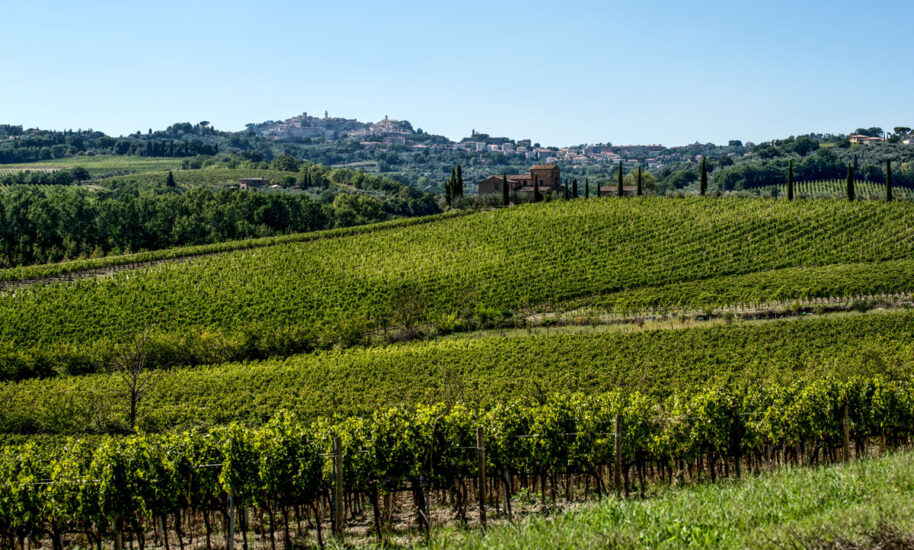
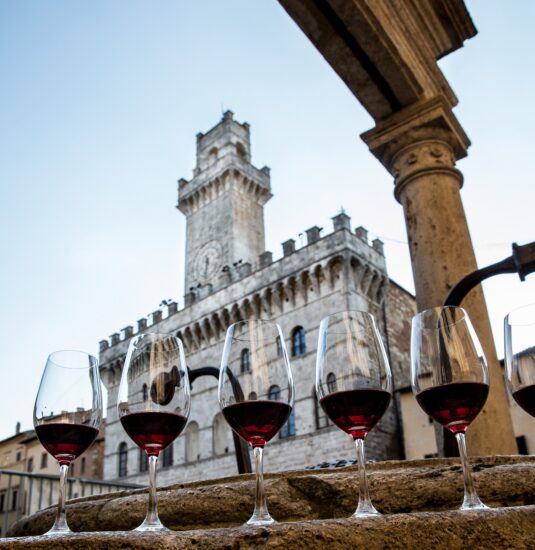
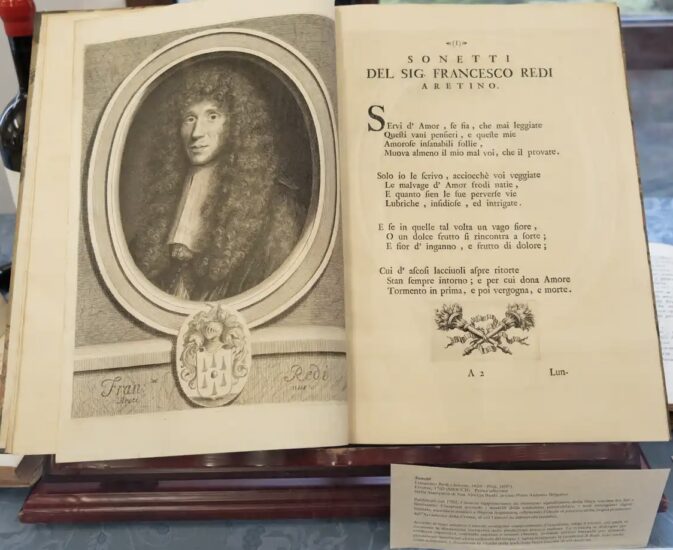
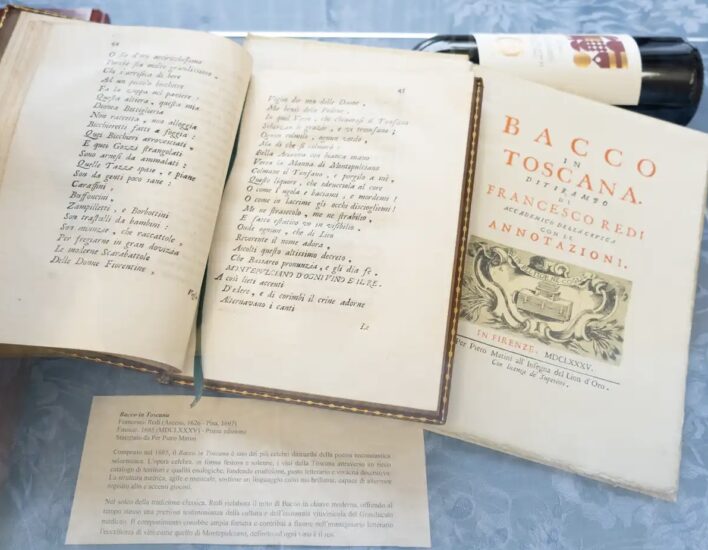
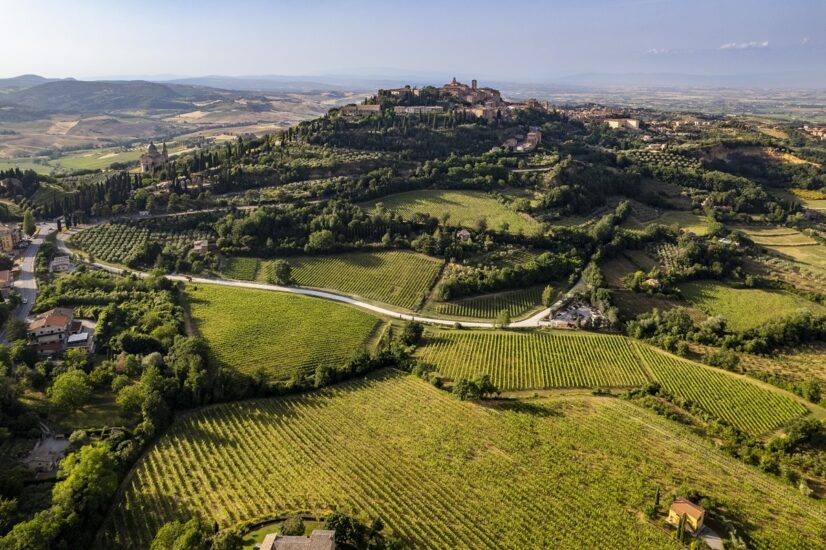
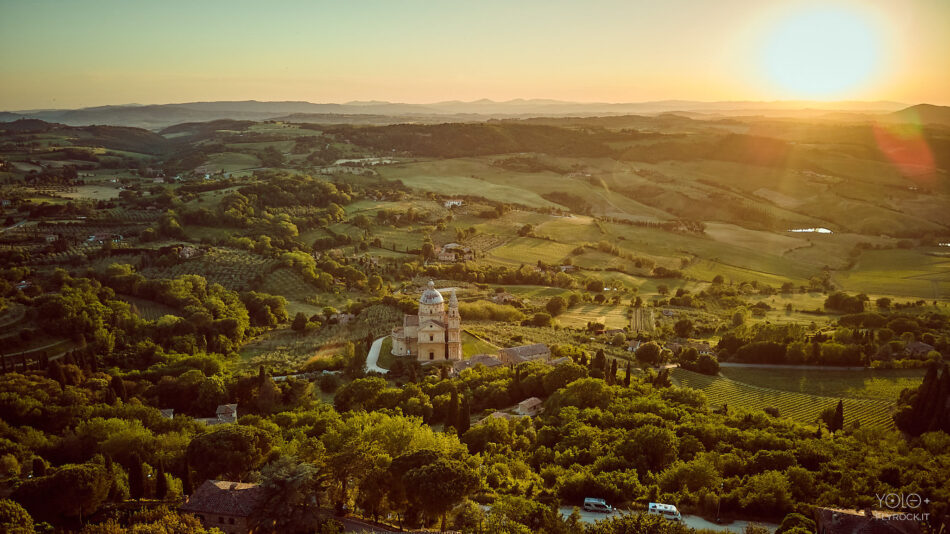

Four centuries after the birth of Francesco Redi (1626-1697), the man of letters and foremost physician of the Medici court, who in his dithyramb “Bacco in Toscana” - “Bacchus in Tuscay” (1685) already proclaimed it “the king of all wines” (and which the Consorzio del Vino Nobile di Montepulciano will celebrate with a major exhibition with contributions also from WineNews, and numerous initiatives over the coming months and in early 2027), Vino Nobile di Montepulciano continues its virtuous journey through the history of Italian wine. It adds its role as a landscape and economic cornerstone to a territory rich in history, as emerged during the two-day event “Anteprima del Vino Nobile” (February 14th-15th, in Montepulciano). Italy first DOCG (which still preserves the very first seal of its kind) is anchored to a production area strictly limited to the part of the Municipality of Montepulciano located between 250 and 600 meters above sea level. It boasts 1,400 hectares of vineyards registered under the denomination, yielding 7,500 tons of grapes and a total production of more than 6,377,000 bottles in 2025. The Consorzio del Vino Nobile di Montepulciano includes 82 bottling companies, representing over 90% of the vineyard area, with a business volume of 65 million euros and company assets valued at 1 billion euros.
Market trends for the denomination were also confirmed, even though 2025 was certainly not among the best years for the national wine sector. Exports accounted for 64.5% of sales, while the remaining 35.5% was sold in Italy. Domestically, most sales were recorded in central Italy (65%), particularly in Tuscany (45%). Northern Italy accounted for 32.6%, and the South for 2.3%. Abroad, export distribution is split almost evenly between Europe and non-EU countries: the Americas (North and South) absorb 34.5% of exports, and Europe (excluding Italy) 29%. Germany remains the leading market for Nobile with a 36% export share. The U.S. market is stable, despite tariff threats, and represents 27.5% of exports of Vino Nobile di Montepulciano. Canada continues to grow and now accounts for 5% of exports. Notably, organic Vino Nobile di Montepulciano represents 50% of sales in Italy and over 55% internationally. Direct sales at wineries have also continued to rise, surpassing 40% in 2025, a positive sign accompanied by important new developments.
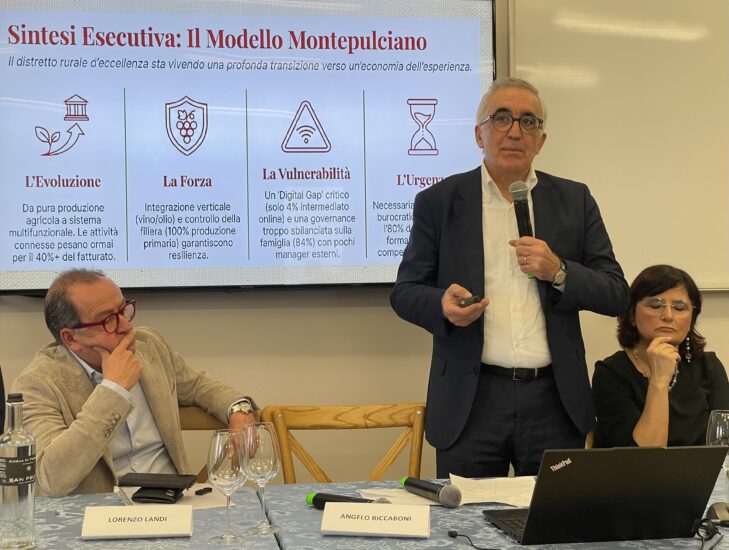
A production center, that of Montepulciano wine sector - it is said by research by the Santa Chiara Lab (the University of Siena Center for Interdisciplinary Innovation) and the Consorzio del Vino Nobile di Montepulciano - of strong diversification and multifunctionality within its companies. Most businesses (80%) are owner-run and family-managed (84%), ensuring continuity while generating related activities (hospitality, tastings, direct sales) which now represent a substantial share of revenue for many companies (up to 80-90% in some cases). This model allows even microenterprises to overcome limitations in land size by offering higher-value services aligned with new trends in experiential tourism. A virtuous cycle emerges between agritourism (present in 75% of companies), tastings (50%), and food service (35%) strengthening the bond between product and territory, enhancing brand reputation, and fostering customer loyalty, especially through direct sales.
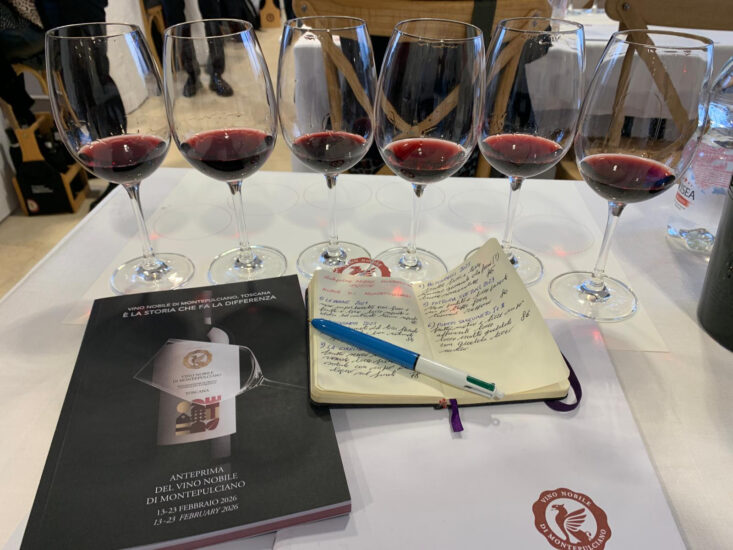
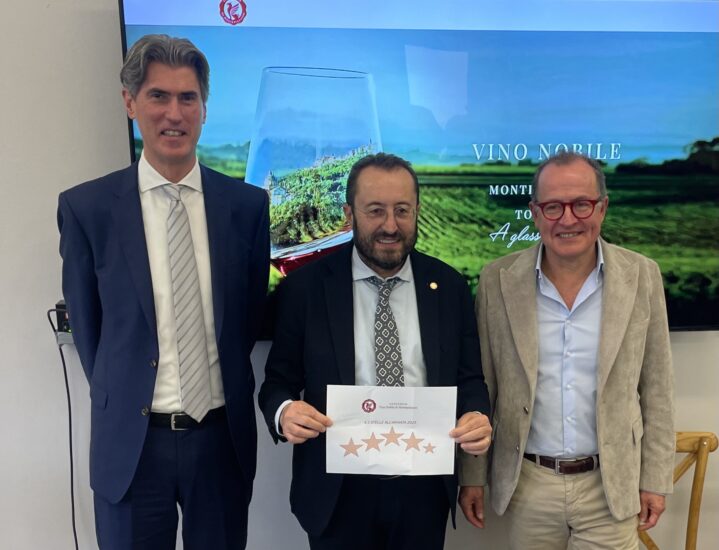
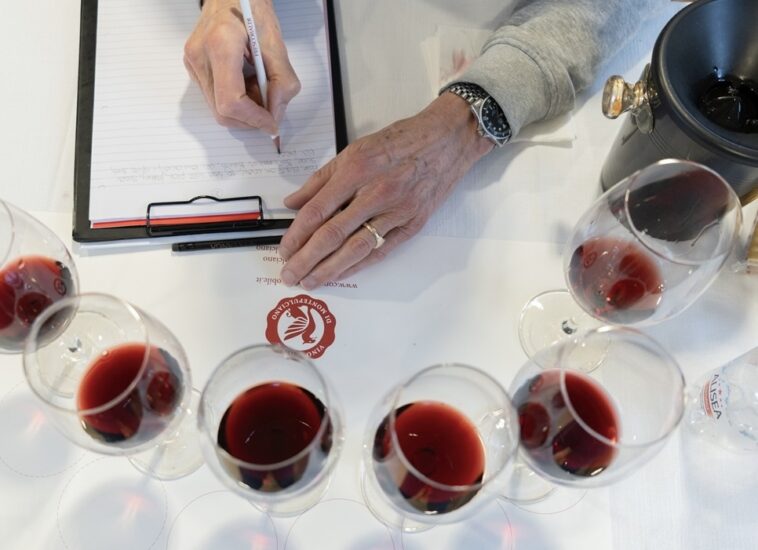
Passing to wine glass, the “Anteprima del Vino Nobile di Montepulciano 2026” showcased Nobile 2023 (rated 4.5 out of 5 stars by a panel of enologists, sommeliers, and restaurant owners) and the 2022 Riserva (awarded with five stars last year). The 2023 vintage was marked by warm climatic conditions, though mitigated by Montepulciano long-demonstrated ability to “temper” the heat during the crucial harvest months. July was decidedly hot, with temperatures consistently above 30 Celsius degrees. August followed suit, with peaks reaching 40 Celsius degrees in the final week and limited rainfall. September was also hotter than average (+1.6 Celsius degrees), with frequent highs near 30 Celsius degrees and rain concentrated in a few events. October temperatures remained high, and more than 25 rainy days between May 9th and June 15th combined with persistent humidity, created ideal conditions for downy mildew.
Nevertheless, the “glass test” was largely successful, with wines showing contemporary style and precise execution, as noted in WineNews top tastings. Flowers and small red fruits, at times ripe, with earthy and smoky touches for Nobile di Montepulciano 2023 by Le Berne from a light progression well balanced by lively, nervous tannins. Nobile di Montepulciano 2023 by Boscarelli is tasty and intensely aromatic, one of the best of the tasting. Nobile di Montepulciano 2023 by Poderi Sanguineti I and II has a marked personality and an irresistible drinkability. Nobile di Montepulciano La Spinosa 2023 by Il Molinaccio di Montepulciano has a subtle and distinctly contemporary style, with a slim, lively silhouette that delivers dynamism and drinking pleasure. Also Nobile di Montepulciano Cantina del Redi 2023 by Vecchia Cantina is well-executed, with a fruit-driven, defined nose and a smooth, flavorful palate. Nobile di Montepulciano 2023 by Poliziano is characterized by undergrowth tones, red fruit, and light spiciness. On the palate, it is well-shaped and pleasantly fleshy. Also Nobile di Montepulciano Santa Caterina 2023 by Tenuta Trerose (Angelini Wines & Estates) is well-executed with well-focused aromas and a slender palate that does not lack vibrancy. Talking about Riserva, Nobile di Montepulciano Vallocaia Riserva 2022 by Bindella emerges, a wine with clean, intense aromas which pave the way to a very savory and well-proportioned sip. Nobile di Montepulciano Riserva 2022 by Gracciano della Seta has Fine and delicate aromatics with a slim, well-paced palate. Nobile di Montepulciano Riserva 2022 by Carpineto plays the card of power, expressed with good harmony. Meanwhile, “Pieve” project (additional geographic mentions already in the market with 2021 vintage) continues with fast steps and with a result at the glass test which is absolutely positive. Although it is too soon to give it a positive evaluation, wines seem to already have an execution accuracy which already make them position at a higher step compared to other Nobile wines. Nobile di Montepulciano Pieve Le Caggiole 2022 by Poliziano seems to really own the stride of a great wine: defined, articulated aromas alternating fruity freshness with iron and smoky tones; the sip is juicy, flavorful, and dynamic. Nobile di Montepulciano Pieve Le Caggiole 2022 by Tiberini is marked by floral and earthy aromatics, a decisive sip, and lively tannins enhancing its character. Nobile di Montepulciano Pieve Cervognano Costagrande 2022 by Boscarelli possesses the fabric of the greatest wines, with refined aromatics and a gentle, well-profiled progression on the palate. Nobile di Montepulciano Pieve Cervognano Cantina del Redi 2022 by Vecchia Cantina is a well-conceived stylistic approach mixing tradition and modernity. Spicy, fruity, and with ferrous touches on the nose, leading to an easygoing and very enjoyable palate. Nobile di Montepulciano Pieve Cervognano Alto 2022 by Le Berne, a slightly timid nose at first, then opening toward fruit and earth, with its main strength in a lively palate and an almost urgent drinkability.
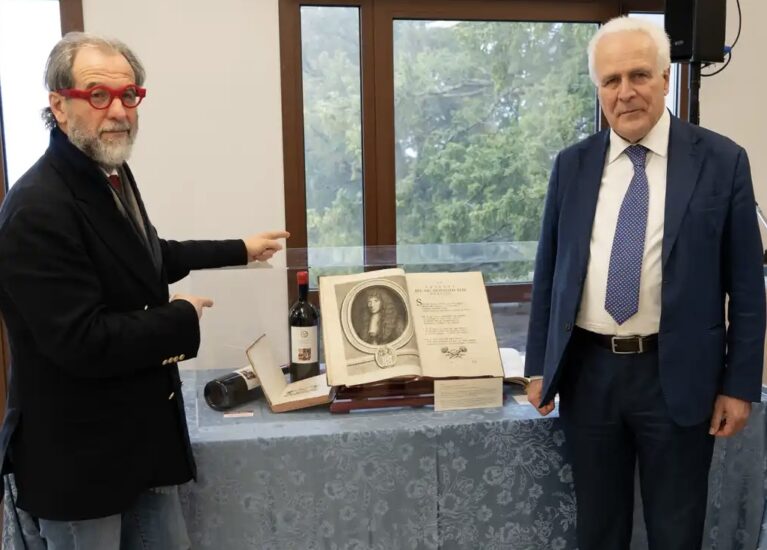
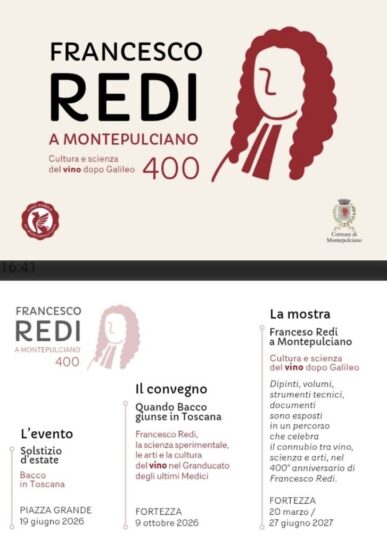
But, beyond the glass of wine, as mentioned, many themes characterized the 2026 Preview. Starting from the celebrations marking the anniversary No. 400 of the birth of Francesco Redi (1626-1697) - Tuscan scientist, physician, and man of letters, a key figure in the rise of modern science and author of the famous refutation of spontaneous generation - with a series of events which will take place throughout 2026 and beyond, starting with the Summer Solstice (June 19th, 2026), followed by the conference “Quando Bacco giunse in Toscana - Francesco Redi, la scienza sperimentale, le arti e la cultura del vino nel Granducato degli ultimi Medici” - “When Bacchus arrived in Tuscany - Francesco Redi, experimental science, the arts, and wine culture in the Grand Duchy of the last Medici” (October 9th). From March 20th to June 19th, 2027, the exhibition “Francesco Redi a Montepulciano. La cultura e la scienza del vino dopo Galileo” - “Francesco Redi in Montepulciano. Culture and science of wine after Galileo” will be held at the Montepulciano Fortress, curated by scholar Lorella Mangani and featuring original ancient books from the WineNews collection. A follower of Galilean scientific method, Redi combined scientific rigor, literary sensibility, and a deep understanding of wine culture. In the Medici-era seventeenth century, marked by the efforts of Ferdinando II and Cosimo III to promote viticulture in the Grand Duchy, Redi was an attentive observer of natural processes, winemaking practices, and the cultural and therapeutic roles of wine. This significant anniversary will be celebrated through an extensive cultural program organized by Consorzio del Vino Nobile di Montepulciano in collaboration with Società Storica Poliziana, Fondazione Cantiere Internazionale d’Arte, and Piero Calamandrei Historical Library and Archive.
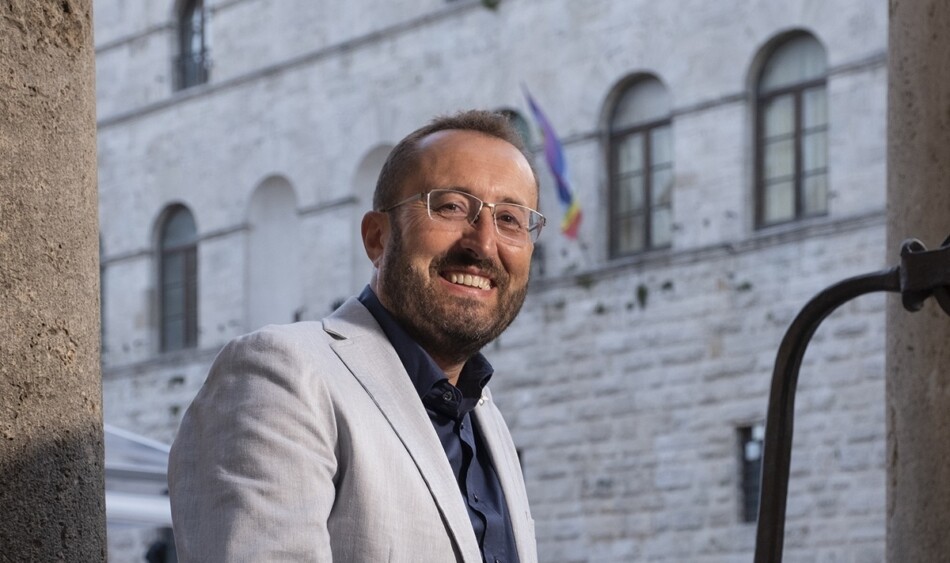
Today, Vino Nobile di Montepulciano stands as a pillar of a territory distinguished by its ability to innovate and its strong focus on sustainability. Research carried out by Santa Chiara Lab reveals a detailed picture of diversification and multifunctionality strategies adopted by local companies, highlighting strengths, challenges, and future development trajectories. “The research confirms what we have long maintained, i.e. multifunctionality is fundamental for the future of the territory, capable of combining tradition and innovation, production quality and tourism hospitality - commented president of Consorzio del Vino Nobile di Montepulciano Andrea Rossi - the direct involvement of families, the ability to diversify our offerings, and the growing focus on sustainability are elements that strengthen our identity and enable us to face the challenges of the global market with determination”. In Italian wine landscape, Montepulciano stands out as a district of excellence, capable of meeting the challenges of a rapidly evolving market thanks to the integration of agricultural production, experiential services, and managerial innovation. This is confirmed by a study carried out by Santa Chiara Lab, which highlighted how the majority of enterprises (80%) are headed by the owner and family-run (84%), a characteristic which ensures continuity and transmission of the business. To diversify their offerings, while remaining closely linked to wine, these enterprises present themselves through multifunctionality, which emerges especially in related activities (hospitality, tastings, direct sales) which now represent a significant share of turnover for many businesses (up to 80-90% in some cases). This model also enables micro-enterprises to overcome the limitations of small landholdings by leveraging higher value-added services, in line with new trends in experiential tourism. According to the study by the University of Siena, carried out within the Agritech Research Project, the agricultural enterprises of Montepulciano operate according to a Tourism-Led Growth logic, transforming themselves into centers of cultural and relational production. Agritourism (present in 75% of enterprises), tastings (50%), and food service (35%) combine into an experiential offering which strengthens the bond between product and territory, consolidating brand reputation and building customer loyalty, especially through direct on-site sales.
Another aspect in which the Vino Nobile di Montepulciano area has been a pioneer is sustainability: indeed, it was here that the first territory-wide Equalitas certification was awarded, demonstrating the strong commitment of local wine companies. The use of organic certifications (over 60% of enterprises), designations of origin and quality, and broader sustainability labels is widespread and perceived as a strategic asset for premium positioning and market credibility. The success of these strategies will increasingly depend on staff training and the development of specific professional skills. The transition toward multifunctionality has already pushed companies to seek new professional roles, especially in hospitality (61%), marketing (28%), and technical management (22%).
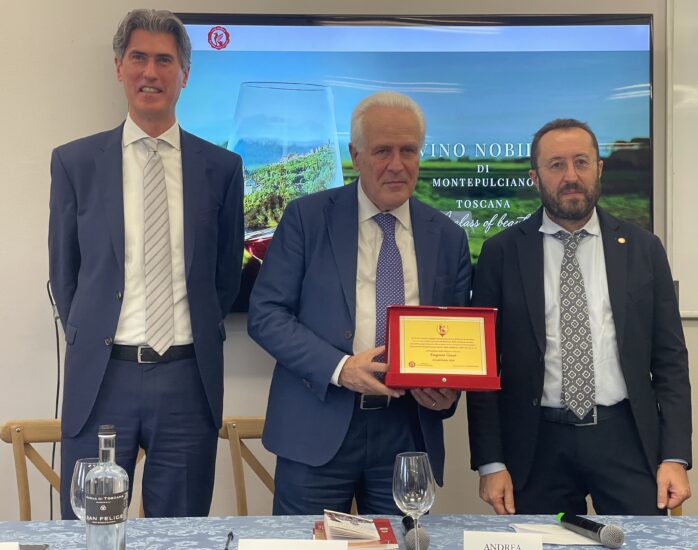
The awarding of the “Grifo Nobile” Prize, among the curiosities, to the President of the Tuscany Region, Eugenio Giani, who underlined: “the presentation of the vintage is not just an appointment for insiders: it is the story of a year of hard work in the vineyards, of skilled hands, of waiting, of sun and of silence. This is the moment when an entire territory recognizes itself in a glass. Receiving the Grifo Nobile 2026 is a great honor for me. A recognition I feel I share with all of Tuscany wine community, with producers, with the Consortium headed by Andrea Rossi, and with everyone who contributes every day to making Montepulciano a symbol in the world”. Also Mauro Rosati was awarded alongside President Eugenio Giani, director general of the Qualivita Foundation, for having created, in his 26 years of activity, “a reference point recognized internationally, through projects and a communication approach capable of innovating the way agriculture is narrated and of overcoming the traditional mistrust within the sector toward such initiatives”.
Copyright © 2000/2026
Contatti: info@winenews.it
Seguici anche su Twitter: @WineNewsIt
Seguici anche su Facebook: @winenewsit
Questo articolo è tratto dall'archivio di WineNews - Tutti i diritti riservati - Copyright © 2000/2026