

Wednesday 18th of November 2026 - Last Update: 11:46




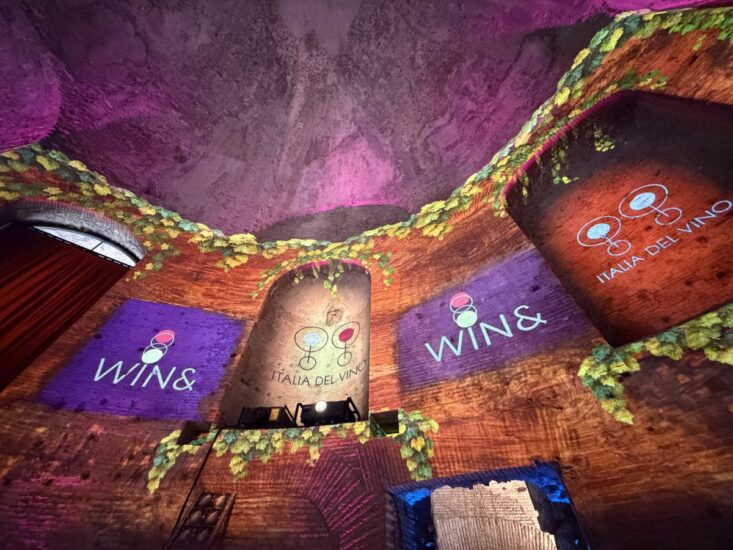
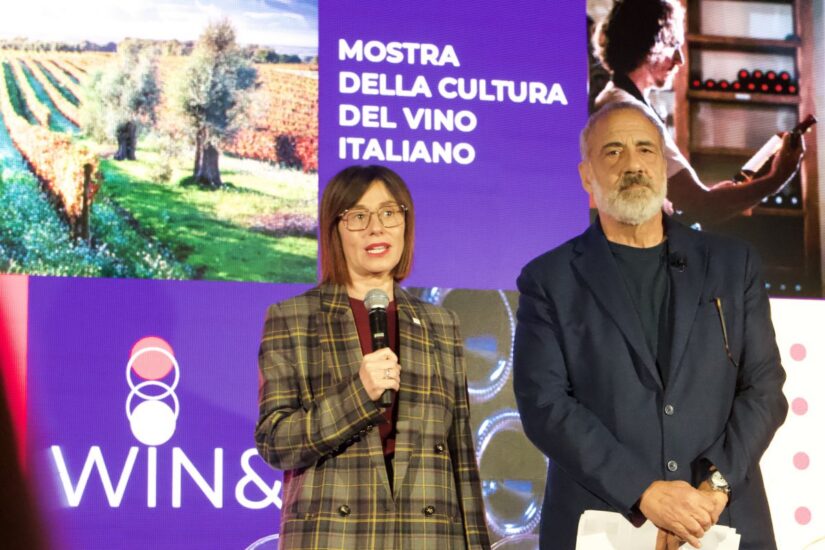
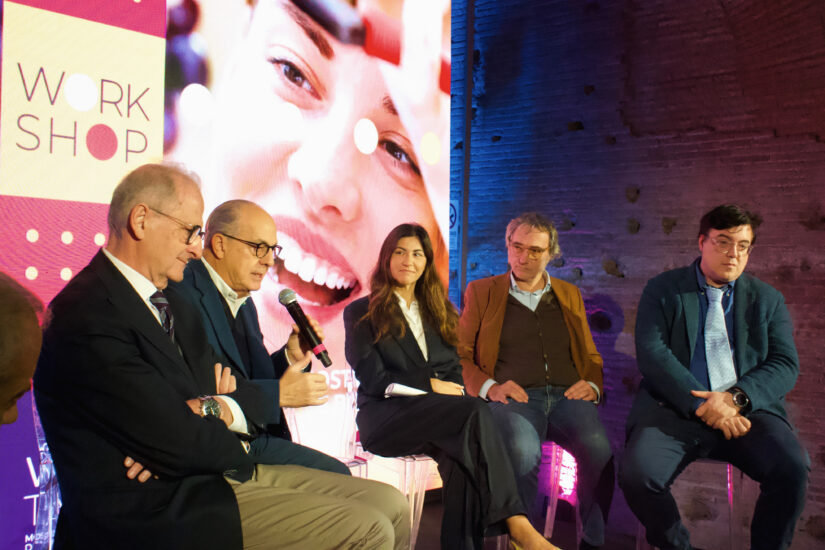
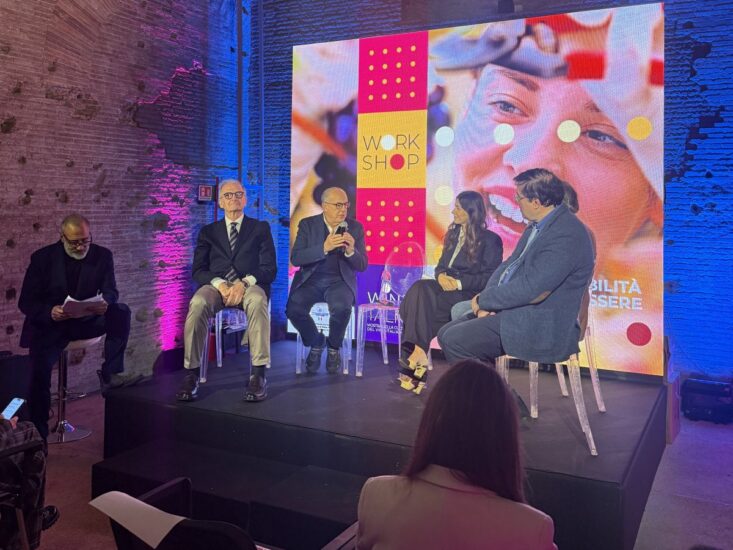
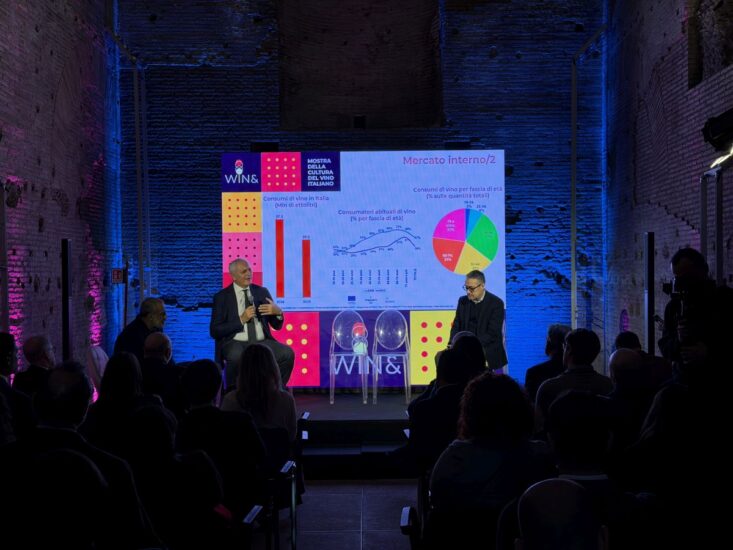
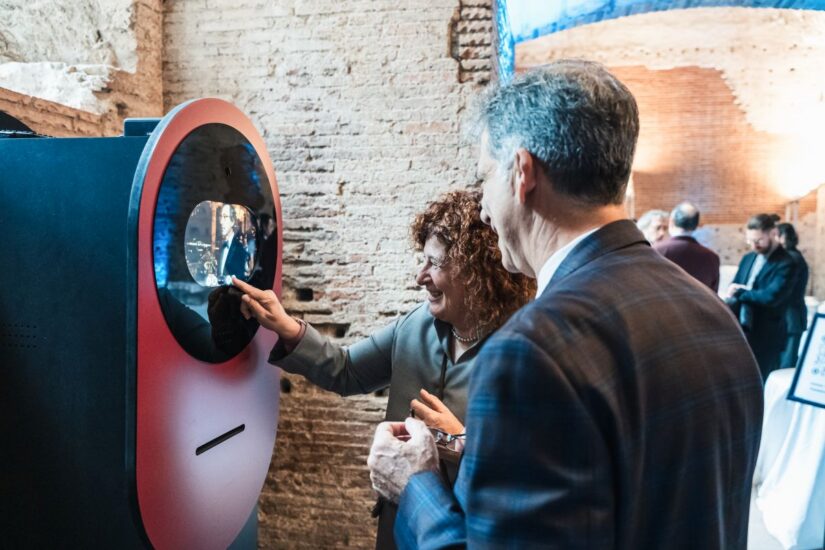

The context in which Italian wine operates, after 20 years of virtually uninterrupted growth, is notoriously complex and challenging. Consumption is declining almost everywhere in the world, especially in traditional markets; climate change, demographic change, geopolitical tensions, and communication around the issue of “alcohol and health” which often frightens rather than informs are among the elements of the “perfect storm” that, unfortunately, we have been describing for some time. Yet, as 2026 draws to a close, despite the concerns that healthy realism imposes on the sector, some positive signs are beginning to emerge. With the awareness that, barring any major surprises, 2026 will likely end with a further decline in exports compared to 2025, as well as weaker domestic consumption, the industry is looking toward 2027 with greater confidence and hope. There is a growing conviction that wine must adopt a proactive approach, invest in value, and simplify its messaging in order not to lose younger generations who, while still marginal consumers today as they have always been, represent the future. The sector must invest even more in sustainability which, when properly certified, becomes a key competitive advantage. At the same time, communication around the topic of health must be relaunched, firmly reaffirming the harmlessness, at the very least, of informed and moderate consumption in line with the Mediterranean lifestyle (from which many people, even in Italy, are increasingly moving away). This means countering a narrative that is too often “clinical” and focused solely on the potential harmful effects of alcohol, overlooking the broader context of wine and lifestyle, and ultimately alarming consumers rather than properly informing them. This was the key message emerging from “WIN& - Italian wine culture Exhibition”, taking place today, November 17th, and tomorrow, November 18th, at the Horti Sallustiani in Rome. The event brings together experts from a wide range of disciplines at the invitation of Consorzio Italia del Vino, chaired by Roberta Corrà. The consortium comprises 24 of Italy most prestigious wine companies (Angelini Wine & Estates, Banfi, Bisol1524, Ca’ Maiol, Cantina Mesa, Cantine Lunae Bosoni, Collis Heritage, Di Majo Norante, Diesel Farm, Donnachiara, Drei Donà, Duca di Salaparuta, Ferrari, Gruppo Italiano Vini - GIV, Gruppo Marchesi di Barolo, Mezzacorona, Herita Marzotto Wine Estates, Le Monde, Librandi Antonio e Nicodemo, Medici Ermete & Figli, Oniwines, Terre de La Custodia, Torrevento and Zonin 1821), which collectively generate more than 1.5 billion euros in turnover and account for 15% of Italian wine exports.
“The future of Italian wine will not depend solely on how much we manage to export, but on the value we are able to build around our production. Quality remains essential, but today we must also invest in sustainability, culture, expertise, and the ability to understand new markets and new consumers. Working as a system means connecting businesses, institutions, and research in order to build a shared vision for the future of the supply chain, preserving its identity and passing on its value to future generations”, underlined Roberta Corrà, president of Consorzio Italia del Vino (who, together with Denis Pantini, responsible of Nomisma Wine Monitor, made the point on wine markets in an interview). “Italian wine should be told as something precious to be handed down to future generations”, observed Antonella Sberna, vicepresident of the European Parliament, in a video message, referring to the European Parliament work on the Wine Package. In her view, simplification, promotion, and wine tourism are three key levers that must continue to be strengthened in support of a sector that already enjoys a strong international presence.
In a Europe where Italy voice carries significant weight, particularly in agriculture, Sberna noted the important role played by the Italian Government and the Ministry of Agriculture. The Ministry strongly supports the wine sector, as also emphasized by Teresa Nicolazzi, director general of the Ministry. “The wine sector must recognize that environmental, economic, and social sustainability will become increasingly important, and the Ministry has taken significant steps in this area in recent years. We have worked extensively on regulatory simplification, including easier access to co-financing programs. Bureaucracy cannot be a mountain to climb, especially for small producers; it must be a tool for growth”.
Denis Pantini, head of Nomisma Wine Monitor, provided an overview of a market which is “certainly complex, but not one that should be exaggerated more than necessary”, as stressed by Paolo De Castro, president of Nomisma, and of an Italian wine sector that, “despite its evident difficulties, remains the jewel in the crown of made in Italy”, as added by Nicola Caputo, Special Envoy for Agri-food Diplomacy at the Ministry of Foreign Affairs. As Pantini noted, on the domestic market front, the overall value of food and beverage consumption fell from 88 billion euros in 2019 (pre-Covid) to 83 billion euros in 2025. Over the last two years, wine sales have remained stable for 61% of horeca operators, declined for 29%, and increased for only 10%. At the same time, in large-scale retail distribution (Gdo), consumption has fallen by 20% over the last eight years, and the trend recorded during the first nine months of 2026 points in the same direction: still wines are down 3.6% (with reds declining by 5.4%), while sparkling wines are up 1.3%. Within the latter category, sweet Charmat sparkling wines are down 2.1%, compared with +0.7% for dry Charmat styles and +12.3% for Metodo Classico sparkling wines, which account for around 10% of supermarket wine sales. “The decline in wine consumption has been a structural trend worldwide since the 1970s. Today we are facing a perfect storm made up of economic difficulties, which reduce discretionary spending, climate change, which certainly does not help (in France, during this year heatwave peak, the serving of wine and alcoholic beverages was banned), demographic change, and more. Wine consumption has fallen from 27.3 million hectoliters in 2005 to 20.2 million in 2025. When talking about young people - said Pantini - it should be remembered that under-35s drink with the same frequency as they did 20 years ago. The sharpest decline in regular consumption has occurred among people aged between 36 and 74. Consumers up to the age of 24 account for just 2% of total wine consumption today, while those aged 25 to 34 represent 6%. Yet they are the consumers of the future, and they must be won back today if we do not want to lose them tomorrow”.
The picture painted by Nomisma figures was echoed by Federico Veronesi, wine producer with the Oniwines group, who took the stage in his capacity as ceo of Signorvino (both part of the Oniverse group founded by Sandro Veronesi), Italy largest wine retail chain, with nearly 50 stores in Italy and abroad. “This is a period of deep change - said Veronesi - it is difficult to understand where the market is heading. Consumption is declining, particularly bottle sales. Since this summer, partly because we deliberately reduced the number of labels on offer, we have seen bottle sales fall while by-the-glass consumption has increased. There is certainly the issue of diminished purchasing power, as well as stricter driving licence checks that are frightening consumers. Then there is the constant stream of bad news from around the world, which does little to encourage people to celebrate. There is also the complexity of wine itself: 30,000 wineries, hundreds of indigenous grape varieties, and often, when faced with so much choice, consumers choose not to choose at all. Then there is the health-conscious trend, which reaches large segments of the population and is sometimes driven by distorted messages. Wine is beautiful, but also highly complex. Many young people become passionate about it and study it, but many others simply drink for pleasure and then move away when they discover there are courses to take, things to learn, and so on. Perhaps we have created barriers ourselves by making things too complicated. We should stop creating new DOC denominations, and perhaps even eliminate some existing ones. We live in a world where attention spans are shrinking, and communication needs to become simpler and faster”, underlined Veronesi.
Looking at the global landscape, still added Pantini: “worldwide wine consumption has declined from 232 million hectolitres in 2020 to 208 million in 2025. All the main importing countries are showing declines from January to September 2026 compared with 2025: down 18% in the United States, 4.8% in the United Kingdom, 6.1% in Germany, and so on, with Italy often performing worse than the average, even if with a few exceptions. Yet all major exporting countries are facing difficulties. And although markets such as the United States remain irreplaceable, there are opportunities that should be seized in promising emerging markets such as Romania, the Czech Republic, Türkiye, Vietnam, Poland, Thailand, South Korea, Mexico, Australia and Brazil. These are still relatively small markets, but in the first six months of 2026 they recorded growth of 5.9%, bucking the overall trend”.
These are markets which the Italian wine sector must continue to cultivate, as it is already doing thanks to strong support from organisations such as the Italian Trade Agency (Ice), as recalled by Marcello Gentile, official at the Agri-food Office of the Central Directorate for Export Sectors, as well as through trade fairs such as Vinitaly, highlighted by Gianni Bruno, deputy director general of Veronafiere. However, a recovery in the United States remains crucial. On this point, American communications expert Gino Colangelo suggested that positive news may have emerged following the recent midterm elections, which saw a Democratic victory: “80% of Americans oppose the tariffs introduced by Trump, and the new congressional majority that will take office in January 2027 is not favorably disposed towards them. As a result, there could be some interesting developments on this front”. This is one of the challenges that Italian wine must confront. Another key challenge is sustainability, which must be measured, certified and effectively communicated. This is precisely the work carried out by Equalitas, as explained by its vicepresident and owner of Salcheto winery in Montepulciano, Michele Manelli. “In the early 2000s - recalled Manelli - talking about sustainability in wine largely meant talking about organic farming. The path developed by Equalitas, under the guidance of Federdoc, has led to a standard encompassing around 170 indicators, ranging from water and carbon footprints to gender equality and working conditions throughout the supply chain. But everything must be verifiable and measurable”. According to Manelli, Equalitas now involves 25% of the Italian wine supply chain and has built a database containing hundreds of sustainability reports. These documents show: “progress in water management, packaging use and employee wellbeing, accompanied by improved economic performance. The ability to document these achievements matters to consumers, and also in public monopoly tenders where alcoholic beverages are sold through state-controlled distribution systems. In the future, combining the romance of our sector with the strength of hard data will become increasingly important”. This is also the approach pursued for years by Valoritalia, which today certifies almost 70% of Italy denomination wines, as recalled by its president and owner of Torrevento winery in Puglia, Francesco Liantonio. “A sound certification system adds value to the product and becomes a tool that helps both in the marketplace and in improving organisational efficiency within companies. Once measurements of water consumption and carbon footprint have been introduced, the decisive step is to use that data to guide production decisions. We must face this period of change not with fear, but with the ability to make courageous, informed and responsible choices”.
These choices also concern, as mentioned, the initiatives which must be taken regarding the relationship between wine, alcohol and health, a topic that has long been under the spotlight. This is due in part to pressure from various intergovernmental organizations, such as the World Health Organization (Who), which, although it has softened some of its positions, has long promoted the concept of “no safe level” of alcohol consumption and has urged governments to implement measures aimed not only at combating alcohol abuse, which must obviously be addressed, but also at discouraging alcohol consumption as such. This is where a communication issue also arises, as highlighted by Arrigo Francesco Giuseppe Cicero, from the Department of Medical and Surgical Sciences at the University of Bologna and a board member of the International Academy for Healthy Drinking (founded by Federico Veronesi together with professor Giovanni Scapagnini). “When scientific and clinical communication disseminates the results of certain studies on alcohol, the mainstream media reporting on them often fails to explain the actual outcomes measured by those studies. At the same time, findings such as those from a major Spanish study highlighted by the European Society of Cardiology, which in certain cases demonstrated proven beneficial effects, tend to receive less attention. What we need to do, including through the Academy, is focus on the “contextualization of drinking”, promoting a cultural message linked to the history of wine and its millennia-long presence in Mediterranean societies. For example, we can point out that the populations of Spain and Italy, where wine consumption with meals is historic and widespread, are among the five longest-living populations in the world”.
From a different perspective, nutrition biologist Ilenia Grieco called for a broader view that takes everyday habits into account. “Well-being can’t be reduced to a single food item or a single lifestyle choice. Nutrition, sleep, stress and emotions all influence one another, and they also affect what people eat and drink. Thinking that certain problems can be solved simply by eliminating a glass of wine with a meal is misleading. Moreover, well-being is something much more complex, and it also encompasses social interaction. Even choosing a bottle and offering a glass of wine to a guest,” Grieco added, “is a gesture deeply rooted in the culture of conviviality. This is an issue that requires balance, including in the way it is communicated, and that balance may be lacking today”. And this is just one of the many challenges that the wine sector must address as it looks toward the future.
Copyright © 2000/2026
Contatti: info@winenews.it
Seguici anche su Twitter: @WineNewsIt
Seguici anche su Facebook: @winenewsit
Questo articolo è tratto dall'archivio di WineNews - Tutti i diritti riservati - Copyright © 2000/2026