


Tuesday 15th of September 2026 - Last Update: 18:09






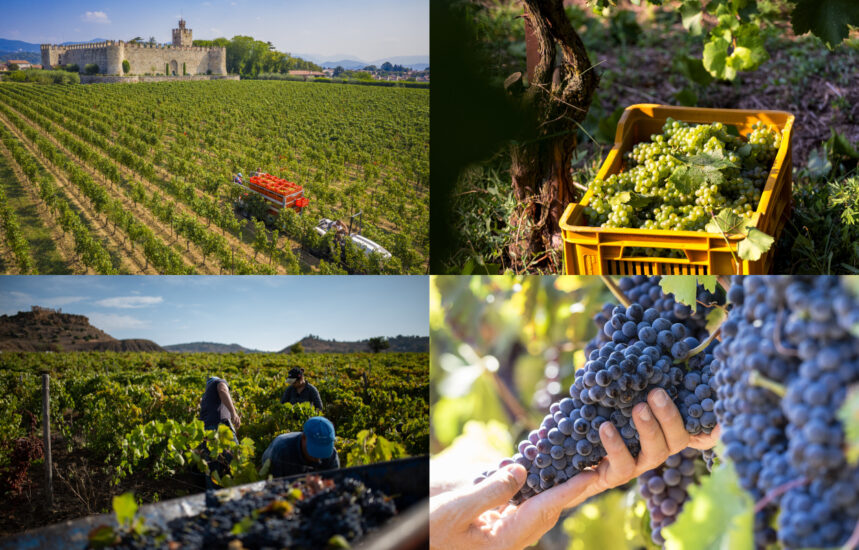
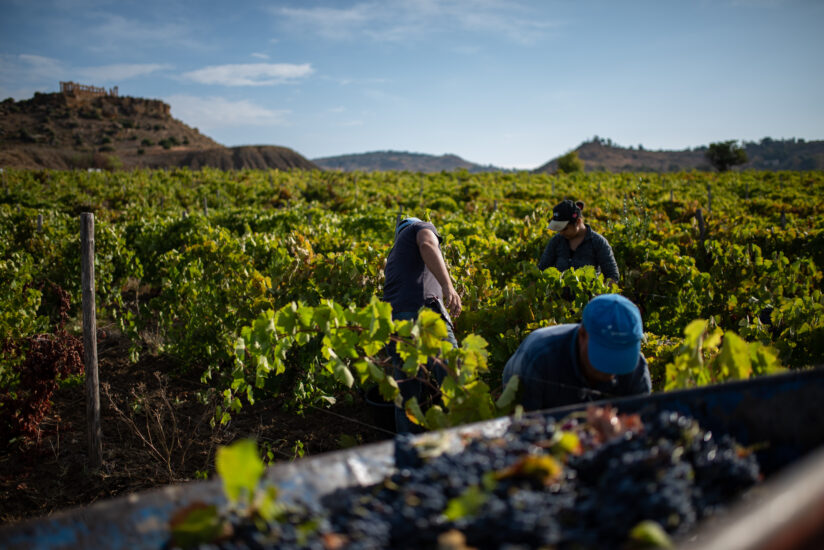
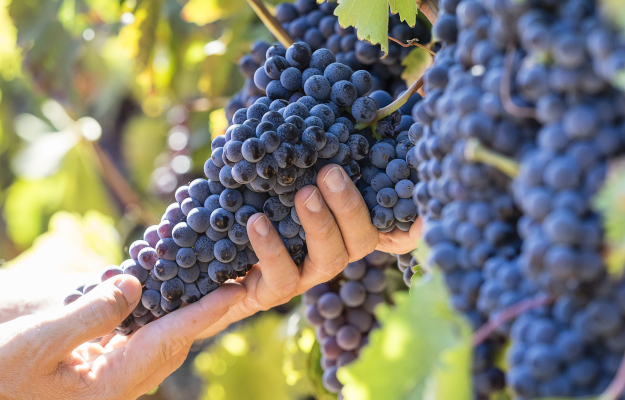
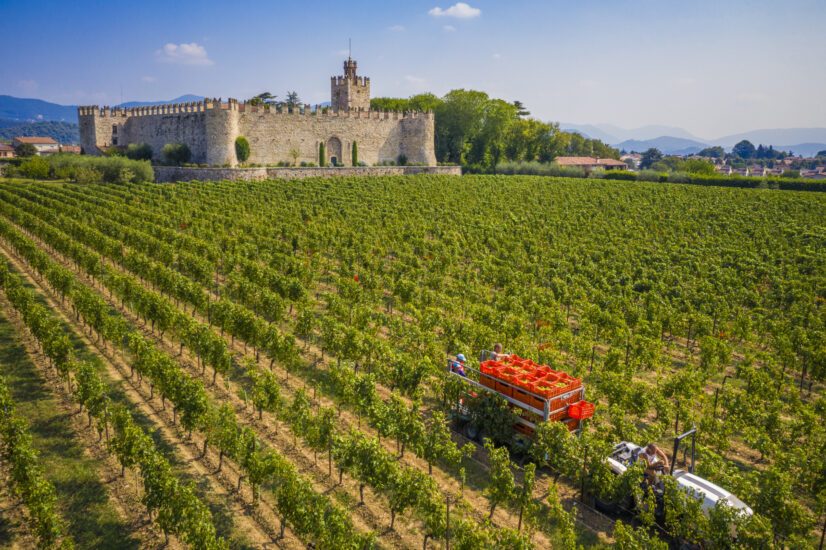
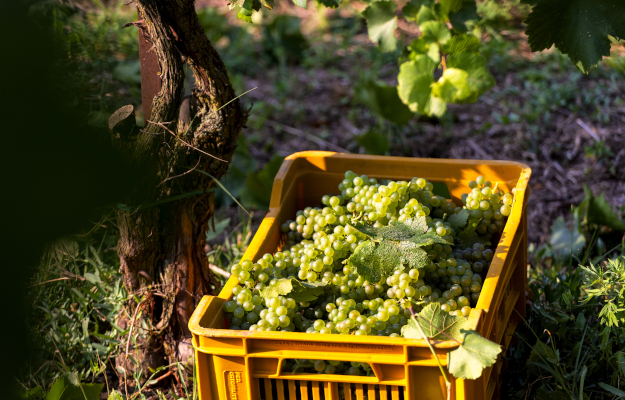
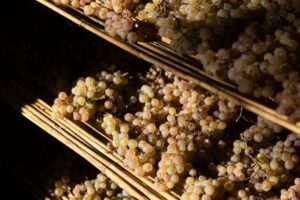
In Franciacorta, one of Italy premier territories for metodo classico sparkling wine production, the earliest grape harvest ever is set to begin tomorrow (as already happened yesterday in neighboring Oltrepò Pavese, ed), while in Sicily, the first grape clusters of a “100-day harvest” have already been picked over the past few days, starting in the easternmost area of the island and ending in the northeast and on the slopes of Mount Etna. Thus, the 2026 grape harvest in Italy is gradually getting underway in two distant regions that, for years, have marked the beginning of the harvest season. More specifically, according to the Franciacorta Consortium, headed by Emanuele Rabotti, the 2026 harvest will begin in Gussago, with the very first grape clusters to be picked tomorrow, July 30th. “For the first time, the grape harvest begins in July, an extraordinary event resulting from increasingly frequent climate fluctuations that require the territory to respond promptly and practically in order to preserve both yields and wine quality. It is the first time that the Franciacorta harvest has started so early compared to the usual period, an occurrence which calls for careful observation of evolving weather conditions, but which once again confirms the region ability to adapt to increasingly more dynamic climatic conditions”.
The early start to the harvest comes in a year characterized by climatic conditions which have required constant monitoring and careful, precise vineyard management. Indeed, 2026 has been marked by alternating weather events - underlines the Consortium - which demanded a great capacity for adaptation. After a winter with no major temperature anomalies, a significant increase in temperatures was recorded between February and April, accelerating the vegetative cycle and causing bud break to occur more than a week earlier than the historical average, thus requiring an earlier harvest. During the spring, Franciacorta also coped with several particularly intense hailstorms. The hail events of May 6th, 11th, and 14th, followed by another on June 10th, affected various areas within the denomination, with differing impacts. However, favorable weather conditions from mid-May onward enabled good fruit set and a regular progression of the growing season. The climatic trend further confirmed the exceptional nature of the vintage. May matched the historical record for the number of days with temperatures exceeding 32 Celsius degrees (89.6 Fahrenheit degrees), while June ranked among the hottest months of the past twenty-nine years, contributing to making 2026 one of the warmest vintages of recent decades. In addition, the Franciacorta Consortium continues, water availability remained below average. Although early summer rainfall helped improve the seasonal balance, cumulative rainfall as of July 12 was still 25% below historical values. The high temperatures and limited water availability slowed vegetative growth during the latter part of the season, particularly in well-drained soils and younger vineyards, without however compromising the normal ripening process of the grapes. The daily work of growers proved decisive, as they were called upon to interpret the specific needs of each vineyard and adapt agronomic practices accordingly. This once again highlighted the importance of human expertise, that “know-how” which is an essential and foundational element of a prestigious denomination such as Franciacorta. From mid-July onward, weather conditions gradually changed. The return of rainfall, although accompanied by further hailstorms, helped restore water reserves, while temperatures returned to seasonal averages, allowing for a more regular ripening process leading up to the harvest.
“Nature sets the pace, and we adapt to its rhythm, carefully observing what happens in the vineyards and responding accordingly - declares Emanuele Rabotti, president of the Franciacorta Consortium - this year, high temperatures and limited water availability accelerated grape ripening, leading us to bring forward the start of the harvest. Our knowledge of the territory and the daily work of our winegrowers enable us to face every season with care and responsiveness, with the goal of preserving the quality of our grapes and wines”. The harvest represents each year the moment when the work carried out throughout the entire growing season comes to fruition. It is a process involving wineries and growers in the stewardship of a territory capable of evolving alongside the climate while remaining firmly committed to quality, sustainability, and the promotion of the denomination. In this effort, the Consortium plays a fundamental role in safeguarding and protecting these values”.
Naturally, the situation is more varied in Sicily, given the size of its vineyards and the diversity of its wine-growing areas. Here, the 2026 harvest begins in Western Sicily with the picking of the first early-ripening white grape varieties. It is a journey of around one hundred days that, from the end of July, crosses the island from Western Sicily to the inland areas, from the Hyblaean Plateau to the slopes of Mount Etna and the smaller islands, showcasing the diversity of territories, grape varieties, and expertise that make Sicily a true wine-growing continent, as explained by Assovini Sicilia, led by the young Gabriella Favara. Who underlines: “the member wineries of Assovini Sicilia share a path centered on quality, innovation, and the constant pursuit of excellence, helping to create value for the territories and the people who safeguard them”, affirms Gabriella Favara (Donnafugata).
“The outlook for the 2026 harvest in Sicily is decidedly positive. Seasonal conditions, characterized by a particularly rainy winter and spring, have allowed for a substantial replenishment of soil water reserves, fostering balanced vegetative and productive vine growth. Furthermore, the limited pressure from pathogens and harmful insects, with only a few isolated cases that were promptly managed, has enabled vineyards to maintain excellent phytosanitary conditions. Even the temperature peaks recorded in July were well handled by the vines thanks to the accumulated water reserves. We expect a harvest of outstanding quality, with wines distinguished by an interesting aromatic profile and a good balance between freshness and elegance”, declares Pietro Pollara, vicepresident of Assovini Sicilia. Recent harvesting trends have seen the end of July become the starting point of Sicily major harvest season. International varieties such as Pinot Noir and Chardonnay, known for their notable acidity levels, are harvested both for sparkling wine bases and for still wines. Western Sicily is yielding “Grillo as a resilient grape variety, capable of coping with difficult climatic conditions. Nero d’Avola and Perricone are also showing excellent vegetative development and, thanks to timely and rigorous vineyard management based on the principles of sustainable agriculture, have successfully withstood major pathogens, preserving the complete integrity of every cluster”, explains Giampiero Vantaggiato, agronomist at Feudo Stagnone & Cantine Birgi. The first grape clusters in Sicily inland areas will not be harvested until the second half of August. Gianfranco Lombardo, owner and agronomist of Tenute Lombardo, talks about excellent “prospects for the harvest, with a rediscovered Nero d’Avola that stands out for new characteristics, and a Catarratto which, we are confident, will distinguish itself through its elegant fruit expression”. The flagship variety of the Ragusa area is Frappato, a name which encapsulates the entire territory and a grape capable of expressing the wine-terroir relationship at its finest. “The Frappato grapes, vigorous and resistant to intense heat - comment Carlo Casavecchia and Gaetana Jacono (Valle dell’Acate) - suggest a complex Frappato, an unconventional red wine, elegant and in tune with the times: a contemporary wine capable of pairing with even the most unexpected dishes on warm summer evenings”. Also in the southeastern area, in Noto, extreme heat is managed, according to Zisola winery technical director Gionata Pulignami, “through the skilled cultivation of bush-trained vines (alberello). The absence of trellising structures allows the free circulation of cooler air currents and sea breezes”. Looking ahead, the vintage is expected to once again emphasize the unique style of this part of Sicily. The hills of the Faro DOC define another distinctive corner of Sicily. Facing north and overlooking the Strait of Messina, they benefit from a microclimate particularly suited to viticulture thanks to the “Strait winds” which create unique conditions for the production of high-quality wines from indigenous varieties such as Nocera and Nerello Mascalese. “High temperatures have had only a marginal impact on the quality of our grape varieties, which are in excellent phytosanitary condition and provide very promising prospects for winemaking”, underlines Gianfranco Sabbatino, co-owner of Le Casematte Winery. Alongside Faro DOC, Mamertino DOC expresses the winemaking tradition of the Messina area through varieties such as Nocera and Nero d’Avola. “We remain cautious and are closely monitoring developments over the coming weeks. It will be important to see how Nocera responds, as it is a variety particularly sensitive to high temperatures”, affirms Antonio Grasso (Feudo Solaria). An island within an island, Sicily archipelagos represent a remarkable example of diversity and uniqueness, completing the highly complex Sicilian wine landscape: “forecasts for Salina, in the Aeolian Islands, are positive and exciting, the result of a season that has found its perfect balance for all the varieties typical of this territory. Starting with Malvasia, we expect exceptionally high quality standards, along with wines of remarkable aromatic complexity and freshness”, notes Pietro Colosi, winemaker at Azienda Agricola Colosi. As for Zibibbo, Pantelleria signature grape variety, “the increase in temperatures has not compromised its excellent performance. On the contrary, it has favored a particularly balanced sugar-to-acid ratio. From the earlier-ripening coastal areas to the later mountain districts, the harvest will be staggered, enabling optimal winemaking management and the achievement of high-quality production”, adds Gianfranco Giacalone, agronomist at Cantine Pellegrino. This journey will conclude with the harvest on Mount Etna, following a lengthy harvesting calendar that will end in the volcano vineyards between mid-September and late October, with possible extensions into early November. Altitude and significant day-to-night temperature variations are fundamental factors in preserving grape complexity. “Favorable climatic conditions and the continental climate of Europe highest active volcano allow for a harvest of healthy Nerello Mascalese and Carricante grapes, with excellent aromatic expression and an interesting balance between phenolic ripeness and acidity. These are the unique and defining characteristics that distinguish Etna wines”, affirms Salvatore Rizzuto, winemaker at Gambino winery. Thus, the 2026 harvest, long and unusually early, is gradually moving into full swing.
Copyright © 2000/2026
Contatti: info@winenews.it
Seguici anche su Twitter: @WineNewsIt
Seguici anche su Facebook: @winenewsit
Questo articolo è tratto dall'archivio di WineNews - Tutti i diritti riservati - Copyright © 2000/2026