


Thursday 24th of September 2026 - Last Update: 13:06





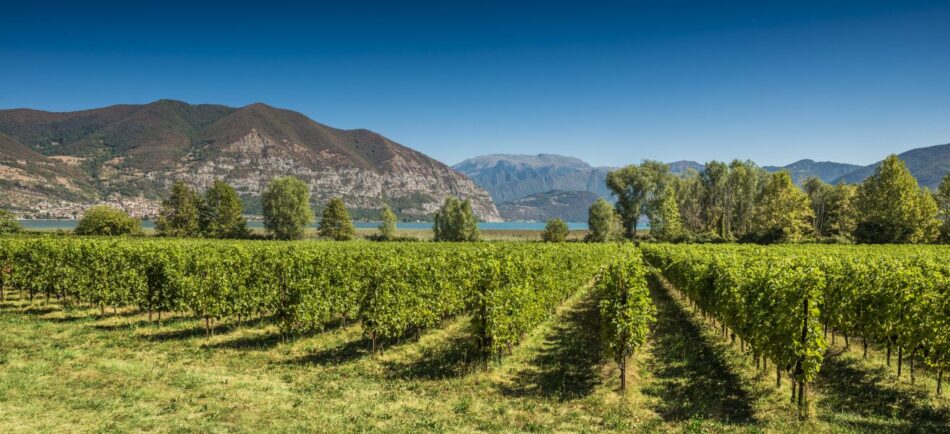
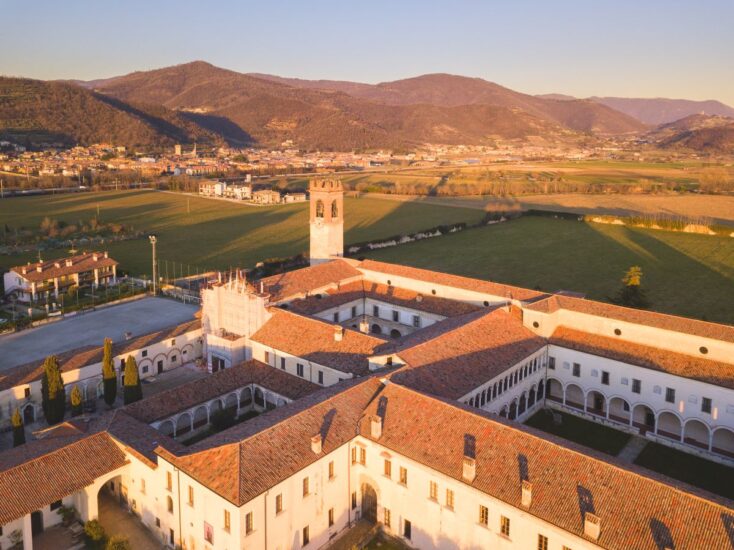
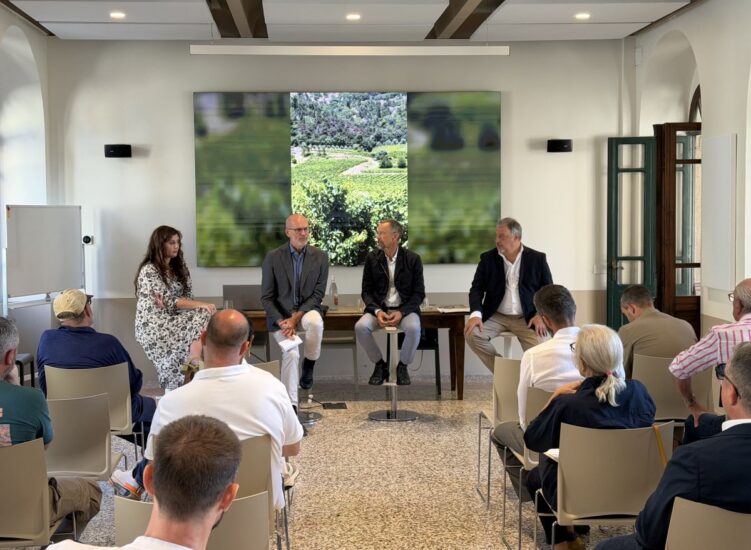
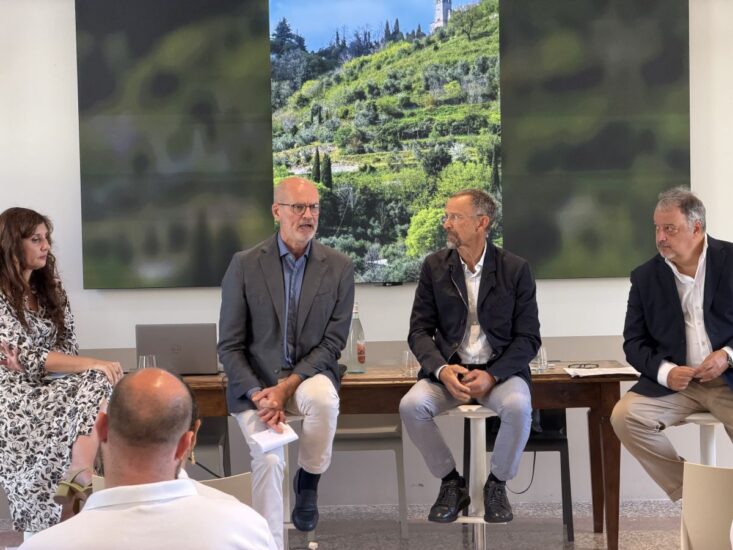
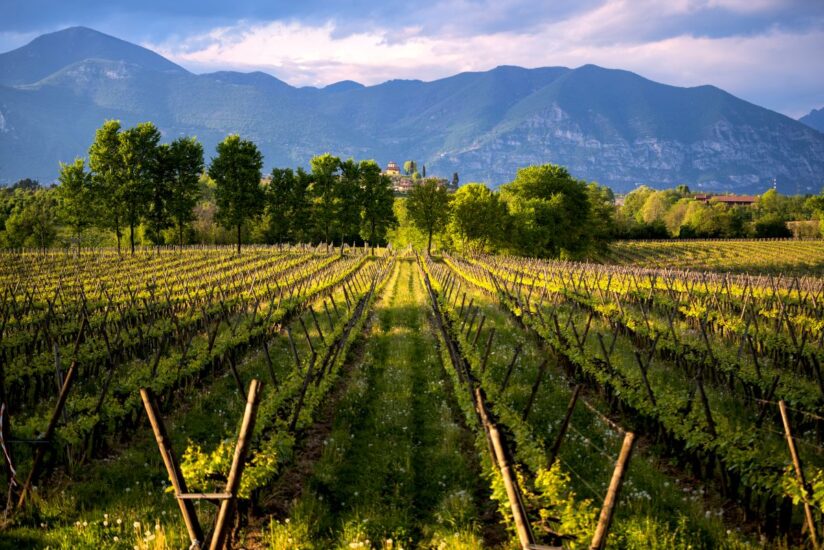
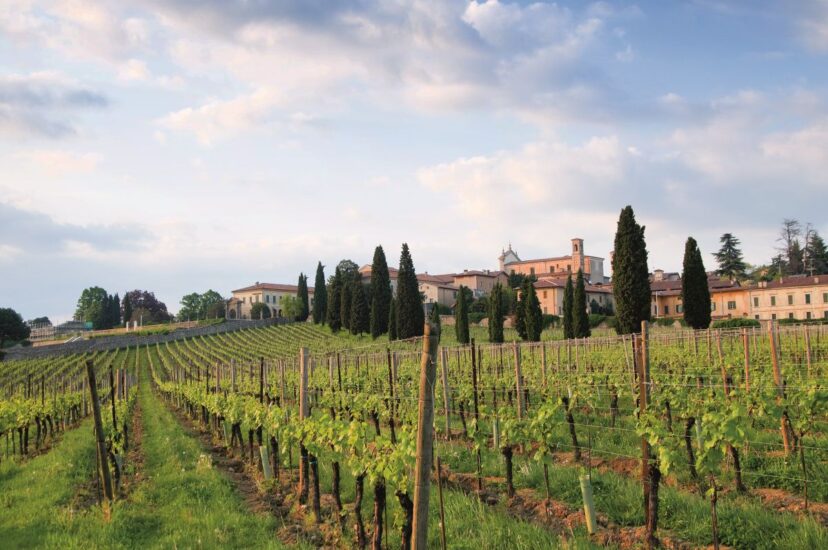
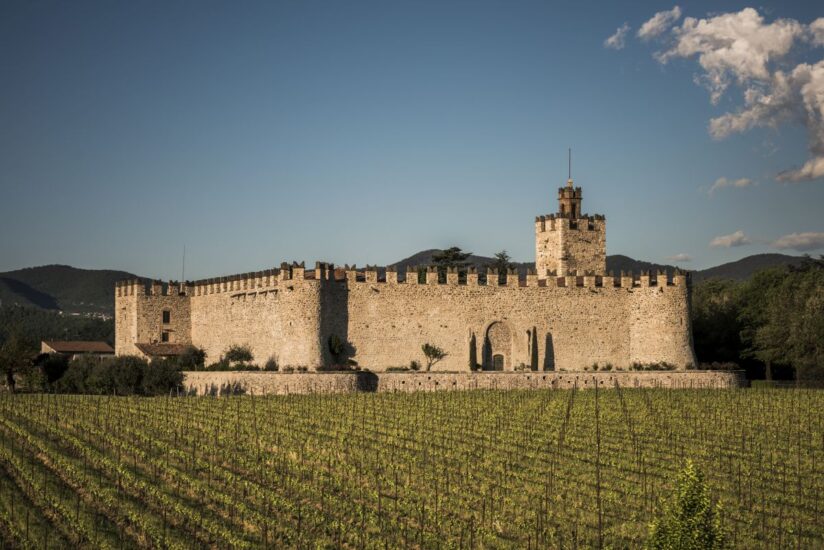
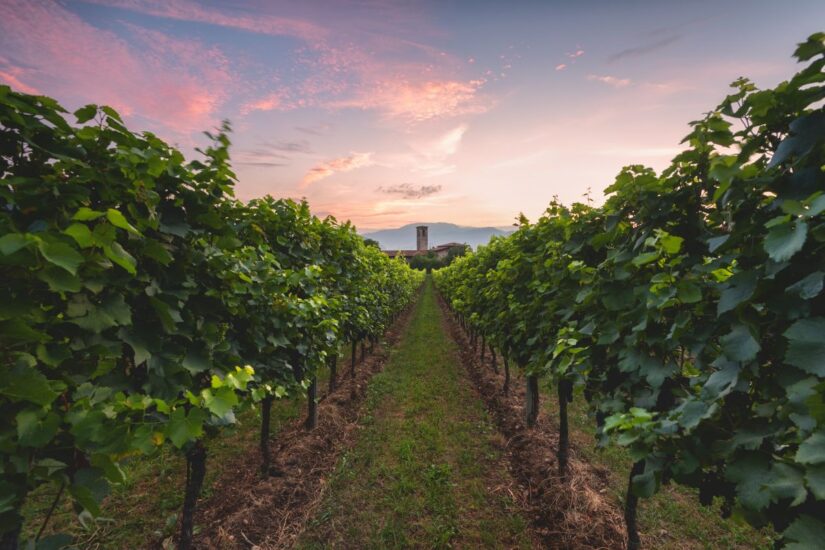
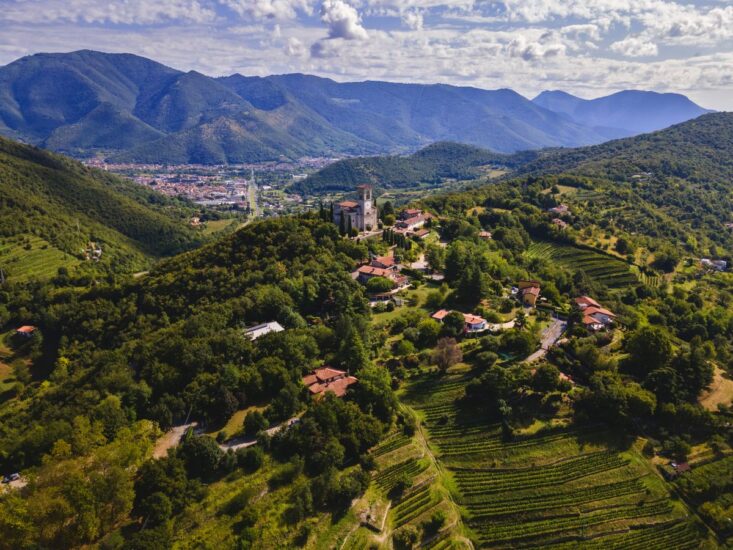
The landscape, meant as a cultural identity to be cultivated and protected, is a broad and complex subject with significant implications for the future of wine-growing areas and beyond. It is an issue which involves cultural, regulatory, climatic, agronomic, economic, and anthropological aspects, in a continuous challenge to find a balance between conservation and progress, protection of history and the needs of contemporary life (and economy) within local territories, environmental and architectural heritage preservation, and the requirements of productive activities and more. It is also a deeply felt issue in some of the most important wine regions, which in many ways are at the forefront of land management and the balancing of the many factors mentioned above, such as Franciacorta. The Consortium which protects the designation of Lombardy prestigious Metodo Classico sparkling wines, headed by Emanuele Rabotti, placed this topic at the center of the “Festival Franciacorta in Cantina”, Italy premier wine territory event. The festival successfully combines convivial experiences, open wineries, wellness, and entertainment with opportunities for deeper reflection, such as the discussion held at the ancient Franciscan convent of Rodengo Saiano. Managed by Father Luigi Cavagna, the convent hosts the Symposium Academy, a higher technological institute (Its Academy) specializing in advanced vocational education in the agrifood, wine, marketing, and tourism sectors, directed by Luca Nobili. The event featured contributions spanning history, art, philosophy, legislation, agronomy, and more, from prominent figures including Armando Castagno, renowned writer, journalist, wine critic, art historian, and lecturer at the Treccani Academy; Fiona Colucci of the Superintendency for Archaeology, Fine Arts, and Landscape for the Provinces of Bergamo and Brescia; Marco Pilotti, president of the Sebino Peat Bogs Nature Reserve and full professor of Hydraulic Engineering at the University of Brescia; and Pierluigi Donna, agronomist and co-founder of Studio Agronomico Sata, one of Italy leading agronomic consulting firms.
“The image we have of landscape is mediated through art: literature, painting, and photography - began Armando Castagno, writer, journalist, wine critic, art historian, and lecturer at the Treccani Academy - the French understand this well. Along the Provençal A8 motorway near Aix-en-Provence, a brown tourist sign points to the ‘Landscape of Paul Cézanne,’ as though the Provençal landscape, and particularly Montagne Sainte-Victoire, the mountain massif that the Post-Impressionist painter depicted in countless works, had been revealed in its existence and monumental presence not by topographical or geographical maps but by a painter who fixed in our minds the image we know today. Likewise, to give an Italian example, the image we have of Venice, mysterious and with blurred, undefined contours, depends on the way the lagoon city was portrayed by Romantic painters, Turner foremost among them, and later by Monet and our finest photographers, who captured its elusive character more than the precise landscape rendered by Canaletto and the eighteenth-century painters”. In his historical overview, Castagno could not fail to mention Luigi Ghirri, one of the foremost masters of twentieth-century Italian photography, renowned above all for revolutionizing the representation of the Italian and European landscape. For Ghirri, landscape was no longer merely a postcard-like slice of nature or a geographical space to be documented, but a “landscape-thought” connected to memory, inner life, and cultural identity. “While Ansel Adams, the celebrated American environmental photographer and one of the fathers of black-and-white landscape photography, theorized a clear separation between untouched nature and the human-built environment - explained Castagno - Ghirri conceived landscape as a place where culture intervenes in nature in a wise and measured way. In reality, it is always human beings who intervene in nature, even if within the limits established by law. The crucial issue then becomes the protection of landscape, or rather of the many landscapes which, as in Franciacorta, have been constructed as pieces of a mosaic of cultural identities”.
The subject of the subjective perception of landscape was addressed by Fiona Colucci of the Superintendency for Archaeology, Fine Arts, and Landscape for the Provinces of Bergamo and Brescia. “Each of us sees landscape differently, according to our own culture and experiences. It is a filter through which we observe reality, and landscape is the reality that surrounds us, not only in its physical dimension. It is the terroir of the soul, the way we perceive ourselves within the whole. Just as, in life, we must take care of ourselves, body and soul, in order to grow and not waste away, so too must we care for that ‘whole’ which is an extension of ourselves. There is also a practical aspect that can encourage protection: landscape is a territory’s calling card, and in Franciacorta it is especially so for wine tourists”.
“Landscape and environment are two distinct realities - argued Castagno - the environment is the context, the complex network of relationships among various elements, which exists and can be studied in itself. Landscape, on the other hand, is the way this system of relationships appears externally, and it can’t exist without the presence of an observer. The protection of landscape is all the more urgent because it is elusive, like all manifestations of beauty in our lives. In the aftermath of the Second World War, faced with the destruction caused by bombing, the founding fathers of the Italian Republic, particularly Aldo Moro, then a young representative of the Christian Democratic Party, and Concetto Marchesi, a Latin scholar, professor emeritus, former rector of the University of Padua, and a communist, agreed to include in Article 9 of the Constitution the protection of landscape and of the historical and artistic heritage, alongside the promotion of culture and research. With remarkable foresight, they entrusted this responsibility to the Republic rather than solely to the Regions, which were considered more vulnerable to local pressures. Later, in 2022, Constitutional Law No. 1 of February 11th introduced provisions concerning the environment, ecosystems, and animal welfare, issues that had not been contemplated in the original 1947 text”.
“Over time, the concepts of landscape, already present in Article 9 of the Constitution, and of the environment have progressively diverged - observed Colucci - in 1974, in response to growing concerns about pollution and emerging environmental movements, Giovanni Spadolini included environmental matters among the responsibilities of the newly established Ministry for Cultural and Environmental Heritage, of which he became the first minister in the government led by Aldo Moro. Today, there is an artificial separation between these two concepts, which has no real justification, because landscape is the environment: it is the connective tissue in which we live. We are part of a whole that is landscape. Cultural heritage, too, is landscape, because it expresses our way of living”.
The current idea of landscape is the result of a long evolution. It begins with the vision of Benedetto Croce - one of the most influential Italian and European philosophers, historians, literary critics, and political figures of the twentieth century - for whom the value of landscape was essentially aesthetic and idealistic. It then progresses to the definition adopted by the European Landscape Convention, signed in Florence in 2000, which describes landscape as “an area, as perceived by people”. Attention thus shifts from the object, that is, beautiful nature itself, to the subject, namely the community that experiences it. Landscape becomes a key element of both individual and social well-being. The third paragraph added to Article 9 of the Italian Constitution by Constitutional Law No. 1 of February 11th, 2022, states that the Republic “protects the environment, biodiversity and ecosystems, also in the interest of future generations” and that “State law shall regulate the methods and forms of animal protection.” The reform explicitly incorporates the protection of nature and animals among the fundamental principles of the constitutional order and introduces, for the first time in the Constitution, the concept of responsibility toward future generations.
“Landscape refers to a physical place and can be identified by a geographical name”, continued Castagno, focusing on Franciacorta. “In the perception of outsiders, Franciacorta is identified with its wines: a cultural sphere that shapes the landscape and brings together, within a single geographical area, nature, culture, taste, and know.how, in other words, terroir. Producers have made Franciacorta almost synonymous with a specific category of high-quality wine. The Constitution grants everyone both the opportunity and the responsibility to protect the landscape: first and foremost politicians and public administrations, but also those who have helped create the terroir, namely the producers. In Italy, there are unfortunately places where exceptional wines and agricultural products are produced, yet when traveling through the area one barely realizes they are in an agricultural district. Municipal boundaries are defined with administrative precision, but they can’t determine where a landscape or a terroir begins or ends. In my opinion, developing this awareness is essential for the future of Franciacorta”.
Landscape is protected through quality planning and design, but also through the care and maintenance of what already exists. “In Franciacorta - explained Colucci - the protected areas are not particularly numerous and therefore the Superintendency, sometimes perceived as a nuisance, can only have a limited impact on land management. As a result, enormous responsibility falls on local administrations, which possess a fundamental tool: the Territorial Governance Plan. However, this plan is always the outcome of compromises concerning issues that have dragged on for decades, such as legitimate expectations to develop areas of strategic logistical importance. At a higher level there is the Regional Landscape Plan, which must be agreed upon with the Ministry of Culture and which every region should adopt. Lombardy plan has been stalled for many years: a great deal of work has been done, but finding a point of balance is difficult and the process will still be a long one. As for historic town centers, I believe one of Franciacorta priorities should be the preservation of its noble residences and historic palaces, on which we are often able to intervene only in emergency situations, when unsuitable works are brought to our attention”.
“In Franciacorta, as elsewhere - added Castagno - the utmost attention must be paid to the regulation of buildings and “constructed elements”. This was already affirmed by Leon Battista Alberti, one of the most important architects, writers, and art theorists of the Italian Renaissance, in “De re aedificatoria”, published posthumously in 1485. What is built remains, and can potentially become a bomb planted within the landscape. Architecture and urban development are extraordinary drivers of collective well-being and economic growth, but they must be subject to the highest possible level of rigor in order to protect places and landscapes”.
Human economic activities often alter the harmony of the landscape; achieving a balanced coexistence is desirable but difficult. This point was emphasized by Marco Pilotti, president of the Sebino Peat Bogs Nature Reserve (Torbiere del Sebino) and full professor of hydraulic engineering at the University of Brescia. Using the Sebino Peat Bogs as an example, Pilotti highlighted the need for a comprehensive view of the territory, because all the natural and economic elements that exist within it are closely interconnected. The protection of the Sebino Peat Bogs, recognized as a Nature Reserve in 1984 and as a Wetland of International Importance under the 1971 Ramsar Convention, depends on human action, the safeguarding of the hydraulic network, and water quality. These wetlands once represented an economic resource through the extraction of peat and later clay; today they constitute an area of exceptional biodiversity and an important tourist destination, attracting between 60,000 and 70,000 visitors annually.
“We must remember that people are a fundamental component of the landscape - underlined Pilotti - and in order for them to inhabit it, economic activities must exist. We are therefore all called upon to identify solutions capable of reconciling the protection of the landscape, and more generally of the environment that we will pass on to future generations, with the development of economic activities. I am convinced that the landscape of Franciacorta, in the holistic sense of the term, can preserve its identity while continuing to evolve. This requires, above all, a growth in the technical expertise of those who work there and a greater level of awareness among those who live there and represent it within public institutions”.
The transition from theory to practice, however, presents many challenges. “Not everyone has this level of awareness and, at times - observed Colucci - the laws themselves don’t encourage it. In Italy, the regulatory framework makes management complex. During the Renaissance there were individuals capable of bringing together different and even widely divergent fields of expertise; today, by contrast, the main challenge lies in the fragmentation of knowledge and responsibilities. We should recombine them and direct them toward a higher purpose, serving the community while also safeguarding legitimate private interests”.
The foundation of a virtuous landscape management is cultural evolution. This was underlined by Pierluigi Donna, agronomist and co-founder of Studio Agronomico Sata.
“The culture of farmers, winegrowers, and public administrators is also influenced by the people who live in the area - affirmed Donna - I consider this connection to be extremely important: it is precisely cultural evolution that is guiding our work as consultants and shaping our relationship with those who manage viticulture. It is a mistake to believe that caring for the landscape, for what surrounds or lies within cultivated areas, is possible only in the most profitable agricultural regions. In South Tyrol, a particularly prosperous territory, for example, one encounters orchards with unmanaged grassy margins and rows of sunflowers; yet I have also seen extraordinary examples of land stewardship in Central Africa, where agriculture provides little more than a subsistence income, characterized by a level of care that is genuinely moving. This is, above all, a cultural matter”.
“Climate change - continued Donna - is also gradually transforming our concept of landscape beauty. We are moving from an appreciation of the order represented by a geometric, precise, and uniform form of viticulture toward an appreciation of a managed form of disorder, one which enhances vine resilience through the shade of trees and the strengthening of biodiversity. This is a different interpretation of landscape, in which Franciacorta is at the forefront, although there is still much to learn about the relationship between these functions and landscape quality. As Studio Agronomico Sata, we work throughout Italy, and I know of no other area where the Consortium, companies, research institutes, and organizations such as Fondazione Lgh collaborate with the same intensity. This creates opportunities, often driven by the companies themselves, such as the launch of a new multidisciplinary territorial zoning project, which no longer includes only traditional soil and climate analyses but also the measurement of biodiversity and the study of the relationships among the soil organisms responsible for fertility. These organisms contribute to the evolution of organic matter, strengthen the system resilience to climate change, and improve its overall quality”.
This evolution has brought the Franciacorta region closer to a new relationship between agriculture and landscape, based on agroforestry, a field to which several wineries and farms are now dedicating significant attention. In viticulture, agroforestry represents an alternative to monoculture and a tool for mitigating the impacts of climate change. The planting of trees, shrubs, and hedgerows within or along the edges of vineyards makes it possible to create complex ecological systems and biodiversity corridors that run through vineyards and connect natural habitats such as woodlands.
“The organizations that embark upon the innovative path of agroforestry within a territory - explained Donna - also become models for others to follow. For this reason, the data and results obtained must be shared and disseminated so that they become a common heritage.
There are very few areas, even at the European and global levels, which are experimenting with these issues as intensively as Franciacorta. There is no alternative to working within one’s own territory, because every soil and climate context is different. In collaboration with the Universities of Brescia and Milan, and with the support of predictive models, we are trying to understand which plant species will be best suited to the conditions which will emerge in thirty or fifty years. Landscape management capable of combining utility and beauty, function and aesthetics, requires diverse expertise and a multidisciplinary approach, one that is also aligned with society growing sensitivity toward diversity. The most important element in increasing awareness and understanding of these issues - concluded Donna - is the education of younger generations, beginning in primary school”.
Copyright © 2000/2026
Contatti: info@winenews.it
Seguici anche su Twitter: @WineNewsIt
Seguici anche su Facebook: @winenewsit
Questo articolo è tratto dall'archivio di WineNews - Tutti i diritti riservati - Copyright © 2000/2026