


Monday 21st of September 2026 - Last Update: 12:58






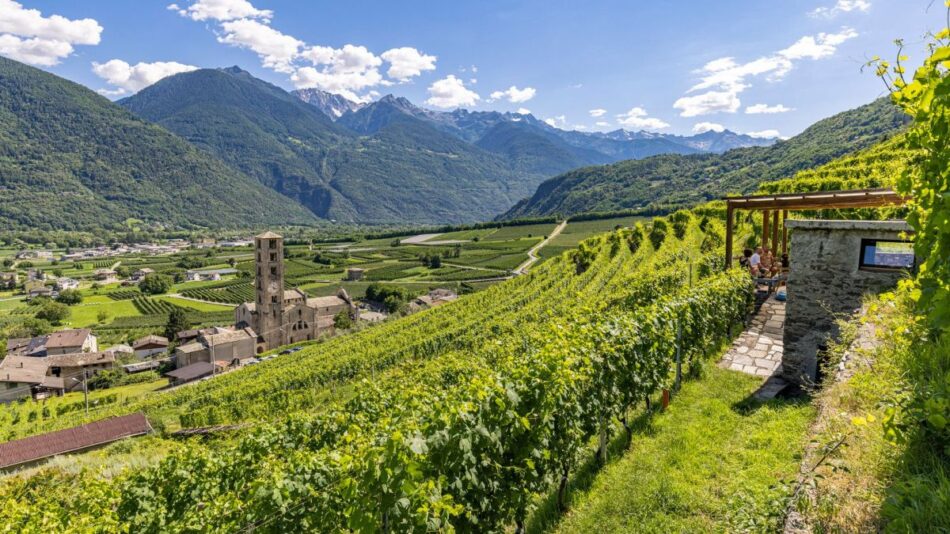
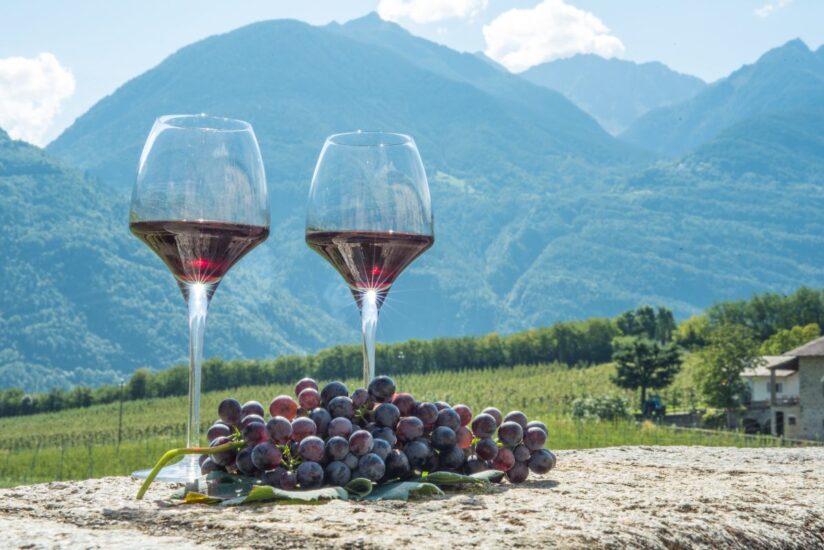
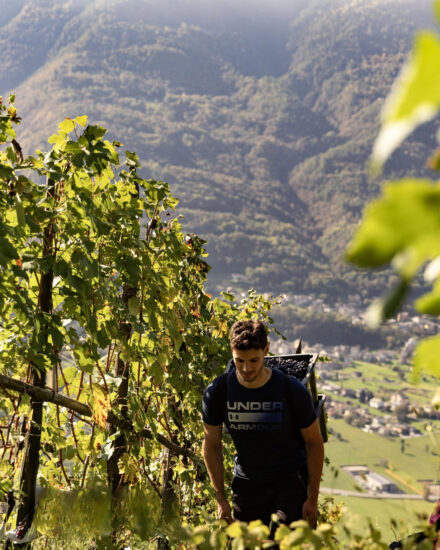
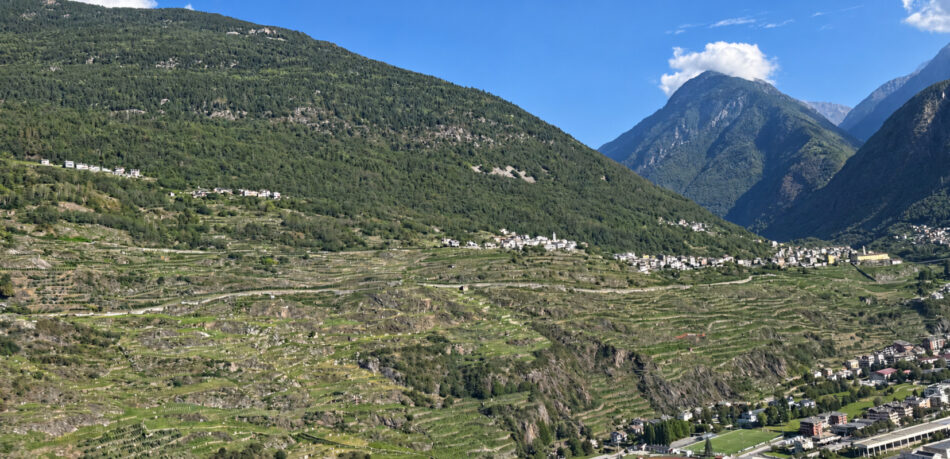
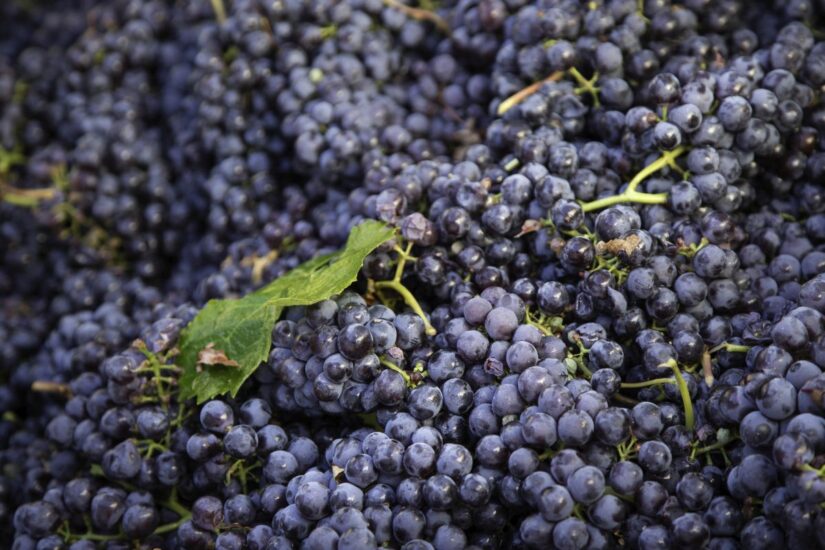
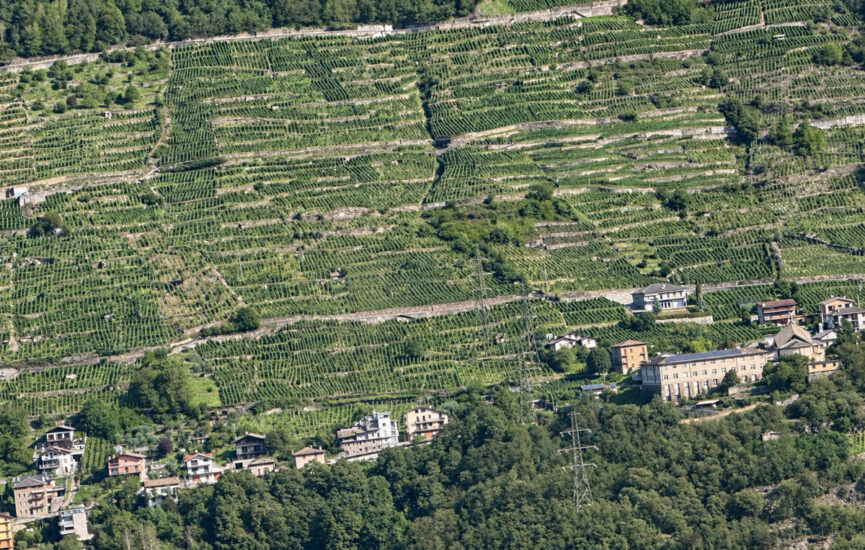
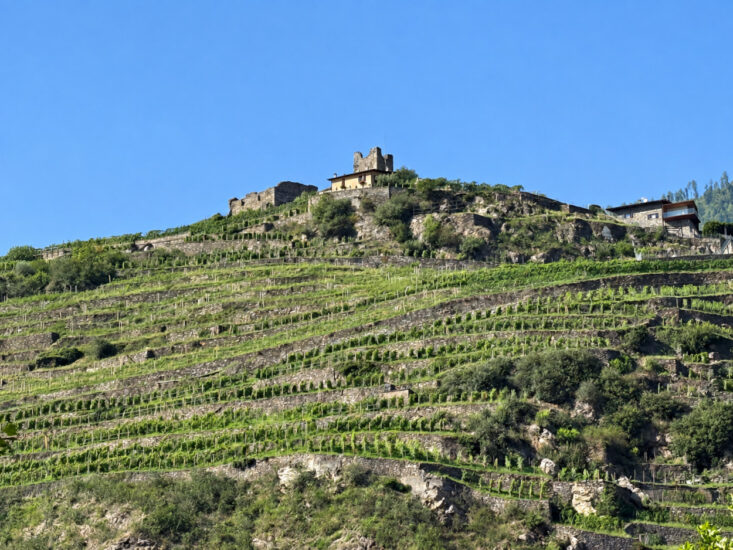
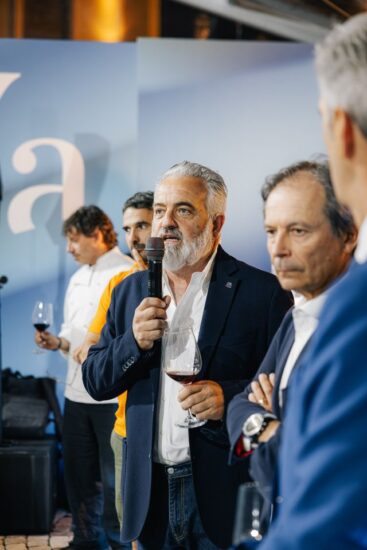
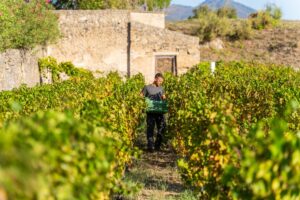
A valley nestled between mountains and vineyards, stretching for more than 120 kilometres along the Adda River, between Lake Como and Switzerland, and home to Italy largest terraced wine-growing area: 750 hectares of vineyards climbing to 800 metres above sea level, supported by more than 2,500 kilometres of dry-stone walls. This is Valtellina, a landscape which tells the story of its wines, where viticulture is not merely an agricultural activity but a genuine cultural heritage, reflecting a perfect balance between nature, tradition and human ingenuity. The terraced landscape is a collective work of art, shaped by centuries of work and rural craftsmanship, earning recognition as one of Italy Historic Rural Landscapes and Unesco Intangible Cultural Heritage for the art of dry-stone wall construction. 90% of the vineyard area is planted with Chiavennasca, the local name for Nebbiolo, which, according to Attilio Scienza, professor of Viticulture at the University of Milan and one of the world leading experts in the field, may in fact be a biotype originating in Valtellina. “Historical records suggest this, but above all genetic evidence - illustrated Scienza - Valtellina wines made from Nebbiolo grapes were already being exported by the Grisons as early as 1250, highlighting the grape economic and political importance for the region. Modern genetic analysis techniques have made it possible to reconstruct Nebbiolo genealogy and identify its relatives. What has emerged is a greater genetic variability in this area, with a remarkable mix of genotypes, pointing to Valtellina as its place of origin”. An exceptional yet fragile winegrowing region, Valtellina must continue to enhance its profile by increasing awareness and recognition of its red wines, whose excellence is intrinsically linked to both the grape variety and the territory itself: Chiavennasca and the steep slopes at the foot of the Alps. This is one of the aims of “ViVa Vini di Valtellina” 2026, the event promoted and organized by Consorzio Vini di Valtellina, in collaboration with the Valtellina Wine and Food Route and Fondazione Provinea, which plays a crucial role in safeguarding and promoting the terraced landscape. The second edition - recently held in Sondrio, featured the conference “Chiavennasca, the Nebbiolo of the Alps” and, so to speak, cast its gaze toward the future. At a time which is generally favorable for Valtellina wines, the discussion focused on both current and upcoming challenges: strengthening the identity and recognizability of their origin by streamlining production regulations, including those governing the Valtellina Superiore DOCG subzones, with a proposal to increase their number from five to nine without altering the production area - adapting to climate change; and reducing production costs, which remain particularly high in steep-slope vineyards.
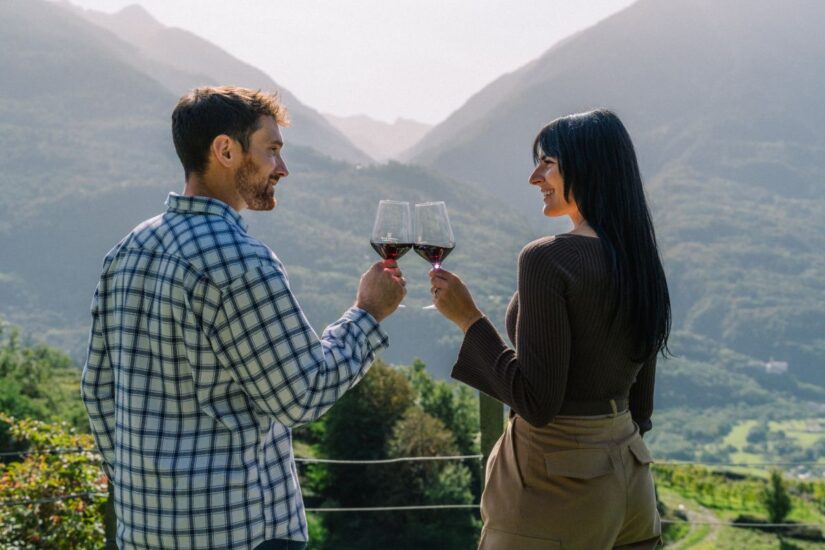
“The trend for our wines, which are elegant, refined and highly drinkable, is positive, but Valtellina is still better known for its tourism offering than for its red wines - Mamete Prevostini, producer and president of the Consortium, told WineNews - for this reason, our promotional efforts must place the terraced vineyards and dry-stone walls at the center of the story, creating memorable experiences for visitors while showcasing the unique qualities of Chiavennasca-Nebbiolo wines. The number of international visitors is growing, especially from France, and we are confident in the positive word of mouth generated by tourists visiting Valtellina and Lombardy, particularly Milan and the lake districts, which represent potential markets for local wines. Interest is also increasing among producers themselves. Compared to the first edition of “ViVa”, more wineries organized activities such as vineyard trekking, e-bike tours and similar experiences”.
However, establishing a stronger presence in Milan, a highly competitive market crowded with domestic and international wines, is no easy task, particularly for regional producers. “Our goal is to change perceptions of Valtellina wine through greater collaboration among producers, restaurateurs and retailers, promoting it as a unique and engaging experience that goes beyond traditional activities”, continued Prevostini. Another key issue is the language used to communicate wine. “It needs to be more accessible and less technical, focusing on pleasure and enjoyment in order to attract a broader audience, highlighting the essential characteristics of the wines rather than technical details. Wine is synonymous with conviviality and enjoyment; it is an experience that should be accessible to everyone. We also have an extraordinary quality-to-price ratio compared with many wines around the world. We therefore have all the ingredients needed to make a strong impression in both established and emerging markets”.
The future of Valtellina viticulture, which truly deserves the label “heroic”, lies in the generational transition that has been underway for some time, despite the extremely challenging growing conditions. “It is not only about generational renewal, but also about the arrival of new investors, which represents an opportunity to strengthen Valtellina wine position on the international stage - confirmed the Consortium president - young professionals, who are highly qualified, curious and cosmopolitan, are becoming a key driving force”. All the ingredients are in place for a promising future: generational turnover, a limited reduction in vineyard area confined to the most remote and difficult sites, no significant stocks apart from wines undergoing ageing, and a premium price positioning, a necessary, though not sufficient, condition for sustaining the high production costs associated with winemaking in Valtellina.
That future will also be supported by the efforts of both the Consortium and the Provinea Foundation to identify technical solutions capable of simplifying vineyard management and therefore reducing costs, as well as by a reorganization of the denomination system through proposed amendments to the production regulations currently under review in Rome. Valtellina is the only wine region in Italy with two DOCG denominations which share the same production area and grape variety, Nebbiolo, known locally as Chiavennasca: Valtellina Superiore and Sforzato (Sfursat) di Valtellina. These are accompanied by the Rosso di Valtellina DOC and the Alpi Retiche IGT. “We have completed an intensive study lasting approximately two years in order to develop the set of amendments submitted to the Ministry - explained Marco Fay, wine producer and board member responsible for the project - we examined the entire production area, worked on defining additional subzones within the Valtellina Superiore denomination, and analyzed the historical upper limits of viticulture on the terraces, based on aerial photographs dating back to 1975. At that time vineyards reached elevations of around 1,000 metres. This research supports our proposal to raise the upper altitude limit of the Rosso di Valtellina DOC, currently set at approximately 700 meters. Such a change would also allow grapes grown at higher elevations to be used for Sforzato DOCG production, since the Alpi Retiche IGT, which currently applies above 700 metres, does not permit the grape-drying process required for Sforzato”. Today, not all of the Valtellina Superiore DOCG area is divided into officially recognized subzones. There are currently five: Maroggia, Sassella, Grumello, Inferno and Valgella. The remaining territory is simply labelled “Valtellina Superiore”, without any geographical indication on the label. “This creates confusion - Fay told WineNews - to provide a more precise indication of the origin of Valtellina Superiore wines, we believe that all remaining areas should also be identified as subzones. Ultimately, we are proposing the creation of four new subzones, bringing the total to 9, while leaving the existing ones unchanged. In this way, the entire denomination would be clearly identifiable, eliminating ambiguity in terms of both quality perception and communication. These amendments, which have received unanimous support from producers, are designed not only to preserve production levels and maintain acidity in the wines, but also to increase the vineyard area by around 200 hectares. This expansion would allow a greater number of wineries to operate within the denomination while ensuring continued maintenance of the terraced landscape”.
“ViVa Vini di Valtellina” also provided an opportunity to present the latest release of Valtellina Superiore DOCG, the 2024 vintage. The defining feature of Valtellina is its territorial diversity, both in terms of altitude and the structure of its terraced vineyards. As a result, the climatic conditions of each vintage have different effects depending on the characteristics of individual sites. “It was a rainy year, and the terraces with shallow, highly draining soils performed exceptionally well. They supplied the vines with the precise amount of water needed to complete the growing cycle while simultaneously removing excess moisture through the dry-stone walls - explained Mattia Dell’Orto, head of Research and Development at Consorzio Vini di Valtellina - vertical, floral and juicy, the 2024 Valtellina Superiore expresses tension rather than power, balancing the structure provided by fully ripened grapes. The Consortium is implementing strategies to address increasingly variable and extreme vintages. It is essential to foster a culture of research and innovation, pushing beyond the boundaries of traditional viticulture in search of new solutions, not only in terms of vineyard technologies, particularly for protection against diseases and pests, but also in developing innovative ways of telling the story of Valtellina and communicating its unique nuances, which can vary significantly from one area to another and from one vintage to the next”.
Analyzing sixty years of agro-climatic data from Valtellina, Gabriele Cola, agrometeorologist at the University of Milan, with whom the Consortium and the Provinea Foundation have launched a research collaboration, highlighted that there is no consistent relationship between temperatures and rainfall from one vintage to another.
“This context of greater variability - he explained - results in a higher overall temperature level, which amplifies the differences between vintages. For this reason, having broad genetic variability within the vine population provides more tools for coping with challenging climatic conditions. Climate change affects each area differently and, in the case of Valtellina, conditions have so far been generally favorable. Analysis of data from the past twenty years shows that rising temperatures lead to earlier spring flowering, but this does not translate into stress for the vines. Instead, it has generally created ideal growing conditions. This causes ripening periods to shift, but in Valtellina they still fall within a favorable and highly interesting window, helping vines avoid significant stress on average. Nevertheless, it is essential to monitor future developments carefully, because the 2026 season proved particularly challenging. However, it should not be regarded as the new normal, but rather as a possibility for which we must be prepared”.
On the need to develop vines that are resilient to climate change, Attilio Scienza, drawing on the latest research findings, outlined a possible path forward. “Clonal selection of grape varieties such as Chiavennasca - he explained - should include the study of epigenetics, which examines changes in gene expression that occur without altering the Dna sequence itself. Mutations can occur in either Dna or Rna, and the latter are stable and represent adaptations to environmental stress. Thermal and light stress trigger epigenetic changes in plants, activating previously dormant genes that produce adaptive compounds and help the vine respond to climatic conditions. Plants retain a form of “memory” of these experiences, and that memory influences how they respond when exposed to similar environmental changes in the future”.
Copyright © 2000/2026
Contatti: info@winenews.it
Seguici anche su Twitter: @WineNewsIt
Seguici anche su Facebook: @winenewsit
Questo articolo è tratto dall'archivio di WineNews - Tutti i diritti riservati - Copyright © 2000/2026