


Sunday 20th of September 2026 - Last Update: 21:57






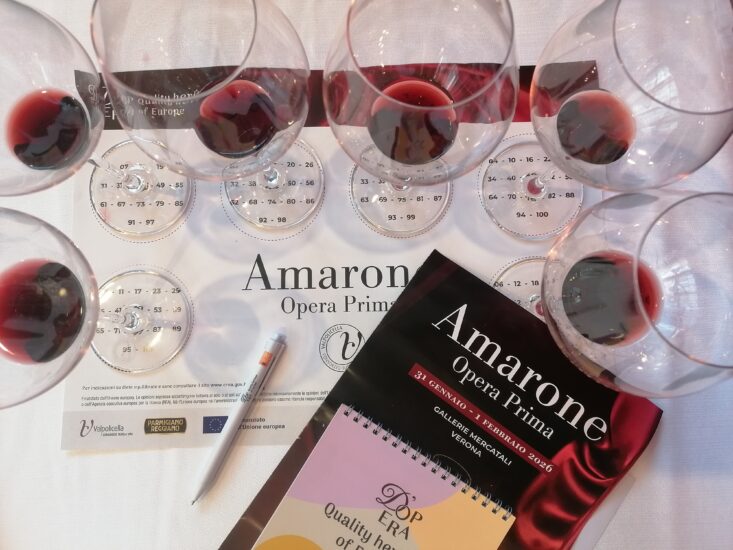
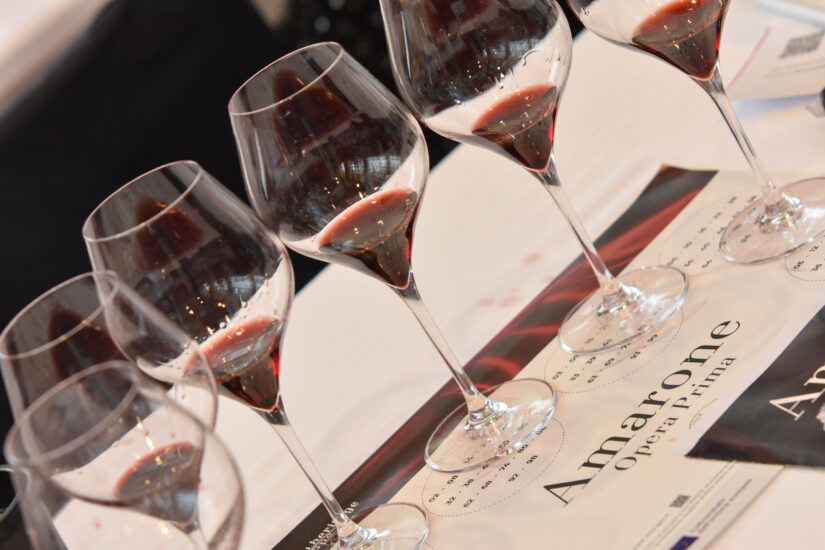
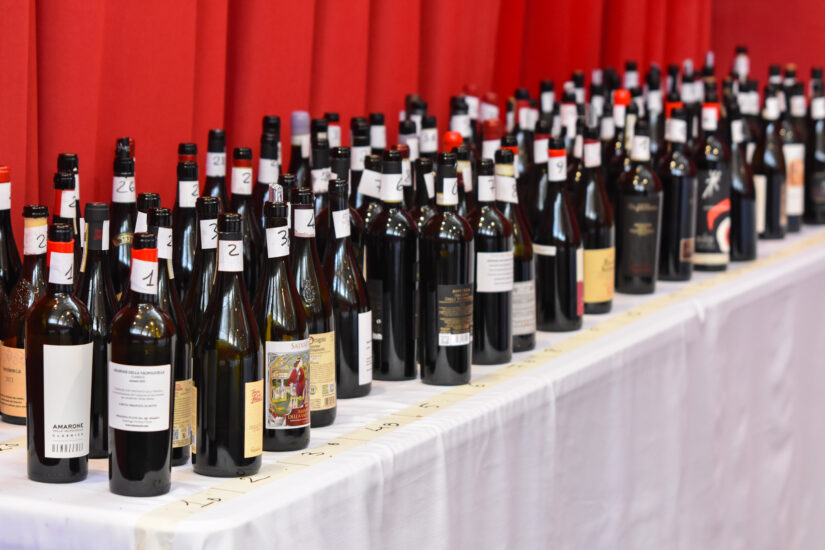
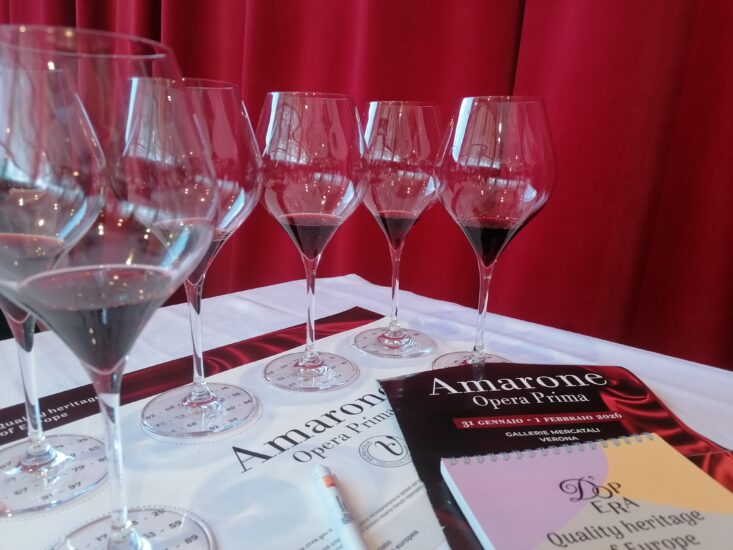
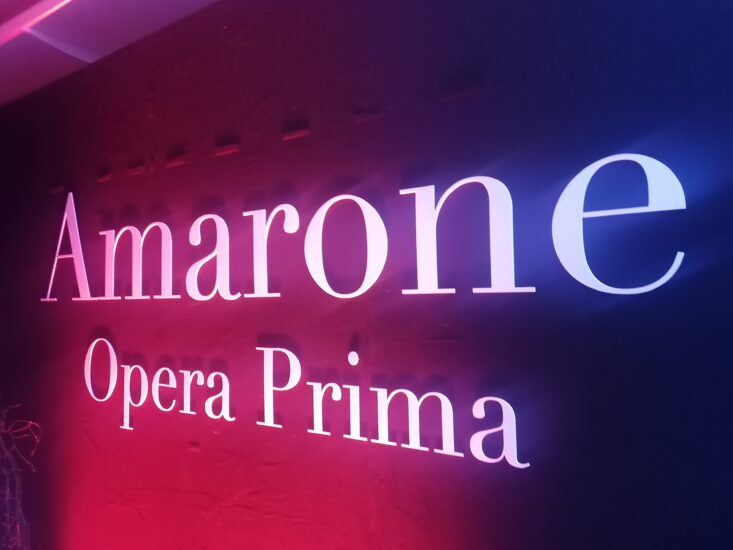
2021 wasn’t an easy vintage. A meteorologically challenging year, both in the vineyard and consequently in the winery. With an irregular seasonal trend marked by sudden changes and occasional extreme events, it led to markedly variable grape ripening even among the different areas of Valpolicella, from the valley floor to the higher hillside zones. Quick hands were needed to intervene promptly in the vineyard when necessary, and sharp eyes were required to manage the drying loft, where, however, a cool autumn (and therefore a naturally slower and more gradual drying process) allowed producers to catch their breath. The effects of the ongoing climate emergency could be felt in the grapes and subsequently in the bottles, creating wines quite similar to the most traditional Amarone styles of the area, yet still reflecting the efforts of producers, consistent with choices made over the past five years to pursue higher acidity and fresher aromatic profiles. This is the picture presented at “Amarone Opera Prima” 2026, the edition No. 22 of the event organized by the Consorzio Vini Valpolicella, headed by Christian Marchesini, and dedicated to the region most prestigious wine. The event took place in recent days at the Gallerie Mercatali of Veronafiere in Verona, featuring the preview of the 2021 vintage of Valpolicella great red wine.
Going into detail, spring - following a winter warmer than average - was cool and brought late frosts: low temperatures delayed vine awakening, which began only around the first ten days of April, slightly behind the historical average (April 6th). Budbreak was generally uniform across vineyards, and only in certain limited areas did early April frosts leave their mark, causing minor damage. May was very rainy (with 120 mm over 11 days) and again cooler than the climatic average: a delicate moment for managing downy mildew, requiring attention and constant intervention, starting early in the month in some areas. Flowering - occurring between June 5th and 10th, 10 days later than the historical average of May 29th - progressed smoothly thanks to warmer and drier conditions than usual, supported by excellent water reserves accumulated the previous month. Downy mildew remained under control during this phase, while powdery mildew required greater attention, particularly in the last ten days of June.
Beyond temperature irregularities (with February, January, June and September warmer than average, and April and May cooler according to Arpav Teolo Meteorological Center), rainfall also deviated from norms, with significant differences from historical monthly precipitation averages. Again, according to Arpav, most months recorded less rain than usual (with March and June extremely dry, and summer generally 50 mm drier than average), while January, May and July (with episodes of hail), and finally November, were wetter. While these conditions (cool and rainy; hot and dry) complicated the fight against downy and powdery mildew, no significant presence of Botrytis cinerea or rot development was recorded as the season progressed, thanks largely to the dry conditions in September. Primary pests such as grapevine moths and scale insects showed notably slowed development, likely due to fluctuating weather patterns. In 2020, it is worth signaling the increased presence of Scaphoideus titanus, vector of the grapevine yellowing phytoplasma, though without recorded cases of related disease symptoms.
While July 2021 was as warm as previous years, August was both hot and dry, with below-average rainfall, causing water stress in some vineyards within the denomination. Veraison was therefore delayed, occurring around mid-August instead of the historical average of August 7th. September was similarly warm and distinctly dry, with scarce rainfall and temperatures slightly above average (+1.5°C), allowing harvest to realign with mid-month historical timing and to bring in healthy grapes. Ripening, variable depending on the area, was overall slower than in hotter vintages. By closely monitoring each phenological phase and constantly tracking acidity and sugar levels, supported by September relatively cool climate and favorable diurnal temperature swings, producers preserved the grapes’ aromatic integrity and achieved excellent phenolic ripeness, with anthocyanin levels good and higher than in 2020.
Ripening progress was monitored through weekly sampling at 12 points across the Valpolicella region: 5 in the valley floor, 5 on hillsides and 2 in higher elevations. One of the key parameters was the Babo degree: as of September 7, average values of 15.73 were recorded, higher than the previous two years (and quite in line with 2018, indicating a recovery from phenological delays thanks to the hot month of August). Acid levels varied by area, with higher values in hillside vineyards: on September 7, mean levels were slightly lower than the previous year (8.73 g/l on average), confirming a tendency to return toward historical norms. Anthocyanins were found to be good (an average of 287 mg/l), significantly higher than last year and consistent with previous years. Relating these values to anthocyanins extracted at pH 3.2 allowed calculation of extractability: in 2021, this was essentially unchanged from previous vintages and almost identical to 2020 (40%). The average berry weight recorded for Corvina was 2.82 g, higher than in 2019 and 2020.
Grapes entering the drying loft were carefully monitored, considering different zones and varieties, both in terms of drying kinetics and maintaining excellent sanitary conditions. Entry into the loft was slightly delayed compared to the average, but thanks to a cooler-than-usual September and October, the resting phase progressed slowly, gradually, and over an extended period. Weight loss dynamics showed varietal differences: Rondinella dried faster than Corvina, while Corvinone showed slower kinetics. This behavior is typical of vintages characterized by slower drying and cooler conditions; in warmer years the varietal effect is less pronounced. This led to generous sugar and polyphenolic concentrations, and precious aromatic precursors shaping the new Amarone wines.
According to the tasting panel of the Consorzio Vini Valpolicella, made up of expert enologists and tasters, the profile of the new vintage reflects a fully integrated and balanced expression of sensory components (especially taste and retronasal impressions), along with an elegant structure and solid aging potential. Experts note that Amarone 2021 shows good character, structure, and aromatic complexity, remaining faithful to varietal identity, balancing dried-grape notes with precise oak handling; all while containing alcohol perception and highlighting typicity even among more modern styles. WineNews tastings detected the effects of the ongoing climate emergency, which imposed alternating delays and accelerations across the vine phenological stages, resulting in wines with sustained alcohol levels, often evolved aromas, and structures aligned with the most traditional Amarone styles. These reds also demonstrate the efforts of producers to remain consistent with the choices made in the last five years, aiming for higher acidity and fresher aromatics. The samples from the following companies provided such evidence.
Albino Armani, Amarone della Valpolicella Classico 1607 2021
The characteristic sweet and sharp nose of Amarone 1607, which smells of small berries and brambles, blood orange, vanilla, and hints of blood; on the palate, it is astringent and citrusy, savory and floral, spicy, and fruity again in the finish.
Villa della Torre (Marilisa Allegrini), Amarone della Valpolicella Classico 2021
The clarity of the clean, distinct aromas of strawberry, tamarind, sage, chinotto, and green pepper is also found on the palate: clear, vegetal, clean, and fresh, with a slight savory adherence on the sides and smooth, citrusy tannins in the center.
Bottega Spa, Amarone della Valpolicella Il Vino degli Dei 2021
Warm and intense with sweet notes of cherry and vegetal notes of bramble and myrtle. The palate is taut, compact, and savory, with perfectly integrated warmth, fruity acidity, and floral sweetness, closing with citrus and peppery notes.
Ca’ la Bionda, Amarone della Valpolicella Classico Ravazzol 2021
A wine of light and dark: red fruit jam, sweet spices, and blood notes give breadth, while undergrowth balsams, citrus freshness, and alcoholic notes give verticality. The palate is textured and long, both savory and fresh, with fruity and balsamic undergrowth going hand in hand with citrus.
La Giuva (Oniverse Group), Amarone della Valpolicella 2021
Warm and deep, overripe black and red fruit, dry leaves and licorice, certain smoky and evolved notes, bay leaf; the palate is tight and savory, gaining in fruit freshness and acidity and stretching towards a slightly vegetal finish.
Massimago, Amarone della Valpolicella Conte Gastone 2021
Withered flowers, roots, strawberry jam, and Mediterranean scrub are perceived in a reserved way, while the palate reveals the usual fruity sweetness and lively acidity, supported by well-balanced savory notes and warmth.
Monte del Frà, Amarone della Valpolicella Classico Tenuta Lena di Mezzo 2021
Cherry and blackberry candy, Mediterranean scrub, mandarin peel, and licorice: defined and fresh aromas that return to the textured and adherent palate, slightly almondy, with a rhythmic and persistent finish.
Cantine Giacomo Montresor, Amarone della Valpolicella 2021
Purple nose, black cherry jam and sweet violet, accompanied by balsamic notes of bark and bay leaf, and finally blood orange. The palate is savory and smooth, with fruity sweetness and vegetal clarity.
Pasqua Vini, Amarone della Valpolicella Famiglia Pasqua 2021
Dense, dark, sweet and spicy, balsamic, black cherry and blackberry jam, myrtle and tar. Yet lively, not evolved, simply concentrated. On the palate, it expands in texture, remaining flavorful and adherent, but with juice and fleshiness; the finish is warm, fruity, and spicy.
Santa Sofia, Amarone della Valpolicella Classico 2021
Unmistakably mentholated and fine, generous with red fruits and flowers, such as plums and cherries, camellia and rose, with hints of chinotto and juniper berries. The palate adheres with savory and flavorful tannins, then giving way to citrus smoothness and a spicy fruit finish.
Costa Arènte, Amarone della Valpolicella Valpantena 2021 (barrel sample)
Warm orange notes of citrus jam, black cherry, myrtle, and green pepper spread across both the nose and palate through a fresh, lively, and balsamic sip, with a long finish of blood orange.
Le Guaite di Noemi, Amarone della Valpolicella 2021 (barrel sample)
With a broad and evolved texture, it is fragrant with cherry jam and cloves, bark and tar, but also sharp with tamarind and plum; the sip, on the other hand, is lively and fresh, with a calm adherence and a balsamic and fruity finish.
Rubinelli Vajol, Amarone della Valpolicella Classico 2021 (barrel sample)
The alcoholic note brings out the sweet aromas of black cherry and wilted flowers, along with woody notes, licorice, nutmeg, and finally chinotto. On the palate, it is textured, full and adherent, intense in fruity and spicy flavors and savory throughout, ending with an almond finish.
Salvaterra, Amarone della Valpolicella Classico 2021 (barrel sample)
Dark and calm, yet lively, it smells of red fruit pulp with fleshy tones, slightly bloody, fresh spices and undergrowth; the nose is deeply layered, while the palate is peppery and savory, always warm, but with a fruity freshness and an almond finish.
Santi, Amarone della Valpolicella Santico 2021 (barrel sample)
Cocoa, tamarind, chinotto, dry leaves, dried plum, and tar: the nose is supported by warmth and a dense, earthy texture. The palate is livelier, gaining in freshness and fruit integrity (still plum) and moving with a dense and spicy tannic texture.
Sartori Verona, Amarone della Valpolicella Classico Corte Brà Riserva 2021 (barrel sample)
The nose opens gradually, offering aromas of cherries in alcohol, then blackberries in candy and brambles, and finally myrtle and cloves, while the palate starts off and remains both compact and spicy, with a balsamic finish that leaves the mouth floral and fruity.
Secondo Marco, Amarone della Valpolicella Classico 2021 (barrel sample)
It opens warm on the nose with more evolved tones than usual, but without betraying its characteristic finesse: candied plum, chinotto, wilted flowers, and a background of resinous bark are also found on the palate, with fine tannins and a juicy, citrusy, and peppery finish.
Villa Bellini, Amarone della Valpolicella Classico Centenarie 2021 (barrel sample)
Bristly and mentholated, intense and fleshy, notes of Mediterranean scrub, wild berries, hints of blood and tar emerge, while on the palate it is peppery and tight, textured and savory, persistent and warm, but clean on the finish.
Zymè, Amarone della Valpolicella Classico Am 2021 (barrel sample)
Dense and warm on the nose, with notes of plum and violet, cloves, black cherry in alcohol, myrtle, and hints of iodine; the palate is very sweet and immediately adherent, then spreads fruity and floral flavors, lingering long on the palate.
Copyright © 2000/2026
Contatti: info@winenews.it
Seguici anche su Twitter: @WineNewsIt
Seguici anche su Facebook: @winenewsit
Questo articolo è tratto dall'archivio di WineNews - Tutti i diritti riservati - Copyright © 2000/2026