


Thursday 22nd of October 2026 - Last Update: 18:53





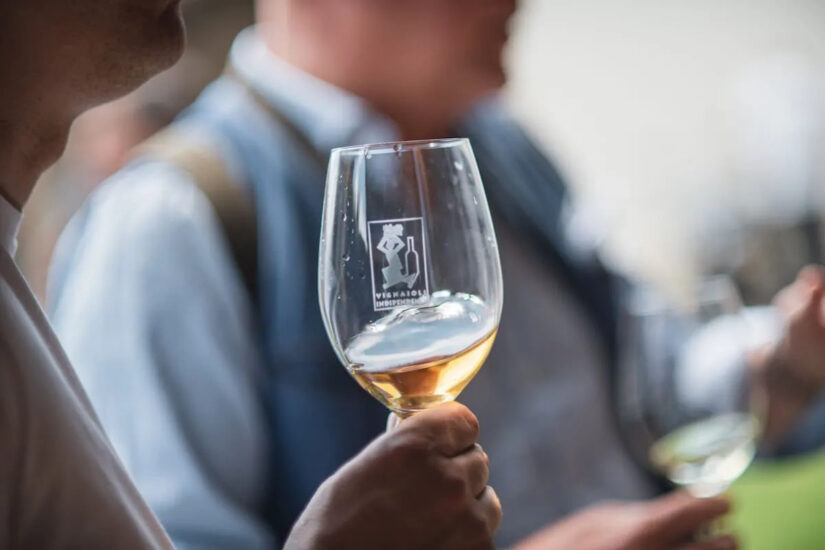
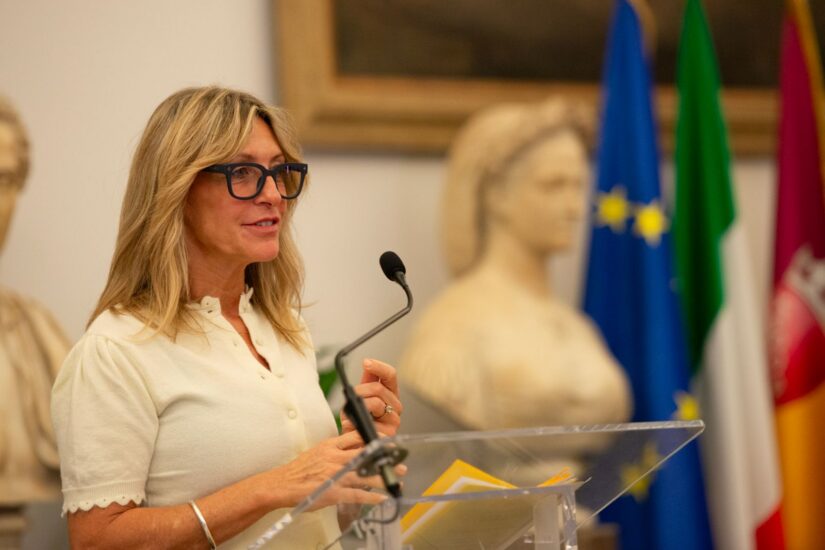
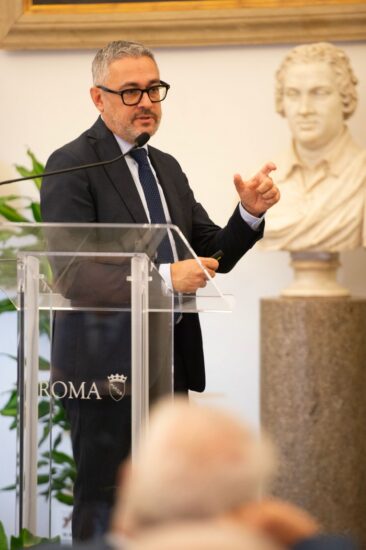
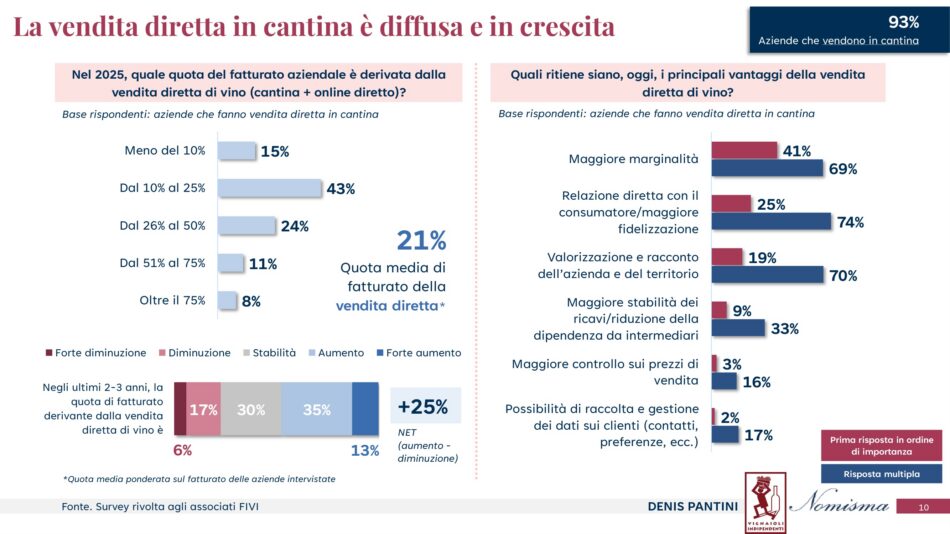
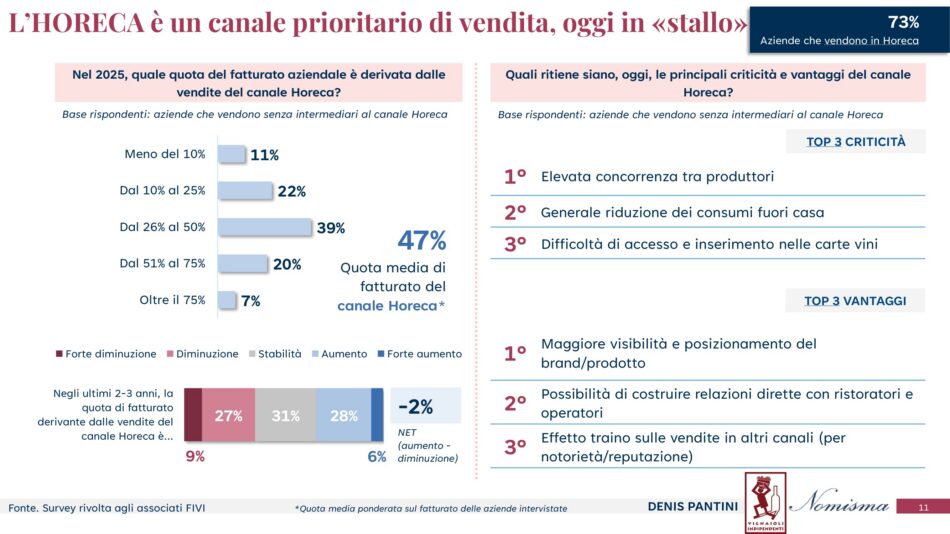
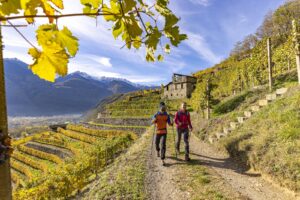
Small producers, deeply rooted in their local areas, where they play a vital environmental stewardship role, especially in hilly and mountainous regions, as well as a social and economic one, with levels of permanent, female and young employment above the national average. Highly focused, through their wines, on direct relationships with consumers, including cellar-door sales, a channel which is growing and, for many producers, accounts for almost 20% of total turnover. At the same time, they place considerable emphasis on the Horeca channel, which represents roughly half of their business. They are also increasingly export-oriented, although significant bureaucratic hurdles remain, particularly for direct cross-border sales. These challenges, which could be addressed through a sort of "one-stop shop" for excise duty management, weigh more heavily on this type of wine business, as do rising production costs and the general decline in wine consumption. This is the portrait of the producers belonging to Federazione Italiana Vignaioli Indipendenti - Italian Federation of Independent Winegrowers (Fivi), outlined today in Rome by Nomisma Wine Monitor, represented by Denis Pantini, also in view of one of Fivi most important events, under the leadership of Rita Babini: the Independent Winegrowers’ Wine Market, which will take place at BolognaFiere exactly one month from now, from November 21st to 23rd, 2026. Looking at the data from the Nomisma Wine Monitor study, Fivi member wineries, of which there are more than 1,800 throughout Italy, emerge as a wine production model strongly linked to small-scale operations, craftsmanship and local identity, with a generally modest production structure. 80% of the wineries generate annual revenues of less than 500,000 euros, sell on average just under 40,000 bottles per year, and cultivate an average vineyard area of 10.5 hectares, of which nearly all, about 9 hectares on average, are owned by the producers themselves. Their strong connection to and stewardship of the territory is also reflected in the location of their vineyards: 85% are situated in hilly and mountainous areas, compared to 60% for Italy as a whole, highlighting the strategic role Independent Winegrowers play in safeguarding some of the country most fragile landscapes.
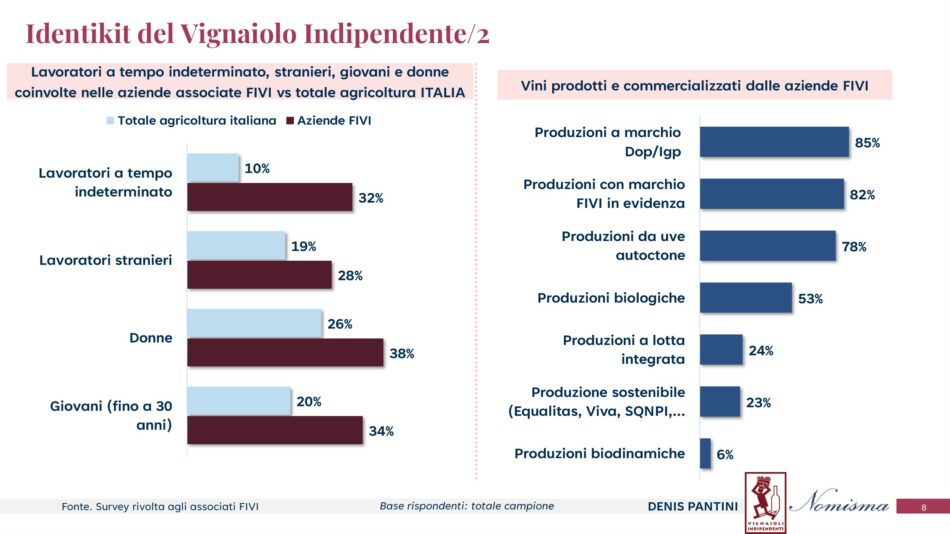
This commitment is matched by a strong focus on distinctive and sustainable production. Eighty-five percent of wineries produce PDO/PGI wines, 78% work with native grape varieties, and significant shares hold organic (53%) and sustainability (23%) certifications.
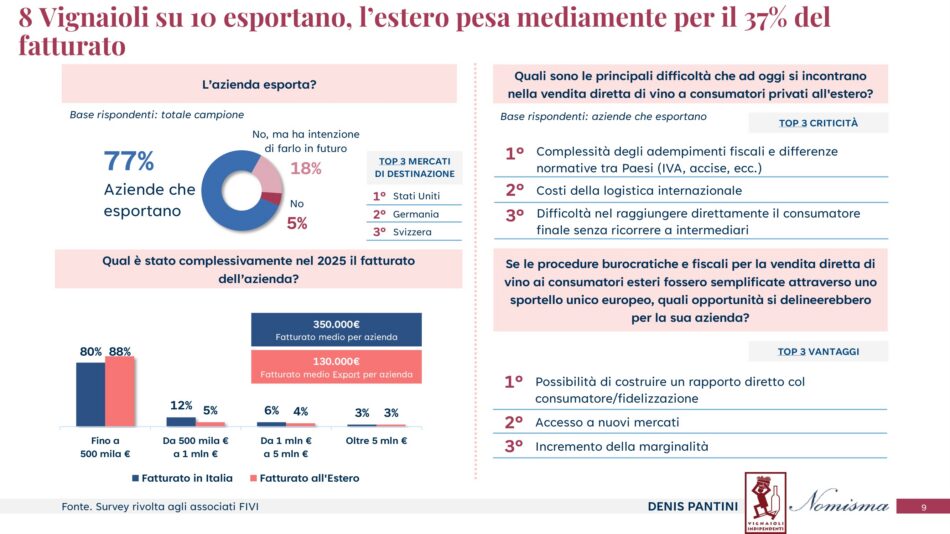
The production model also features a greater presence of permanent, female and young workers compared to the Italian agricultural average. Permanent employees account for 32% of the workforce, women for 38%, and workers under 30 for 34%, compared with 10%, 26% and 20% respectively across Italian agriculture. Direct customer relationships are another defining characteristic of Independent Winegrowers. Cellar-door sales are offered by more than 9 out of 10 wineries and generate, on average, around one-fifth of total turnover. Moreover, nearly one winery out of two reports growth in this channel over the last three years, while 30% indicate stable performance. Beyond improving margins, cited by 69% of respondents, direct sales also enable wineries to better enhance the value of their products (70%) and strengthen their relationship with consumers (74%). The Horeca channel also plays a significant role for Fivi wineries. It is used by 73% of members and generates, for those active within it, an average of 47% of total turnover. According to the study, the channel value extends beyond sales alone, offering producers greater product visibility, opportunities to build relationships and access to a qualified audience. Growth, however, currently faces several obstacles, ranging from competition and slowing out-of-home consumption to difficulties in securing placements on wine lists. As a result, the channel is now broadly stable but showing signs of deterioration. While 31% of Fivi wineries report stable sales through Horeca over the last 2 to 3 years, 36% indicate a decline, compared to 34% reporting growth. At the same time, expansion into foreign markets has become an established development path even for relatively small producers. Seventy-seven percent of wineries already export, while a further 18% say they intend to do so in the future. Export activity nevertheless remains largely small-scale, with 78% of exporting wineries generating less than 100,000 euros in foreign sales revenue, and is heavily concentrated in the United States and key European markets such as Germany and Switzerland.
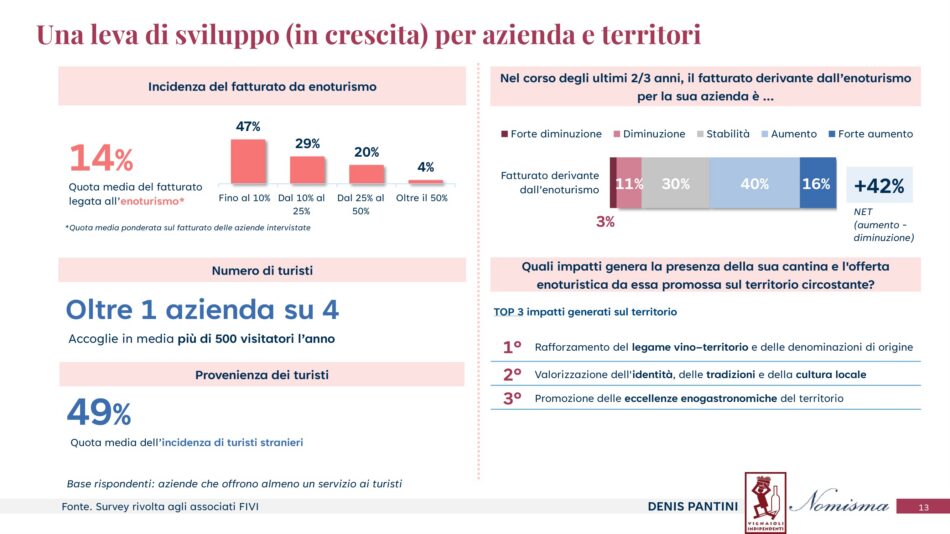
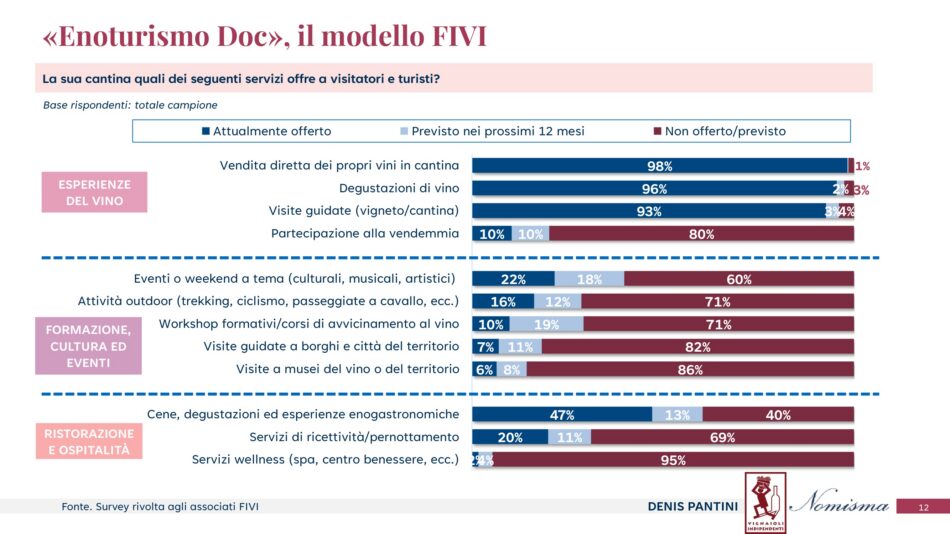
In this context, direct sales to foreign consumers, which continue to grow thanks in part to a strong synergy with wine tourism, still face significant operational barriers related to logistics, customs compliance and taxation. As a result, there is a clear need for instruments capable of simplifying access to foreign markets (36%), such as a European one-stop shop, but above all for tools that enable producers to build a direct and ongoing relationship with the end consumer (57%). This is precisely what wine tourism does, and it is proving to be an increasingly important driver, generating on average 14% of turnover for the wineries which engage in it. The trend is decidedly positive: over the last 2-3 years, 56% of wineries have reported an increase in wine tourism revenues, compared to just 14% reporting a decline, resulting in a net balance of +42 percentage points.
Although wine tourism still accounts for a relatively limited share of total turnover, with nearly half of wineries deriving less than 10% of revenue from it, it nevertheless shows a significant level of development and consumer engagement. More than 25% of wineries welcome over 500 visitors per year. Comparisons with the national market, where wine tourism is estimated to account for around 20% of the sector overall turnover, should be viewed in light of the smaller average size of Fivi wineries. What emerges, however, is a model in which the winery experience and the connection to the local territory are central, while the more structured components linked to educational and cultural activities, hospitality and food services, which generally generate higher average visitor spending, remain less developed. For Fivi producers, however, the restaurant trade remains the primary channel, also thanks to a process that is fostering greater familiarity between producers and Horeca operators. Among affiliated outlets, awareness goes well beyond simple brand recognition and translates into concrete engagement. More than half of restaurateurs, wine merchants and other operators (53%) identify themselves as promoters of Fivi, stating that they share its values, are familiar with its member producers and actively promote them to customers and colleagues.
Outside the affiliated network, awareness is nevertheless widespread and points to considerable growth potential. Among non-affiliated operators, 44% say they are well acquainted with Fivi, while a further 26% have at least heard of it. Moreover, more than one in three operators who are not yet familiar with the federation express an interest in learning more about, or including in their offering, wines produced by Fivi Independent Winegrowers. Indeed, Fivi values map reveals a particularly strong and clearly defined identity built around local roots, craftsmanship, quality and authenticity. These characteristics are central to perceptions of wines produced by Fivi Independent Winegrowers and are reinforced by perceptions of the independent winegrower figure itself, most commonly associated with handcrafted production methods (68%), a strong personal identity (64%), and a focus on quality rather than quantity (63%).
Even among non-affiliated operators, although perceptions are generally less pronounced, the same attributes emerge, confirming the recognizability of an identity closely linked to territorial proximity and control of the production chain. This identity also translates into tangible value for Horeca businesses: 91% believe that wines produced by Independent Winegrowers genuinely embody the values they claim to represent; 84% believe they clearly stand apart from industrially produced wines; and 78% recognize that offering such wines enhances their business image. The ability of the Fivi brand itself to serve as an immediately recognizable guarantee for end consumers appears somewhat less established, suggesting that the federation value proposition is currently stronger among professional operators than among the broader consumer public.
Consequently, the presence of wines produced by Fivi winegrowers in affiliated venues is significant and characterized by remarkable depth of assortment. On average, these labels account for 40% of the wine selection offered by affiliated outlets. Furthermore, the relationship with the federation appears strong and well established, while still offering room for further development: four out of ten operators state that they intend to further expand the presence of Fivi winegrower labels, confirming that considerable growth potential remains. Even outside the affiliated network, the range of Fivi wines is more limited but still widely available. Three out of four operators report having at least one Fivi winegrower label on their wine list, indicating a market penetration that extends well beyond the federation immediate network. The future evolution of wine selections, however, must be considered within the context of a contracting wine market. The net balance between operators reporting increased wine sales and those reporting declines over the past two to three years is negative by more than 20 percentage points. By contrast, sales of wines produced by Fivi winegrowers have essentially held steady (-1%). In this scenario, interest in these wines remains strong, but the expansion of wine lists is increasingly influenced by practical considerations such as profitability, product availability and ease of sourcing. Within this framework, the direct relationship with the winegrower represents one of the most valuable differentiating factors. Seventy-four percent of operators cite direct contact with producers, including storytelling, training and winery visits, among the main advantages of buying directly from them. In addition, 45% value the opportunity to select exclusive or otherwise unavailable labels, while 41% appreciate the distinctive story and identity they can communicate to customers.
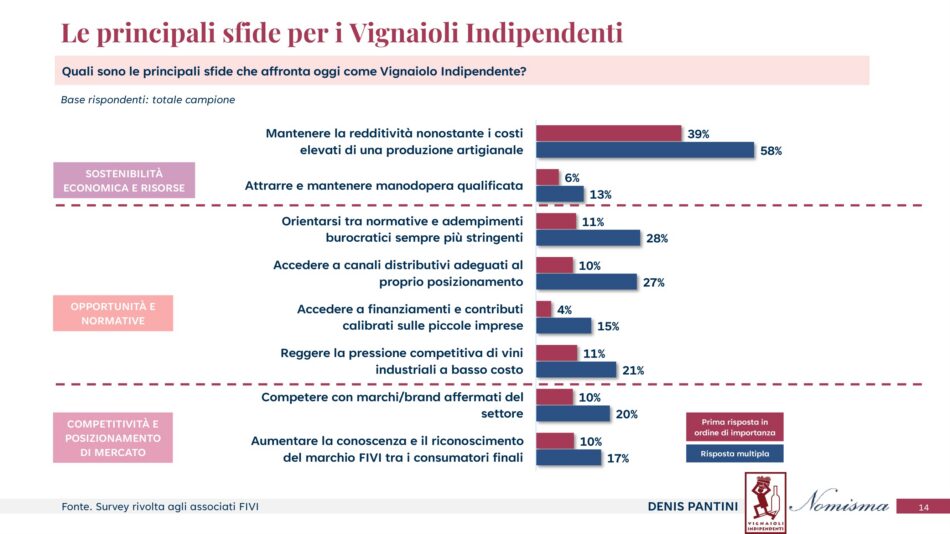
The overall picture is completed by what appears to be a strong and deeply rooted relationship between winegrowers and the federation that represents them. Ninety-three percent of members say they identify with the federation values and philosophy, while 86% would recommend membership to other producers. However, the perception of a clearly recognizable competitive advantage in the marketplace, is more limited, with only 28% fully agreeing that membership provides one, while active participation in the federation activities stands at 23%. Today, the main challenge facing wineries is finding a balance between profitability and the costs associated with artisanal production (58%). This is followed by regulatory complexity (28%) and access to distribution channels that are consistent with their market positioning (27%). In this scenario, members primarily expect Fivi to increase the visibility of Independent Winegrowers among end consumers (60%), while also providing support for internationalization (55%) and strengthening institutional representation (43%). This is a demand not only for representation but also for practical tools capable of enhancing the visibility and competitiveness of a distinctive production model. “The study we carried out for Fivi highlights a model made up of small and medium-sized producers that are deeply connected to their territories, authenticity and the artisanal nature of wine production. Looking at the location of vineyards owned by Fivi members, we found that 85% are situated in hilly and mountainous areas, compared to a national average of around 60%. This gives us a clear sense of the importance of the stewardship role these winegrowers play in maintaining and safeguarding some of the country most fragile areas”, Denis Pantini of Nomisma Wine Monitor told WineNews, who also underlined that many of the challenges facing Independent Winegrowers are common to the entire wine sector, “such as declining consumption, stagnant demand and reduced consumer spending power. Independent Winegrowers, however, because of their average size, also face higher production costs than industrial producers, who can benefit from economies of scale that smaller businesses cannot achieve. As a result, they feel the impact of rising energy costs, as is happening right now, much more acutely”.
“Today more than ever, courage is needed, and courage is one of the defining characteristics of the Independent Winegrower entrepreneur”, adds Fivi president Rita Babini to WineNews (who also leads the Ancarani winery in Romagna, ed). Babini stressed that, in order to support the international growth of wineries that rely heavily on direct sales, as highlighted by the study, a European “One Stop Shop” system is essential. “This is something the Federation has been calling for for years, together with our colleagues in France and Spain. We are asking for a European platform that would allow a small winegrower, an Italian winery, to maintain the relationship established with a foreign tourist during their visit to our country, by enabling them to ship wine directly to the customer home. The platform would handle excise duties on behalf of the end consumer, greatly simplifying the process. At the same time, it would help enhance wine tourism, which for us is a way to tell our story with complete transparency. Wine tourism should not mean turning wineries into amusement parks. It should create a direct connection between visitors and producers, allowing people to experience first-hand every stage of the production process. In this sense, wine tourists become valuable allies of producers from the moment they step into the winery”.
Copyright © 2000/2026
Contatti: info@winenews.it
Seguici anche su Twitter: @WineNewsIt
Seguici anche su Facebook: @winenewsit
Questo articolo è tratto dall'archivio di WineNews - Tutti i diritti riservati - Copyright © 2000/2026