

Thursday 22nd of October 2026 - Last Update: 11:37



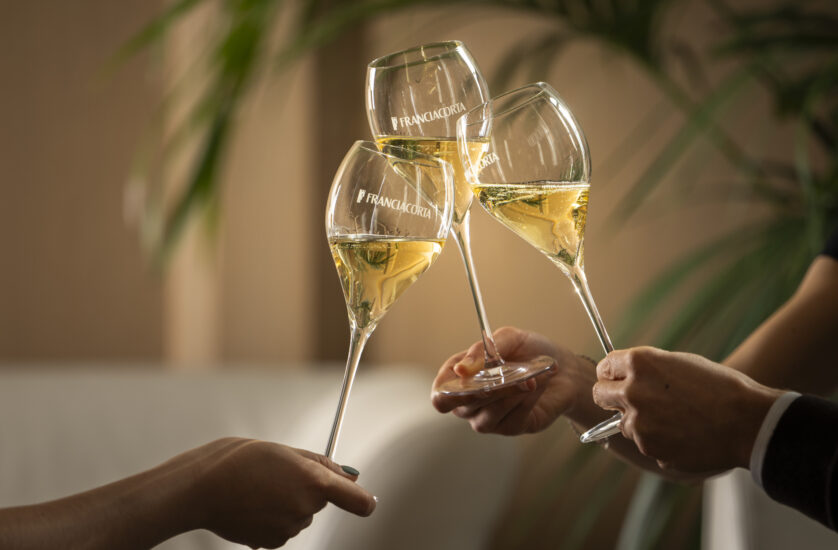
For a wine denomination, stepping outside the circle of dedicated wine enthusiasts and associating itself with high-visibility events in other sectors, from fashion to entertainment, from sport to gastronomy and culture, is a significant investment that pays off in the long run. This is the case, as we have often reported, for the Franciacorta Consortium, which over the years has established and strengthened partnerships with the Emmy Awards, the Michelin Guide, the Mille Miglia, and the National Chamber for Italian Fashion (for Milan Fashion Week and beyond), among others. It also organizes one of Italy most successful wine tourism events, the Festival Franciacorta in Cantina, which attracts thousands of visitors every year. It now emerges that Franciacorta is known, at least by name, by 94% of Italians. 75% say they have tasted it at least once, while 50% consume it with varying degrees of frequency. These findings come from an Ipsos Doxa survey commissioned by the Consortium of the renowned Lombard Metodo Classico sparkling wines, chaired by Emanuele Rabotti, and presented today at Iulm University in Milan during the talk “Franciacorta and the future of consumption”.
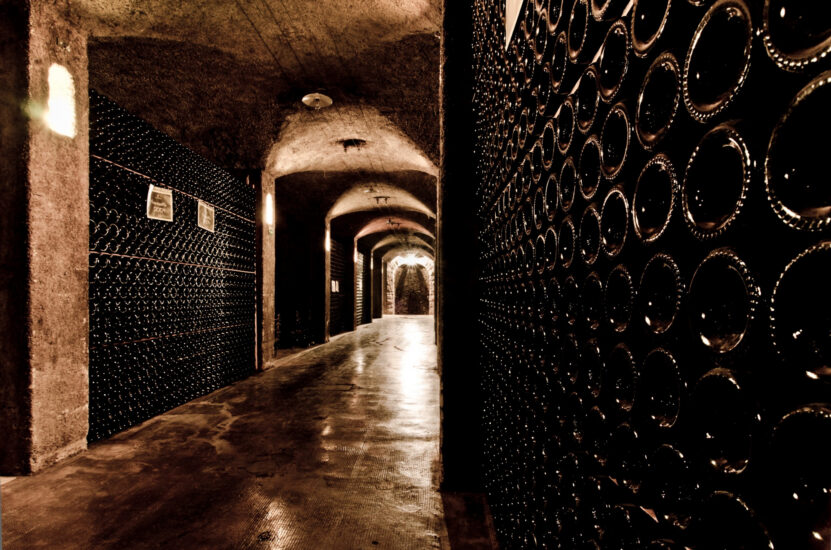
The figures point to widespread awareness of one of the finest examples of Italian sparkling wine production (and a leading representative of the wine category which has navigated the current complex wine market, as explained here) more successfully than most. At the same time, they reveal room for growth in consumers’ understanding of the product and its characteristics. The associations most commonly linked to Franciacorta concern special occasions, cited by 86% of Italians. 85% recognize its ability to express and enhance both its territory and Italian identity, and also consider it an ideal gift. Eighty-four percent associate it with high quality, while 80% describe it as prestigious. Knowledge of the production method is less widespread, however: only 42% correctly identify and understand the Franciacorta Method.
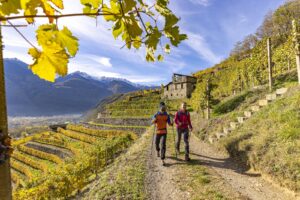
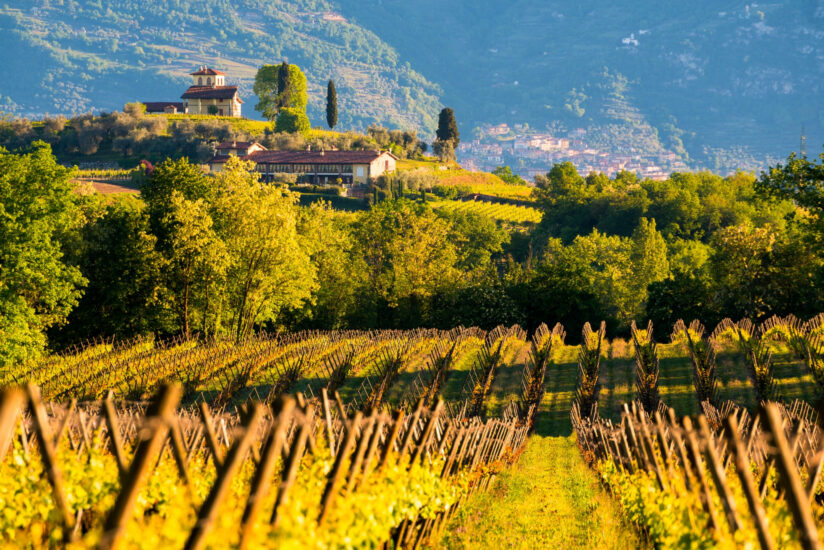
The research therefore highlights the opportunity to explain the production method in accessible language, linking the different stages of winemaking to the work carried out by producers and to the wine distinctive characteristics. This requires a narrative capable of giving meaning to technical details even for those outside the wine industry. An analysis of online conversations reveals interest in wineries, production methods, and the differences between Franciacorta and other wine styles, as well as initiatives and experiences connected to the territory. These themes provide useful guidance on which areas should be made more accessible to consumers. The territory itself also presents opportunities for greater awareness. 32% of Italians have visited Franciacorta, while 48% can correctly locate it between the provinces of Bergamo and Brescia. Among those who have visited, 51% report an increased propensity to purchase Franciacorta, while 62% of those who have not yet been there believe that a visit could positively influence their purchasing decisions. The results underline the contribution that direct experience of a place can make to understanding and appreciating its wines.
Another key topic concerns the relationship with younger generations. Despite already strong levels of awareness, the research identifies further growth potential among adult members of Generation Z and younger Millennials. This suggests the need to develop language and storytelling approaches that resonate with the interests and expectations of these audiences. Price remains an important factor in purchasing decisions for part of the consumer base. Even alongside a perception of high quality, it is therefore useful to make the elements that create the wine value easier to understand, from the production method to the work carried out both in the vineyard and in the winery.
The survey also examined the Consortium partnerships. Collaborations with the National Chamber for Italian Fashion, Mille Miglia, Porsche and the Emmy Awards were among those that respondents associated with the strongest positive impact on Franciacorta image.
“This research helps us better understand how Franciacorta is perceived and which aspects require greater attention. Awareness is already very high, but there is still room to increase understanding of the production method, the work of the wineries and the connection with the territory”, comments Emanuele Rabotti, president of the Franciacorta Consortium. Who adds: “the production method and the work carried out in the vineyard and winery are part of our everyday life, but their significance is not always immediately apparent to those choosing a wine. Our task is to make them more understandable through accessible storytelling and opportunities to engage directly with the places and people behind Franciacorta. The results also encourage us to listen carefully to consumer expectations, particularly those of younger generations, and to understand how consumption occasions and habits are evolving. It is through this dialogue that we can gain concrete insights to guide our work in the years ahead”. “The results of the research show that Franciacorta enjoys very high brand awareness, yet knowledge of its production method remains only partial - observes Davide Cilia of Ipsos Doxa - analyzing these indicators and the differences among various target groups is essential to understand which elements are already part of consumers shared knowledge and which require further explanation. In a context where consumers are exposed daily to an overwhelming amount of information and stimuli, the real challenge is to build communication that is increasingly clear, distinctive and easy to understand, capable of conveying the value of the production process and the denomination identity through accessible language”.
“The prestige of a product also depends on the meaning it acquires through people experiences. Getting to know a territory, visiting a winery and meeting the people who produce the wine - added Mauro Ferraresi, sociologist of consumption and associate professor at Iulm University - helps deepen the understanding of its value, which is built on expertise, care and time. Between the harvest and the moment of consumption lies a journey that deserves to be told: time is an essential component of wine and of the work that makes it possible. Alongside time, territory is the other great source of value. Through direct experience, people come into contact with a reality made up of individuals, culture and traditions, developing a deeper awareness of what lies behind a bottle. In this context, Franciacorta represents a strong and recognizable hallmark. And hallmarks, by their nature, circulate: they are sustained through experiences, word of mouth, presence in places of consumption, and the ability to convey values that go beyond the product itself. Understanding how rituals of conviviality are changing also helps us understand the role that wine can play in different social occasions”.
“Today consumer can no longer be understood through simple categories. The economic challenges of recent years and a growing awareness of quality, sustainability and value - underlined Manuela Donghi, journalist and TV presenter specializing in economics, finance and markets - have transformed purchasing behaviour: people are not consuming less, they are choosing better. Spending power remains a real constraint, even when quality is recognized, and it is important to distinguish between economic capacity and an understanding of a product value. Explaining the reasons behind a price point is essential, but so is understanding people priorities and resources. In this context, the concept of luxury is also evolving, particularly among younger generations, taking on more authentic meanings linked to well-being, quality time and experiences. For brands, the challenge is therefore to create value not only through the product itself, but also through relationships capable of conveying trust, a sense of belonging and reassurance in an increasingly complex world”.
“To dialogue with young adults, image-driven communication must be accompanied by a deeper understanding of the product. Young consumers today prefer quality; they want to know what they are consuming and are less focused on quantity. For one in three young adults, in fact, perceived product quality is a key factor in purchasing decisions. Those approaching wine for the first time may have very simple questions: what distinguishes one style from another, how should it be chosen, and what food should it be paired with? Providing clear answers through language and content aligned with their interests can help foster a more informed relationship with wine”, concluded Leonardo D’Onofrio, founder of University Network and ceo of eGroup, during the discussion moderated by Dario Maltese, journalist and anchor of Tg5.
Copyright © 2000/2026
Contatti: info@winenews.it
Seguici anche su Twitter: @WineNewsIt
Seguici anche su Facebook: @winenewsit
Questo articolo è tratto dall'archivio di WineNews - Tutti i diritti riservati - Copyright © 2000/2026