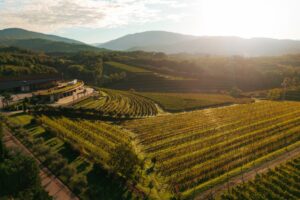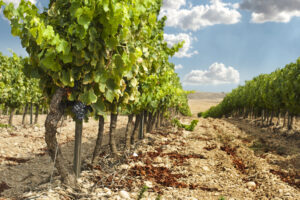






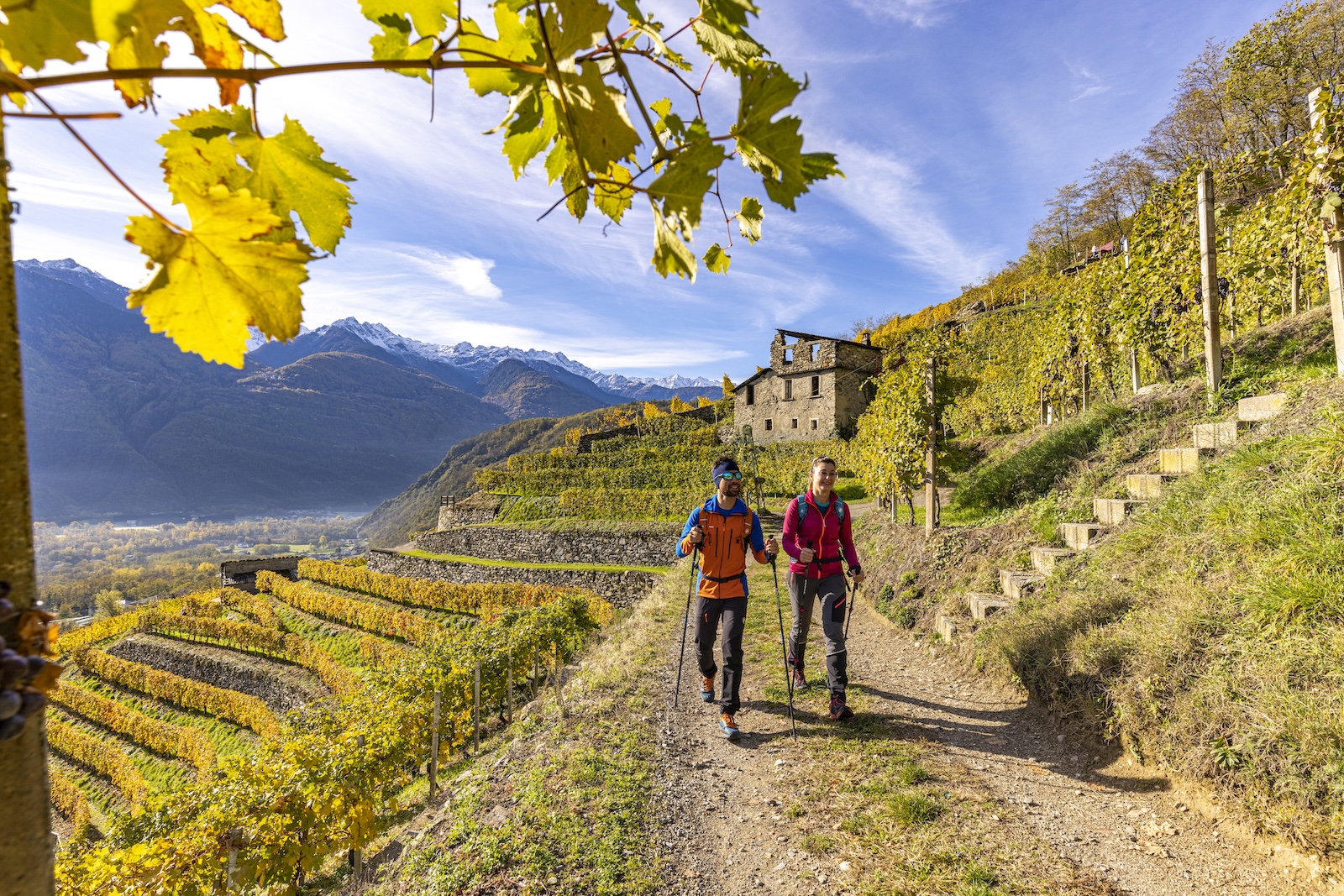
The antique artisanal craft involves stacking stones without the use of any binding agents that shape the rural landscape as well as fight hydrogeological variability. The art of dry-stone walls in Valtellina is the “secret” behind the Region’s heroic viticulture. This ancient art was celebrated on “International Intangible Cultural Heritage Day” (October 17th), together with mountaineering and migrant herding, a trio of intangible cultural assets recognized by UNESCO. All three practices, though distinct, are united by a deep connection to the mountains, the landscape, and the inhabitants. Dry-stone walls represent the local agricultural culture and tradition in Valtellina. There are 2.500 kilometers of dry-stone walls and 750 hectares of terraced land, primarily planted with vines. The terraced land has also been acknowledged a “Historic Rural Landscape”, representing a vital element of tradition and culture, created by the labor of generations of farmers. The signature grape variety of Valtellina, Nebbiolo delle Alpi, grows here in an environment where humanity, nature, and the landscape are deeply interconnected.
The “International Day of Intangible Cultural Heritage”, which was celebrated on October 17th, is the opportunity to highlight living traditions and age-old knowledge that help define the identity of a territory and its inhabitants. It is an occasion to encourage promoting these extraordinary practices. One of these crafts is the art of dry-stone walls, an ancient craftsmanship practice passed down from generation to generation. In 2018, the art of constructing these walls was acknowledged by UNESCO, honoring a technique rooted in the relationship between humanity and nature. The method involves selecting and interlocking stones without the use of cement or mortar. It has permitted farmers to cultivate the steep mountain slopes, extending from the municipality of Buglio in Monte to Tirano, from an altitude of 300 meters up to nearly 800 meters.
Migratory herding, the ancient practice of seasonal migration of livestock, preserving a wealth of pastoral customs and festivals, is another UNESCO acknowledged asset in the Valtellina region. Mountaineering is yet another tradition that defines the unique bond between humans, the mountains, and the challenges they present.
There are many other heritage assets between the Orobie and Rhaetian Alps. Italy’s intangible cultural heritage embraces a wide array of traditions and knowledge that reflect the Country’s extraordinary cultural richness. For example, the art of truffle hunting and extraction, and Italian cuisine, both of which have received UNESCO recognition. In Valtellina, these traditions include its iconic local products and dishes that have gained international recognition, such as Pizzoccheri della Valtellina (PGI), Bresaola della Valtellina (PGI), and the cheeses Bitto (PDO) and Valtellina Casera (PDO). And, of course, the wines of Valtellina, such as Valtellina Superiore (DOCG) and Sforzato di Valtellina (DOCG), which are produced mainly from the Alpine grown Nebbiolo grape.
Copyright © 2000/2026
Contatti: info@winenews.it
Seguici anche su Twitter: @WineNewsIt
Seguici anche su Facebook: @winenewsit
Questo articolo è tratto dall'archivio di WineNews - Tutti i diritti riservati - Copyright © 2000/2026