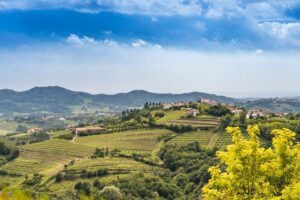






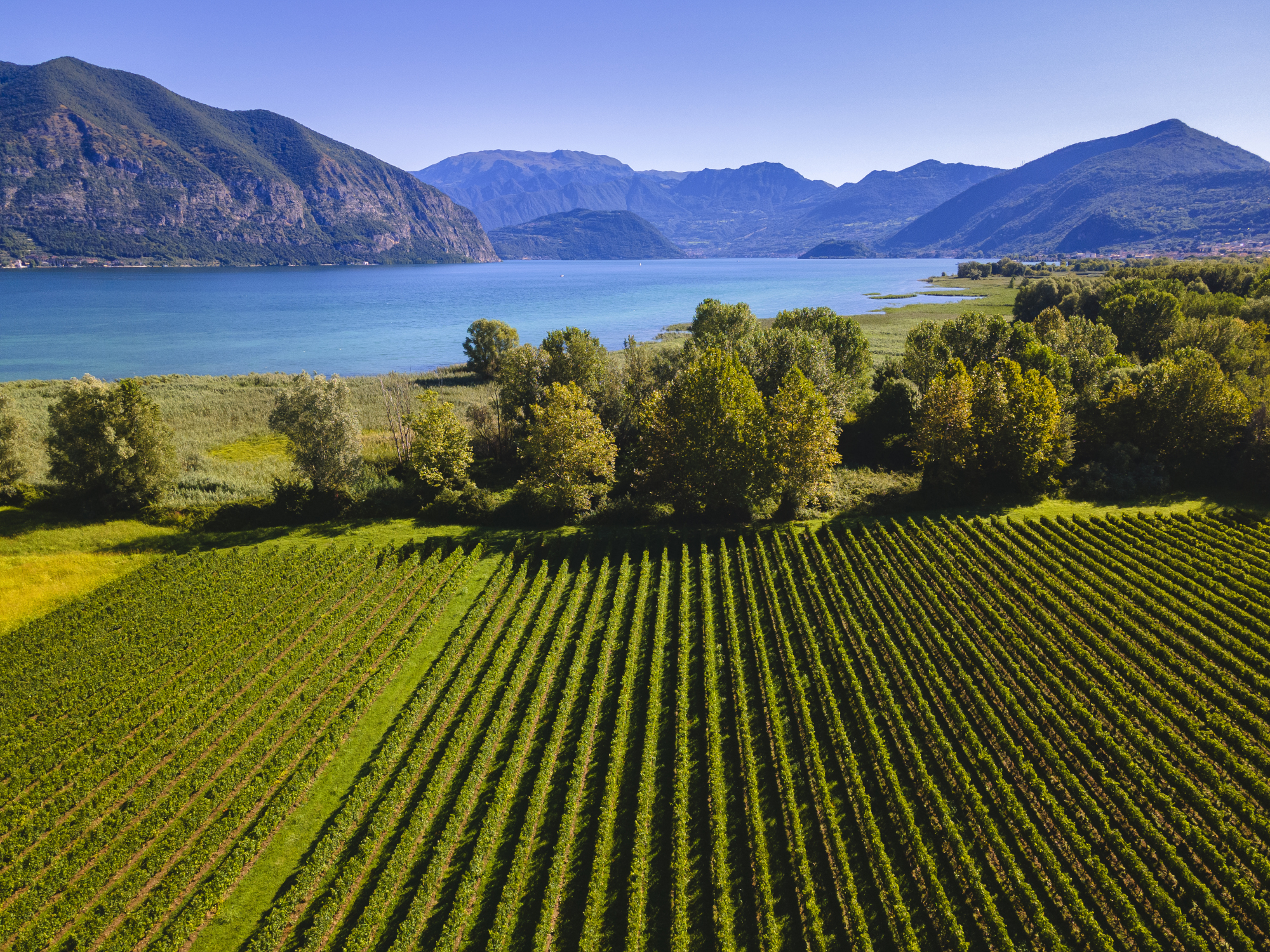
Integrating trees, hedgerows and vineyards to counter the effects of climate change, protect biodiversity and rethink Lombardy wine-growing landscape: this is the challenge behind “VitiSilvA” (Viticulture and Forestry in Agroforestry Systems), a project conceived and coordinated by Sata Agronomic Consulting and funded under the Rural Development Complement of the Lombardy Region. VitiSilvA brings together six historic wineries from Franciacorta and Oltrepò Pavese: Corte Bianca, Mosnel, Villa Franciacorta, Azienda Agricola Frecciarossa, Cordero San Giorgio and Tenuta Mazzolino. While differing in history, territorial characteristics and production identity, these estates share a common interest in a model of viticulture which enhances the relationship between agricultural activity and the natural ecosystem.
“Viticulture is increasingly more exposed to heatwaves, drought, late frosts and extreme weather events. To address these challenges, it is essential to identify new strategies capable of combining production quality with environmental stewardship - declares Pierluigi Donna, agronomist and founder of the Sata Group - with VitiSilvA, we aim to study, on a scientific basis, the potential of agroforestry, a practice that integrates trees and other vegetation structures into agricultural systems but remains largely unexplored in Italian viticulture. Our goal is to understand how these elements can help mitigate climate-related stress, improve soil health and make vineyards more resilient”.
“This project represents an important opportunity for experimentation, research and innovation, one that the Lombardy Region, also through its operational body Ersaf, is following with great interest and attention”, declares Alessandro Beduschi, Lombardy Regional Minister for Agriculture, who explains: “the experimentation proposed by Sata is part of a broader path that is helping to strengthen the reputation of Lombardy wine sector, increasingly appreciated by consumers for the quality of its products, the good practices adopted and its commitment to environmental sustainability. In an international context which is becoming ever more complex and competitive, the ability to innovate is a distinguishing factor for our businesses. Initiatives such as VitiSilvA demonstrate how research can be translated into tangible results which improve the environment, enhance local territories and further elevate the quality of Lombardy wine production”.
Under the scientific leadership of Professor Lorenzo Rossi of the University of Milan, and in collaboration with the University of Modena and Reggio Emilia, the project field trials are being carried out in vineyards where trees, hedgerows and woodland areas are already an integral part of the landscape. Researchers are analysing the interactions between vines and surrounding vegetation, monitoring root system development, canopy and bud temperatures, plant growth and grape ripening. Through advanced tools, including special underground observation windows, it will also be possible to gain deeper insights into the dynamics governing root competition and access to water resources. The study also focuses on the environmental benefits of agroforestry, from its capacity to store carbon in soils and biomass, to improving water retention and protecting biodiversity. Analyses will include assessments of soil biological quality, inventories of habitat trees and mapping of the natural features present on the participating estates. A particularly significant aspect of “VitiSilvA” is the direct involvement of the six wineries, which provide different experiences and production contexts, contributing to research that is closely linked to the needs of the territory.
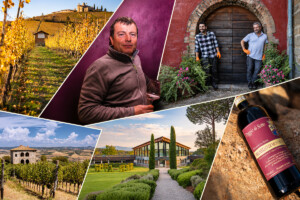
In Oltrepò Pavese, Tenuta Mazzolino sees the initiative as an opportunity to strengthen vineyard management practices that are attentive both to wine quality and territorial conservation, while also encouraging the adoption of innovative practices among other producers. Frecciarossa company, meanwhile, aims to further investigate the role of tree species in mitigating climate-related stress, with particular attention to Pinot Noir, while at the same time enhancing the landscape and the winery hospitality experience. In Franciacorta, Corte Bianca, set within a woodland environment, provides an ideal setting for studying the synergies between cultivation, architecture and landscape in the pursuit of low-impact wine production. Villa Franciacorta contributes its wealth of expertise in biodiversity and the coexistence of vineyards, forests and natural areas, with the aim of combining innovation and tradition. For Mosnel, a historic estate, participation in the project reflects a commitment to preserving and passing on a territory where embankments, borders and headlands also represent a natural heritage worthy of protection. Cordero San Giorgio completes the network, which contributes to the exchange of knowledge among the different winegrowing environments involved in the project. The ultimate goal is to transform the findings of the research into practical knowledge and guidelines for the sector through the creation of a technical document aimed at farms, Consortia for the Protection of Designations of Origin, and stakeholders involved in agricultural knowledge and innovation systems. In this way, “VitiSilvA” aims to serve as a laboratory of innovation for Lombardy wine industry, where scientific research and businesses work together to identify new solutions for climate adaptation. It is a journey that looks to the future of wine by enhancing what surrounds it: soil, trees and biodiversity, fundamental elements of a landscape to be preserved and of a form of production capable of evolving in harmony with nature.
Copyright © 2000/2026
Contatti: info@winenews.it
Seguici anche su Twitter: @WineNewsIt
Seguici anche su Facebook: @winenewsit
Questo articolo è tratto dall'archivio di WineNews - Tutti i diritti riservati - Copyright © 2000/2026