


Wednesday 23rd of September 2026 - Last Update: 10:40






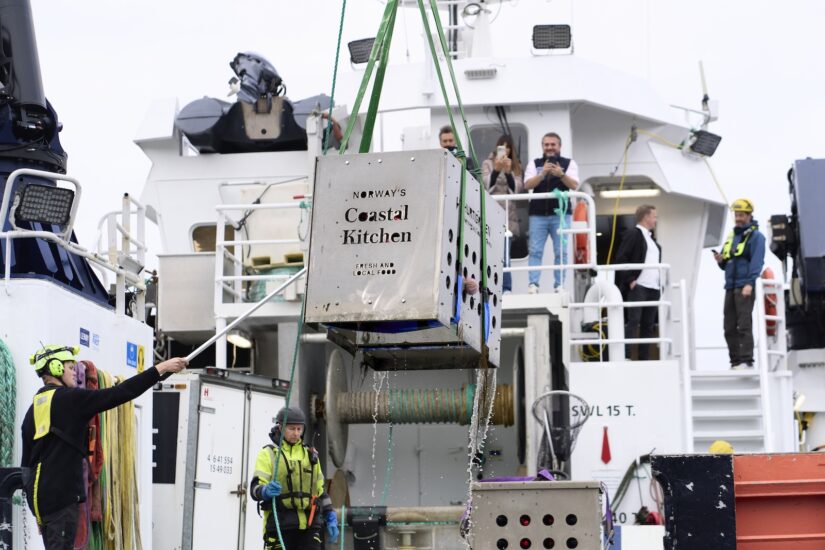
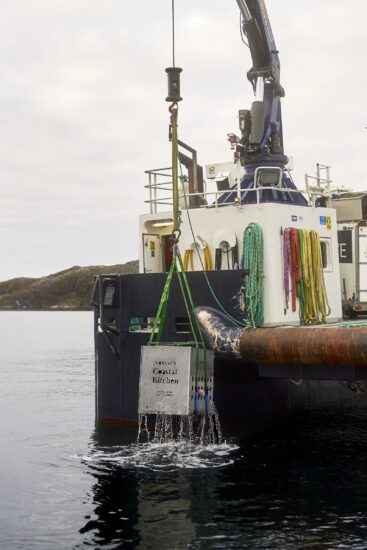
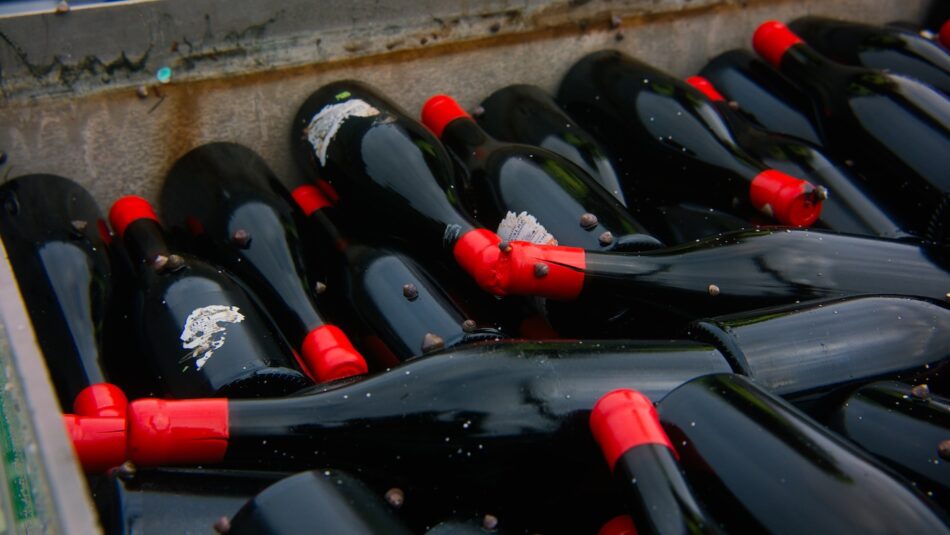
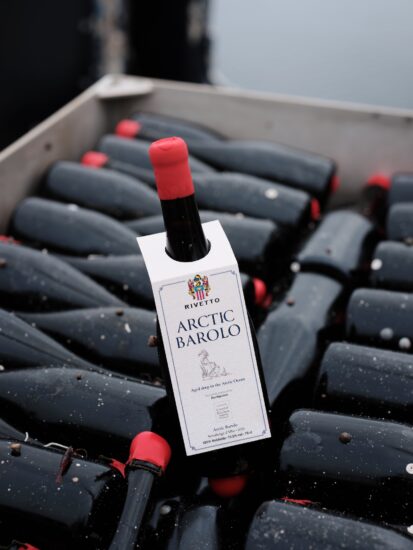
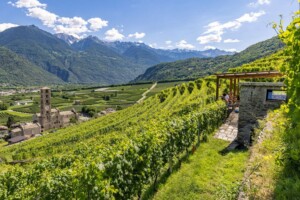
From the hills of the Langhe to the waters of the Norwegian Arctic: after 12 months spent at a depth of 34 meters, 1,002 bottles of Rivetto Barolo have resurfaced from the sea off Kirkenes in northern Norway. It is the first Barolo ever aged in Arctic waters and is called “Arctic Barolo”, a project developed by Rivetto, the renowned Piedmontese winery, together with Hurtigruten, the historic Norwegian company that for more than 130 years has connected communities along the country coastline through its maritime voyages. The bottles were submerged at 70 Celsius degrees North, where they remained for a year under conditions very different from those of a traditional wine cellar: an almost constant temperature of around 5-6 Celsius degrees, complete darkness, and a pressure of approximately 4 bar.
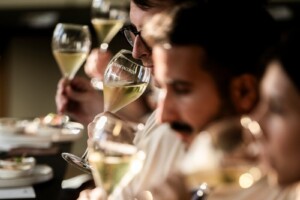
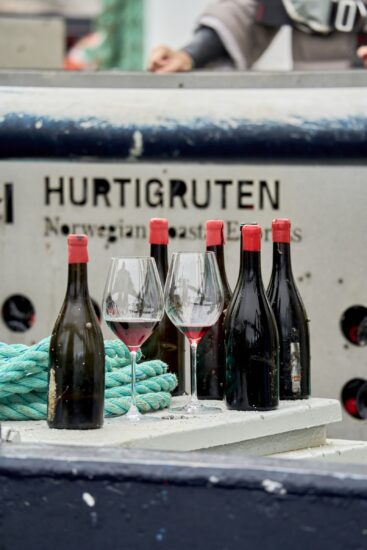
The aim was as simple as it was unusual: to observe what would happen to a Barolo which had already completed its traditional aging process when exposed for an extended period to the unique conditions of the Arctic Sea. The wine selected for the experiment was Rivetto 2021 Barolo from the municipality of Serralunga d’Alba, produced by the winery organic and biodynamic estate. Before submersion, the wine had already completed its normal vinification and aging process, including 24 months in large oak barrels. Once recovered, the bottles were opened and tasted for the first time alongside the same wine that had remained for 12 months in Rivetto cellar. The comparative tasting was led by Henrik Dahl Jahnsen, president of the Norwegian Sommelier Association, who noted clear differences between the two wines. “The difference between the wine stocked in the cellar and the one aged in Arctic waters was immediately evident - commented Dahl Jahnsen - “Arctic Barolo” displayed a brighter, younger ruby color, with a fresher and more precise aromatic profile characterized by notes of wild berries and flowers. The tannins also appeared fresher and crisper, giving the wine an overall younger expression. I was surprised by how pronounced the difference was and how distinctive the character of the wine aged in Arctic waters had become”. The result is not intended to provide definitive answers, but rather to raise new questions about the relationship between time, temperature, pressure, and the aging environment.
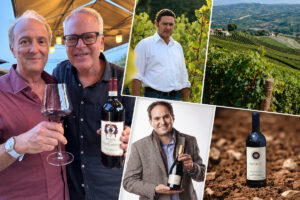
“The most interesting part for me was precisely not knowing what would happen - explains Enrico Rivetto - wine is a living product and continues to evolve over time. Taking a Barolo arisen on the hills of Serralunga and placing it in a completely different environment such as the Arctic Sea meant stepping outside our usual frame of reference and observing its reaction. Tasting the two bottles side by side and perceiving such a clear difference was both surprising and fascinating”. For Rivetto, the project derives above all from a shared curiosity with Hurtigruten and from the meeting of two territories that appear to be worlds apart.
“We like the idea that a wine so deeply connected to its place of origin can also become a tool for exploration - continues Rivetto - Barolo remains an expression of Serralunga and the Langhe, but this experience allows us to look at it from a different perspective. It is the meeting of two landscapes, two cultures, and two ways of experiencing the relationship with nature”.
For Hurtigruten, which for more than a century has guided travelers in discovering the Norwegian coastline through its maritime itineraries, the experiment represents a new way of telling the story of the Arctic environment through taste. The bottles of “Arctic Barolo” will now be served exclusively on board Hurtigruten ships sailing along the Norwegian coast, allowing guests to taste the wine while navigating the same waters in which it remained submerged for a year. The environmental impact of the experiment was also considered from the outset: the installation was designed to be fully recoverable, using materials suitable for the marine environment. At the end of the 12-month period, all bottles and all structures used in the project were removed from the seabed.
Copyright © 2000/2026
Contatti: info@winenews.it
Seguici anche su Twitter: @WineNewsIt
Seguici anche su Facebook: @winenewsit
Questo articolo è tratto dall'archivio di WineNews - Tutti i diritti riservati - Copyright © 2000/2026