




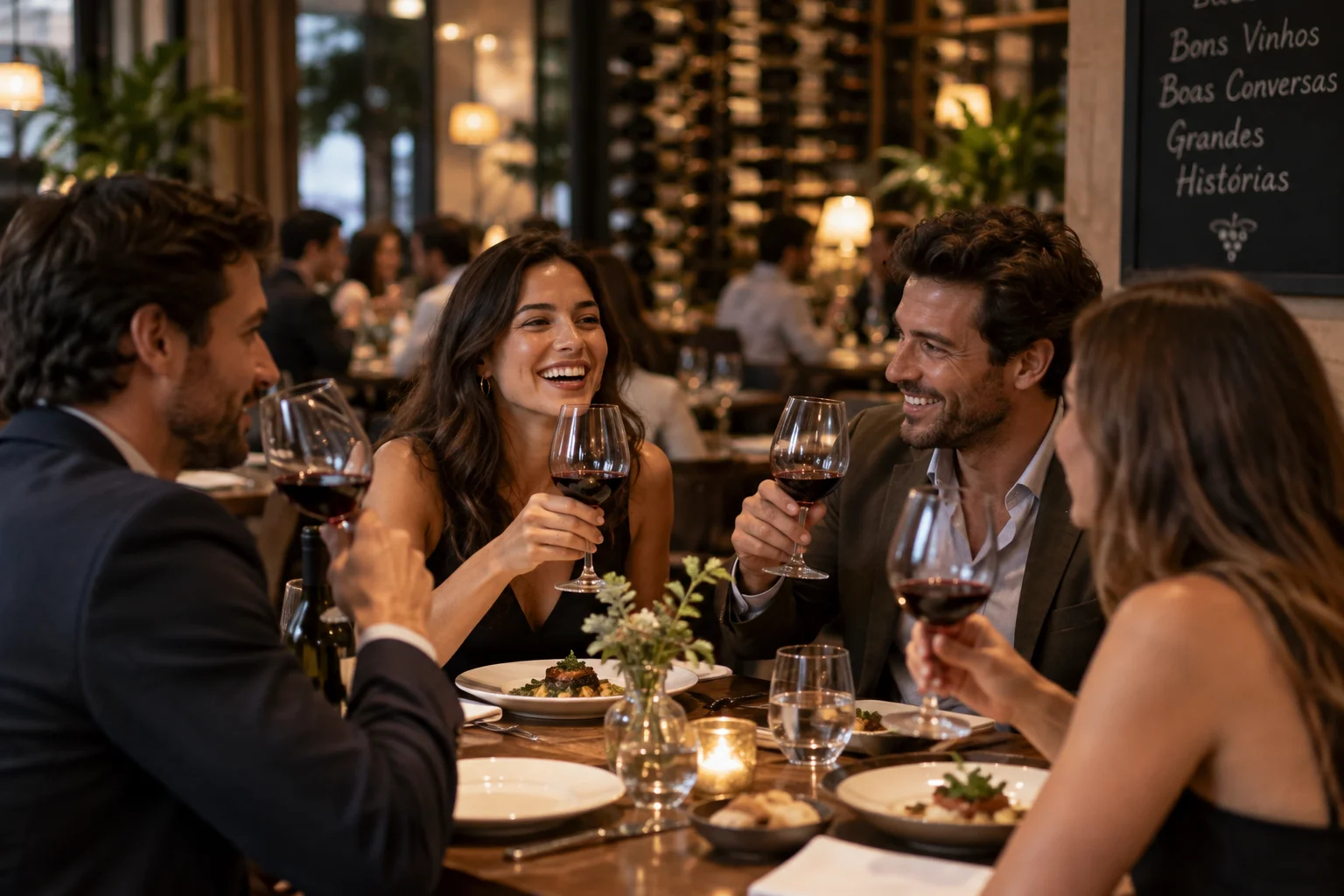
Diversifying markets is one of the key concepts for the Italian wine industry (but not only). In a particularly challenging environment marked by change, with uncertainties coming from its most historic and important market, the United States, as well as from other major trading partners such as the United Kingdom, the sector is inevitably looking for new destinations and growth opportunities. Particular attention is being paid to countries with great potential which have long shown a genuine interest in Italian wine and the Italian lifestyle. This passion has also been reflected in growing tourism flows, which serve as an important showcase for Italian wine labels. Brazil perfectly embodies this opportunity. It is considered one of the greatest hopes for the future of Italian wine, supported by data confirming a positive trend. Although Brazil is the largest South American market for Italian wine, it still represents a relatively niche market in terms of volume: according to Istat data analyzed by WineNews, in the first half of 2026 Brazil imported 20.1 million euros worth of Italian wine, an encouraging increase of +8.1% compared to the first 6 months of 2025. The year 2025 closed with imports totaling 42.8 million euros (+3.7%). Similar trends can be observed across Mercosur, of which Brazil is a member. According to data contained in the Crea report on foreign trade and reported by WineNews, Italian wine exports are also growing there. Packaged PDO red and rosé wines increased in export value from 12.2 million euros in 2019 to 17.7 million euros in 2025, while packaged PGI red and rosé wines rose from 7.8 million euros in 2019 to 12.1 million euros in 2025. Tourism from Brazil to Italy is also on the rise. According to InfoMercatiEsteri (Italian Ministry of Foreign Affairs), data on arrivals and overnight stays in accommodation facilities, available through 2024, show 1.4 million tourist arrivals and 3.8 million overnight stays. The trend for 2026 points to growth of 10% during the first four months of the year, with a forecasted increase of +15% for the full year compared with 2025.
Brazilian tourists tend to be high-spending visitors in Italy and are particularly interested in food and wine experiences. This is also due to a longstanding cultural connection between the two countries, rooted in the historical migration of many Italians to Brazil. According to Istat data, in 2023 more than 270,000 Italian citizens resided in São Paulo, making the Brazilian metropolis the third most “Italian” foreign city in the world, after London in the United Kingdom and Buenos Aires in Argentina. It is precisely in Brazil that the Merano WineFestival, the historic event created and headed by Helmuth Köcher, is strengthening its international presence through the second edition of “Merano WineFestival Brazil”, scheduled to take place in São Paulo from October 6th to 8th, 2026. The event, organized in conjunction with ProWine São Paulo, “responds to the extraordinary dynamism of the Brazilian market. Its strategic location in Brazil economic capital, whose metropolitan area is home to more than 22 million inhabitants and a rapidly expanding middle class, provides privileged access to an estimated audience of more than 15,000 qualified professional operators, according to the organizers”, explains a note. The Brazilian market alone accounts for more than 550 million dollars in total wine imports, competing as well with a significant domestic wine industry. According to Merano WineFestival, Italian wines have recorded growth of 22% over the last 3 years.
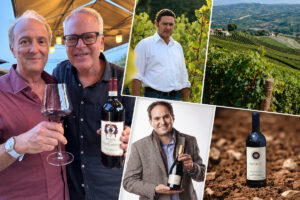
Long recognized for its strong international vocation and its commitment to discovering and promoting excellence, Merano WineFestival relies on its “WineHunter Ambassadors”, professionals and experts who act as genuine cultural and commercial bridges between Italian producers and international markets. Karine De Souza, WineHunter Ambassador for South America, leads the Brazilian edition alongside The WineHunter Helmuth Köcher.
“The relationship between Merano WineFestival and Brazil was conceived as a strategic, long-term project focused on promotion, enhancement, and commercial development - explains De Souza - this work is based on a two-way exchange: we bring to Brazil the Italian excellences selected by The WineHunter in order to generate visibility and business opportunities; at the same time, we guide the finest Brazilian producers toward the prestigious stage of Merano. This second edition of Merano WineFestival Brazil confirms that we are building a solid path that will continue to grow over time and become a benchmark for wine dialogue between Italy, Brazil, and South America”.
For Helmuth Köcher, who founded Merano WineFestival 35 years ago, “Merano WineFestival was among the first major events to make excellence selection its admission criterion, rewarding the work of Italian wine producers. With this second edition in Brazil, we want to reaffirm our commitment to opening new international trade routes for Italian wine. The partnership with ProWine São Paulo and the valuable local work carried out by our WineHunter Ambassador allow us to maximize the visibility of participating wineries, true ambassadors of an excellence capable of speaking to the entire world”.
The ten wineries participating in Merano WineFestival Brazil 2026 are: Cascinassa (Piedmont), La Gerla (Tuscany), La Romiglia (Veneto), Nino Costa (Piedmont), Poggio Capponi (Tuscany), San Luciano (Tuscany), Sergio Gozzelino (Piedmont), Tenute Ballasanti (Sicily), Tenute San Marco (Lazio), and Villa Matilde (Campania).
Copyright © 2000/2026
Contatti: info@winenews.it
Seguici anche su Twitter: @WineNewsIt
Seguici anche su Facebook: @winenewsit
Questo articolo è tratto dall'archivio di WineNews - Tutti i diritti riservati - Copyright © 2000/2026