





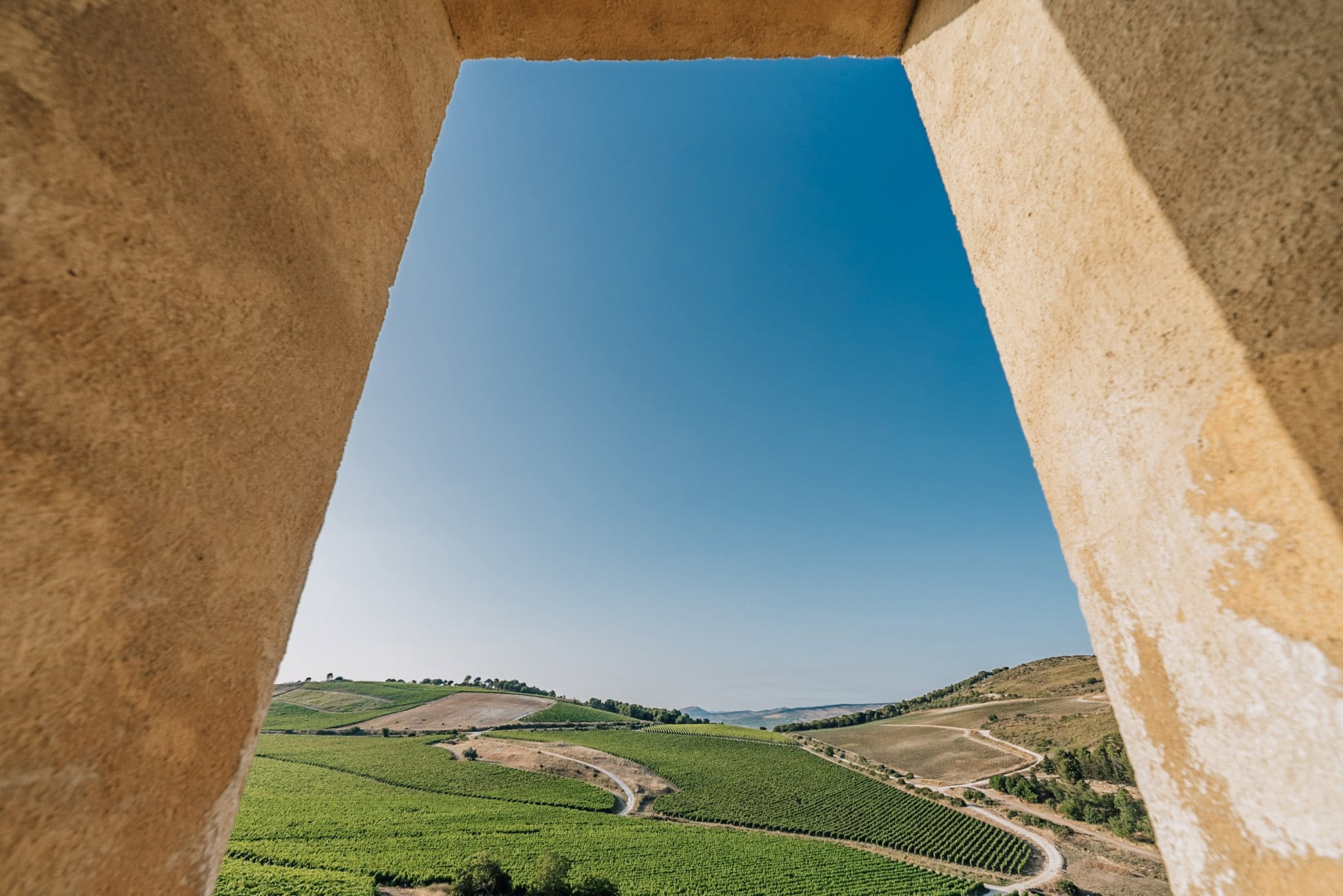
It was on October 20th, 2000, in the Salone dei Cinquecento of Palazzo Vecchio in Florence - whose magnificent coffered ceiling painter Giorgio Vasari adorned with depictions of the territories once ruled by the Medici, including Chianti Classico and San Gimignano, homeland of Vernaccia, among others, that 19 countries, including Italy (later joined by a total of 40 states), signed the “European Landscape Convention”. This was the first international treaty promoted by the Council of Europe to protect, manage and plan landscapes and landscape policies. It embraced landscapes of every kind, ordinary and extraordinary alike, even those affected by degradation, all born from the relationship between nature and humankind. Among them, the landscape “shaped” by wine stands as a living symbol, with Europe being the cradle of its culture and, as the late art critic Philippe Daverio once told WineNews, perhaps the primary distinguishing feature of what it means to be European. So significant is this legacy that October 20th has become not only the International Landscape Day, but, starting from tomorrow, it will also mark the first “Italian Winegrowing Landscape Day” (Gpvi), conceived by the International Association Iter Vitis and Iter Vitis Italia, the Italian national branch of the Council of Europe Cultural Route dedicated to vine and wine culture. The celebration will run from October 20th to 25th, featuring a nationwide programme of 30 events across 12 regions and 19 Italian provinces, involving some of the most representative wine landscapes of Italy: from the Cinque Terre to Pantelleria, from the Langhe to Irpinia, from Franciacorta to Chianti, from Maremma to Vulture, from Friuli Collio to the Conegliano Valdobbiadene Prosecco Superiore Docg Hills, from Chianti Classico to Montalcino, from Umbria to Sannio, from Lake Garda to Abruzzo, and from Puglia to Sicily. Their communities will take center stage against the backdrop of heroic terraced vineyards, volcanic viticulture, archaeological landscapes, architect-designed wineries, wine museums and historic villages. The program will include scientific conferences, public meetings, guided tours, cultural itineraries, wine tourism experiences, exhibitions and contemporary art installations, workshops, educational activities and social inclusion initiatives, all under the theme “Paesaggi di vite. Paesaggi di vita” - “Landscapes of vine. Landscapes of life”.
The richness and diversity of Italy wine landscapes, and their recognition as a living cultural, environmental, productive and identity-defining heritage shaped by history, labor, knowledge and community life, will be highlighted at the inaugural event taking place tomorrow, October 20th, in Sambuca di Sicilia, in the heart of the Terre Sicane, where Iter Vitis originated. The program will bring together landscape education, memory, wine culture and territorial development: it includes an educational visit for younger generations to Vigneto Cana, created through a donation by Giacomo Rallo, founder of Donnafugata, and linked to the educational project “Adotta una vite” - “Adopt a vine”, involving students from the “G. Tomasi di Lampedusa Comprehensive Institute”. The day will also feature the assembly of the Sicily Wine Production District and a public opening event at Palazzo Panitteri, with readings from “Vino al vino” by the master of Italian food and wine journalism Mario Soldati, together with the presentation of the national program and of the project “La Banca del Vino delle Doc di Sicilia” - “The Wine Bank of Sicily Doc Wines”.
Particular emphasis will be placed on the dialogue between contemporary art and wine landscapes, thanks also to the contribution of MetodoContemporaneo (October 23rd-25th), the first Italian observatory dedicated to the relationship between contemporary art and wine landscapes, established by the University of Verona and Bam! Strategie Culturali. Through a series of itineraries linking art, wine and landscape, wineries, museums, foundations and cultural institutions across several Italian regions will be involved. From Ca’ del Bosco in Franciacorta, where visitors can discover a collection of contemporary artworks interacting with the winery architecture and surrounding landscape (October 23rd), to Fontanafredda, presenting the new season of the Laboratorio di Resistenza Permanente, a forum dedicated to culture and public debate (October 24th), and Castello di Perno, in the Unesco-listed Langhe, offering an exploration of the historic home of Giulio Einaudi Publishers and the great season of 20th-century Italian publishing, where literary memory, wine culture and landscape intersect (October 23rd); from Bosca in Canelli, showcasing the historic Unesco-listed “Underground Cathedrals” and the artistic project Fragments of Duration, a journey through industrial heritage, underground architecture and contemporary art (October 23rd); to La Raia in Gavi, hosting the Art and Biodiversity Route, a guided tour through artistic installations, biodiversity and sustainable landscape management practices (October 25th); from the Livio Felluga Abbey of Rosazzo in Friuli Collio, with From the Vigne Museum to Rosazzo Abbey: Art and Landscape, a cultural itinerary exploring contemporary architecture, history, art and Friulian wine landscapes (October 24th), to Bonotto delle Tezze, in the Unesco-listed Conegliano Valdobbiadene Prosecco Superiore Docg Hills, presenting “Officina Malanotte”, featuring talks, winery visits and discussions with artists on the relationship between contemporary creativity, wine entrepreneurship and local cultural identity (October 24th); from Castello di Ama in Chianti Classico, offering a journey through site-specific artworks, historic architecture and wine landscapes (October 23rd); to Frescobaldi CastelGiocondo in Montalcino, with a visit to Artists for Frescobaldi, the estate collection of contemporary art, bringing together creativity, corporate memory and the Brunello wine landscape (October 25th); from Rocca di Frassinello, owned by Domini Castellare in Maremma, with Art, Wine and History, including a visit to the winery designed by architect Renzo Piano and the Etruscan necropolis of San Germano, linking archaeology, contemporary architecture, wine culture and landscape (October 25th) to Muvit, the Wine Museum of the Lungarotti Foundation in Umbria, offering guided visits to its collections and exhibitions Wine, Gift of the Gods. Tomb 58 of the Osteria Area C Necropolis and Bioarchaeology in Vulci and Aurea. Stratigraphies of Time by Francesca Cencetti (October 23rd); from Feudi di San Gregorio, part of the Tenute Capaldo Group, where visitors can admire site-specific works from the company BeCurious project and pieces on loan from the prestigious Sandretto Re Rebaudengo Foundation Collection (October 23rd), and Bellaria in Irpinia, offering an experience focused on local wine production and the relationships between grape varieties, agricultural practices, local identity and wine culture (October 23rd) to Planeta Tenuta Ulmo in Sambuca di Sicilia, featuring a visit to the Studiolo and Falconeri by Monira Al Qadiri, a journey through contemporary art, architecture and the wine landscape of the Terre Sicane (October 24th).
And tomorrow, October 20th, in the Cinque Terre, Cantina Cooperativa Cinque Terre in Riomaggiore will host “Vines, Landscape and Functional Biodiversity: Historical and Cultural Value, Ecological Dynamics and Management Strategies in Heroic Winegrowing Areas”, an international conference on heroic viticulture and terraced landscapes. The event will focus on the preservation of historic landscapes, functional biodiversity, climate resilience and management strategies, bringing together experiences from wine landscapes across Europe. On Pantelleria, Cantine Pellegrino will open its doors for guided visits exploring the winemaking of Zibibbo and the relationship between agricultural traditions, heroic viticulture and the island distinctive landscape, accompanied by a glass of wine and local gastronomic specialties. Also on the island of the wind, “The Gardens of Tanit: wine, land and the knowledge of Pantelleria” will offer winery visits dedicated to the discovery of traditional Pantescan viticulture, winemaking practices, and the connection between agricultural work and the island landscape, again accompanied by a glass of wine and food tastings. Remaining in Sicily, at the Archaeological Park of Himera, Solunto and Iato, at the Temple of Victory in Termini Imerese, “Himera: Archaeology, Wine and Landscape” will present the archaeological research and excavations carried out by the University of Bern, placing them in dialogue with an agricultural and territorial interpretation of the Sicilian landscape, accompanied by tastings of wines from Sicilian wineries. At Casa Diodoros, within the Valley of the Temples Archaeological and Landscape Park in Agrigento, “Diodoros, the missing Grillo. A wine born at the foot of the Temple of Juno” will feature a guided tasting of the new Diodoros Grillo, produced from vineyards located below the Temple of Juno, exploring the relationship between viticulture, archaeological heritage, local production and the historic agricultural landscape of the Valley of the Temples.
On October 21st, at Cantine Ciervo in Dugenta, “I Divinamente Abili in Vigna” will be a social inclusion initiative linked to the “DivinaMente Abili” project, which promotes viticulture as an opportunity for participation, learning and personal growth, highlighting the social dimension of vine landscapes in the Sannio area. At Cantina di Venosa, in Venosa, in the Vulture district, discussions will focus on “The wine landscape of Vulture: identity, protection and future”, a meeting dedicated to the region wine heritage, where volcanic soils, the tradition of Aglianico and the work of local communities have shaped a landscape of extraordinary cultural, environmental and productive value. Central themes will include territorial identity, conservation needs and prospects for the enhancement and sustainable development of vine landscapes.
On October 23rd, at Tenuta Rapitalà in Camporeale, visitors will be able to take part in a “Trekking through the garden of Sicily”, discovering the wine landscape, local biodiversity and the relationship between the environment, agricultural activity and wine culture. The program will remain in Sicily on October 24th with an event at Azienda Agricola Dei Principi di Spadafora in Monreale: “The Landscape, the Colour of Wine: A Vineyard Photography Experience and Cyanotype Printing Workshop”. The initiative will transform the forms, textures and natural elements of the wine landscape into materials for an artistic interpretation of the territory. In the Langhe, together with the Barolo & Castles Foundation, participants will depart from Alba for an itinerary between the Tower of Barbaresco and the Castle of Barolo, featuring “Ambiente da vino. Un mondo sopra e sotto terra” - “A wine environment: A world above and below ground”, a geologist-led exploration of the Unesco-listed wine landscape through the history and structure of its soils. From Villa Agreste in Ostuni, in Puglia, “La Vigna del Terzo Paradiso e il nuovo paesaggio culturale di Villa Agreste” - “The Vineyard of the Third Paradise and the New Cultural Landscape of Villa Agreste” will offer a walkscape led by art historian Giovanna Bozzi, from the winery to the artistic vineyard inspired by the symbol created by Michelangelo Pistoletto. The route will explore the natural environment of the Ostuni countryside, dry-stone walls and the rural landscape, followed by a vineyard lesson on environmental art and Artenatura led by Ilaria Oliva. At Cantina Di Prima, once again in Sambuca di Sicilia, “Autunno in Cantina” - “Autumn in the Winery” will feature wine-focused masterclasses with Irvo, the “From Glass to Plate” program, a cooking show titled “Wine in Food”, and performances exploring the role of wine in music.
On October 25th, in Peschiera del Garda on Lake Garda, Ottella will open its doors for “The art of looking beyond day: a journey through art, landscape and beauty”, an experience dedicated to the encounter between contemporary art, architecture, wine and landscape, while discovering the wine culture of Lugana. An “Autumn in the Winery” celebration will also take place at Baglio Donna Franca in Marsala, featuring guided tours, wine education sessions with Irvo, cooking shows and musical performances dedicated to wine culture. Last but not least, at the EnoMuseo di Tollo in Abruzzo, “The Characteristic Elements of Tollo Agricultural Landscape: Tools for Identification, Assessment and Restoration” will offer a meeting dedicated to understanding the agricultural landscape, identifying its defining features and examining the tools available for assessing, restoring and protecting rural landscape heritage.
Bringing the “Italian Winegrowing Landscape Day” to life will be a broad network of stakeholders, including wineries, public institutions, universities and research centers, museums, foundations, cultural associations, territorial development bodies, schools and third-sector organizations, together with professionals from the fields of culture, art, agriculture and tourism. This participation reflects the Day mission to build relationships and collaborations among diverse actors, recognizing landscape as the common thread connecting the identities of Italian viticulture and as a strategic resource for the sustainable development of local territories. The “Italian Winegrowing Landscape Day” has been created with the ambition of becoming an annual national event dedicated to the understanding, protection and enhancement of vine landscapes, promoting greater awareness of their value and of the shared responsibility to preserve and pass them on to future generations. From Sambuca di Sicilia to vineyards throughout Italy, this first edition will therefore launch a collective journey of knowledge, participation and collaboration aimed at safeguarding and promoting the extraordinary diversity of Italy wine landscapes, for those who created them, for those who live among them today, and for the generations yet to come.
Copyright © 2000/2026
Contatti: info@winenews.it
Seguici anche su Twitter: @WineNewsIt
Seguici anche su Facebook: @winenewsit
Questo articolo è tratto dall'archivio di WineNews - Tutti i diritti riservati - Copyright © 2000/2026