


Thursday 12th of November 2026 - Last Update: 16:48



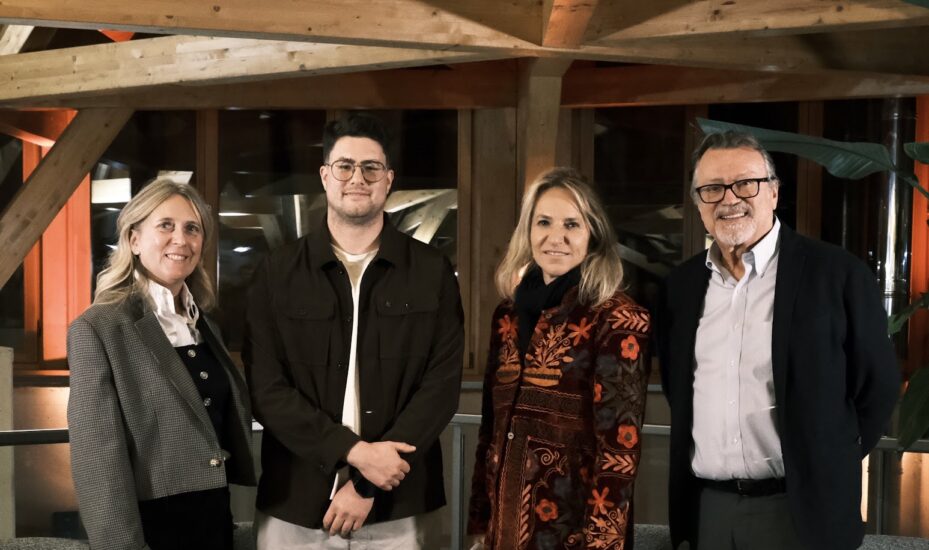
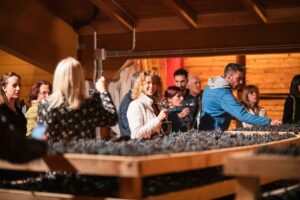
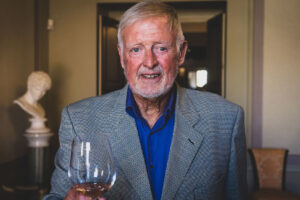
More than France, Spain and Portugal, and yet another confirmation that many tourists captivated by Italian territory see wine as the winning “spark” when choosing a destination. This demonstrates that wine tourism is becoming an increasingly more important resource for Italy wine sector. Italy records the highest average spending per booking among four major wine tourism markets: 107 euros, 26% more than France, and ahead of Portugal and Spain. For German-speaking travelers, Italy is primarily associated with food and wine, even before its artistic heritage. These were among the topics discussed at the “Nadia Zenato Salon”, a series of meetings conceived by one of Italy most accomplished wine producers and wine women. Held in recent days at Tenuta Sansonina in Peschiera del Garda, the event focused on the future of Italian wine tourism and the opportunities offered by international markets. Participants included host Nadia Zenato; Roberta Garibaldi, professor at the University of Bergamo and president of Aite (Italian Association of Food and Wine Tourism); chef Andrea De Lillo of the Michelin-starred Nin restaurant in Brenzone sul Garda; and Lamberto Frescobaldi, head of the Frescobaldi Group. The discussion was moderated by Luciano Ferraro, deputy editor of “Corriere della Sera”.
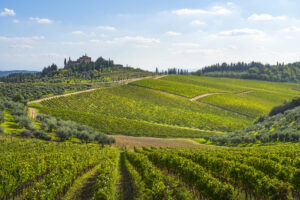
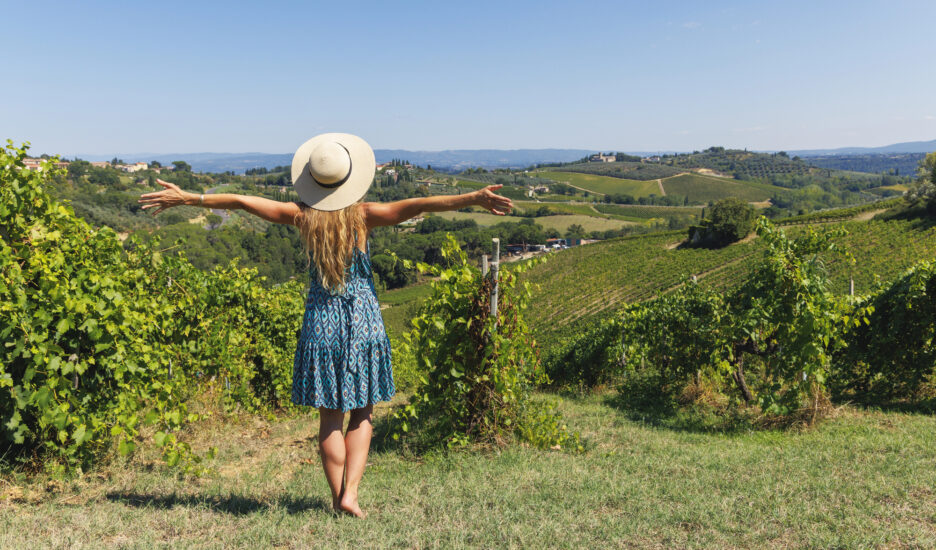
The debate was inspired by report “Enoturismo: i mercati di Germania, Austria, Svizzera e Francia” - “Wine tourism: the markets of Germany, Austria, Switzerland and France”, prepared by Roberta Garibaldi in collaboration with Fine Italy and Sansonina. The study combined more than 2,000 interviews, sentiment analysis of online reviews, and 15,000 real wine tourism bookings. The first key finding concerns Italy image itself: for 55% of travelers from the Dach area (Germany, Austria and Switzerland), food and wine are the foremost elements associated with Italy, ranking even ahead of art and monuments, compared with 34% of French respondents. Destination choice is influenced above all by the rural landscape, considered important (rated between 7 and 10 out of 10) by 83% of Dach respondents and 88% of French travelers, as well as by the presence of authentic local restaurants (70% and 81%, respectively). The attractiveness of a wine destination, therefore, doesn’t depend solely on the reputation of its wines, but on the opportunity to enjoy an experience that is consistent with the identity of the place. Wine tourism is almost always part of a broader holiday. 59% of Dach travelers visited one or two wineries, while among French visitors the share of those visiting three or more wineries rises to 40%. French travelers appear more inclined to build itineraries and explore southern Italy and the islands. As a result, Mount Etna (40%) is now on par with Chianti (39%) among the most desired destinations for French tourists. The study also highlighted a counterintuitive finding: in Germany, one winery visitor out of three did not travel to the region for wine in the first place, but encountered it within a broader experience centered on landscape, food and nature.
But how much is wine tourism worth? According to the booking data analyzed in the report, Italy generates the highest average spending per booking among the four European wine tourism markets compared (Italy, France, Spain and Portugal), at 107 euros. A significant share of this value, 60%, comes from wine purchased directly at the winery. The profile of wine tourists is also changing: wine tourists are younger than the sector often assumes, with more than four out of ten visitors under the age of 35. Confirming the strength of Italy reputation, Germany ranks as the leading international market in terms of the number of reviews in denomination areas, second only to Italy itself, while satisfaction levels exceed 85 points out of 100 across all markets analyzed.
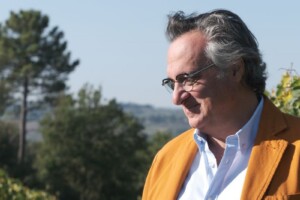
“The real challenge for Italian wine tourism - affirms Roberta Garibaldi - is not simply attracting more visitors to wineries, but transforming our wine heritage into a structural competitiveness factor for destinations. Our research shows that international tourists do not choose a territory solely because of the reputation of its wines. They seek landscapes, culture, gastronomy, authentic relationships and a comprehensive experience capable of expressing the identity of a place. To unlock this potential, we must overcome the fragmentation of the offer and build structured, shared territorial governance that connects Dmos (Destination Management Organizations), consortia, institutions, businesses and local communities. What matters is defining responsibilities, common objectives and collaborative tools so that wine becomes an integral part of a destination strategy”. According to Lamberto Frescobaldi, president of the Frescobaldi Group and Unione Italiana Vini (Uiv), “wine tourism is certainly one of the key tools for giving wineries some breathing space at a time when nearly all of them are facing difficulties. Those who do it well provide a quality service and succeed in enhancing the value of their bottles. But let me remind you that it must remain the icing on the cake: our core mission is still to bring wine across Italy and around the world, and the winery is an essential aid in telling its story. Having said that, visitors should not feel as if they are entering a museum. They should enjoy an experience tailored to them, like stepping into a home, and feel unique. They should encounter the territory itself, because authenticity is what makes an experience successful. We shouldn’t compete with restaurants, but offer something a restaurant can’t provide”. Entrepreneur Nadia Zenato stressed that “the figures tell us that Italy is highly desirable. But figures alone are not enough, and above all they should never make us complacent. The risk, when you are successful, is that you stop striving to improve. Authenticity is not something you proclaim; it is something you practice, often through very concrete gestures: speaking the language of your guests, dedicating time to them, taking them into the vineyard, and telling them about the people who work that land. Today travelers immediately recognize when authenticity has been artificially constructed. As producers, we must have the courage not to chase other people models. We need to put ourselves on the line and tell a genuine story”. This is especially important because, as Andrea De Lillo, Michelin-starred chef of Nin restaurant, explains, “today guests make their choice before they even arrive. The decision is not made while sitting at the table, but much earlier, often online or over the phone. That is why being recognizable matters”.
Copyright © 2000/2026
Contatti: info@winenews.it
Seguici anche su Twitter: @WineNewsIt
Seguici anche su Facebook: @winenewsit
Questo articolo è tratto dall'archivio di WineNews - Tutti i diritti riservati - Copyright © 2000/2026