


Monday 14th of September 2026 - Last Update: 17:49





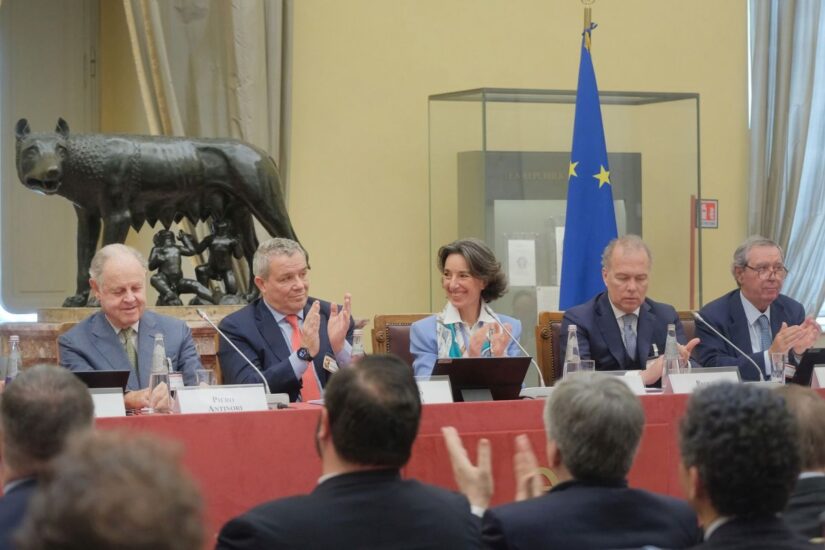
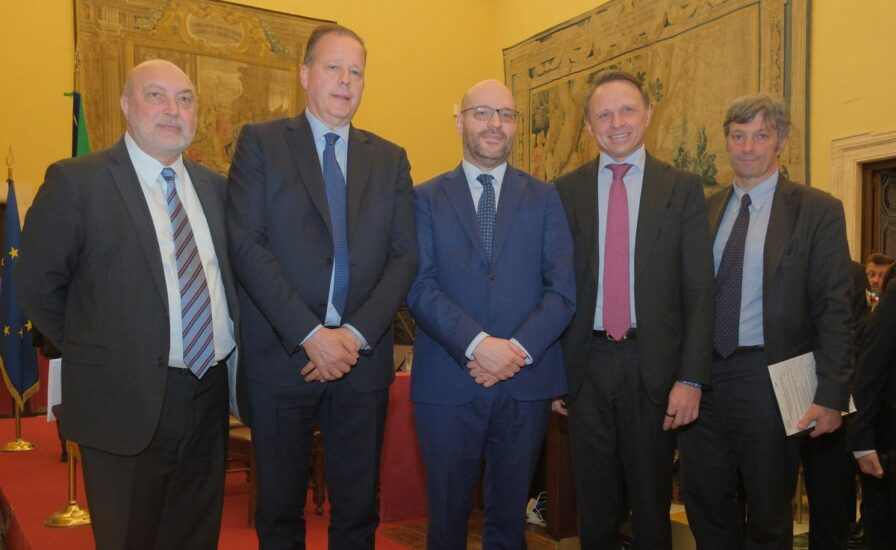
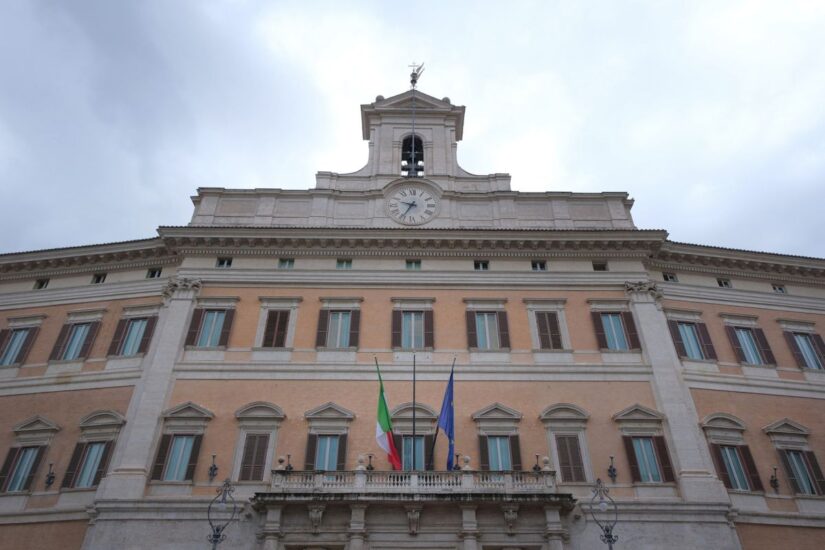
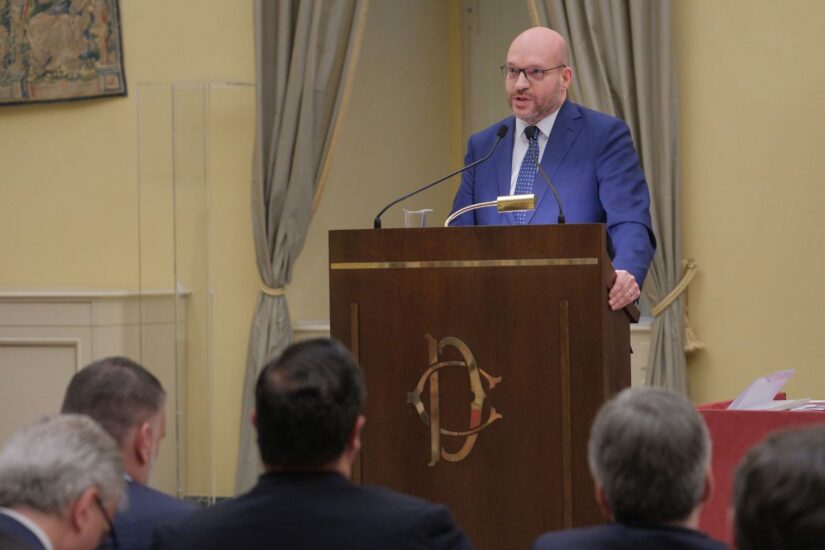
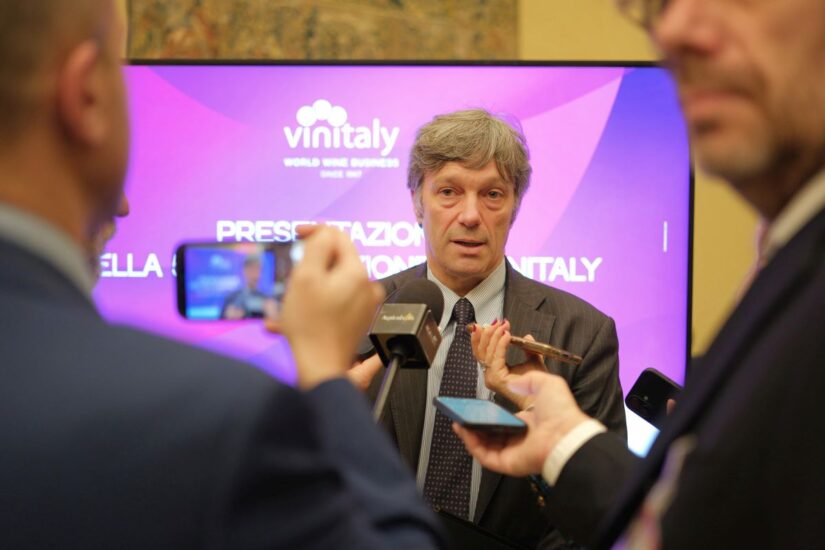
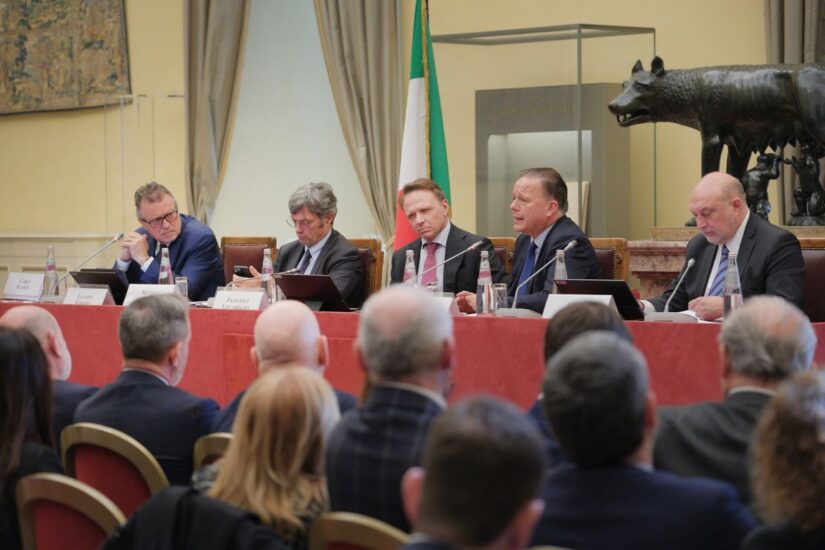
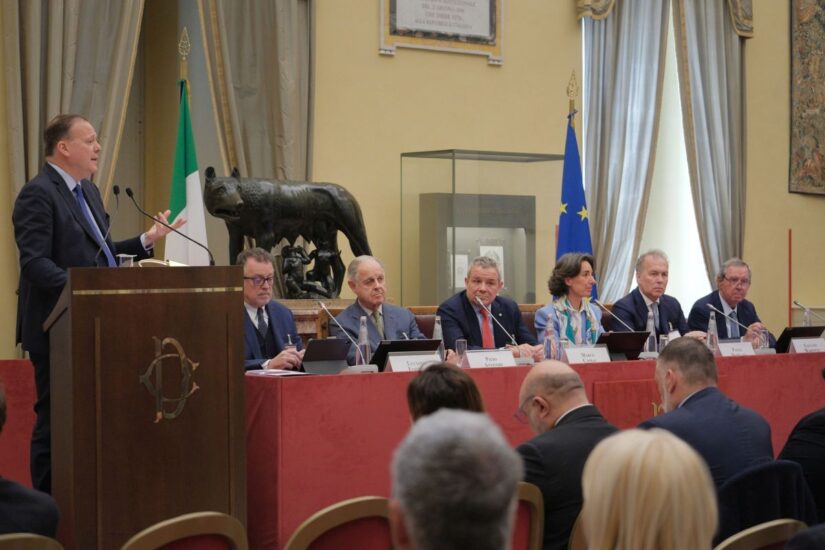
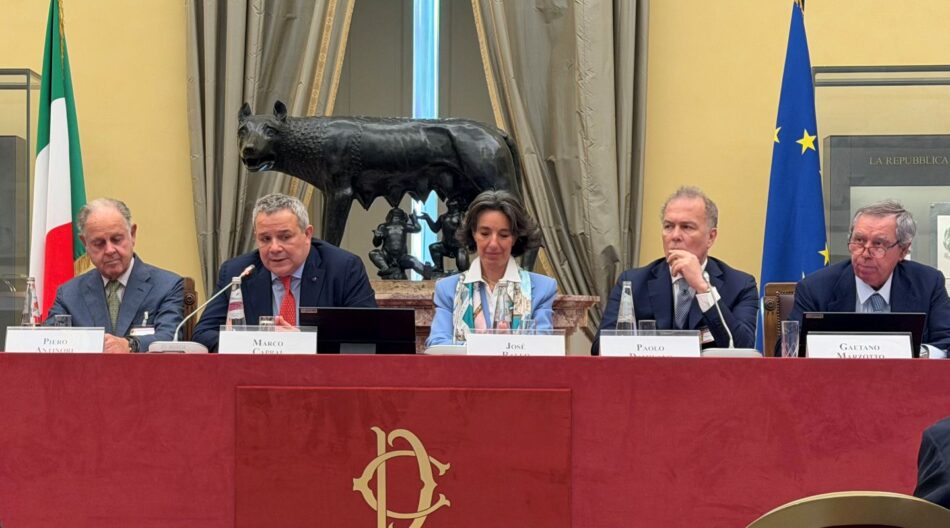
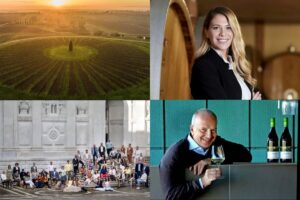
There are those who began their work in wine in 1986, 40 years ago, in the year of the methanol scandal; those who had to face it as producers, but also as president of Federvini. A tragic event which nonetheless became the spark for the “renaissance” of Italian wine, thanks to the joint efforts of businesses and institutions. There are those who turned a complex issue such as labor shortages into a real opportunity for economic and cultural integration. There are those who transformed a challenge like excessive heat by inventing night harvesting, which also became a powerful communication tool. There are those who helped turn wines which were almost unknown at the time into pillars of Italian wine in the United States and around the world. And there are those who invested, despite extremely high values, in the finest vineyards of Barolo, convinced that a wine and a territory already at the highest level could still give even more. In short, there are those who, over the past 40 years, have successfully overcome the many crises which Italian wine cyclically faces and who, for this very reason, even today, when many economic, social and geopolitical conditions are putting the sector under pressure, continue to look to the future with great optimism. This is the core message emerging from the voices of the “pioneers” of modern Italian wine, such as Piero Antinori, today honorary president of the historic Italian wine family Marchesi Antinori, among the most admired names in the world, Marco Caprai, who through the family winery Arnaldo Caprai relaunched Sagrantino di Montefalco worldwide and revived its entire territory, and still José Rallo, who, together with her brother Antonio, leads Donnafugata, a winery which under the guidance of their father Giacomo Rallo left an indelible mark on the “renaissance” of Sicilian wine, Paolo Damilano, at the helm of one of the most established and prestigious names in Barolo and the Langhe, up to Gaetano Marzotto, president of Herita Marzotto Wine Estates, among the leading global players in Italian wine. These reflections were shared today at the launch of Vinitaly 2026, the edition No. 58, which will take place from April 12th to 15th at Veronafiere in Verona (and whose insights and visions were collected by WineNews in one-on-one conversations). The message came from a highly symbolic venue, Sala della Lupa at Montecitorio, home of the Chamber of Deputies, where on July 10th, 1946, the results of the referendum which made Italy a Republic were proclaimed, and where one of the three original copies of the Constitution is preserved. “An important place to pay tribute to the absolute value of Italian wine”, said Luciano Ferraro, deputy editor of “Corriere della Sera”, and Federico Bricolo, president of Veronafiere, in the presence of the President of the Chamber, Lorenzo Fontana. They opened a debate which unfolded through business testimonies and visions that remain highly relevant today, and that closed with a clear message, optimistic despite the difficulties, signed by Piero Antinori himself, the Minister of Agriculture Francesco Lollobrigida, and the president of Ita-Italian Trade Agency, Matteo Zoppas (with whom we analyzed the start of 2026 for Italian wine exports to the United States).
“40 years have passed since the tragic methanol scandal, but for me - explained Piero Antinori - it feels as if it happened yesterday, such was the trauma of this dramatic event, with deaths and poisonings. It was a gigantic shock for the sector. I was in Canada with other producers on a business trip and had to abruptly interrupt it and return to Italy. I was also president of Federvini and was called upon to make decisions to limit the damage. And there was damage, serious damage: wine sales collapsed, and many countries which were already important markets blocked imports. The immediate impact was severe. But I believe important measures were taken, including at government level, with controls along the supply chain and sanctions for offenders. A great deal of work was also done on the diplomatic front. The Minister of Foreign Affairs at the time was Giulio Andreotti - recalls Antinori - who activated every diplomatic channel to convince all countries that these were isolated cases which didn’t concern Italian wine as a whole. But there was also, among us producers, a desire for redemption, a determination to erase a mark of infamy which had unfairly fallen upon us. Communication efforts multiplied to restore the respect that Italian wine deserved, both in Italy and abroad. Above all, however, there was a growing awareness on the part of government authorities, who understood that the strategy had to focus on the quality of Italian products. Trade and distribution understood this as well, that selection couldn’t be based solely on price and consumers, too, came to realize that wine couldn’t cost less than mineral water. And if the short-term damage was considerable - still recalls Piero Antinori - this episode is also considered the beginning of a modernization of the wine system and of a virtuous path worldwide. And, if today Italian wine is at the top of global markets, it is thanks to this new “post-methanol scandal” course. It was a gradual process which took a few years, but it was also swift, because it was a shock. As it is said, not all bad things come to harm; sometimes something beautiful can emerge from negative events. And looking at today - still underlines Antinori - the moment is difficult, but we should also stop talking only about negative aspects and focus more on the many positive qualities of our wine, which is irreplaceable and, better than any other product, accompanies good food and convivial dining”.
Also the case history of Marco Caprai transformed critical issues into opportunities, going beyond mere business utility, who through a project of inclusion and social employment with Caritas of Foligno - award-winning from the United Nations to Symbola-Fondazione per le Qualità Italiane, and which earned Caprai the title of Officer of the Order of Merit of the Italian Republic from President Sergio Mattarella - has provided jobs to hundreds of asylum seekers over the past 10 years, thus fostering their integration into Italy and into the social fabric of the Sagrantino di Montefalco territory. And who narrates his version of the recent history of wine: “I started working in wine at Vinitaly in Verona, in 1986, the environment was traumatized. From that moment I remember how fortunate I was to listen to Luigi Veronelli, who told us what we needed to do. Thanks to him we understood the value of territory, grape quality, biodiversity, our landscapes and our stories. Because wine is all of this, it is not just a beverage: in the glass, there is a quantity of culture which no other alcoholic beverage contains. Wine is part of our culture and our history, and cultural elements are fundamental in this phase. Drinking intelligently, the intangible values contained in the glass. We must help rediscover territories, as it happened after Covid, and Verona has done a great job in this regard. In our company, to address the labor issue, we began working with Caritas, providing employment to 300-400 people from over 30 different nationalities. Our agriculture creates real integration; it turns those who arrive in our country, often just a place of passage, into conscious citizens. And it responds to a real problem: there is a declining birth rate, countries and rural areas are emptying out, and not everything can be recovered through mechanization. But those who do business have a duty to be optimistic, optimism is the salt of life, and entrepreneurs must use it generously. The fortune of Italy wine sector, and not only that - continues Caprai - is that it still has deposits waiting to be discovered. We go into our countryside and still find products we have never tasted before, that is what makes the world fall in love with us. Tourism linked to product quality is an advantage that makes us unique in the world”.
Optimism and vision also lie at the heart of the rebirth of Sicilian wine, of which Donnafugata is one of the most important signatures, also in terms of communication, as recalled by José Rallo: “my parents, our father Giacomo in particular, raised me on bread, wine and complications. My father always said that we had to pursue quality, but also know how to narrate it. I remember it was 1998: Chardonnay was ripening early and had to be harvested in early August. Our winemaker Vincenzo, suggested harvesting at night in order to bring cooler grapes into the winery and preserve their aromas. My father agreed, but he didn’t stop there, he said “we have to communicate it”. And, so we decided to throw a celebration to show the harvest under the stars (which is still today one of the most famous examples of “ante litteram” wine tourism, attracting hundreds of enthusiasts, ed). It was a way of telling the story of a forward-looking, innovative and high-quality Sicily”.
It was a bold initiative at the time, just as boldness, highlighted Ferraro, was required by the Damilano family, at the helm of the Barolo winery Damilano, to invest significant sums in the Cannubi cru, one of the most precious in a denomination where today the value of the most prestigious crus can far exceed 2 million euros per hectare. Yet, thanks to the wines arisen from those vineyards, Damilano rose to global prominence, as in 2023, when Barolo Cannubi Riserva 1752 2016 (together with Barbaresco Rabajà 2020 by Falletto di Bruno Giacosa, ed.) was chosen by international critic James Suckling as one of just two wines awarded a perfect 100/100 for guide “I Migliori 100 Vini e Vignaioli d’Italia” 2024 - “The Best 100 Wines and Winemakers of Italy” 2024 by “Corriere della Sera”, curated by Ferraro himself. Even so, for Paolo Damilano, who leads the company, “talking about courage when investing in Italy is almost inappropriate because Italy is the most beautiful country in the world. We have 3 billion people between China and India who are about to buy their first airplane ticket, probably to come to Italy. If I had the opportunity - he said - I would buy all the vineyards I can, not only in the Langhe, because I believe that in the future Italy will be the symbol of excellence in world wine, but also in agri-food and tourism. I don’t feel particularly courageous, Cannubi is one of the most important crus of Barolo, recognized worldwide. You don’t even have to struggle that much there to make quality, these are extraordinary lands. What you need to do is promote our quality wine well. And U.S. tariffs have made us understand that it is a market that must be approached differently, and also that we need to diversify into other countries and involve younger generations. And sometimes you also need strokes of luck, but those have to be sought out, by traveling and working because they don’t come if you’re sitting on the couch”, said Damilano, commenting on the video published in recent weeks by U.S. basketball star LeBron James, featuring Damilano Barolo Cannubi.
A stroke of luck was also what, many years ago, led Tony Terlato (head of Terlato, one of the most important wine companies in the U.S., ed) to choose Pinot Grigio by Santa Margherita (today part of Herita Marzotto Wine Estates) to import into the United States, turning it into a symbol of made in Italy, recalled Gaetano Marzotto.
“No one in the U.S. knew Pinot Grigio back then. Tony Terlato came to us in Portogruaro and asked Milanese restaurants which Pinot Grigio was the best, and they recommended ours. Terlato embraced our cause by positioning us in the best restaurants in America, and it succeeded because it was a fresh, fruity and light wine that paired well with all cuisines, not just Italian, and it especially won over women, who drank a lot, particularly on weekends. Then Prosecco also arrived, bringing us extraordinary results. We must never stop: if you keep innovating, you succeed. Today people drink less, but they look for higher quality. In the U.S. consumption is 10 liters per capita per year, so there is still enormous room for growth.
We have invested heavily, following Antinori example by investing in land and wineries. As a family we have other businesses, but when we get together we talk about wine, because it takes us to extraordinary places. We are in the third generation and moving into the fourth, it is always complicated, but we see great opportunities in the future despite Trump”.
And great opportunities for the future, despite everything, are also seen by Piero Antinori himself: “It is true that this is a difficult moment, but there are many areas of the world which still don’t know wine, and I am certain that sooner or later they will discover it and appreciate it. For this reason, one can only be optimistic”. But it is essential that businesses and institutions work together for the good of the sector, as testified by the president of Ita-Italian Trade Agency, Matteo Zoppas, and Minister of Agriculture, Francesco Lollobrigida.
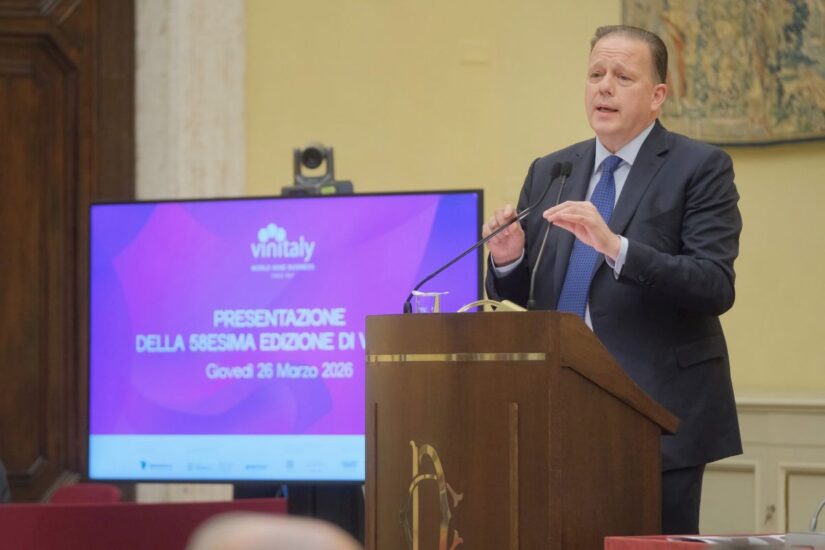
“Vinitaly - said Matteo Zoppas - is increasingly becoming a global benchmark. I was moved by Marzotto story about Pinot Grigio and Tony Terlato, I knew him personally, and thanks to Bill Terlato, together with Minister Lollobrigida, we developed Vinitaly.USA, which in 2027 will take place in New York on October 26th - 27th, just a few hours after Wine Spectator “Wine Experience” (October 22nd - 24th, ed). There are important developments underway. We are facing some critical figures at the start of 2026, but they should concern us only up to a point, because Italian wine has always proven to be strong. That said, this is no reason to relax. At Vinitaly, we bring together at least two-thirds of the world most important buyers, thanks to an additional 100 million euros allocated in the national budget also thanks to Minister Lollobrigida, which allows us to strengthen our activities across the rest of the world as well. And wherever we carry out promotion, we see wine growing”.
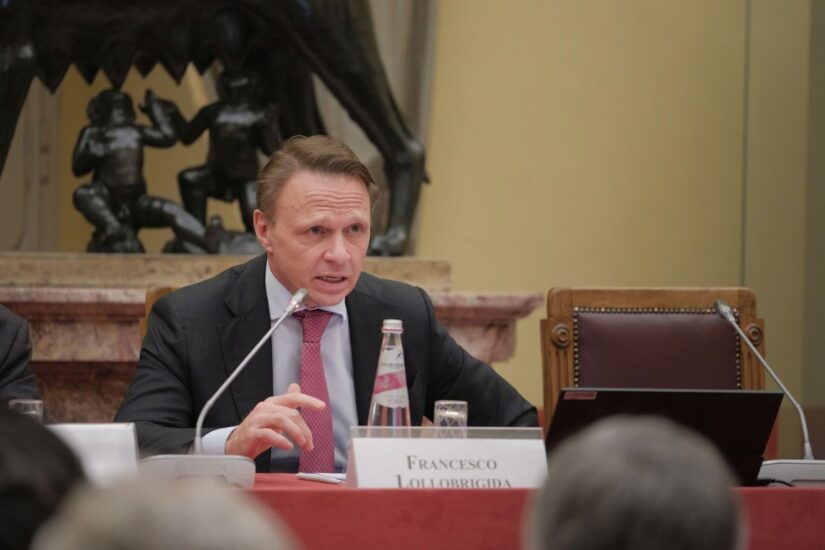
“Wine needs a multifaceted vision that goes beyond trade - said Minister of Agriculture Francesco Lollobrigida in turn - because wine is culture, history and much more. We need institutions which listen to those companies which are the best in understanding changes. Wine, for example, has seen consumption drop drastically over the past 30 years, but at the same time, it has grown enormously in quality, as it is natural in a changed world. Tourism and dining have grown tremendously, and today those who produce wine must also look at this, connecting with tourism. And, at Vinitaly, the Ministry theme will be linked to the recognition of Italian cooking as Unesco World Heritage, because the Italian way of sharing a meal can’t exist without wine. Conviviality without wine is not the same. The dinners we have organized to promote Italian cuisine around the world have all been successful, but those where wine could not be served, for example in Muslim countries, were not as successful as the others. In any case - added Lollobrigida - wine has shown its ability to relaunch itself in critical phases such as after the methanol scandal. In some areas, it has transformed the landscape for the better in just a few years, Franciacorta is one example. We have unique territories such as Mount Etna in Sicily, not to mention the rest of Italy, which is already well established. Our storytelling is unmatched. We try to help companies become more resilient and to accompany them around the world, as Ice does very well, but not only that. In recent days, we have launched a communication campaign on wine which certainly has not solved all problems, but has brought about a change in approach: previously, there was fear of talking about wine “because it is bad for you”. We want to go back to saying the opposite. It seems that if young people drink energy drinks, soft drinks or cocktails they are having fun, whereas if they drink wine they appear destined to perish: this is not true, and this is not the message we want to convey. This will be one of the themes at Vinitaly. The other will be the Ministry exhibition space which will recall a large bottle of wine with the slogan “c’è l’Italia dentro” - “there is Italy inside”, and will feature art, culture, moments of in-depth discussion, and so on”.
As the countdown continues towards Vinitaly 2026, Italian wine is therefore preparing to sound its comeback, united, as it did 40 years ago, after the methanol scandal.
Copyright © 2000/2026
Contatti: info@winenews.it
Seguici anche su Twitter: @WineNewsIt
Seguici anche su Facebook: @winenewsit
Questo articolo è tratto dall'archivio di WineNews - Tutti i diritti riservati - Copyright © 2000/2026