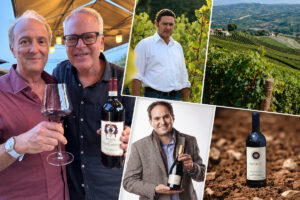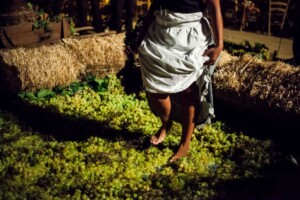









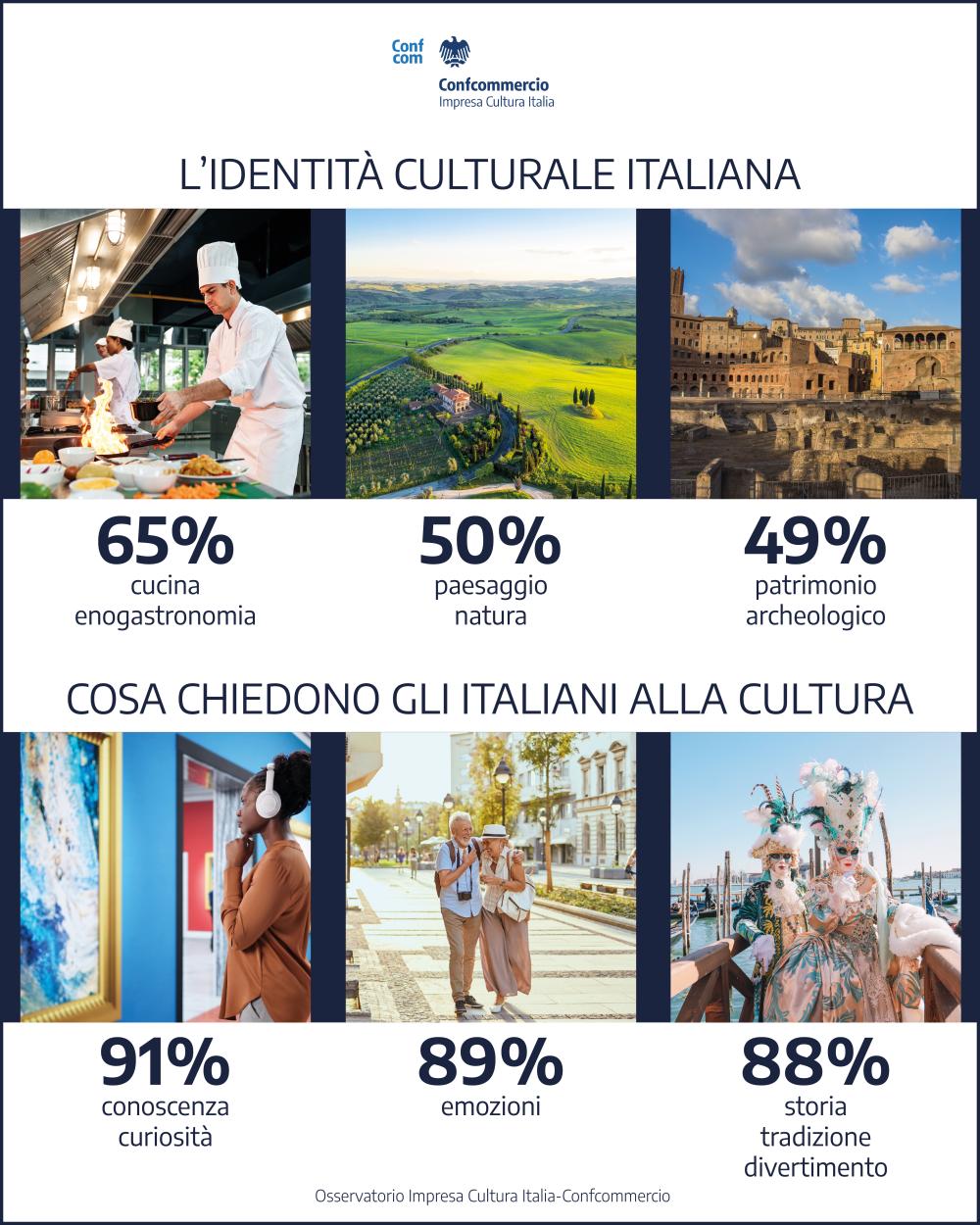
A plate of pasta and a glass of wine, a pizza, or a fine-dining dish today define Italian cultural identity more strongly than the Colosseum in Rome, the Uffizi Gallery in Florence, or St. Mark Square in Venice. These are extreme and simplified examples, but they capture the findings of the latest Observatory on cultural experiences in Italy, carried out by Impresa Cultura Italia-Confcommercio in collaboration with Swg. According to the survey, among the elements that Italians consider fundamental to Italian identity, food and wine culture ranks first by a significant margin, chosen by 65% of respondents. It is followed by landscape and nature, cited by 50%, and archaeological heritage at 49%. Further behind, there are art and artists (32%), followed by fashion and design (24%). In the collective imagination, in short, the country identity begins with what is on the plate even before it begins with a historical artifact.
The survey therefore shows that the boundaries of what we define as “culture” have definitively expanded. “While the traditional strongholds are holding their ground, visiting a museum (with a score of 7.7 out of 10), exploring a historical site (7.6), or attending a theater performance (7.0) remain the most iconic activities, the landscape is becoming more diverse. Alongside the fine arts, scientific conferences, immersive exhibitions, creative workshops, and food-and-wine discoveries have now gained full recognition as cultural experiences. Remaining outside the strictly cultural sphere, with ratings below a passing grade, are local food festivals, sporting events, major concerts, and amusement parks”.
Whatever the cultural experience may be, including gastronomic experiences, 91% of respondents indicated that their primary objective is to gain knowledge and stimulate curiosity. This is closely followed by the desire to experience a genuine emotional impact, mentioned by 89% of the sample. Nearly the same percentage (88%) expressed a desire to establish an authentic connection with history and traditions, while still enjoying entertainment and fun.
“Italians view of culture - declares Carlo Fontana, president of Impresa Cultura Italia-Confcommercio - is broadening and confirms the central role of local territories, with their communities, skills, and businesses. It is here that culture takes shape and becomes both an individual and a collective heritage. The Unesco recognition of Italian cuisine itself is proof of this capacity to become a lived experience. This evolution must now be translated into a unified strategy aimed at bringing together the broader and interconnected cultural value chain and providing it with coherent resources and tools so that it can fully express its potential. If the way citizens define and experience culture is becoming more personal and increasingly tied to the identity of places - added Fontana - then the policies through which we measure, finance, and make culture accessible must also adapt”.
Copyright © 2000/2026
Contatti: info@winenews.it
Seguici anche su Twitter: @WineNewsIt
Seguici anche su Facebook: @winenewsit
Questo articolo è tratto dall'archivio di WineNews - Tutti i diritti riservati - Copyright © 2000/2026