


Friday 18th of September 2026 - Last Update: 11:15






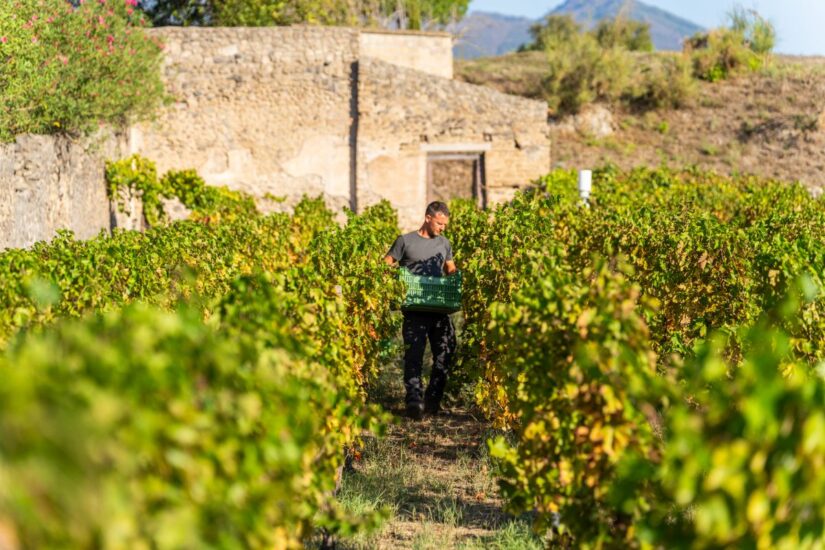
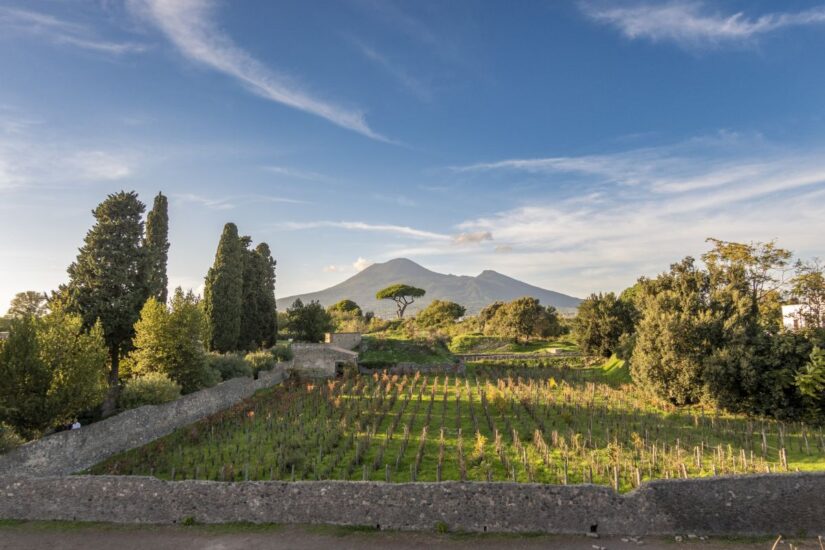
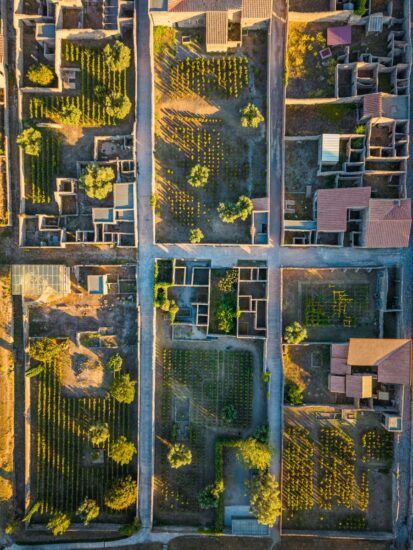
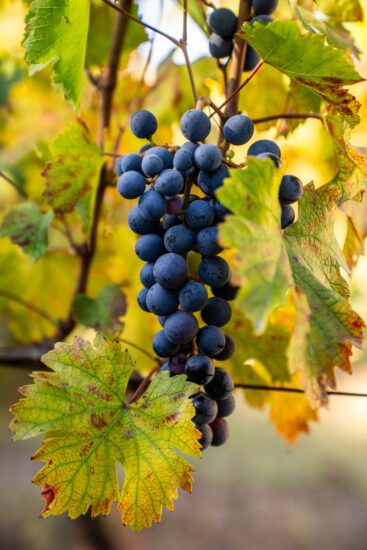
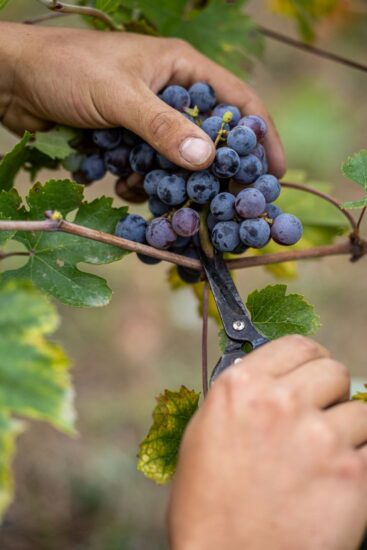
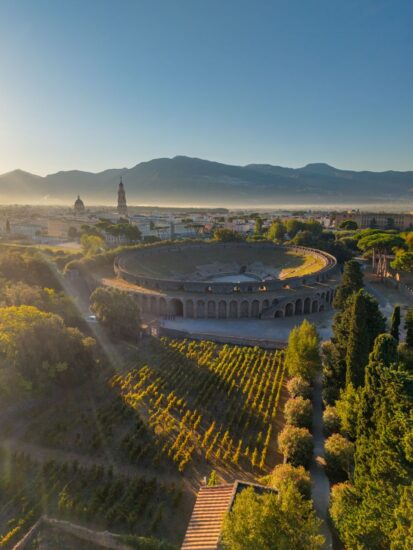
A true “archaeological vineyard” which, over time, will exceed 6 hectares, featuring local native grape varieties and the “vine patriarchs” preserved by Feudi di San Gregorio in Irpinia, planted on soils that have remained untouched for more than two thousand years. The project also includes the construction of an organic winery within the Park by 2028, with the goal of once again producing “Pompeian wine”: 30,000 bottles per year, with the first releases expected by 2029. This wine will be unique in the world not only because, thanks to the expertise of Italian winemaking, it is being reborn from antiquity among the excavations of the Roman city buried by the eruption of Mount Vesuvius in 79 AD, a symbolic site of global cultural heritage, but also because it tells the story of the very importance of wine in our civilization. Yesterday marked the writing of yet another chapter in the history of viticulture and the cultural and natural heritage of Pompeii, Italy, and the world. This achievement is the result of the special public-private partnership between the Pompeii Archaeological Park and the Tenute Capaldo Group, particularly the wineries Feudi di San Gregorio and Basilisco. The occasion was celebrated with a true festival, as the harvest of red grape varieties already cultivated by the Romans in Campania, namely Aglianico, Piedirosso, and Sciascinoso, returned to the current vineyard of just over one hectare located among the excavated Domus (as WineNews will soon report in an upcoming video, ed). The project is the outcome of significant research into native grape varieties and their cultivation through the centuries, carried out in collaboration with Attilio Scienza, professor of Viticulture at the University of Milan, together with the agronomic expertise of Feudi di San Gregorio and its head of production, agronomist Pierpaolo Sirch. The initiative is taking shape in one of the world most important archaeological areas, expected to welcome more than four million visitors in 2025.
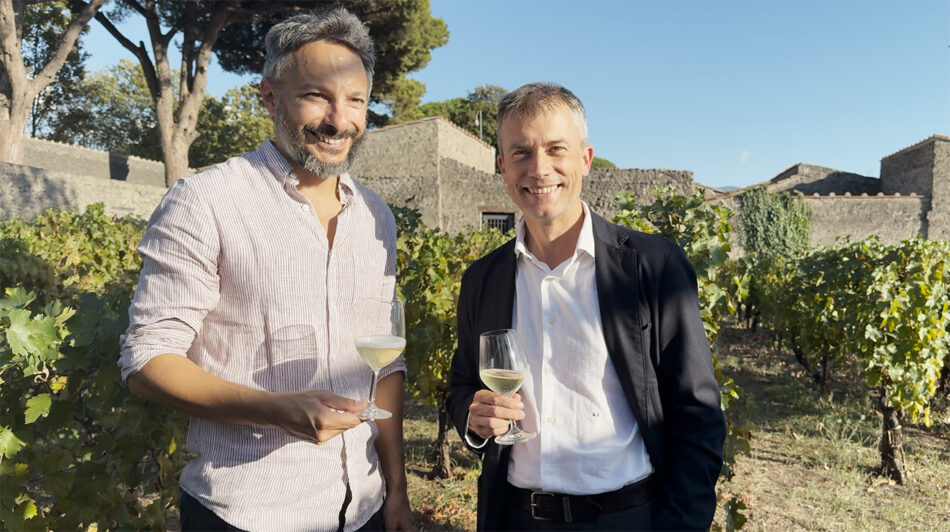
“Seeing the first grapes harvested inside the Archaeological Park is a moment we have been waiting for for a long time and one we regard as a great responsibility. With this first harvest, the production history of a project that is very close to our hearts truly begins: to demonstrate that it is possible to invest patiently and with a long-term vision in the cultural value of wine, restoring to Pompeii the role it has always played in the history of Mediterranean civilization”, underlines Antonio Capaldo, president of Feudi di San Gregorio.
This is an important and prestigious project, especially because of the way it has been conceived: a genuine partnership established with the goal of developing a comprehensive, long-term initiative that integrates the expertise of the Park and that of the Tenute Capaldo Group throughout the entire process, from vineyard cultivation to wine production, from research to promotion, and ultimately to the tasting and sale of wines on-site. This year harvest involves the 14 small vineyards preserved within the Park Domus, covering just over one hectare cultivated for both research and educational purposes. These represent 14 distinct botanical stories, distributed among the various Domus and differing in grape varieties, training systems, exposure, and humidity levels, while the walls surrounding them create an equal number of unique microclimates. Here, the red grape varieties already cultivated by the Romans in Campania are harvested: Aglianico, Piedirosso, and Sciascinoso. Supporting this historic nucleus, there is a new vineyard, established using genetic material taken from the century-old vines of Feudi di San Gregorio in Irpinia, the so-called “vine patriarchs”. These were planted in early 2026 in the area of Stabiae and Villa San Marco, at the heart of the Greater Pompeii enhancement plan. The vineyard is still young and not yet producing grapes, but over the coming years it will gradually reach full production, expanding the project to include white wines as well: Fiano, Greco, and Falanghina. The next step will be the construction of a winery for vinification and aging, to be located in a building in the Stabiae area. Completion is expected by the 2028 harvest, when the Stabiae vineyards will also begin producing grapes, thereby completing the production cycle that started this year in the Domus. Part of the wine-aging process will also take place within the Domus themselves, offering visitors an immersive experience in the story of ancient wine. The first wines resulting from the new partnership are expected by 2029. Once fully operational, the winery will produce approximately 30,000 bottles per year, complemented by a tasting and retail area within the Park.
The collaboration with professor Attilio Scienza, one of the world leading experts in viticulture will guide the reconstruction of ancient cultivation techniques. He supports the project by combining historical and archaeological evidence with the tools of contemporary research, ranging from botany and genetics to agronomy and viticulture.
“Pompeii and Campania are an interpretative model for the entirety of Italian viticulture - explains Scienza - Pompeii, in particular, is a unique place because it is both a borderland, which accelerated the development of a new model of viticulture, and a frontier, where different traditions never fully merged and have survived to the present day. The project goal is to make Pompeii an example of how it is possible to reconstruct the viticultural traditions of Italy through the many elements at our disposal: historical evidence, myth, literature, as well as genetics and Dna. We need places like these because, in the years ahead, the relationship between archaeology, vines, and wine will be strategic for high-quality tourism. Furthermore, restoring viticulture in Pompeii and rebuilding the relationship between the vine and its environment means returning to the very origins of viticulture itself”.
Alongside the research component, the project is built on the agronomic expertise of Feudi di San Gregorio and its head of production Pierpaolo Sirch, an internationally renowned agronomist who is overseeing the development of vineyards and this first production vintage step by step.
“We are currently in a phase of vineyard restructuring, both in terms of infrastructure and training systems. This is a transitional year that allows us to better understand Pompeii micro-environments, which are highly distinctive and offer tremendous potential - explains Sirch - we are becoming familiar with the microclimates of the 14 small vineyards distributed among the Domus. They differ in grape variety, humidity, and exposure, and each represents a unique story that must be understood and interpreted. This year we are harvesting only here. In general, it has been an unusual vintage throughout the region, both in terms of rainfall and temperatures, and for us it is our first experience in this setting. We are pleased to have strengthened the vines and put them in the best condition to pursue our long-term objectives”.
The relationship between Pompeii and the vine has been studied for decades by the Pompeii Archaeological Park through its Applied Research Laboratory, which investigates the botanical characteristics of the vineyards of the ancient city and their role in everyday Roman life. Today, that history is being integrated into a broader strategy for protecting the site landscape and natural heritage, which also includes the enhancement of olive groves and the social agriculture initiatives carried out by Parvula Domus, the Park cultural and social farm. With the “Wine Festival” and this first harvest, Gabriel Zuchtriegel, director of the Park, explains: “we are restoring to Pompeii a fundamental part of its soul and its everyday history, revisiting those ancient agricultural practices that found their point of reference in Dionysus. This theme occupies a central place in the Park cultural vision. Throughout 2026, the Park promoted a wide range of activities focused on the Dionysian aspects of daily life in Pompeii, a path further inspired by the recent discovery of the Hall of the Thiasos in Regio IX. For us, the vine and wine are not merely archaeological elements to be studied. They represent a living heritage that defines our landscape and Mediterranean culture. Through the partnership with the Tenute Capaldo Group, we are bringing together scientific research, environmental stewardship, and the enhancement of the archaeological site within a long-term vision. Seeing winemaking return among our Domus and throughout the Greater Pompeii area means offering visitors an even deeper experience, one that allows the past and the present to engage in an authentic dialogue”.
Visitors to Pompeii were able to witness the grape harvest activities firsthand, take part in guided visits to some of the vineyards within the archaeological area, and enjoy a convivial gathering featuring wines from Feudi di San Gregorio, tastings of the Park PGI-certified olive oil and bread brand Pùmpaiia, as well as other products from Parvula Domus, the Park cultural and social farm and a showcase of the contemporary agricultural production developed within the archaeological site. Above all, however, yesterday marked the beginning of a new chapter in a story spanning two thousand years, in which archaeology, scientific research, agriculture, and wine culture once again come together in the very place where they first flourished.
Copyright © 2000/2026
Contatti: info@winenews.it
Seguici anche su Twitter: @WineNewsIt
Seguici anche su Facebook: @winenewsit
Questo articolo è tratto dall'archivio di WineNews - Tutti i diritti riservati - Copyright © 2000/2026