


Tuesday 29th of September 2026 - Last Update: 10:18






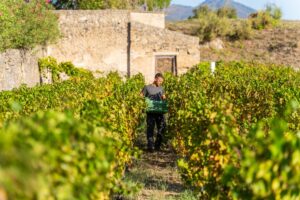
The protection of nature and local landscapes is increasingly more being driven by the direct commitment of businesses, which are being called upon to turn sustainability from an abstract concept into concrete action. In this context, the latest recognition awarded to Barone Pizzini arrives, the historic Franciacorta winery which, after obtaining the international “Biodiversity Friend” certification in 2015 (a voluntary scheme created by the World Biodiversity Association in 2010 to assess biodiversity conservation in agriculture and other environments), has now also been named a “Biodiversity Custodian” by Legambiente. This recognition marks a further step in a sustainability journey that has been underway for more than 30 years.
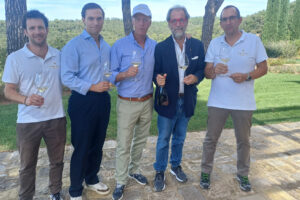
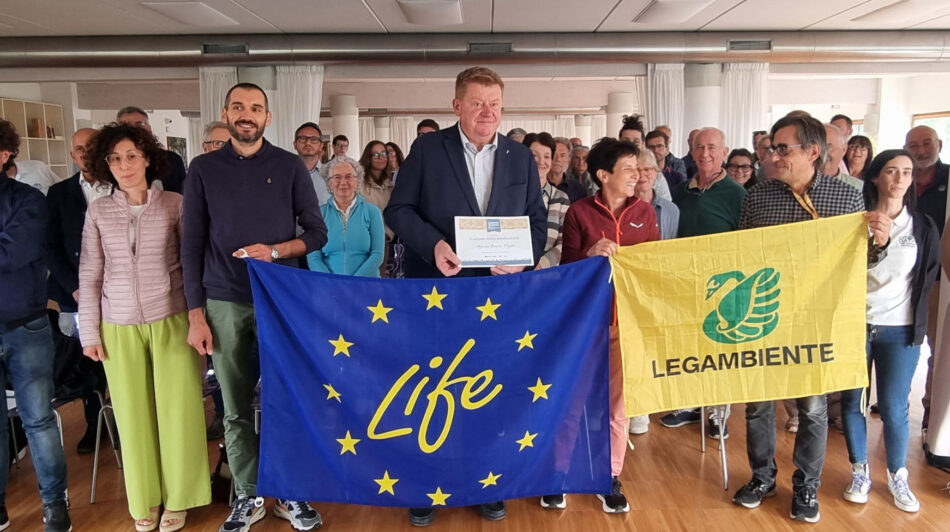
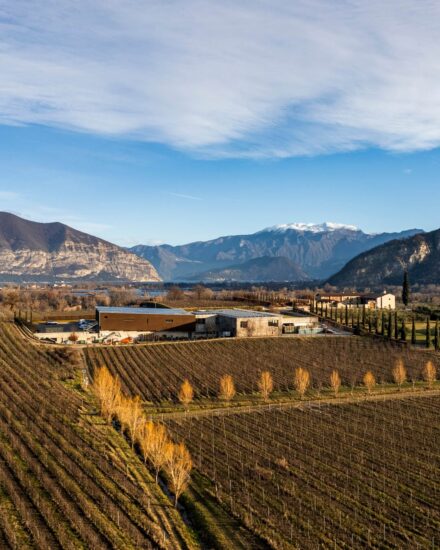
The official award ceremony for ceo Silvano Brescianini took place in recent days at Barone Pizzini estate in Provaglio d’Iseo during the meeting “Biodiversity in the vineyard”, dedicated to the relationship between the environment, soil health and sustainable viticulture, and attended by Legambiente Lombardia, Ersaf (the Regional Agency for Agriculture and Forestry Services of Lombardy) and the Sata Agronomic Studio.
The award is part of the “Life NatConnect2030” project, short for “Natural Connections for Natura2000 in Northern Italy to 2030”, a project co-funded by the European Union and coordinated by the Lombardy Region with the support of Fondazione Cariplo, involving 16 partners. Launched in 2024 and running through 2032, it covers Lombardy, Piedmont, Veneto, Emilia-Romagna and the Autonomous Province of Trento. Its goal is to strengthen biodiversity and ecological connectivity through habitat restoration, the development of ecological corridors, climate change adaptation measures and the management of invasive species.
Joining the network of “Biodiversity Custodians” means far more than receiving a certificate; it entails voluntarily taking on specific commitments to conserve and enhance natural heritage. At the heart of the initiative is the principle of “land stewardship” promoted by Legambiente Lombardia, which engages those who live and work in an area every day, making them active participants in its protection through practical actions aimed at conserving nature, caring for local environments and safeguarding a shared asset.
“We have always considered certification bodies as a source of fresh perspectives, a different set of eyes looking at things we might not see ourselves, and therefore as an opportunity rather than a limitation. You choose organic farming because, through the piece of land you cultivate, you are trying to change the world”, said Barone Pizzini ceo Silvano Brescianini, stressing that “by encouraging biodiversity, we allow the vine to grow in a soil rich in life, developing greater resistance to disease”.
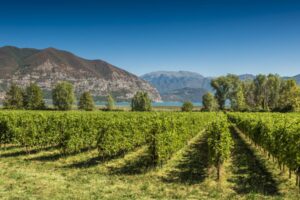
For the Franciacorta winery, the award is the natural evolution of a philosophy that views the vineyard not simply as a productive surface, but as a complex ecosystem, both above and below ground. Grape quality depends on the vitality of the soil, the presence of diverse plant and animal species, and overall environmental balance. The new “Custodian” status now provides additional tools for observation, monitoring and scientific research.
“All this requires greater commitment, both intellectual and operational, and demands adapting to nature rhythms. But would it not be contradictory to think of a quality product made using practices that have nothing to do with nature? After all, organic farming and sustainability are the means; quality is the end”, added Brescianini.
Among the commitments required by the program, there is the monitoring of soil biodiversity, an activity that Barone Pizzini has already been carrying out for years together with the Sata Agronomic Studio. This includes the survey of microarthropods used as indicators of soil health and biological fertility and the assignment of the Soil Biological Quality Index (QBS-ar), in collaboration with the Agrofood Research Hub of the University of Brescia.
At the same time, above-ground biodiversity will also be monitored, particularly carabids, beetles, dipterans and hymenopterans, groups of insects that serve as indicators of biological richness.
The role of agroecosystems will also be assessed, including nesting sites, wetlands and areas that support pollinating insects. In addition, the carbon sequestration capacity of the agricultural ecosystem will be measured. All data collected and activities carried out will be made publicly available in order to share knowledge and promote transparency.
Copyright © 2000/2026
Contatti: info@winenews.it
Seguici anche su Twitter: @WineNewsIt
Seguici anche su Facebook: @winenewsit
Questo articolo è tratto dall'archivio di WineNews - Tutti i diritti riservati - Copyright © 2000/2026