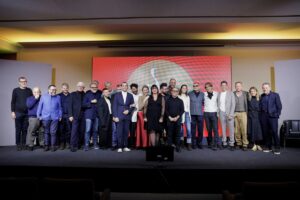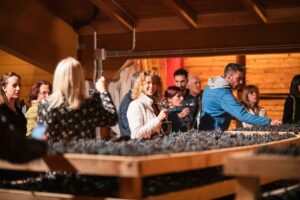





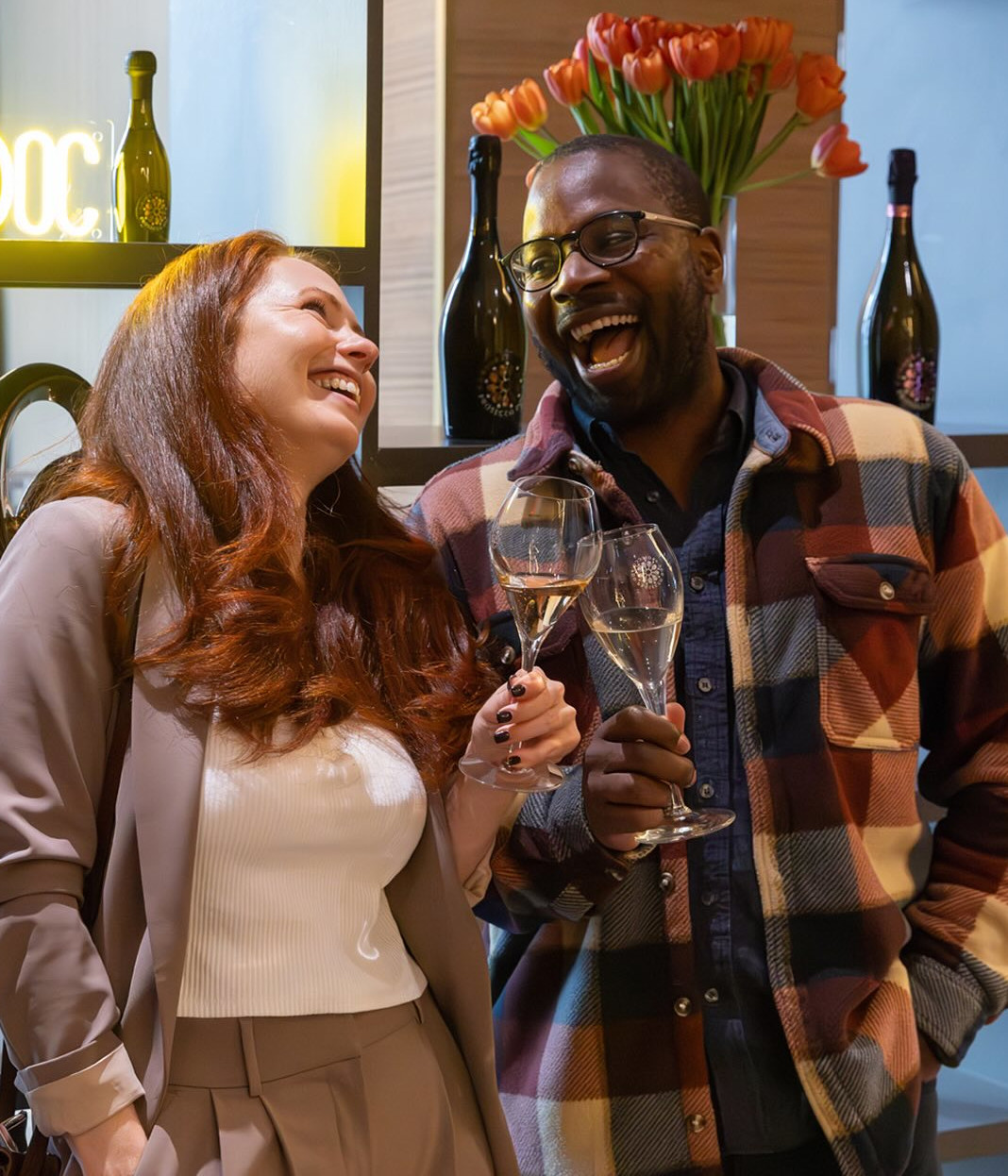
We need to rethink our relationship with wine, not merely as a product, but also in terms of its role as a social connector in the face of social change. This means recognizing the significant value of Italian winemaking, which is also cultural and relational: the ability to create a culturally meaningful beverage which offers a lens through which to interpret social change, brings people together, encourages sharing and conviviality, and creates opportunities for social interaction that vary from one era to another, from the ancient symposium to the habits of Generations Z and Alpha in the digital age. These themes were explored at “Mutamenti sociali e cultura del vino” - “Social change and wine culture”, a study day dedicated to wine as a vehicle for social interaction and to social rituals, examining how the ways in which people come together are changing and how wine culture is passed down. The event, promoted by the Italian Academy of Vine and Wine, was held in recent days at the Convent of San Francesco in Conegliano, bringing together academics, industry professionals and wine producers.
What does sharing a meal mean today? And how can wine culture be passed on to generations who live and socialise in different ways? These questions shaped the discussion, introduced by professor Rosario Di Lorenzo, president of the Italian Academy of Vine and Wine, who moderated a dialogue bringing together perspectives from philosophy, psychology, medicine and the wine industry. At a time of uncertainty for the markets, the meeting brought the focus back to changing consumption occasions and the tools available to the sector to engage with the public.
Alberto Giacomelli, philosopher at the University of Padua, opened the proceedings with “L’arte del Simposio” - “The Art of the Symposium”, drawing parallels between conviviality in the ancient world and its contemporary forms. He linked the concept of “drinking together” at the symposium to the idea of cum vivere, “living together”, embodied in the convivial gathering. From this perspective, the dining table is a space for human connection. It is the time devoted to conversation, listening and being present with one another that gives meaning to the act of sitting down together. Psychologist Laura Brusaterra shifted the focus to Generations Z and Alpha, exploring their forms of entertainment and the ways in which digital life shapes everyday relationships. The phrase “Your loneliness is our business”, cited during her presentation, gave voice to a question that also concerns the wine industry: what kinds of social experiences can be meaningful for those who have grown up with habits and languages different from those of previous generations? In his presentation, “Le terre di mezzo. Mutamenti sociali e psicopatologia”, - “The in-between lands: social change and psychopathology”, psychiatrist Andrea Costacurta, meanwhile, invited the audience to consider who we drink with, where and why. He highlighted the difference between drinking as part of a shared meal and turning to alcohol alone as a way of coping with negative emotions. In discussing research on consumption patterns, he underlined the importance of dietary habits and lifestyles when interpreting the data. His presentation drew a distinction between the relational value of sharing a meal and the effects and risks associated with ethanol.
With her presentation “Why Do We Drink?”, journalist Laura Antonella Carli returned to the question of motivations, focusing on the desire for human connection and on the ability of the dining table and wine to encourage encounters and conversation. Professor Attilio Giacosa, director of the Institute for Research on Wine, Food and Health (Irvas), explored the role of wine in the Mediterranean Diet. He presented findings from scientific literature on wine consumption with meals, illustrating epidemiological data and also discussing studies on type 2 diabetes.
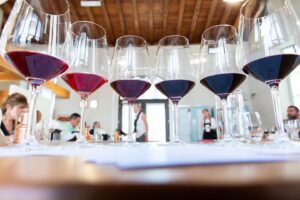
This was followed by a round-table discussion moderated by journalist Anna Di Martino. Vincenzo Gerbi, professor of Viticulture and Winemaking at the University of Turin and Vice-president of the Academy, emphasised the importance of training our senses through wine tasting. Developing the ability to recognize differences between wines helps us understand how their composition contributes to the originality and diversity of Italian wine production. Gerbi also described wine, food and the dining table as an inseparable trio, one that has been part of history since ancient times. He further stressed the importance of understanding the characteristics of wines and discussing them together during tastings.
Davide Gaeta, professor of Agricultural Economics and Business Management at the University of Verona, used the image of “opening windows” to illustrate the importance of curiosity. An experience with wine can spark questions about where it comes from, the people who produce it and the choices that give it its distinctive character. It is through this curiosity that dialogue with those discovering wine can begin.
Giorgio Palù, professor emeritus at the University of Padua, recalled the Aristotelian virtue of moderation, understood as the ability to exercise sound judgement in specific situations. He also reviewed research into the relationship between alcohol consumption and health. He highlighted the epidemiological nature of the studies discussed and stressed the need for further research into both potential beneficial effects and health risks. Danilo Riponti, criminologist at the University of Trieste, evoked the idea of a “secret understanding” between generations, as described by German philosopher Walter Benjamin. This image added depth to the theme of passing the baton from one generation to the next, bringing into focus the responsibility of those who pass on knowledge and the freedom of those who receive it to give it a new form.
Mattia Vezzola, a renowned Italian winemaker and producer at Costaripa, in the heart of the Valtènesi area, linked the credibility of wine to the consistency of artisanal craftsmanship and the ability to communicate its value to consumers. Referring to Gualtiero Marchesi, the master of Italian cuisine, he identified leading by example as the highest form of teaching. He entrusted culture with the task of steering the sector away from mediocrity and leaving future generations a body of knowledge on which they can build. Floriano Zambon, president of the Città del Vino association, illustrated the contribution made by Italy municipalities with the strongest wine-making traditions to promoting knowledge of wines and the territories in which they originate. This virtuous circle was celebrated with a toast with sparkling wines from the Prosecco DOC Consortium.
Copyright © 2000/2026
Contatti: info@winenews.it
Seguici anche su Twitter: @WineNewsIt
Seguici anche su Facebook: @winenewsit
Questo articolo è tratto dall'archivio di WineNews - Tutti i diritti riservati - Copyright © 2000/2026