








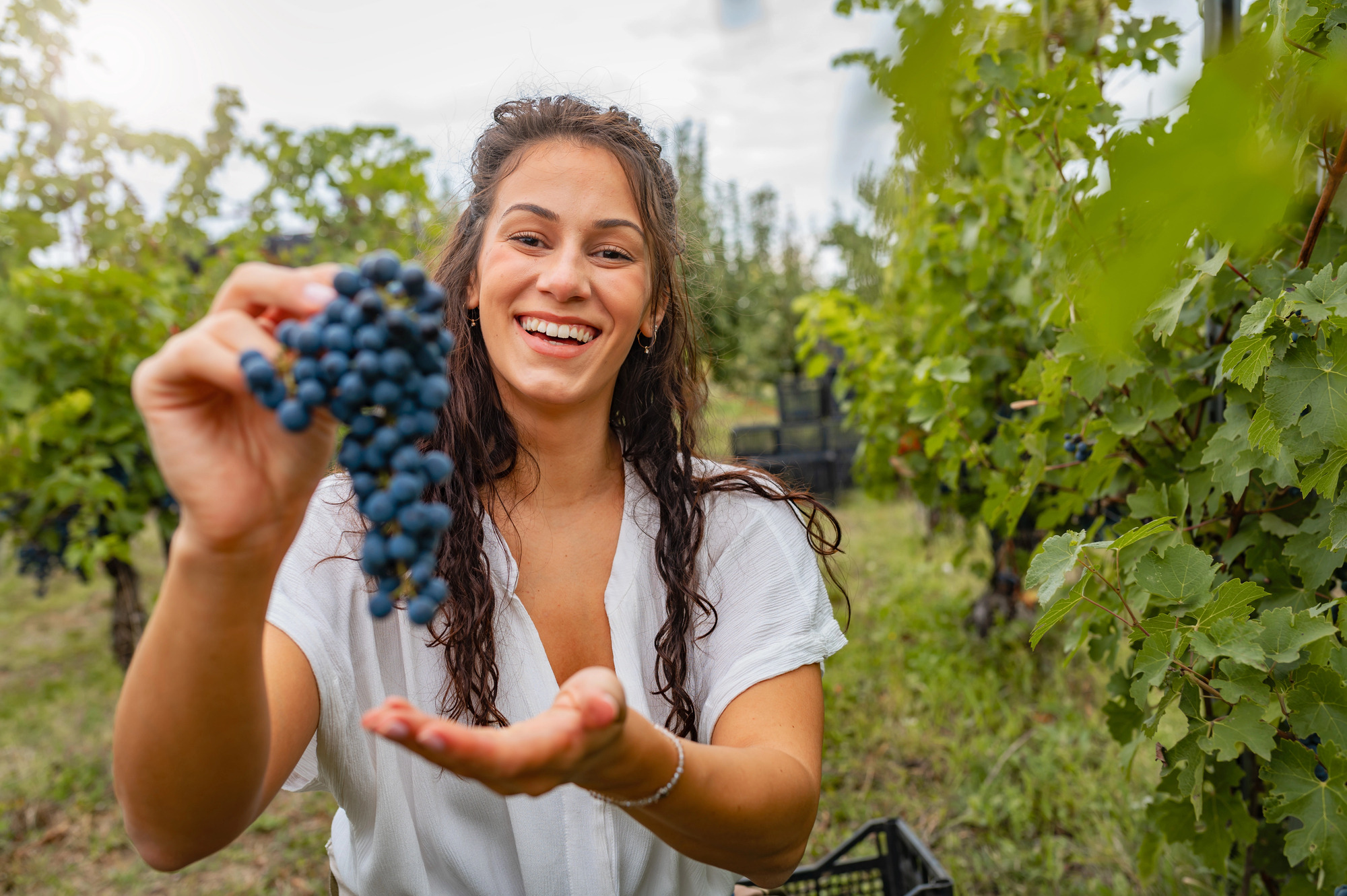
Help with harvest operations and labor exchange is moving a step forward in Veneto, one of Italy most important wine regions, which is seeking to follow the example of Trentino, where official recognition has recently been granted to the “Ganzega” and solidarity-based work. As previously reported by WineNews, the “Ganzega” refers to the spontaneous, occasional and unpaid assistance provided by family members, friends and neighbors for agricultural activities such as grape harvesting and apple picking, traditionally rewarded with a convivial gathering which serves as the sole form of “recognition” for the help provided. Another recent development in Trentino concerns reciprocal cooperation among agricultural entrepreneurs in specific situations of need, such as illness or injury. These measures address a range of issues, from the often difficult search for labor and bureaucratic challenges to the preservation of long-standing traditions.
Meanwhile, in Venice, a meeting took place between Veneto Regional Councilor for Agriculture Dario Bond, and representatives of the Treviso Chamber of Commerce and Unioncamere Veneto to launch the process aimed at examining and assessing labor exchange among agricultural entrepreneurs as a practice to be included in the official Chamber of Commerce register. According to a statement from the Veneto Regional Government, the discussions confirmed a shared intention to proceed, in compliance with national regulations, with the collection of the information needed to evaluate the registration of this practice. The Chamber of Commerce expressed its willingness to provide full cooperation and, through Unioncamere, coordination with the other Chambers of Commerce across Veneto was also guaranteed. The Region will now prepare a formal proposal to be submitted to the Treviso Chamber of Commerce and Unioncamere Veneto in order to begin the procedure required for the collection, examination and assessment of the practice.
Article 2139 of the Italian Civil Code, one can read in the note, “provides that labor or service exchanges among small agricultural entrepreneurs are permitted according to established customs and practices. The precedent set by Trentino demonstrates the possibility of formally registering such a practice, thereby creating a clearer reference framework for agricultural businesses”.
Regional Councilor for Agriculture Dario Bond explained that “in our countryside, labor exchange among farmers and assistance from relatives and extended family members are widespread practices, especially during harvest periods such as the grape harvest and seasonal crop gathering. We want those acting in good faith to be able to do so with greater legal certainty, without fearing that a genuine form of collaboration could be mistaken for undeclared work. For this reason, I initiated discussions with Unioncamere to quickly adapt the Chamber Register of Customs and Practices to include this agricultural practice”. Bond added that “the important outcome of this meeting is that we have begun an operational pathway. When I launched my appeal at the end of August, the objective was very simple: to understand whether Veneto, like Trentino, could provide a clear and reliable framework for a form of collaboration that has always existed in our rural communities. Today, we can say that this process has begun”. He stressed out that “we are not creating a new form of employment and we are not looking for ways around existing rules. What we are trying to do is recognize and clarify a free and reciprocal form of cooperation which is deeply rooted in the history of our countryside. Farmers who lend a hand to their colleagues in times of need, or who receive such help, should clearly understand the framework within which they operate, as a form of protection”.
The involvement of agricultural professional organizations will be particularly important, whose contribution was recognized by all participants as essential. These organizations will be able to help document the extent and characteristics of the practice across different areas, gathering the evidence needed to demonstrate its existence and concretely representing the needs of agricultural businesses.
“Now everyone contribution is needed - concludes Bond - the Region will do its part, the Chamber of Commerce has confirmed its willingness to cooperate, Unioncamere will ensure the necessary coordination, and agricultural organisations will help us reconstruct, territory by territory, a practice they know firsthand and that farmers have relied on for generations”. The objective is “fewer grey areas and greater certainty for those who work correctly. We don’t want to make the lives of farmers more complicated with new bureaucratic requirements. On the contrary, we want to bring order and provide a clear point of reference for those who help one another while respecting the rules. The door is now open: let us work so that Veneto can quickly achieve a concrete result”.
Copyright © 2000/2026
Contatti: info@winenews.it
Seguici anche su Twitter: @WineNewsIt
Seguici anche su Facebook: @winenewsit
Questo articolo è tratto dall'archivio di WineNews - Tutti i diritti riservati - Copyright © 2000/2026