


Wednesday 7th of October 2026 - Last Update: 13:36




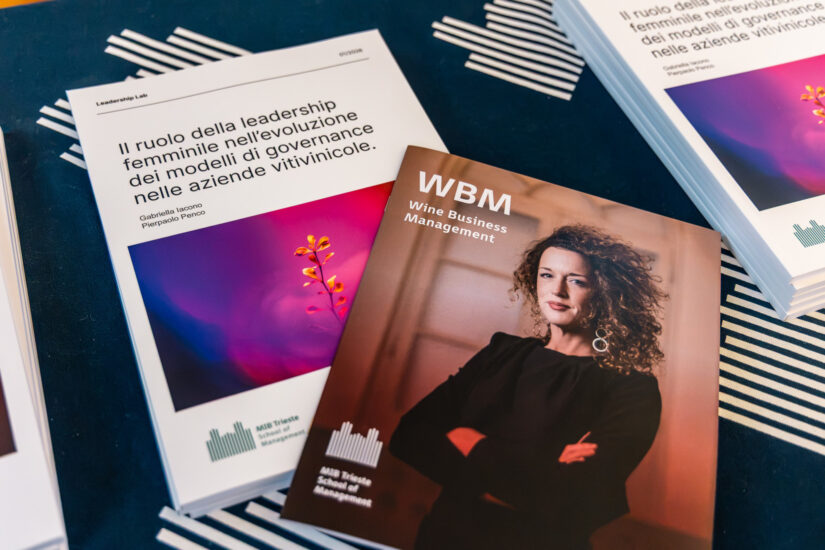
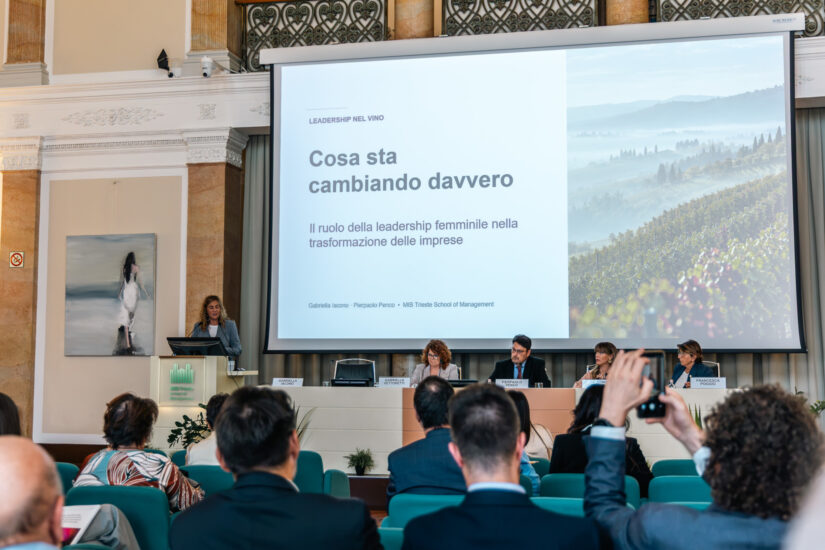
At a macroeconomic level, Italy agricultural sector includes more than 400,000 women-run businesses, representing one-third of the total. In the wine industry alone, more than 28% of companies are led by women. This has a significant organizational impact: over 60% of female entrepreneurs report having a structured delegation system within their businesses, while around 55% have a formal succession plan in place. Long-term thinking is particularly strong, with more than 80% adopting a multi-year strategic vision, over 75% assigning high priority to environmental sustainability, and 70% focusing on territorial development and enhancement. Competitiveness is also closely linked to human resource management: 78% of respondents consider talent retention a strategic priority, more than 70% actively invest in internal training, and over 65% view organizational culture as a critical factor for competitiveness. Advanced education is a powerful catalyst for change: among those who have completed advanced management training programs, as many as 68-70% report using formalized governance tools. These are the findings of the study The role of woman leadership in Italian wine companies”, carried by Gabriella Iacono and Pierpaolo Penco of the Leadership Lab at Mib Trieste School of Management. Presented in recent days, the research is based on a sample of 152 professionals from Le Donne del Vino, 50.7% of whom are entrepreneurs and around 30% managers or employees with decision-making responsibilities.
According to Pierpaolo Penco, Head of the Wine Business Area at Mib Trieste, “the issue of female leadership is not simply a matter of gender representation or equity, but a genuine strategic lever for the future of the wine sector. We are witnessing a profound transformation of the industry: the old model of the solitary leader is being replaced by more structured organizations and formalized governance systems. The empirical data collected together with Le Donne del Vino show that the entry and consolidation of women in top leadership roles have a tangible impact in terms of long-term vision, sustainability, competitiveness, and the enhancement of human capital”.
“The research highlights how female leadership - added professor Gabriella Iacono - is not simply characterized by a ‘softer’ management style, but by the ability to combine vision, relationships, and pragmatism. In the wine world, this means preserving identity and history while having the courage to innovate, engage people, and turn complexity into value. Building on the findings, we will examine how women lead businesses in the sector and the contribution they make in decision-making environments, demonstrating how attention to people, innovation capability, and results-oriented leadership can coexist and strengthen one another”.
“Our Association - added Francesca Poggio, deputy vicepresident of Le Donne del Vino - now brings together nearly 1,300 members representing the entire wine value chain: wine producers, restaurateurs, sommeliers, winemakers, journalists, and experts in communication and wine tourism. As Crea findings also confirm, the innovation brought by women to the sector is not only technological, but above all organizational, managerial, and relational. Women are able to enhance in a systemic way the connection between product, people, and territory, creating business models that are open, international, and capable of engaging with today marketplace”.
“I believe that the concept of leadership has changed profoundly - underlined Cristina Mercuri of Mercuri Wine Club and Master of Wine - today, leadership is above all about creating the conditions for the best skills and talents to emerge and work together. It means providing a vision, certainly, but also sharing information, listening, delegating, building trust, and ensuring that people understand the purpose of what they are doing. In the wine sector, this is even more evident. Strong projects emerge from the intersection of agronomy, winemaking, markets, communication, hospitality, sustainability, data, culture, and relationships. The role of the modern leader is to bring these competencies together and transform them into a shared direction. Sometimes this is described as female leadership. I prefer to call it contemporary leadership”.
In short, according to the promoters of the study, the message is clear: female leadership in the wine sector is not simply a matter of gender representation, but a genuine driver of organizational transformation. Women leading wine businesses demonstrate every day their ability to combine strong local roots with the challenges of systemic sustainability, making their companies more structured, resilient, and better equipped to compete in global markets.
Copyright © 2000/2026
Contatti: info@winenews.it
Seguici anche su Twitter: @WineNewsIt
Seguici anche su Facebook: @winenewsit
Questo articolo è tratto dall'archivio di WineNews - Tutti i diritti riservati - Copyright © 2000/2026