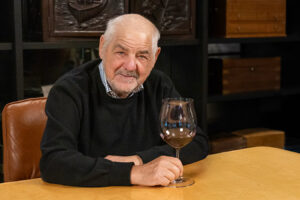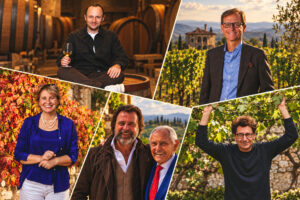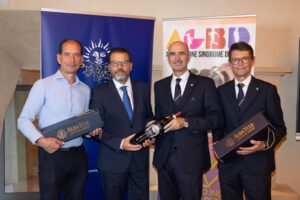







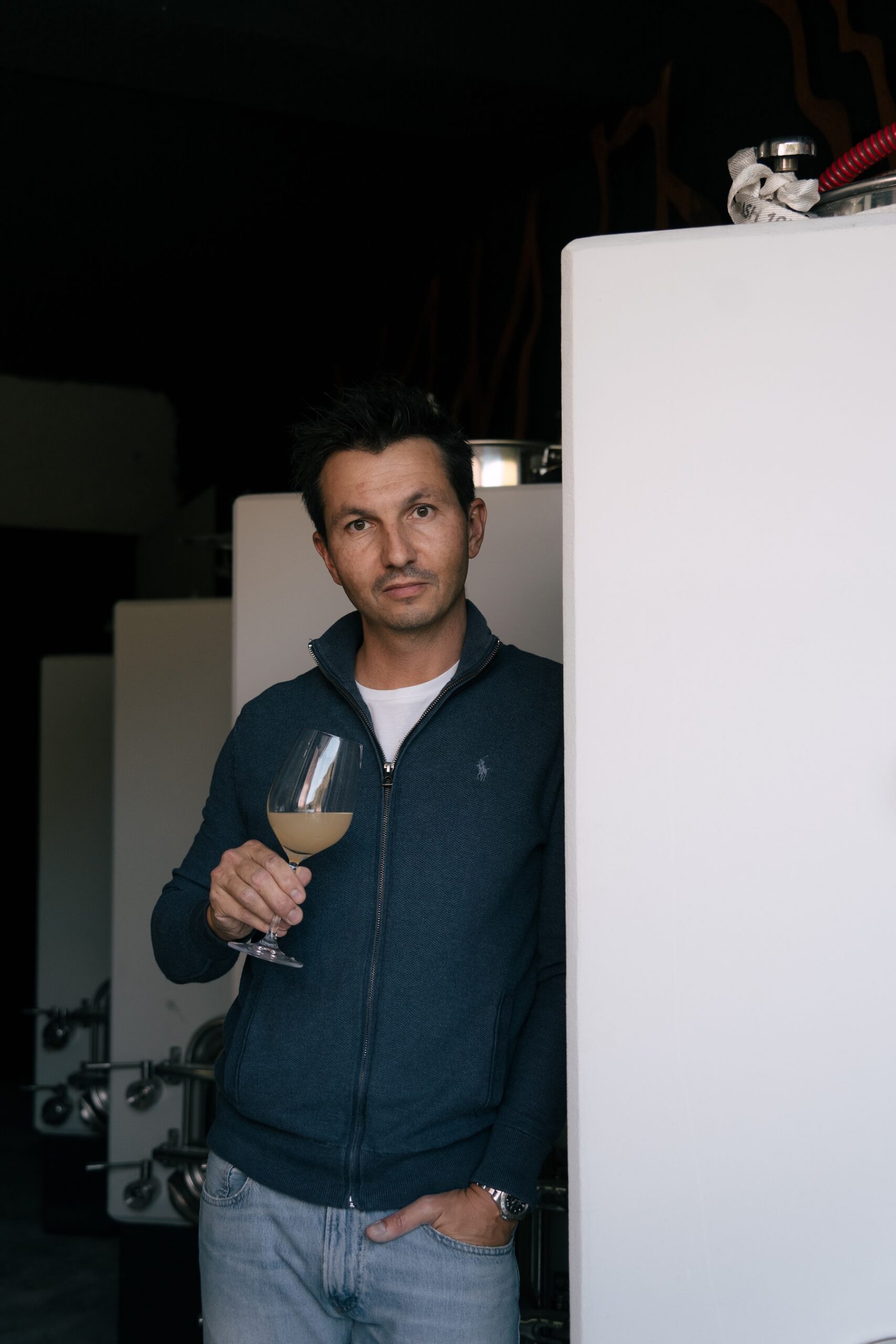
The longevity of a wine is becoming increasingly more difficult to predict and preserve. Today, it is no longer enough to know what a wine is like at a given moment; it is essential to understand how it may evolve and to translate that understanding into concrete technical decisions. It is from this need that Nb-Wep - Wine Evolution Potential arose, a new index developed by Nicola Biasi Consulting to measure, monitor and guide a wine evolutionary potential. The starting point is a question that is becoming increasingly more central to modern winemaking: not only how a wine presents itself at the time of analysis, but also which direction it is heading in and how sensitively it is progressing through its ageing journey. “Not all wines are destined to evolve for thirty years without losing their integrity, but it is our responsibility to help them reach their maximum potential”, explains Nicola Biasi, winemaker and producer, as well as founder of the Resistenti Nicola Biasi business network, which currently brings together eight wineries focused on Piwi grape varieties.
In recent years, the production context has changed. Warmer climatic conditions and earlier ripening can lead to imbalances in acidity and greater instability in the phenolic component, affecting the wine overall balance. In this scenario, it is increasingly common to observe premature evolution that alters the aromatic profile and may reduce freshness, tension and drinkability. The challenge, therefore, is anticipation: identifying evolutionary sensitivity early and turning that information into informed cellar decisions. Nb-Wep is based on an integrated assessment. While pH and total acidity remain fundamental indicators of acid balance, freshness and stability, a wine evolutionary potential also depends on its total and oxidisable phenolic content and on how these compounds react over time.
“Climate change is moving in exactly the opposite direction of what the market is demanding - explains Nicola Biasi to WineNews - consumers are looking for fresher, lighter wines with lower alcohol levels, whereas, broadly speaking, climate conditions are giving us riper grapes and therefore more structured, more alcoholic and more powerful wines, with less freshness. That is why we must find ways to minimise the impact of climate and manage our products as effectively as possible. Clearly, the solution can’t simply be harvesting earlier, because under-ripe grapes don’t lead to satisfactory winemaking results. The idea is therefore to manage ageing and preparation not with the sole aim of producing wines capable of lasting thirty years, although those certainly have their place, but rather of producing wines that fully express their evolutionary potential. The goal is to preserve freshness as much as possible by optimising the evolutionary potential each wine possesses. We can achieve this by monitoring phenols, oxidisable phenols, and adapting our ageing practices according to these parameters, alongside tasting, which naturally remains central to the process”.
The method is built around four complementary dimensions: pH, total acidity, phenols (including oxidisable phenols and their relationship to total phenols), and sensory evaluation. At the heart of the methodology is Nb-Wep - Wine Evolution Potential, a synthetic indicator developed through a proprietary algorithm by Nicola Biasi Consulting. The index correlates pH and acidity, phenolic profile and sensory assessment, transforming different measurements into a technical benchmark that is both readable and comparable.
Nb-Wep doesn’t reduce wine to a mere number, nor does it replace tasting. Rather, it is designed to track the same wine over time and support more informed technical decisions in a rapidly changing world. The annual protocol includes several checkpoints for the same wine throughout the year until bottling. Each stage follows the same sequence: sampling, analysis, Nb-Wep calculation, comparison with previous data and technical recommendations. Measurement only has value if it leads to action in the cellar. Each assessment should therefore result in a decision, a confirmation of the current approach, or a change in strategy. Data can help determine ageing times and vessel selection, support the management of oxygen exposure and protection levels, guide the wine through the pre-bottling phase with greater control, and build a long-term technical history of both the wine and its production area. The ultimate objective is to preserve freshness, identity, drinkability and the capacity to evolve over time.
Copyright © 2000/2026
Contatti: info@winenews.it
Seguici anche su Twitter: @WineNewsIt
Seguici anche su Facebook: @winenewsit
Questo articolo è tratto dall'archivio di WineNews - Tutti i diritti riservati - Copyright © 2000/2026