







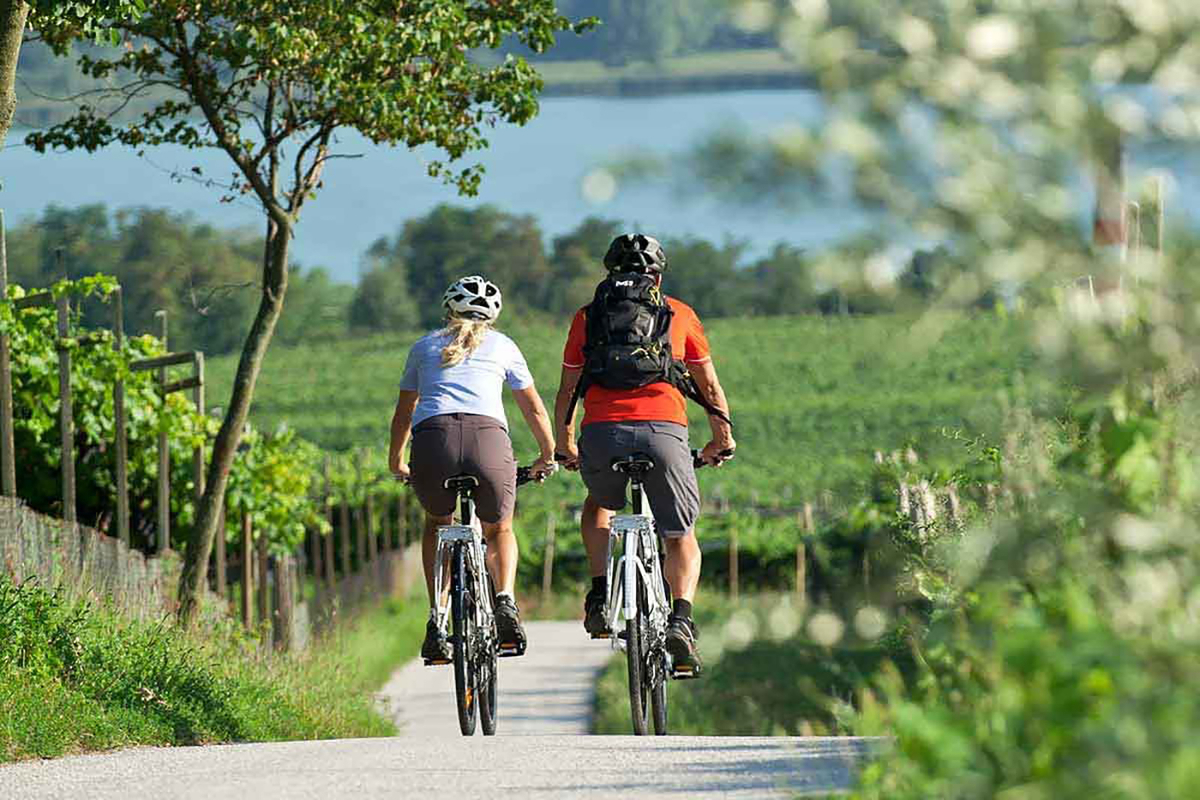
Tuscany is the only Italian region featured in the U.S. magazine “Wine Enthusiast” selection of the world best wine territories for cycling tourism: 9 destinations, from Provence (France) to Stellenbosch (South Africa), from the Douro Valley (Portugal) to Sonoma Valley (California, the USA), as well as the Loire Valley (France), Barossa Valley (Australia), Girona (Spain), and Willamette Valley (Oregon, the USA). There are increasingly more travelers from all over the world who are combining cycling with a passion for wine. This comes as no surprise, since the same geographical features that make cycling exciting, steep hills, sweeping vistas, and diverse landscapes, also characterize some of the world most renowned wine regions. The growing popularity of e-bikes is further expanding the potential audience.
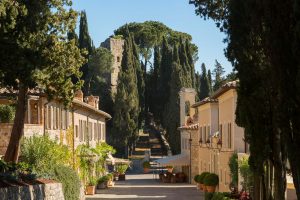
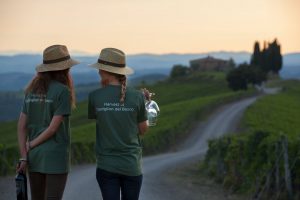
In Tuscany, cycling is deeply embedded in the region culture, just like Sangiovese. Cyclists flock to the iconic “strade bianche” lined with cypress trees, enjoying scenic routes through medieval villages, olive groves, and vineyards. With more than 14,000 km of cycling routes, there is something for every rider, from easy-going itineraries to demanding climbs. And with world-class wine areas such as Chianti Classico and Montalcino along the way, it is easy to pair a day in the saddle with a well-earned tasting. Yet the connection goes beyond the scenery. Cycling tourism brings a curious audience willing to stop, taste, and learn. Wineries have recognized this opportunity and now offer tastings for cyclists, vineyard refreshment stops, e-bike rentals, and routes linking one producer to another. For wine, it is a chance to tell its story firsthand; for the region, it means a slower form of tourism that extends the season and respects the landscape. The symbol of this union is L’Eroica, founded in 1997 in Gaiole in Chianti to preserve “strade bianche” and the heritage of heroic-era cycling. Vintage bicycles, wool jerseys, and aluminum water bottles set the scene each October, when thousands of enthusiasts from around the world tackle the roads of Chianti Classico, stopping at refreshment points where Sangiovese is served alongside bread, olive oil, and cured meats. What began as a niche event has become an international brand exported to other countries. Then, there is Strade Bianche, the professional race which starts and finishes in Siena each spring, elevating the Crete Senesi and the gravel roads between Chianti and Val d’Orcia to the stage of world cycling, alongside a gran fondo version open to amateur riders. The newest addition is Val d’Orcia Gravel, which allows cyclists to ride among some of the world most celebrated landscapes, between Brunello di Montalcino and Orcia DOC vineyards.
Also the Loire Valley, in central France, has much to offer lovers of cycling, wine, and gastronomy. The approximately 900 km route known as La Loire à Vélo begins in Cuffy, a small village in Burgundy, and winds its way to the Atlantic coast at Saint-Brevin-les-Pins, passing Renaissance castles, picturesque riverside villages, and world-famous vineyards. Cyclists can follow the Via Allier, south of the official Loire à Vélo route, to reach the unique AOC Côtes d’Auvergne wine region, where vineyards and bike paths share the same volcanic slopes. Known for its Gamay- and Pinot Noir-based red and rosé wines, including those produced by fifth-generation winery Desprat Saint Verny, this appellation offers the rare opportunity to combine cycling through volcanic landscapes with a distinctive wine culture dating back to Roman times.
In Provence, cyclists ride through fragrant lavender fields, hilltop villages, and ancient Roman roads. The demanding ascent of Mont Ventoux, a legendary climb featured multiple times in the Tour de France, rewards riders with spectacular views over the Rhône Valley. Beyond its iconic status, the mountain attracts cyclists with its moon-like summit, a surreal expanse of white limestone. Naturally, wine takes center stage in Provence, particularly its celebrated fresh, mineral-driven rosé wines.
The Barossa Valley, in Australia, is an ideal destination for both recreational cyclists and wine lovers. The Barossa Trail is a paved route of around 40 km that can be explored on foot or by bicycle, winding through the heart of Australia wine country. No visit would be complete without numerous stops at wineries, cafés, and farm stands along the way.
Girona, in Spain, has earned an international reputation as a cycling hub, but the roads surrounding the Catalan city also lead to one of Spain most distinctive wine regions. In the Empordà Denomination of Origin area, cyclists ride through cork forests, medieval villages, and coastal scenery before stopping to taste Garnatxa Negra and Carinyena, the region signature grape varieties. Road cyclists can enjoy the area rolling backroads, while gravel enthusiasts have vast networks of dirt tracks to explore.
The “Scenic Bikeway” of theWillamette Valley in Oregon offers the perfect two- or three-day cycling adventure, combining farm stands, waterfalls, and Pinot Noir tastings. As the first officially designated scenic bikeway in the United States, it stretches for more than 215 km through fertile farmland between the Coast Range and the Cascade Mountains. The route passes right by Ankeny Vineyard, where cyclists can stop for Pinot Noir, Chardonnay, and wood-fired pizza. Along the mostly flat and peaceful route, riders pass hop fields, hazelnut orchards, Christmas tree farms, and the Willamette River, with plenty of opportunities to stop and recharge.
The steep slopes of the Douro Valley in Portugal - a Unesco World Heritage Site - offer challenging terrain set amid breathtaking scenery. Vineyards climb the dramatic hillsides along the Douro River, birthplace of Port wine and high-quality DOC wines. It is an ideal destination for cyclists willing to take on demanding ascents and descents among the valley terraced vineyards rooted in schist soils. Adventurous riders are rewarded with sweeping views and outstanding tastings at the region many wine estates, known locally as “quintas”.
The Stellenbosch and Franschhoek wine region in South Africa offers cyclists a wide range of options, including road cycling routes, gravel tracks, and hundreds of kilometers of mountain bike trails. Along the way, riders encounter numerous wine estates. Once in Franschhoek, a visit to the historic Boekenhoutskloof winery is well worth the stop. Nestled in a breathtaking setting, it offers the opportunity to taste some of the region finest Cabernet Sauvignon, Syrah, and Sémillon wines.
Finally, Sonoma Valley, in the United States, with its 19 distinct AVAs (American Viticultural Areas) spread across mountain slopes, coastal trails, lush valleys, and redwood forests, is a diverse destination for both wine enthusiasts and cyclists. It is larger and offers more bike-friendly roads than neighboring Napa Valley. Both recreational riders and experienced cyclists will find an ideal base in the Healdsburg and Dry Creek Valley area, in northern Sonoma.
Copyright © 2000/2026
Contatti: info@winenews.it
Seguici anche su Twitter: @WineNewsIt
Seguici anche su Facebook: @winenewsit
Questo articolo è tratto dall'archivio di WineNews - Tutti i diritti riservati - Copyright © 2000/2026