


Wednesday 28th of October 2026 - Last Update: 17:39






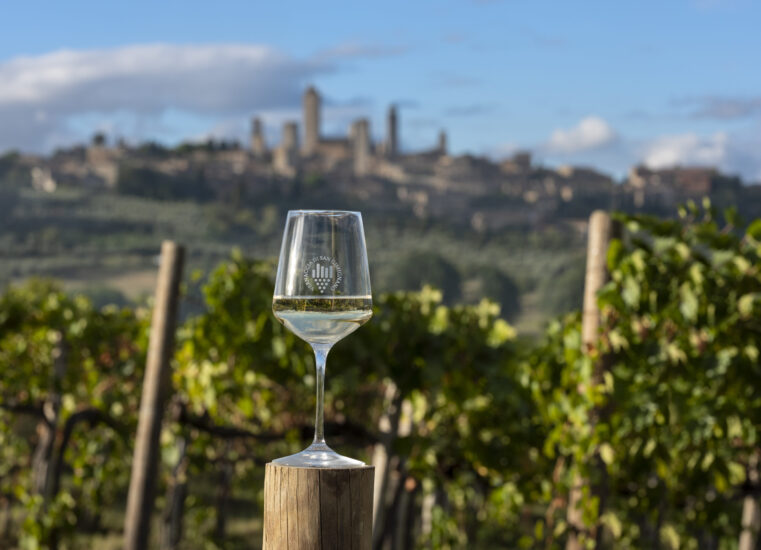
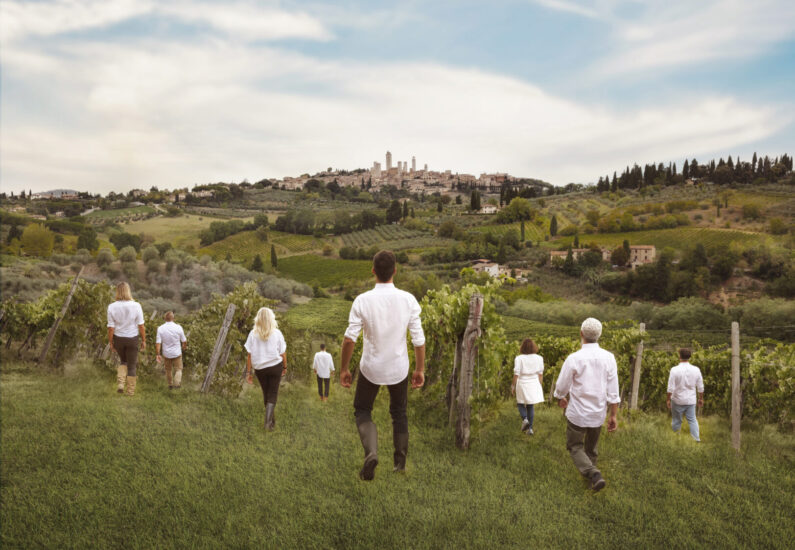
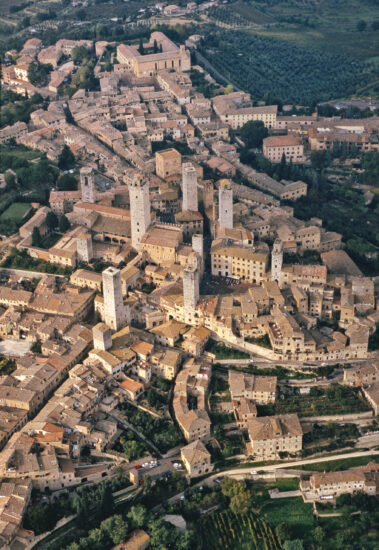
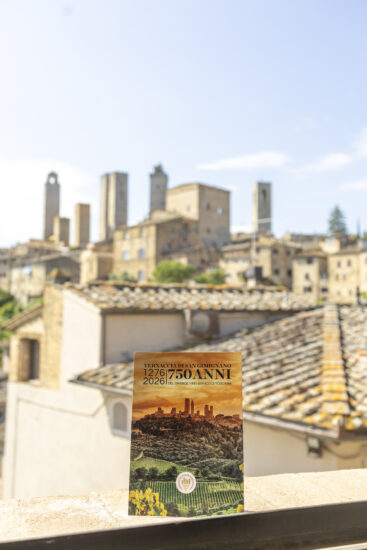
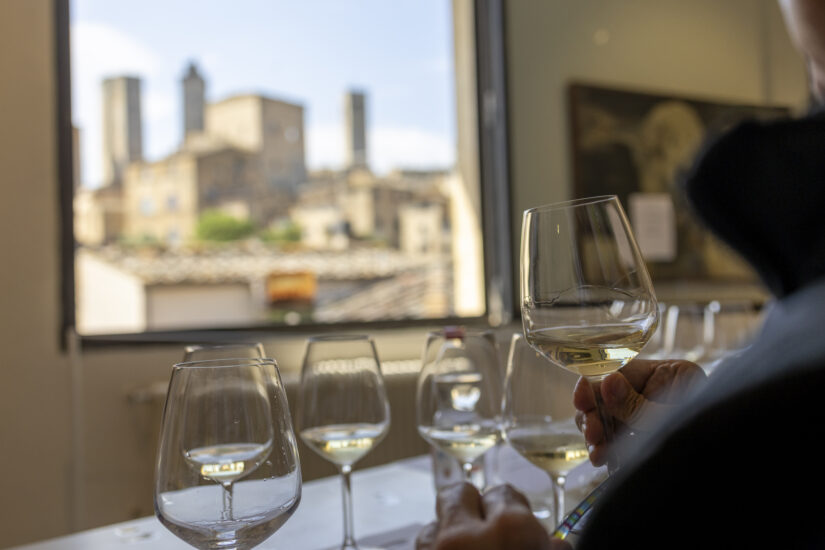
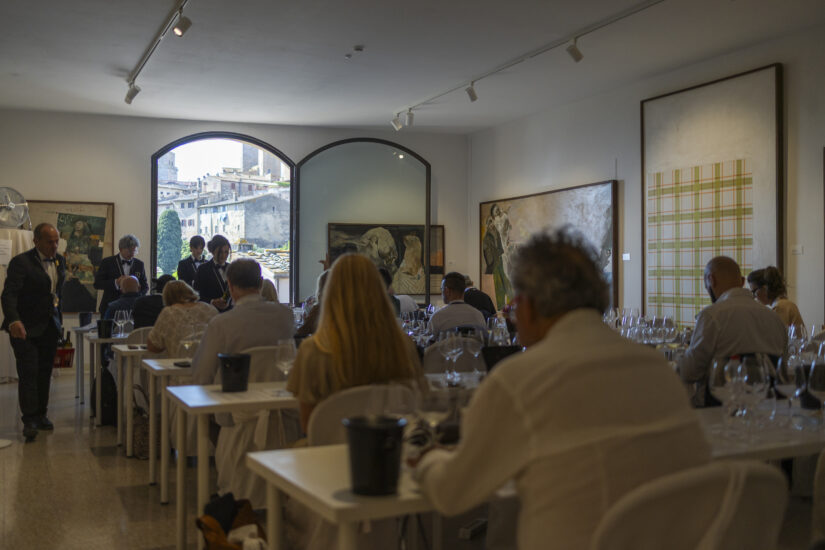
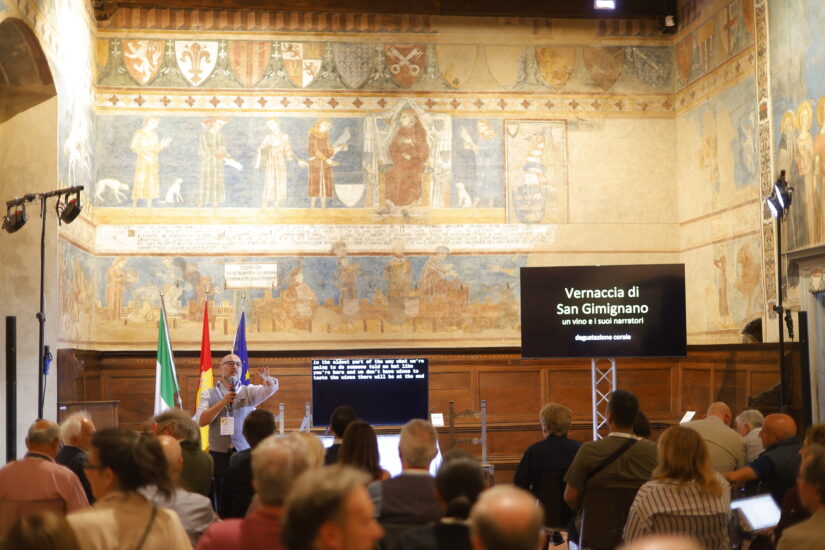
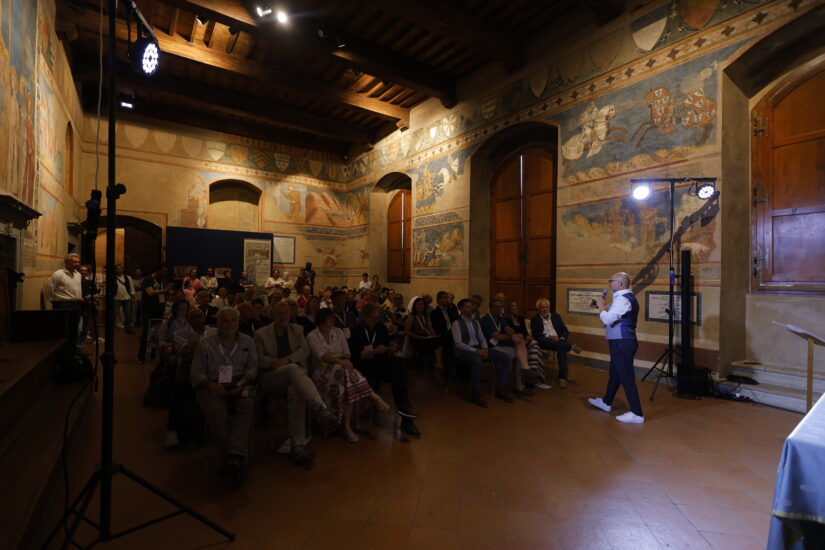
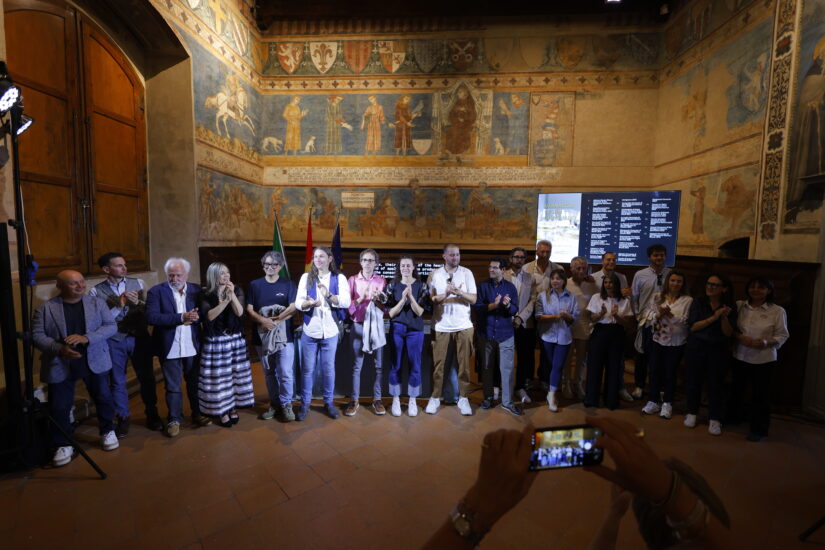
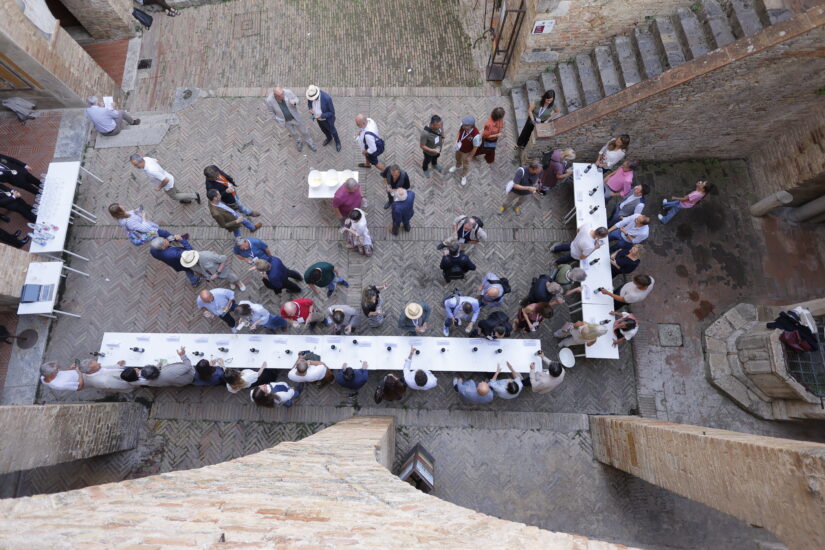
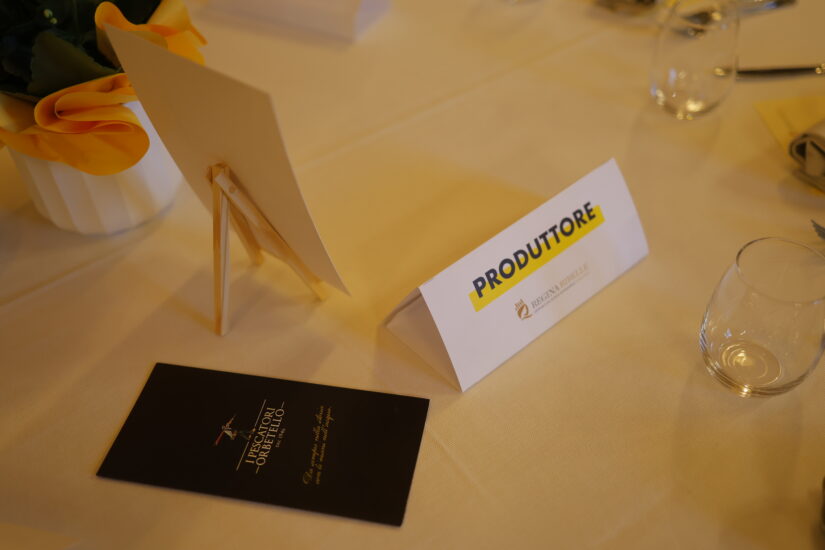
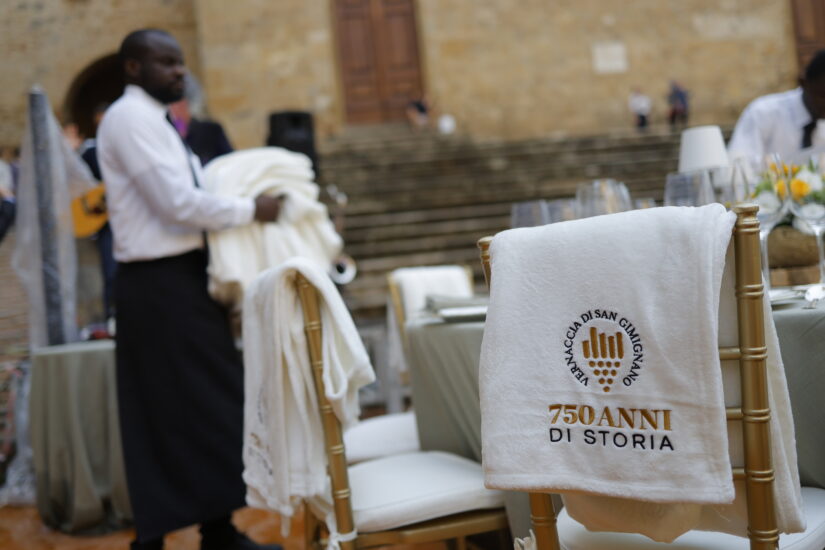
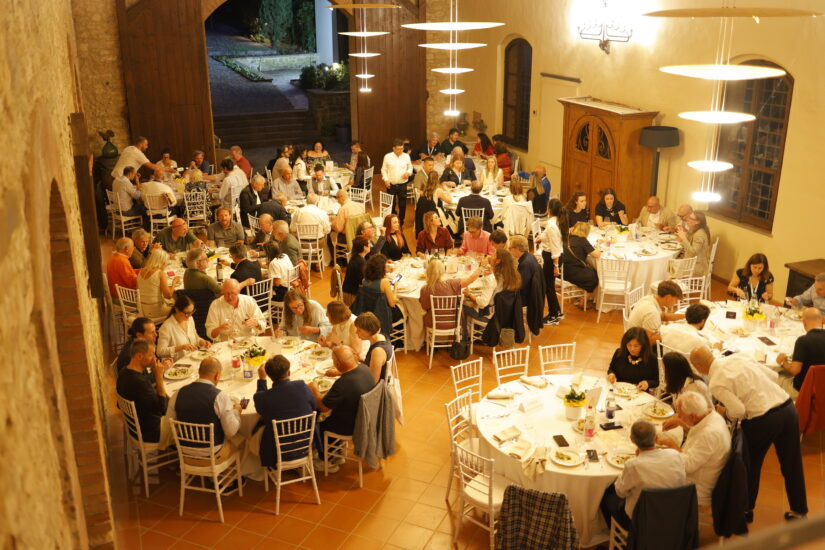
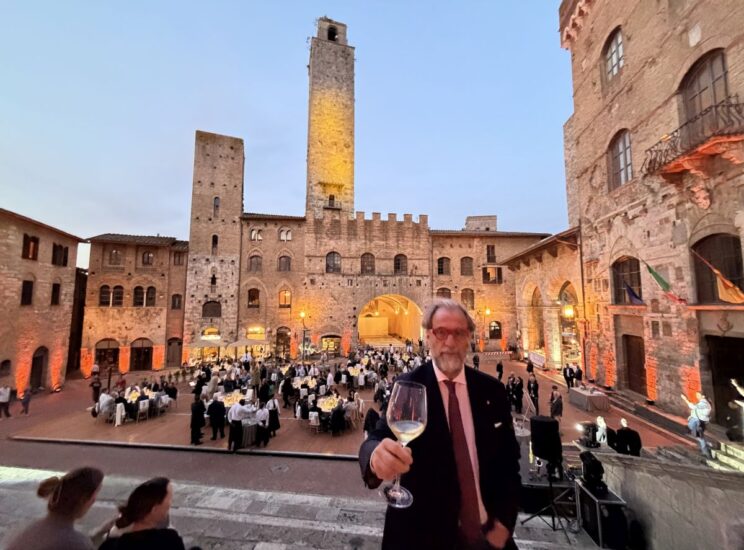
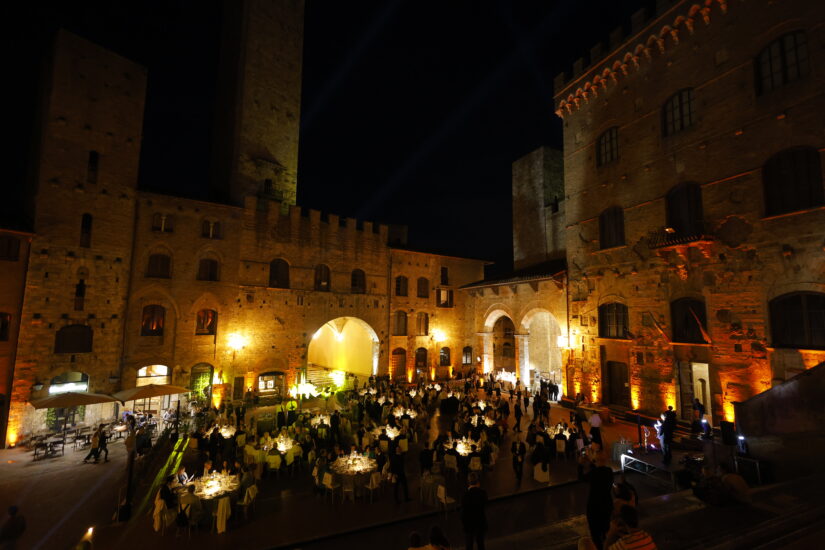
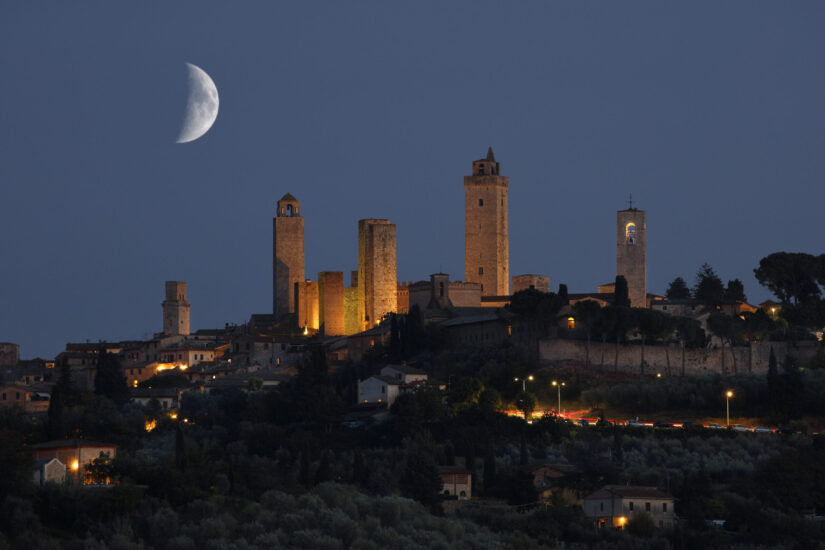
There are very few wines in the world which can boast the history and uniqueness of Vernaccia di San Gimignano. So much so that this famous Italian white, in 2026, not only celebrates 60 years as a DOC, but also, and above all, even 750 years of mentions and recognition collected - and still being collected - from popes, poets, doctors, enologists, enthusiasts, and professionals from Italy and abroad, such as those who gathered in recent days at the “Regina Ribelle - Vernaccia di San Gimignano Wine Fest”, a festival organized by the Consortium in the “Manhattan of the Middle Ages”, dedicated to this savory and long-lived white wine. In fact, it has been a unique status symbol for centuries, long before Tuscany became a global benchmark for great quality red wines, and this was the story told throughout the edition No. 4 of the Festival: by revisiting the many ancient and modern texts and poems that mention it; by recalling how it has managed to remain in people glasses through centuries, fashions, and changing tastes; by demonstrating how it has remained contemporary in every historical period, going beyond the concept of food pairing. Finally, by proving how today it is managing to face with dignity one of the major emergencies of our time - that of global warming - offering wines which are undeniably warm, yet still intact and faithful to the grape variety in the new vintages 2025 and 2024 and in the new Riserva 2024 and 2023. Between history, uniqueness, continuity, beauty, and resilience, Vernaccia di San Gimignano has all the credentials, in short, to tackle current and future challenges posed by the market, politics, and consumption, but it must be able to rely on a strong sense of community, teamwork, and participation (the latter unfortunately in sharp decline, at least judging by the wineries participating in the Vernaccia previews, dropping from 41 in 2023 to 34 in 2025, and down to just 25 this year).
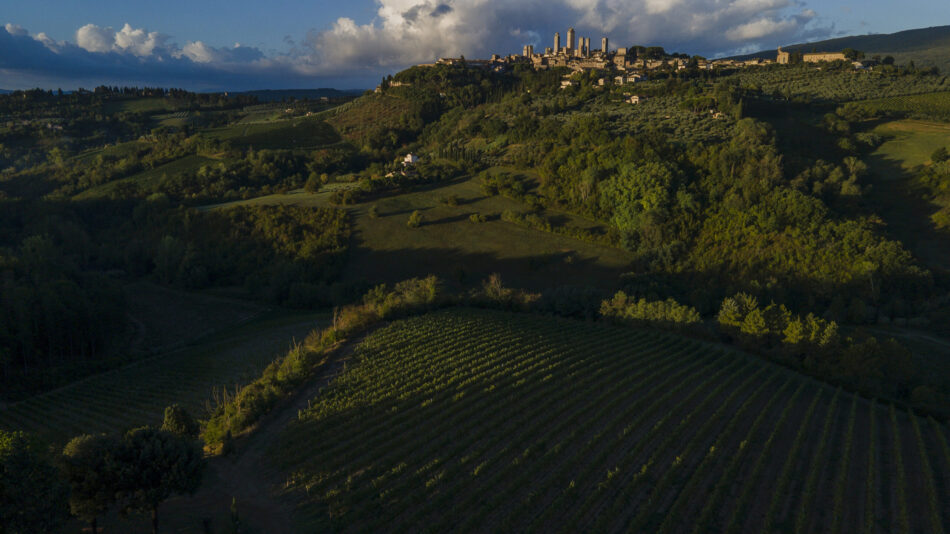
It is certainly also true that Vernaccia di San Gimignano is a small denomination, with limited production, something that people were already complaining about in the Middle Ages. The municipality of the “city of towers” covers 13,880 hectares, of which 5,600 are utilized agricultural area devoted to arable land, olive groves, and vineyards. The denomination falls entirely within its territory, and the vineyards total 2,000 hectares, located between 70 and 500 meters above sea level on soils of Pliocene origin, generally sandy, sandy-clay, or medium-textured: of these hectares, 750 are planted with Vernaccia registered as DOCG; another 450 hectares under the San Gimignano DOC are dedicated to the production of Rosato, Rosso (both Sangiovese and international varieties), and Vin Santo (both in its classic version and Occhio di Pernice); finally, there are 800 hectares registered under Chianti DOCG, Chianti Colli Senesi DOCG, and Toscana IGT. The potential production is 4,838,400 liters of wine, but yields have steadily decreased in recent years, both for quality reasons and due to drastic climate change. Comparing production figures over recent years, output has moved from 2,271,731 liters in 2023 to 4,069,843 liters in 2024, and to the current 3,851,717 liters in 2025, a decrease of 5.58% compared to the previous year. In 2025, 147 wineries (of which 81 are members of the Consortium) claimed production under the denomination, releasing 4,207,057 bottles of Vernaccia di San Gimignano onto the market (compared to 3,489,725 bottles in 2024, 4,610,439 bottles in 2023, and 4,630,332 bottles in 2022).
Vineyards have existed here since 1032, according to historical documentation, but - as in the rest of Central Italy - archaeological evidence points to viticulture dating back to the Etruscan age. Vernaccia specifically has been mentioned since the 13th century, and wine production and trade had already become a significant economic asset for San Gimignano at that time: as one of Italy oldest native grape varieties, it could only deserve the country first denomination of origin, with DOC status granted in 1966. Major subsequent milestones include 1972 with the creation of the Consortium, 1993 with DOCG status, 1996 with the introduction of San Gimignano Rosso DOC, and finally 2012 with the addition of Vin Santo and Rosato. This long and continuous history, rich in prestigious recognition, was the leitmotif of the Festival, as well as of the in-depth presentation by wine coach Filippo Bartolotta, who, drawing on a framework of memory (long before denominations, guides, and scores), terroir (the characteristic sapidity given by yellow sands, marine fossils, and light), identity (an indigenous grape that expresses itself best only in San Gimignano), and rebellion (a wine capable of evolving and aging without ever forgetting its roots) - didn’t limit himself to gathering the most authoritative past testimonies, but sought to make this centuries-long continuity of esteem relevant today, asking Italian and international professionals to describe Vernaccia di San Gimignano in the present day.
Starting from voices of the past, one recalls the mention by our Supreme Poet Dante Alighieri (to whom the Town Hall is dedicated, where he himself went in 1299 as an ambassador of the Guelph League), who in Canto XIV, lines 20-24, writes about the penance of Pope Martin IV: “he was from Tours, and purges by fasting the eels of Bolsena and the Vernaccia”. His Sienese poetic rival Cecco Angiolieri (with whom Dante sparred through sonnets) in 1290 complained about all the vices he had to give up, except quality wine: “and I vary not save for Greek wine or Vernaccia, for Latin wine troubles me more than my lady when she drives me away”. Giovanni Boccaccio was also among the admirers of the white from San Gimignano: in the Decameron, describing the Land of Cockaigne, he imagines vines tied to sausages and “a river of Vernaccia flowed, of the finest ever drunk, without a drop of water in it”. Already the idea of “pure wine” arises here, and Vernaccia, good because it is pure and undiluted, proves itself an early status symbol. Sante Lancerio, bottle-keeper of Pope Paul III, in 1541 ordered 80 flasks of Vernaccia from the Municipality of San Gimignano, complaining about its limited production: “a perfect drink for lords, and it is a great pity that this place does not produce enough”. Vernaccia even appears in paintings: in Giorgio Vasari “Allegory of Colle and San Gimignano” on the ceiling of the Salone dei Cinquecento in Palazzo Vecchio in Florence, he specifies that what the satyr behind the old man in the foreground is drinking is Vernaccia. The first organoleptic description of the wine is attributed to Michelangelo Buonarroti “Junior”, great-nephew of Michelangelo, who in his 1643 poem L’Aione writes that Vernaccia “which they give to drink to all who arrive, kisses, licks, bites, pricks, and stings”. Francesco Redi, a naturalist physician of the Medici family, in 1685 proclaimed: “if there be anyone who doesn’t like the Vernaccia harvested in Pietrafitta, let him be barred, cursed, and flee from my sight”. Grand Duke Cosimo III de’ Medici, in 1716, defined the zones of Tuscany great wines: as a good entrepreneur promoting the lands he owned, he mentioned Chianti, Valdarno, Carmignano, and Pomino, and - despite its evident fame - left out San Gimignano. Vernaccia, therefore, has gone its own way ever since. Ignazio Melenotti, a member of the Accademia dei Georgofili, in his 1815 “Manuale del Vignaiolo Toscano”, encouraged the production of pure Vernaccia, recognizing the quality of the grape. Around 1925, in the book Immagini di Città, Walter Benjamin mentions San Gimignano and its beauty, noting that “a man who lives there finds it hard to remember what he needs to live”. One can’t overlook the words of Mario Soldati, collected during his journeys through rural Italy. In “Vino al Vino”, he recommends going “beyond Siena and even Poggibonsi to reach a true “inner island”. The hills around the turreted skyline of San Gimignano, a “unicum” among territories, where a “unicum” among wines is produced: Vernaccia di San Gimignano,” and regarding the wine itself, he finds no comparison with other Italian whites: “it is fragrant, I said: savory, smooth, seductive”.
After reviewing the “voices of the past”, those of the present were read and heard. For example, those of journalist Stefano Tesi, who recognizes in its identity “a life buoy to hold tight to, which can allow it to stay afloat in the perpetually turbulent waters of globalized wine”. According to restaurateur Andrea Gori, Vernaccia “has found itself. Salinity, not acidity, is the key. A modern white which lives on golden echoes but struggles to command the price it deserves”. Luigi Salvo, sommelier of Ais - Associazione Italiana Sommelier, finds it “an ancient and modern wine, simple and complex, linear and rebellious. The freshness of the wine, the sapidity that recalls Pliocene soils, the silence of the hills, the suspended towers”, while food blogger Marco Bechi recalls how it is “thanks to the sensitivity of winemakers that it has become an identity-driven wine with a complex body: versatile, it pairs both with fresh dishes and more structured ones in its Riserva versions”. Canadian wine educator Andrea Eby argues that Vernaccia has “saline sapidity, texture, a sense of place. A wine that rewards attention and becomes more convincing the more time you devote to it”. According to American journalist Blake Gray, Vernaccia “has probably never been as good as it is today. Tuscany most famous white wine is in the right position for the future”, noting how the market is increasingly rewarding white wines over reds. Czech journalist Michal Setka, meanwhile, emphasizes how quality is “clearly on the rise, with producers increasingly focused on expressing a sense of place. In a world seeking authenticity and freshness, it has a great opportunity”. Swedish journalist Per Karlsson is more imaginative: “the wines have something of the towers: they are slender, long, and well-built. And elegant”. And what does the future hold for Vernaccia di San Gimignano? Journalist Carlo Macchi, who believes the future will not be easy for anyone, predicts that “Vernaccia will move toward a stronger aptitude for aging, becoming a white which is good immediately and even better after at least 6-8 years. For this reason, it would benefit from obtaining the “Superiore” mention”. American writer and communicator Matthew Horkey defines Vernaccia as a contemporary wine perfectly suited to the modern consumer: “the fact that it is also economically accessible is an added bonus today. It is not yet well known in the United States, but Tuscany will always attract visitors who taste, remember, return home, and look for it.” Polish journalist Tomasz Prange-Barczynski admits that, despite drinking and tasting Vernaccia for 20 years and believing he knows what to expect, it remains a mysterious wine for him, always capable of surprising him in some way. Neapolitan journalist Fosca Tortorelli argues that Vernaccia is “a wine that no longer needs to prove itself, only to be told. Vernaccia does not belong to haste, but to time. That is its most contemporary strength”. According to journalist Vincent Arrhenius, consistency is what matters: just as Vernaccia has remained a benchmark wine for centuries, we must continue talking about it to everyone we meet, “like drops of water that carve stone”. Florentine journalist Leonardo Romanelli describes what he loves about Vernaccia: “it changes rhythm as you drink it: at first it seems austere, then it opens up and reveals a complexity you would not expect from a white wine”.
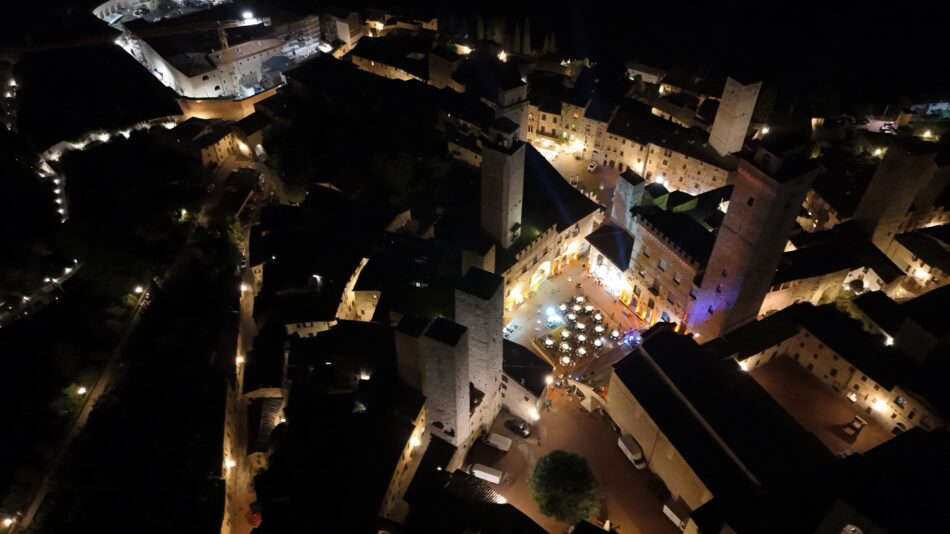
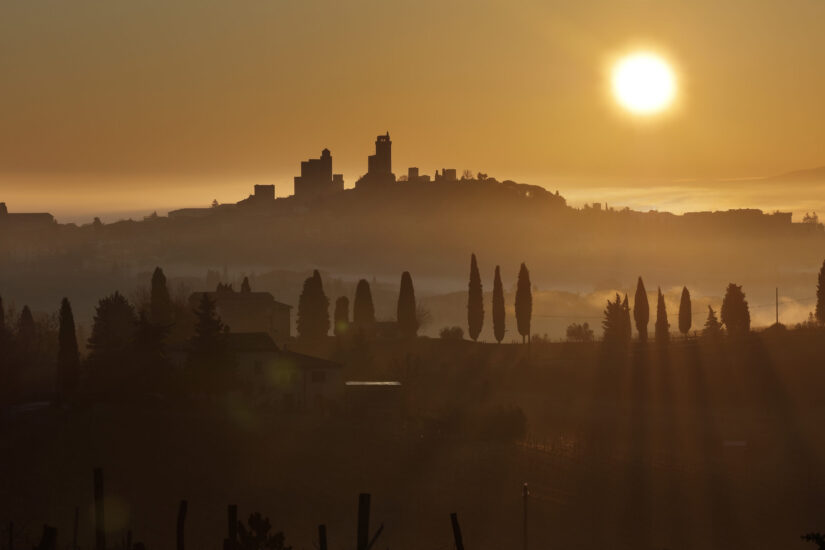
The final contribution comes from WineNews director Alessandro Regoli, in a synthesis that brings together the past, present, and future of Vernaccia di San Gimignano: “It is a wine with a great history, yet capable of being modern and in step with the times and with today consumer tastes, without losing its identity. Quality has grown and will continue to grow, with a widespread style always capable of enhancing the peculiarities of the grape variety linked to the uniqueness of the territory, with an ever stronger and more recognizable bond. Moreover, the “white queen” of Tuscany, known for its great red wines, has the wind in its sails thanks to the trend which sees white wines gaining ground in people choices and consumption. Many toasts were raised in front of the unmistakable and unique towers, overlooking both the countryside and vineyards, as well as the unique beauty of the town of San Gimignano. A combination which gives life to an extraordinary territory, welcoming 3 million tourists every year, who, when they leave the city of towers, the “Manhattan of the Middle Ages”, should take with them at least one or two bottles, as a “liquid postcard” of a place of truly boundless beauty and charm. In the future - concluded the director - I see the history of Vernaccia di San Gimignano and its historical testimonials: from Dante Alighieri, who mentions it, the only wine in the “Divine Comedy”, to Boccaccio, who lets it flow as a ‘little river’ in the Land of Cockaigne in the Decameron; from Folgòre da San Gimignano to Cecco Angiolieri; from Eustache Deschamps to Geoffrey Chaucer; from Ludovico il Moro to Lorenzo il Magnifico; from Francesco Redi, who even curses those who do not like it in Bacco in Toscana, to Sante Lancerio, the bottle-keeper of Pope Paul III Farnese; from Michelangelo Buonarroti the Younger at the court of Grand Duke Cosimo I de’ Medici, where it was so “admired” that Giorgio Vasari depicted it in the Salone dei Cinquecento in Palazzo Vecchio in Florence in the 16th century. A history which will be able to project itself into the future if producers are capable of working together as a strong team, around shared values and ‘themes’ on which to develop the territory, also in terms of communication”.
Moving beyond celebration, we return to the more concrete aspect: the new vintages of Vernaccia di San Gimignano DOCG presented at “Regina Ribelle” 2026, including the 2025 and 2024 vintages and the Riserva 2024 and 2023. The 2025 harvest analysis by the Consortium technicians describes a complex climatic pattern (including widespread hail in the first ten days of July), which required attention and flexibility at every phenological stage to bring grapes in good health into the cellar. Rainfall was average, in line with 2024, though 5-10% lower in some areas of the denomination: regularly distributed between April and May, it returned at the end of August and especially in the first days of September, interfering with the harvest period. The severe hailstorm in early July damaged production in some areas of the municipality, while in other areas it only brought rainfall that relieved the vines and provided water reserves to face the subsequent weeks of heat. Pathogen pressure in the vineyard remained generally low throughout the year, with the exception of some cases of botrytis detected in September, particularly in areas more exposed to rain during the harvest. Temperatures remained moderate in spring, and the one-week early budbreak compared to 2024 was recovered in the following weeks. Heat surged in June, even at night, reaching highs of 40°C (well endured thanks to spring water reserves), while July proved cooler, with temperatures about 2.5°C below average, allowing the grapes to preserve acidity and pH more effectively than in 2024. The harvest period was in line with previous years, but once again picking was staggered, with repeated passes in the vineyard to select bunches at perfect ripeness. Healthy grapes in good sanitary condition thus led to fragrant, balanced wines with good freshness and lower alcohol levels compared to previous vintages.
As for the 2024 harvest, a winter without extreme low temperatures was followed by a cool spring with average rainfall, which slowed the vine budbreak that had been anticipated due to mild winter temperatures. Rain alternated with dry periods until the end of June. From July, the African anticyclone set in, raising temperatures (peaking at 41°C for several consecutive days, even at night) and effectively slowing grape ripening. A heavy storm on August 20th marked the beginning of a long unstable period, bringing rainfall throughout September, which delayed the harvest. The vines therefore didn’t suffer water stress, but between August 20th and October 2nd, as much as 330 mm of rain fell compared to a twenty-year average of 100 mm. Attacks of downy mildew occurred (though less severe than in 2023), along with powdery mildew, grape moth, and botrytis due to September rains. As in the rest of Italy, the harvest began reversing the early trend of the previous three vintages: continuous rainfall throughout September meant that the harvest of Vernaccia di San Gimignano extended well beyond the average timing. The rains also required a staggered harvest, based on ripeness levels and careful bunch selection to ensure healthy grapes with the right degree of maturity reached the winery. Overall, the vintage was moderately productive, following the roughly 30% drop recorded in 2023.
The 2023 vintage, from a climate standpoint, was very challenging. The frequency and intensity of spring rainfall immediately put the entire production of the San Gimignano area at risk. To worsen an already partially compromised situation, summer temperatures were significantly above average, accompanied by real heatwaves that lasted for days. These conditions - widespread downy mildew attacks and persistent extreme heat above 40°C - caused further damage to some varieties and halted the ripening of red grapes: in some vineyards the situation was so severe that a complete loss of the harvest was recorded, while in many estates overall production reached only 20-30%. The harvest began in early September with the picking of aromatic white grape varieties, then continued through to the end of the month with Vernaccia di San Gimignano, and concluded between the first and second ten days of October with Sangiovese. From a qualitative standpoint, the 2023 vintage appears in line with the last two or three vintages, as they showed irregular patterns too.
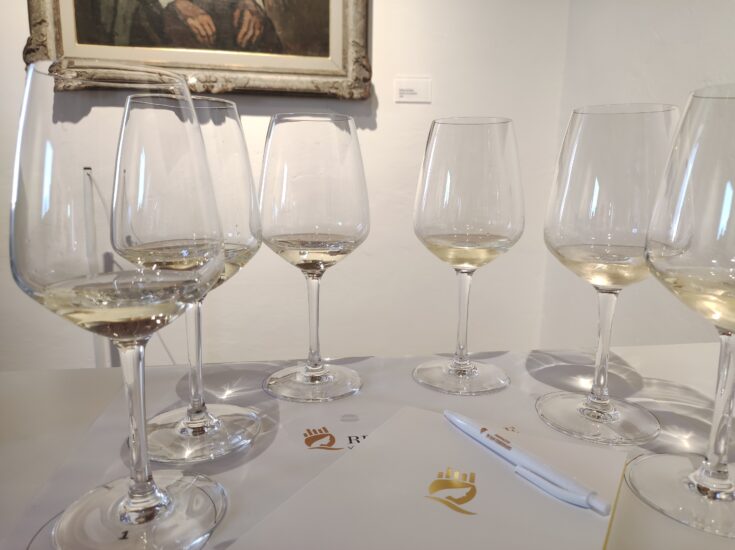
And from the preview tasting, among the 58 wines presented (including 16 Riserva) by the 25 participating wineries, here are WineNews’ top selections.
Abbazia Monte Oliveto, Vernaccia di San Gimignano 2025
Elegant, yet intense and warm, it is rich in yellow and white flowers, with peach and melon, raw almond, and delicate aromatic herbs; the palate is savory, long, and fresh, with a slight warmth, as the fruit returns, but on tiptoe, chalky and floral, with aromatic herbs on the finish.
Cappellasantandrea, Vernaccia di San Gimignano Clara Stella 2025
Rough and intense, it smells of gooseberries, acacia syrup, white melon, dark notes of rock, but also of sweet fruit; on the palate it is astringent and fresh, but also broad, especially on the mid-palate, citrusy and fruity on the finish, where the rocky notes return.
Cesani, Vernaccia di San Gimignano 2025
Wide, smooth, and sunny like a sunset, it offers aromas of orange, melon, and toasted almond, with hints of the sea; the palate is citrusy with a distinct briny savory quality; the texture is full-bodied and substantial, flavorful and still sunny, with sweet fruit and citrus notes, followed by hints of saffron and bay leaf.
Collemucioli, Vernaccia di San Gimignano Madreterra 2025
The nose has the freshness of dawn, with notes of white, yellow, and purple flowers, citrus pith and peel, and wild aromatic herbs; the palate is intense, consistently floral, with white citrus and notes of white-fleshed fruit returning to add depth; it finishes balsamic and not overly warm.
Fattoria Poggio Alloro, Vernaccia di San Gimignano Il Nicchiaio 2025
A warm strawberry-blond wine, with notes of melon and white peach, raspberry and strawberry, camellia and rose, and aromatic herbs; unusual on the nose, it is broad yet sharp on the palate, intense and rugged, where the pink and yellow fruit—along with floral notes—return, accompanied by hints of almond.
Podere Le Volute, Vernaccia di San Gimignano Vigna del Sole 2025
Intensely fragrant with flowers, above all, as well as lavender, iris, and rosemary, talc, and finally mandarin, which also returns on the palate; the mouthfeel is astringent, persistent, and savory, leaving the palate with citrus and slightly vegetal notes of aromatic herbs and ginger.
Signano, Vernaccia di San Gimignano 2025
Fresh on the nose, almost as if it had been aerated, with well-balanced notes of rock, flowers, and yellow fruit, along with a light hint of catmint; on the palate, it is fresh, airy, savory, and fruity, with bold flavors yet a smooth texture, leaving the palate with citrus and fruit notes, followed by a rocky, lingering finish.
Tenuta Guardastelle, Vernaccia di San Gimignano Consesta 2025
Iris and talc, apple and white peach, notes of fresh almond: it is intense on the nose and equally so on the palate, where the mouthfeel is deep, both savory and astringent, very citrusy and fresh with hints of the Maremma scrub, rocky and sweet on the finish with notes of peach and prickly pear.
Il Colombaio di Santa Chiara, Vernaccia di San Gimignano Campo della Pieve 2024
Bright and intense with notes of white flowers, citrus zest, cedar peel, and white peach, followed by melon; the palate is marked by high acidity and astringency, with notes of white pepper, white peach, melon, raw almond, and aromatic herbs; it has a long, savory finish and is textured and full-bodied.
Tenuta Sovestro, Vernaccia di San Gimignano Donna Lucia 2024
Boxwood, pineapple, white melon, elderflower: very sharp and intense on the nose, with an undertone of bay leaf that broadens the profile; on the palate, it is also broad, savory, and fresh, with notes of aromatic herbs, elderflower, and white peach and melon; it lingers for a long time, full-bodied and intense.
La Lastra, Vernaccia di San Gimignano Riserva 2024
Generous aromas of yellow and white flowers, with hints of honey, followed by white-fleshed fruit and citron peel: it is very sweet on the nose, with a stony character and perceptible warmth, just as on the palate, where savory notes are complemented by the freshness of citron, a touch of warmth, and intense notes of yellow flowers.
La Roccaia, Vernaccia di San Gimignano Faeta Riserva 2024
Very sweet with notes of flowers and white melon, plenty of balsamic herbs, and a hint of flint; the palate is savory, full-bodied, and flavorful, yet also fresh and long-lasting with floral and citrus notes, and a return of balsamic herbs.
Pietraserena, Vernaccia di San Gimignano Cretula Riserva 2024
It offers the sweetness of ripe yellow fruit, notes of flint, citron, apricot, toasted almond, and finally wild herbs; the palate is soft, slightly spicy, then savory, and finally fresh, a pleasant sequence that closes with notes of herbs, candied citron, and pepper.
Poderi Arcangelo, Vernaccia di San Gimignano Per Bruno Riserva 2024
Very citrusy, it takes on a strawberry-blond hue, with notes of flowers, including violets, peach, and melon; it is intense yet gentle on the palate, where the flavor is present without being overpowering: savory and fresh, more balsamic and floral than fruity, it finishes clean with fresh almond.
Teruzzi (Terra Moretti Group), Vernaccia di San Gimignano Sant’Elena Riserva 2022
An elegant nose of flint and white flowers, followed by white fruit and citrus zest; a sense of warmth lends it verticality; the palate is soft, sweet, and mineral, flowing through consistently white notes of flowers, fruit, and citrus zest, where it loses warmth and gains a balsamic quality from aromatic herbs and a finish of white almond.
Copyright © 2000/2026
Contatti: info@winenews.it
Seguici anche su Twitter: @WineNewsIt
Seguici anche su Facebook: @winenewsit
Questo articolo è tratto dall'archivio di WineNews - Tutti i diritti riservati - Copyright © 2000/2026