


Thursday 17th of September 2026 - Last Update: 19:18






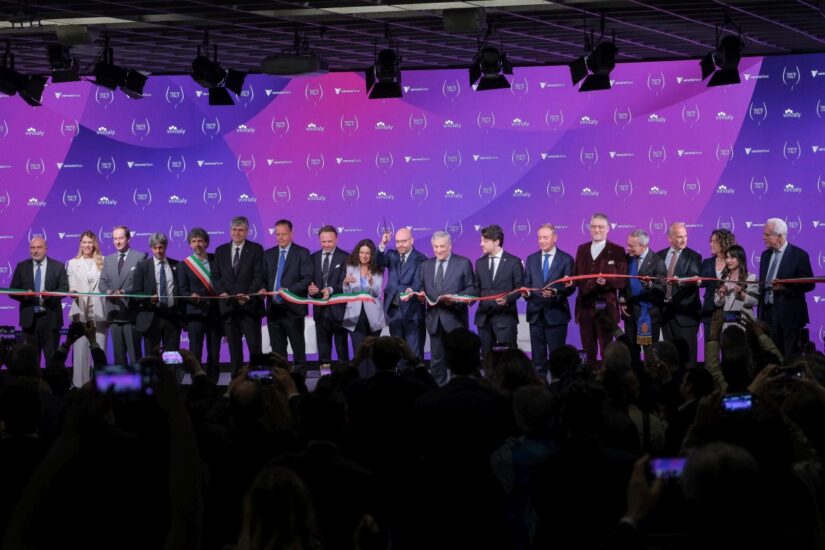
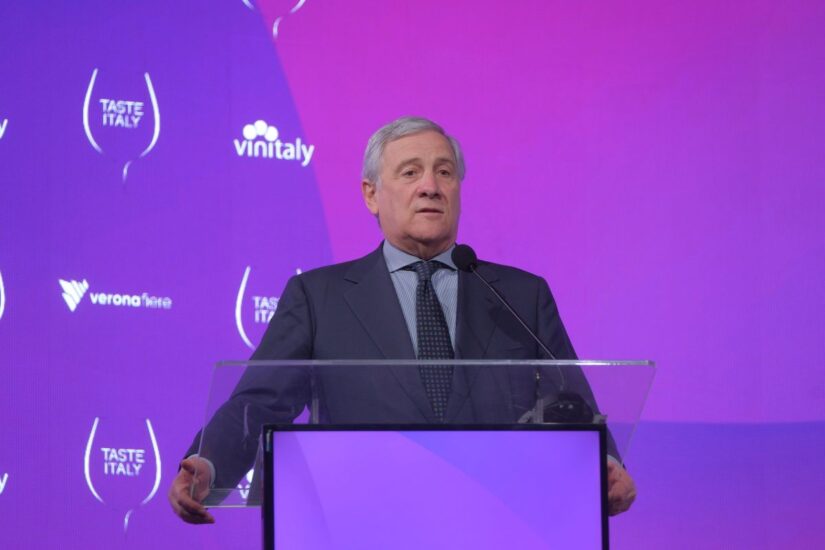
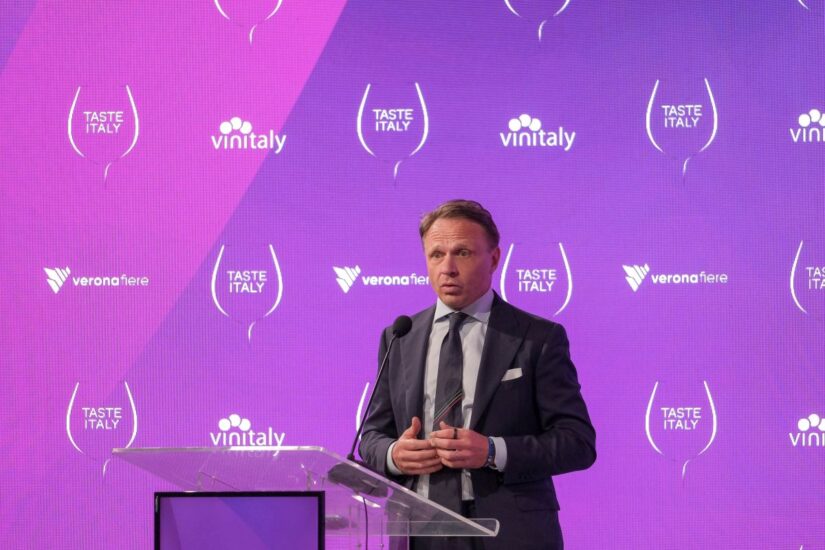
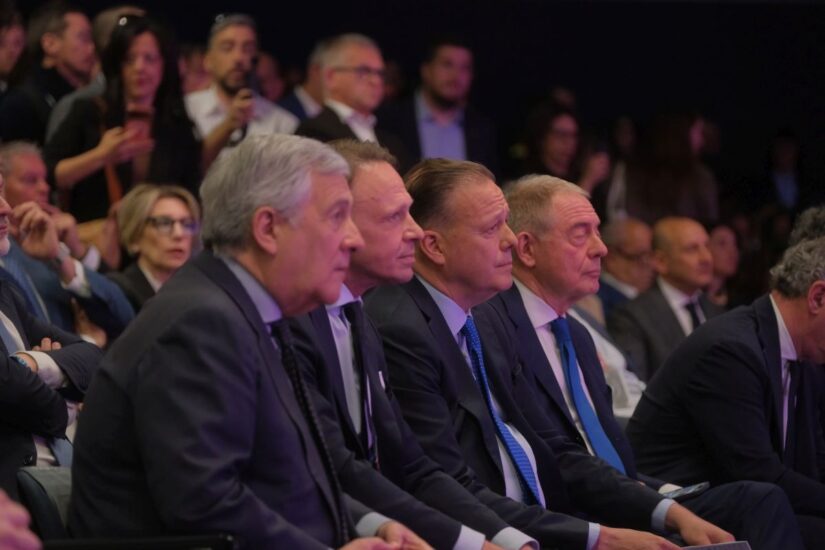

The moment is challenging, but the world of wine can emerge from it and continue to grow by looking to new markets, engaging with new generations of consumers, joining forces, innovating, and focusing on two all-Italian “flagships”: wine tourism and Italian Cooking as Unesco Intangible Cultural Heritage, of which wine is an integral and irreplaceable part of conviviality, an aspect which played a fundamental role in obtaining this prestigious recognition. All of this with the support of institutions, firmly committed to backing the sector at this point in history, when international tensions, first and foremost, are a cause for concern. This is, in a nutshell, the scenario outlined today at the opening of Vinitaly 2026 in Verona (April 12th - 15th, Veronafiere, which WineNews explains “day by day”), the edition No. 58 of the leading international event for Italian wine, attended by Lorenzo Fontana, president of the Chamber of Deputies, Antonio Tajani, deputy Prime Minister and Minister of Foreign Affairs; Francesco Lollobrigida, Minister of Agriculture, Adolfo Urso, Minister of Enterprises and Made in Italy, Alessandro Giuli, Minister of Culture, Gianmarco Mazzi, Minister of Tourism, Antonella Sberna, vicepresident of the European Parliament, Matteo Zoppas, president of Ita - Italian Trade Agency, Alberto Stefani, president of the Veneto Region, Flavio Massimo Pasini, president of the Province of Verona, and Damiano Tommasi, mayor of Verona. A “strong” institutional presence, conveying a message of closeness to the wine sector, as the industry awaits the arrival of Prime Minister Giorgia Meloni on Tuesday, April 14th. Meanwhile, tomorrow, EU Commissioner for Agriculture Christophe Hansen will attend.
“Vinitaly - explained Veronafiere president Federico Bricolo - today represents an infrastructure to support and amplify the international projection of Italian wine, a structured platform that, starting from Verona, works continuously to reinforce the presence of our companies in global markets. In one of the most complex geopolitical and economic scenarios, marked by instability, the redefinition of trade routes and growing international competition, Veronafiere clearly feels the responsibility to further evolve its role: not only as a meeting place for business, but as a concrete lever to consolidate the sector’s positioning and expand development opportunities abroad. International promotion is one of our priorities. This vision includes a structured program of nearly 30 international initiatives which systematically cover the main strategic areas: from the United States to Asia, with China, India, Thailand, Kazakhstan, Japan and South Korea; from Latin America to the Balkans, as well as European markets and the United Kingdom. This geography overlaps with the most promising routes for our exports, and we intend to expand it further. We are already working with Ita - Italian Trade Agency on new Vinitaly legs in Africa, Canada and Australia. Moreover, we will double our presence in Brazil, further strengthening the existing position with Wine South America”.
Lorenzo Fontana, president of the Chamber of Deputies, made an appeal for peace, also in light of recent developments in the Middle East, calling it “an extremely important moral issue, but one that also affects the economy and relations among countries”, and therefore the difficulties impacting the “wine system”.
Antonio Tajani, deputy Prime Minister and Minister of Foreign Affairs, stated that “the situation in the Middle East and wine exports are not unrelated. Where goods pass, weapons do not, but I am concerned about the talks between the US and Iran. Being the world leading wine producer means representing Italy in the best possible way. Exports are crucial: we must certainly look at the US market, and the 15% tariff level obtained is a competitive measure compared to other countries. Italian wine is of very high quality, and American consumers are willing to spend 10 euros more for our product. There are other trade agreements, such as Mercosur and India, which is a market of great interest. However, the price of oil worries us. For Italian agri-food, the goal is to reach 720 billion euros in two years”.
Matteo Zoppas, president of Ita - Italian Trade Agency, recalled the challenges the wine world is facing, “from tariffs to the euro-dollar exchange rate and consumer behavior. But there are also opportunities, such as Mercosur, India and Australia. We listen to the voices of entrepreneurs and trade associations. We must succeed in bringing wine exports to 10 billion euros as soon as possible”.
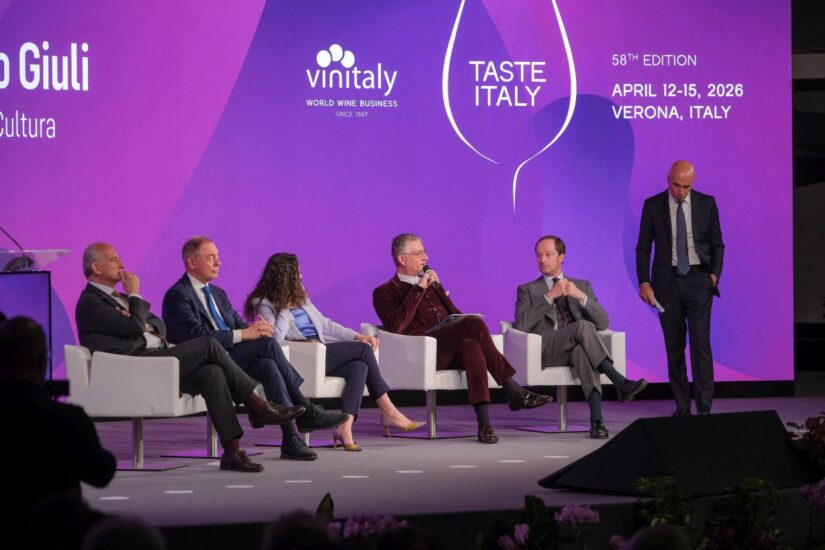
In the talk dedicated to the future of wine, moderated by journalist Gianluca Semprini, president of Unione Italiana Vini - Uiv, Lamberto Frescobaldi stressed that “the “wake-up call” generated by international tensions forces us to put our own house in order and at the same time broaden our commercial horizon. Paradoxically, this is therefore a very favorable moment to take another step forward in the quality of our business decisions starting with even stronger management, greater listening to and analysis of markets, and demand trends. The goal is twofold: on the one hand, to be more present in markets and to know our customers better; on the other hand, to produce contemporary wines in line with demand. We have always done this and will continue to do so with even greater determination, but at this moment more than ever we need a collective assumption of responsibility, with clear and decisive choices throughout the entire supply chain. Vineyards always produce: we must have the courage to make business decisions, such as producing more contemporary wines and innovating”. According to Frescobaldi, “there is no mystery that the situation is complicated. However, I would like there to be an effort to see things in all their complexity. Despite a far from fortunate 2025, wine once again last year confirmed its position as the second-largest contributor to the trade balance among all traditional made in Italy sectors, thanks to a foreign trade surplus of +7.2 billion euros”.
Federvini president Giacomo Ponti emphasized the need, in addition to promotion, to “firmly defend the US market, but also to engage younger consumers. As for new markets, Mercosur, despite still low export levels, has the greatest potential, also because there are many Italians there and the region is huge, while the Indian market still has to be built from scratch”.
Minister of Culture Alessandro Giuli offered a historical overview of wine as an element of cultural diplomacy: “just read Homer to remember how wine is also a tool for dialogue. Every Italian territory has its own way of expressing the uniqueness of its agri-food products, and the same applies to wine”.
Minister of Enterprises and Made in Italy Adolfo Urso was also present at the opening day of Vinitaly, who underlined the importance of “preserving the US market”, while at the same time opening new ones, recalling as a message of confidence, that “in the terrible year of 2025, Italy nevertheless grew in exports, catching up with Japan”.
Antonella Sberna, vicepresident of the European Parliament, returned to the issue of “health warnings” on alcoholic beverage labels (which in recent days has once again come to the center of EU debate, as we explained on WineNews): “we don’t need alarmism; intimidating labels are of no use to anyone”. Regarding the “Wine Package”, her assessment was positive: “it offers flexibility and resilience”.
Minister of Tourism Gianmarco Mazzi said that “wine is not just a drink or a food product, but a millennia-old story of great human knowledge. I intend to focus on wine tourism, which is worth 3 billion euros and is growing, also thanks to the direct-sales channel which allows companies to reduce costs. It can also be a response to the phenomenon of overtourism”. Mazzi also expressed openness to the Napa Valley model, which has set a benchmark in wine tourism, making himself available to discuss it with entrepreneurs.
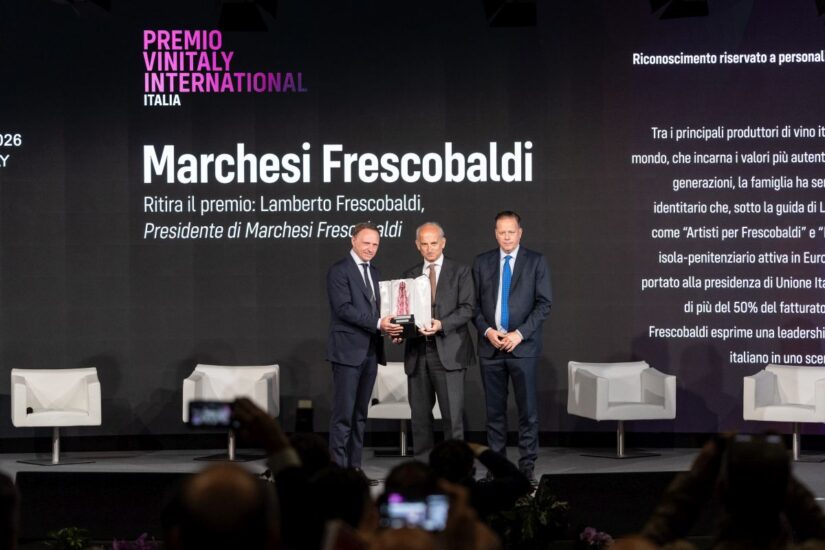
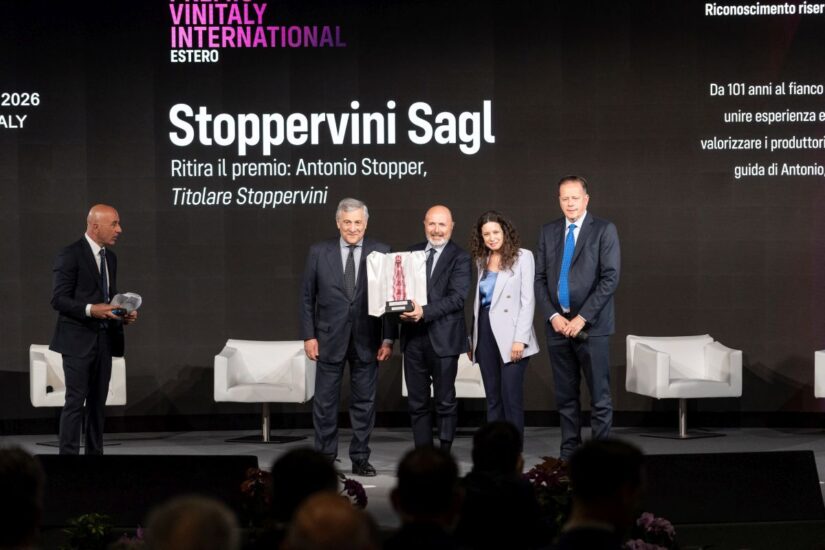
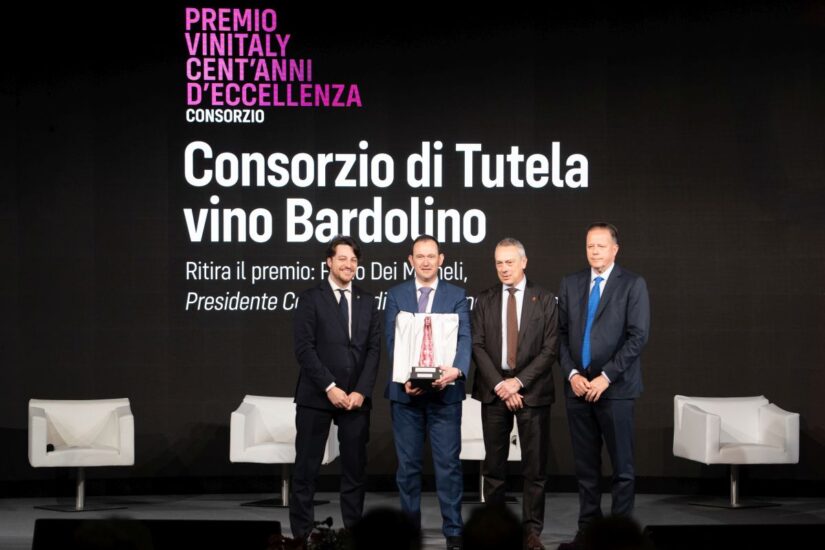
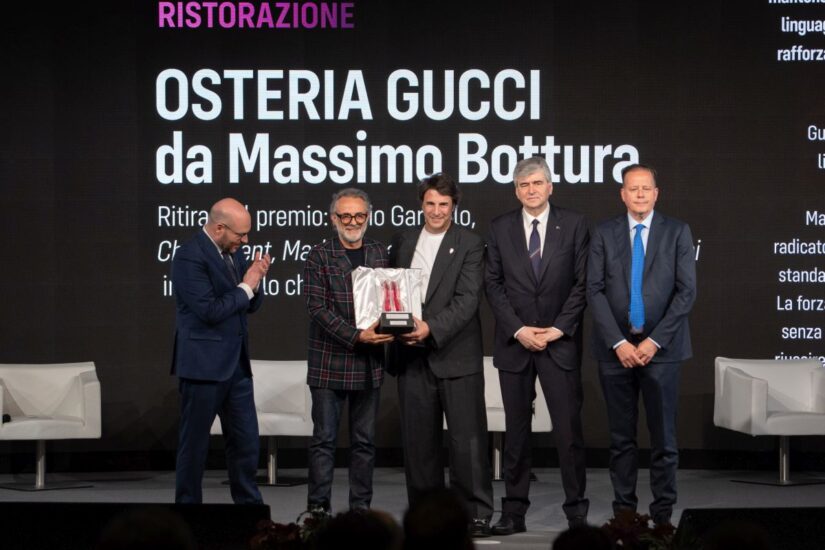
Closing remarks were delivered by Minister of Agriculture Francesco Lollobrigida, with the delivery of “Vinitaly Awards” 2026: “there is an economic slowdown, and we must also ask Europe to move faster. Crises are nothing new: I remember the one in 1978, when Pope John Paul II said we must “not be afraid”. Italy has the right to have its say and to be recognizable. Verona is the world capital of wine: here, wine is a place of debate and in-depth discussion. Wine labeling? It should serve to inform, not to condition”.
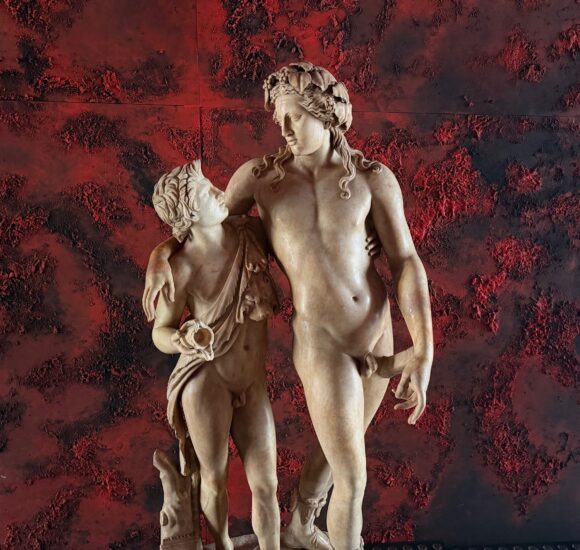
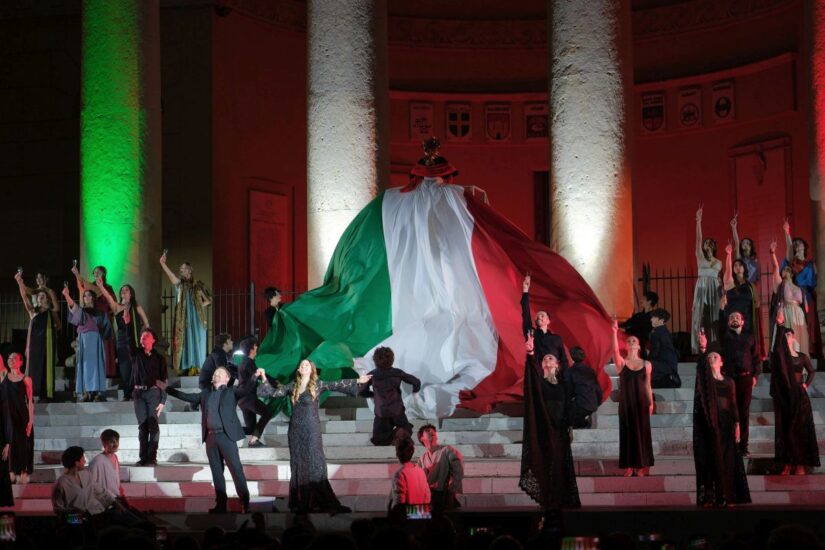
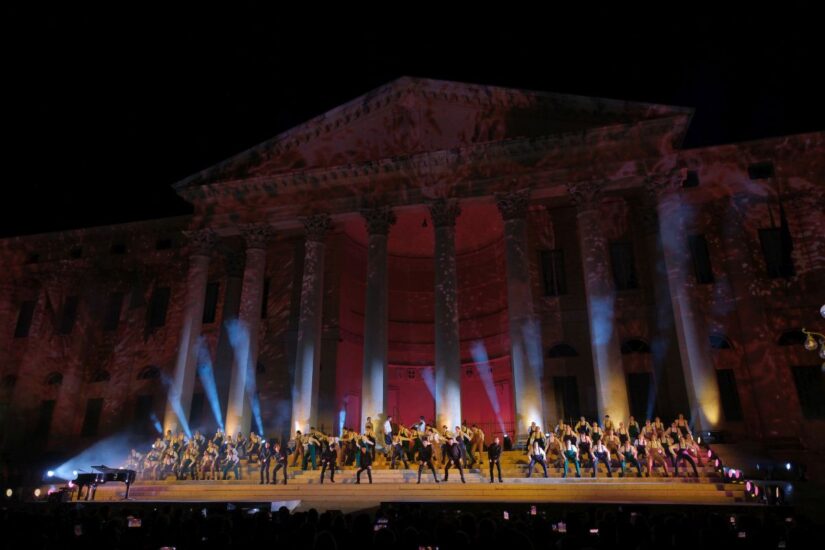
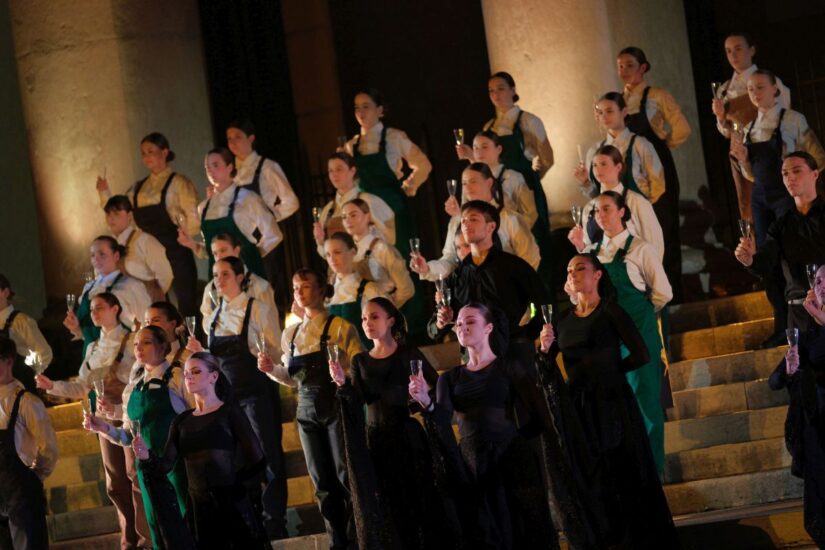
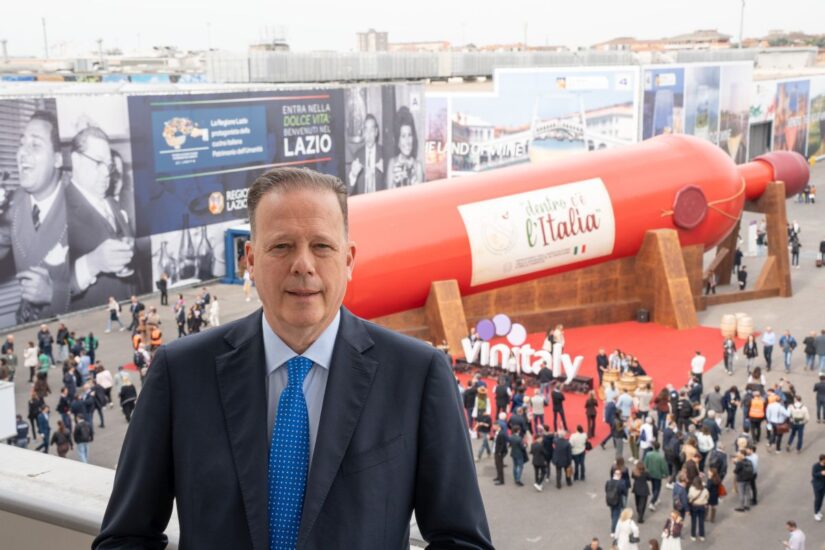
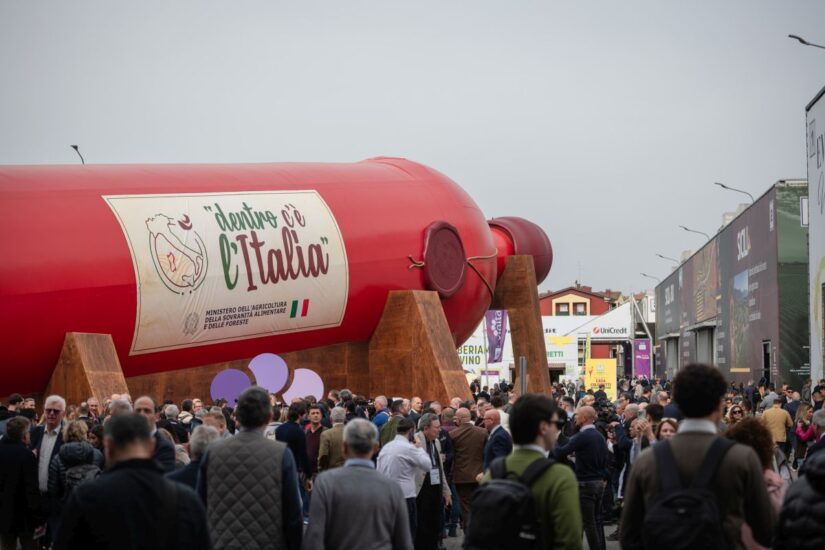
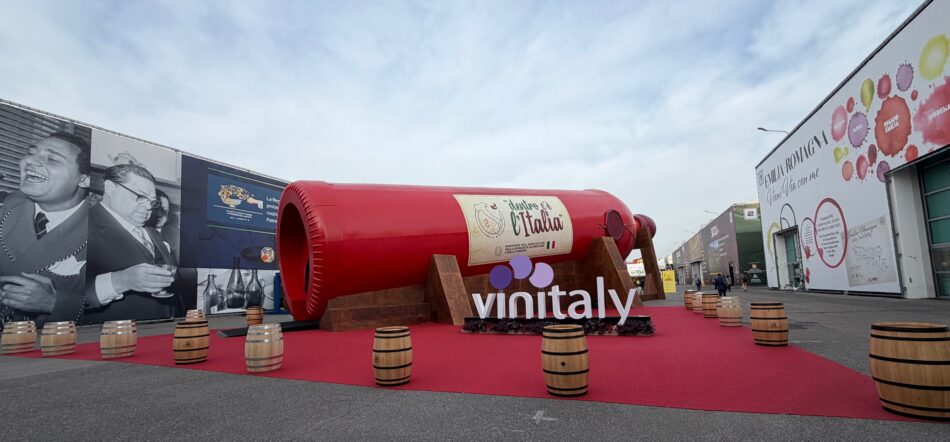
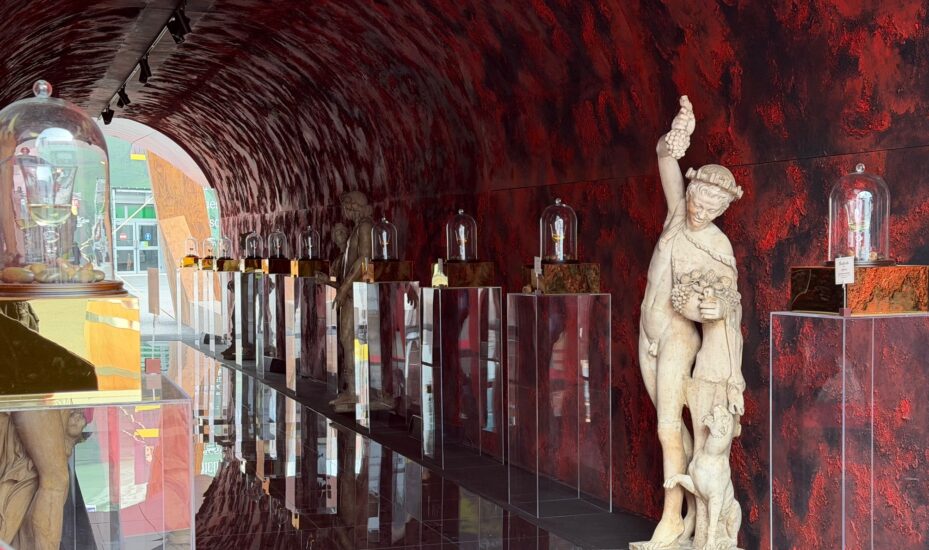
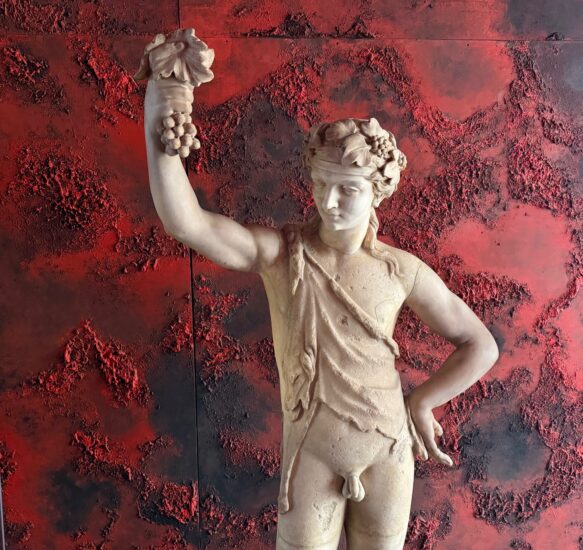
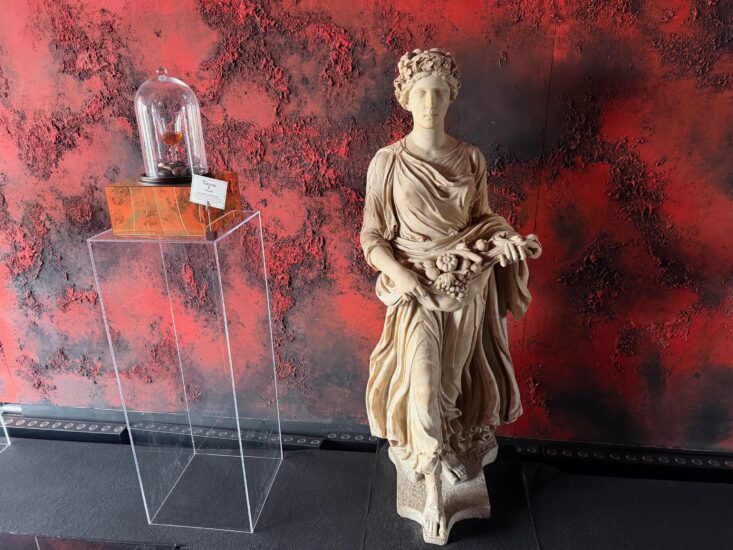
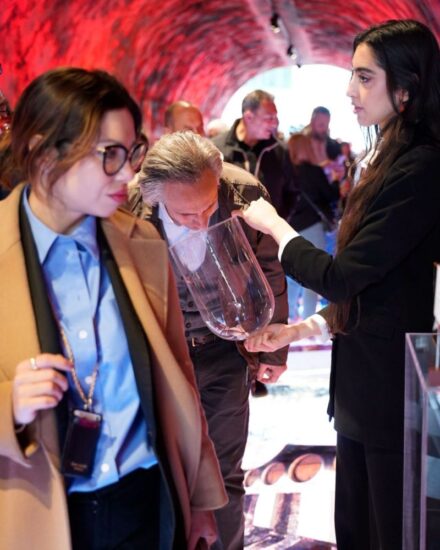
Last night, in Piazza Bra in Verona, the immersive show “Dentro c’è l’Italia” - “Inside, there is Italy” was staged. This original production brought together different artistic languages - dance, theater, and music - to tell the story of the soul of Italian wine. Conceived and directed by Giuliano Peparini, with 150 performers from the Peparini Academy and in collaboration with the Inda Foundation, the event was organized by Veronafiere together with OpportunItaly, the export acceleration program of the Ministry of Foreign Affairs and Ice Agency, and held under the patronage of the Ministry of Agriculture. At the trade fair, the show inaugurated the Expo with a giant bottle bearing the words “Dentro c’è l’Italia”. Here, where wine, art, and culture come together, visitors can admire 6 statues from the Roman era originating from the collections of the Uffizi Galleries and Palazzo Pitti in Florence. These sculptural works evoke the mythological and symbolic world linked to wine and the cult of Bacchus and were made available thanks to the contribution of the Ministry of Culture, and 22 grape varieties, from Nebbiolo of Piedmont to Primitivo of Puglia, from Nero d’Avola of Sicily to Friulano of Friuli Venezia Giulia, as well as emblematic Central Italian varieties such as Sagrantino from Umbria and Montepulciano from Abruzzo, or Verdicchio from Marche and Sangiovese from Tuscany, to name just a few of them. Together, they tell the story of the extraordinary richness of Italian viticulture to wine enthusiasts attending the fair, who, guided by sommeliers from the Italian Sommelier Foundation (Fis), can enjoy an olfactory experience by lifting glass domes which preserve the aromas of grapes.
Copyright © 2000/2026
Contatti: info@winenews.it
Seguici anche su Twitter: @WineNewsIt
Seguici anche su Facebook: @winenewsit
Questo articolo è tratto dall'archivio di WineNews - Tutti i diritti riservati - Copyright © 2000/2026