


Monday 12th of October 2026 - Last Update: 12:59





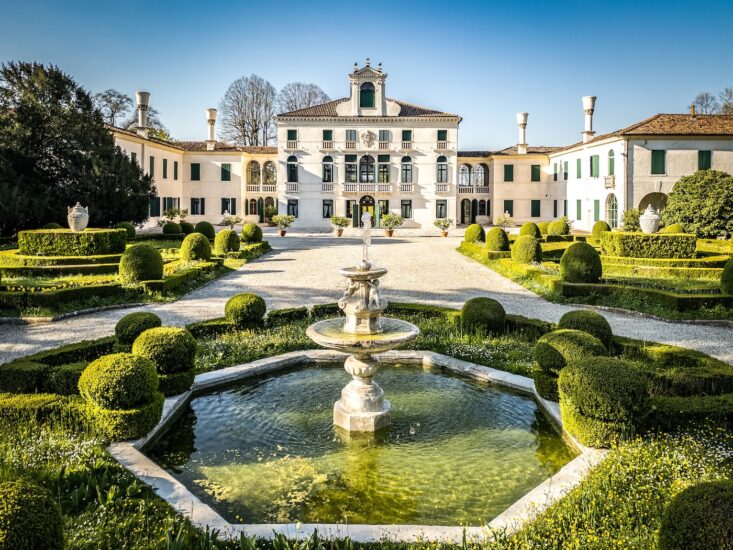
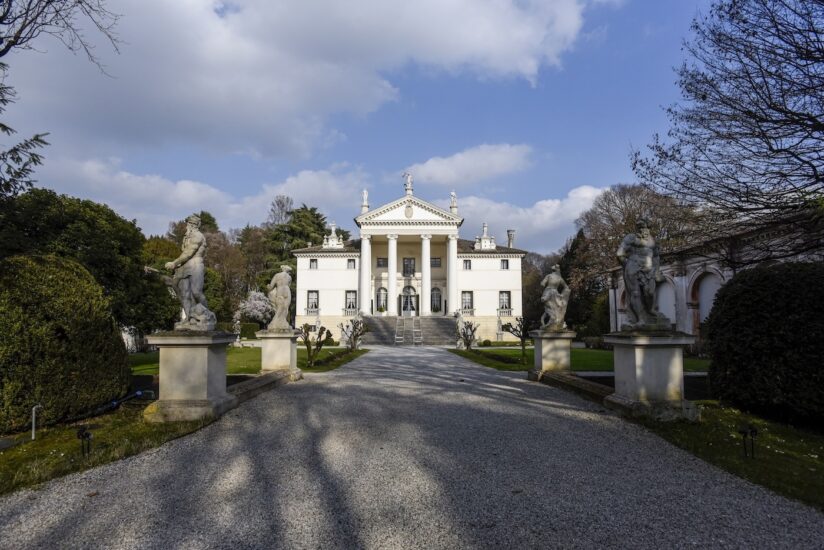
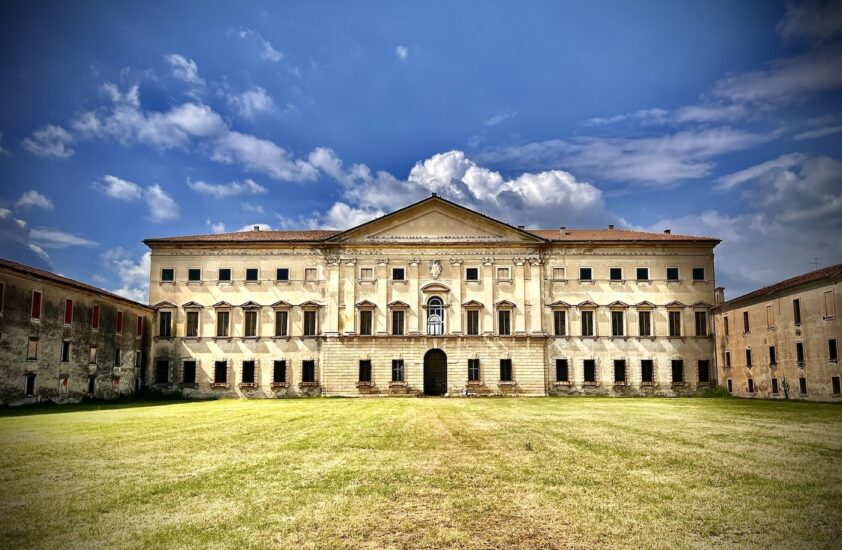
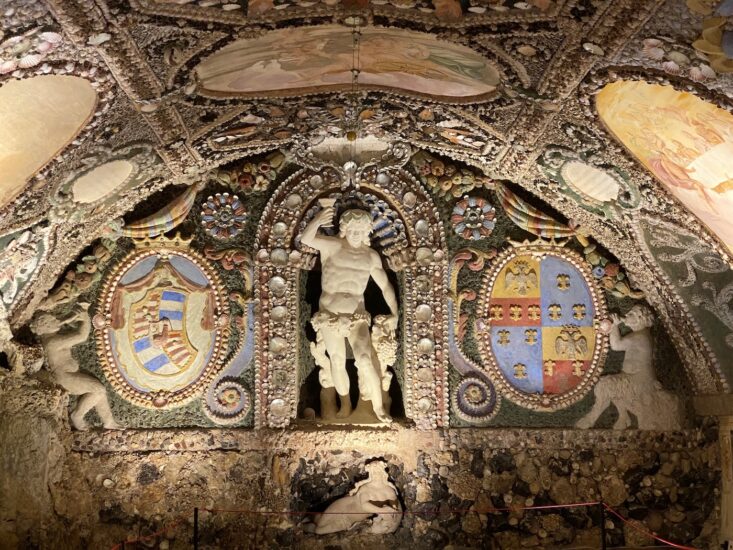
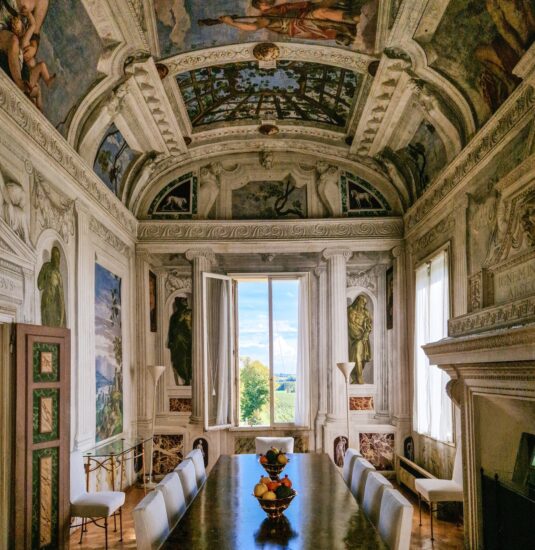
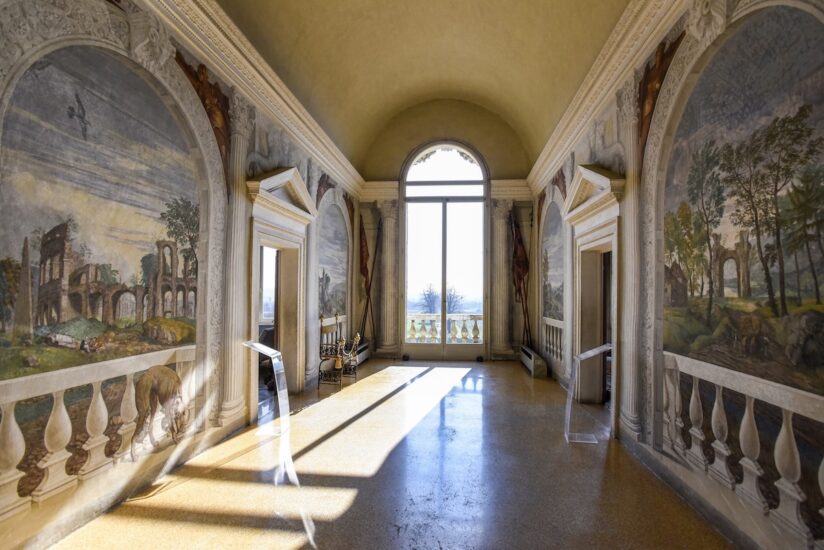
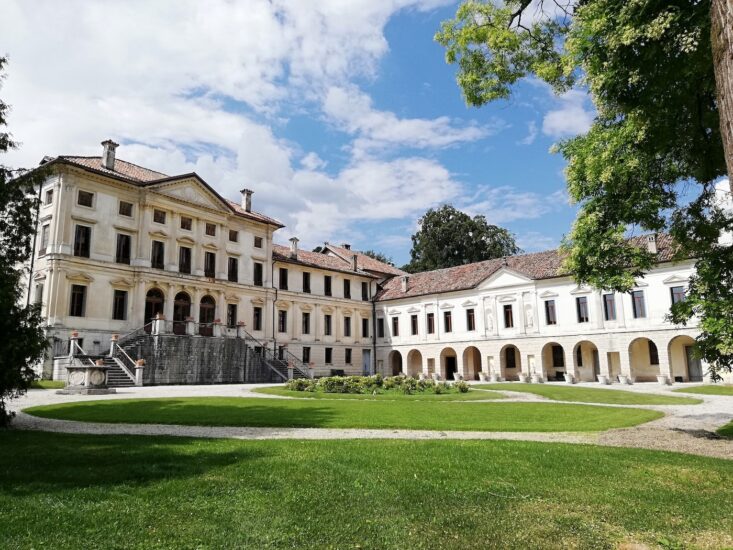
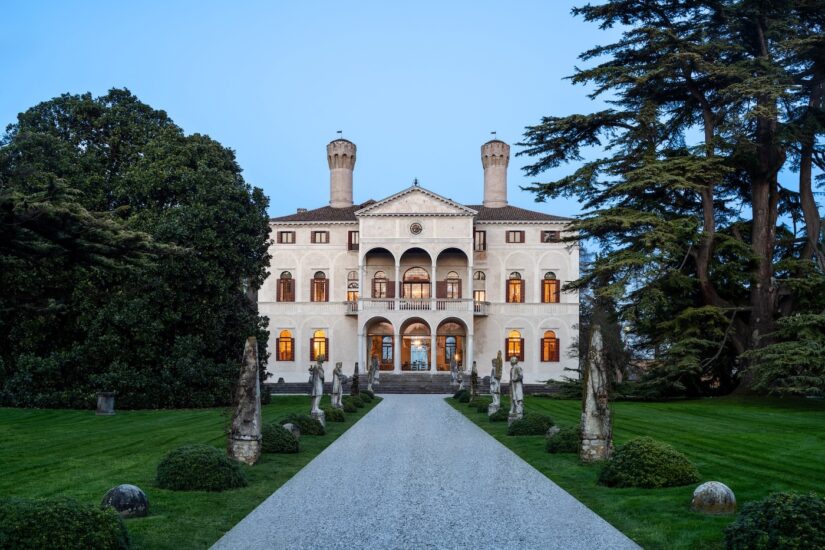
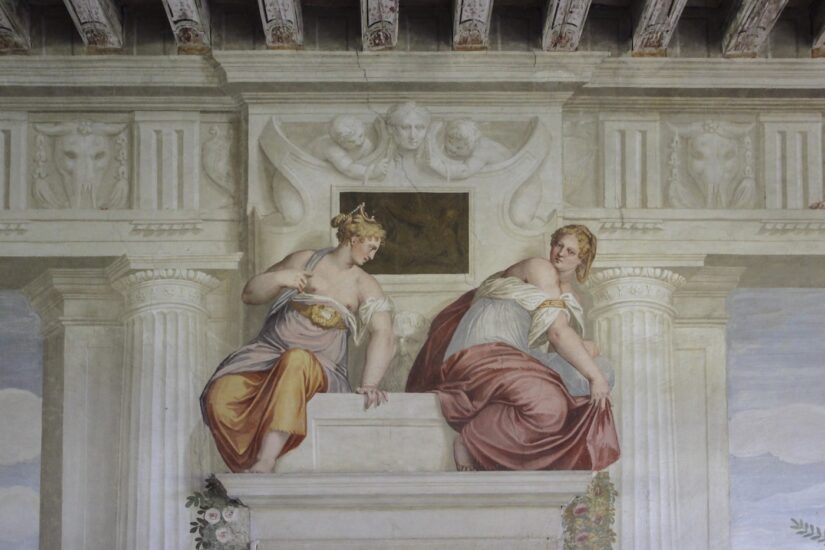
A wealth arisen from the integration of culture, territory and productive activities, a “Pil del bello” - “Gdp of beauty” which encompasses art, architecture, landscapes and wine - first and foremost Amarone della Valpolicella, Conegliano and Valdobbiadene Prosecco DOCG, Asolo and Montello Prosecco DOCG, and Prosecco DOC, but also Soave, Valpolicella, Bardolino, Lugana and many others - with 4,243 villas recorded between Veneto and Friuli-Venezia Giulia, built between the 15th and 18th centuries and today widely distributed across the territory. As a whole, this system generates over 360 million euros in turnover and 210 million euros in direct added value, which rises to 630 million euros when indirect and induced effects along the economic supply chain are taken into account. Within agricultural production - the dominant component of the economy of the Venetian Villas (followed by event production and hospitality), accounting for 60% of total turnover, equal to 216 million euros - the wine sector plays a leading role: 1,400 hectares of vineyards generate over 170 million euros in revenue. Wineries associated with the Venetian Villas also show a strong international orientation, with 60% of production destined for export, a figure significantly higher than the national average. These are the first findings highlighted by the study “Ville Venete Re-Birth”, carried out by The European House - Ambrosetti and promoted by Associazione per le Ville Venete - the Association for the Venetian Villas. Presented at Castello San Salvatore during the “National Forum on Heritage Tourism and Unesco Sites, Ville Venete Re-Thinking No. 1”, the study provides a systemic measurement of the economic and social contribution of this heritage.
Four important Venetian Villas - Villa Badoer in Fratta Polesine, Villa Piva known as “dei Cedri” in Valdobbiadene, Villa Cordellina Lombardi in Montecchio Maggiore, and Villa Bassi Rathgeb in Abano Terme - will also serve as venues for the event “Sorsi d’Autore” (edition No. 27), running from 12 June to 5 July 2026, featuring a rich program of activities: themed masterclasses, tastings, guided tours and the Meetings with the Author, with guests including Patrizia Sardo Marras, Marco Paolini, Paolino Libralato, Pif and Francesco Piccolo, Claudio Amendola, and Jacopo Veneziani.
Historically, the Venetian Villas originated as agricultural production hubs and still today represent active strongholds in promoting local excellence, particularly in the wine sector. This connection strengthens Veneto positioning among Europe leading wine and food tourism destinations and helps build an integrated offering that combines landscape, culture and production. Within agricultural output, the wine sector plays a central role: 1,400 hectares of vineyards generate over 170 million euros in turnover. Wineries linked to the Venetian Villas also display a marked international vocation, with around 60% of production destined for export, well above the national average.
There are 4,243 villas recorded between Veneto and Friuli-Venezia Giulia, built between the 15th and 18th centuries and now widely spread across the territory. Overall, the system generates more than 360 million euros in turnover and 210 million euros in direct added value, which rises to 630 million euros (still in terms of added value, i.e. production value minus intermediate consumption costs) when indirect and induced effects along the economic supply chain are considered. The most significant figure is the multiplier effect: for every euro of added value generated by the Villas, a further 2 euros are generated in the rest of the economy, resulting in a total multiplier effect of 3. This reflects the strong territorial roots of activities connected to the Villas, which tend to involve local skills, services and businesses, strengthening the capacity to retain value within the territory.
The impact is also reflected in employment. The Venetian Villas directly employ around 13,690 people, rising to nearly 29,800 when indirect employment is included, with a multiplier effect of over 2.2 times. This is also highly skilled employment, involving specialized professional profiles, contributing to the operational continuity of restorers, artisans, maintenance workers and heritage management professionals. Finally, beyond employment impact, the Villas play an important social role: 57% of active Villas perform at least one social function, demonstrating a strong openness to the community and a form of heritage enhancement that goes beyond the private or strictly economic dimension. Tourism continues to be a strategic asset for Italy: with almost 480 million overnight stays in 2025, the country is the second most visited destination in the European Union. In this context, Veneto leads the national ranking with 73 million overnight stays (70% of which are international), over 50% of which are linked to cultural, landscape and wine and food tourism.
In a tourism system characterized by strong concentration - where 75% of arrivals are distributed across just 13% of the national territory, and the Province of Venice, despite representing only 0.8% of Italy’s surface area, welcomes 8% of total tourist arrivals - the Venetian Villas represent a concrete lever for promoting more widespread and sustainable tourism. Of these Villas, 53.6% are located in municipalities with fewer than 20,000 inhabitants; almost 30% are in municipalities with fewer than 5,000 inhabitants, and 13.4% in municipalities with fewer than 2,000 inhabitants. Territorial distribution shows a higher concentration in the provinces of Treviso (21%), Vicenza (18%), Verona (18%) and Padua (17%).
This distribution makes it possible to intercept and redistribute tourist flows, which are still heavily concentrated on the main attractions and are a major cause of overtourism, while at the same time contributing to the enhancement of less central areas. In this context, the valorization of historic properties can activate new directions for tourism development, strengthening the attractiveness of territories that are currently marginal and promoting a broader spread of the economic and social benefits associated with tourism. According to estimates by The European House - Ambrosetti, in 2025 the Villas active in cultural activities hosted 2.8 million visitors, including 1.3 million paying visitors, 20% of whom were international tourists, and 1.5 million non-paying visitors, 25% of whom were international. Alongside these opportunities, the research identifies a number of critical issues and development directions, highlighted by The European House - Ambrosetti. Management sustainability represents one of the main challenges: in 2025, routine maintenance costs for a Villa exceeded an average of 110,000 euros per year, in addition to approximately 143,000 euros in extraordinary maintenance works over the past decade. A second issue concerns the Villas in a state of partial or complete abandonment, around 1,577, which represent unrealized economic potential. Added to this, there are the complexity of heritage protection constraints, which affect 89% of the properties, and the need to strengthen the positioning and visibility of the overall system.
“For too long, our system has been improperly compared to international realities such as the Loire Valley Castles, without having precise, scientific and economic data that would allow for a real comparison - affirms Isabella Collalto, president of the Association for the Venetian Villas - today we are changing the paradigm: we no longer rely on perceptions, but on the strength of numbers. Thanks to the mapping of the current state of affairs and the collection of solid data, we are creating a clear and objective identity of our reality. This is an output with a strong B2B orientation, a valuable tool that we make available to owners, managers and industry experts. Providing reliable data means providing tools to design the future, allowing us to position the Venetian Villas in the global tourism landscape not only as aesthetic excellences and Unesco sites, but as solid, modern economic assets ready to face new market challenges”.
“In 2025, Italy was the second country in the European Union in terms of tourist overnight stays, with almost 480 million - according to Benedetta Brioschi, partner and head of the Food & Retail and Sustainability Scenario at The European House - Ambrosetti - of these, 37% are linked to cultural and landscape tourism, which has emerged as the leading form of tourism in terms of overnight stays. With 73 million tourist overnight stays in 2024 (16% of the national total), the Veneto Region confirms its position as Italy leading region in terms of overnight stays, 70% of which are generated by international tourists. Within the cultural and landscape tourism sector, a key segment is heritage tourism, focused on the discovery and enhancement of a place cultural and historical heritage. Veneto is the second region in Italy for attracting the highest number of tourists interested in these themes, a result to which the Venetian Villas - over 4,000 villas built between the 15th and 18th centuries and spread across the territory - make a significant contribution. Among these, more than one hundred - including the Palladian Villas - already welcome large numbers of Italian and international visitors, offering guided tours, events, hospitality, catering and other high-quality services. For this reason, The European House - Ambrosetti supports the Association for the Venetian Villas in the preparation of a document that, for the first time, has quantified and highlighted the economic and social role of the Venetian Villas for the regional and national tourism sector. In addition, the Venetian Villas also make an important contribution to the local productive fabric, not only through their tourism offer, but also thanks to the agricultural and manufacturing activities historically connected to the villas themselves—from wine-growing and rice production to the silk supply chain, as well as by generating employment and opportunities for artisans, local businesses and specialized professionals”.
From June 12th to July 5th 2026, four important Venetian Villas - Villa Badoer in Fratta Polesine, Villa Piva known as “dei Cedri” in Valdobbiadene, Villa Cordellina Lombardi in Montecchio Maggiore, and Villa Bassi Rathgeb in Abano Terme - will host the event “Sorsi d’Autore” (edition No. 27), a pioneering initiative in the Venetian cultural landscape and among the first to launch a structured program for the enhancement of the Venetian Villas. A distinctive format which has successfully combined culture, territory and high-quality experiences, helping to redefine the way historic residences are presented and narrated. Within this context, wine and food excellences play a central role, forming an integral part of a broad and coherent cultural offering. The program features conversations with leading figures from cinema, theater and contemporary storytelling. It begins on June 12th at Villa Badoer with Patrizia Sardo Marras, fashion designer and writer, Marco Paolini, one of the most authoritative playwrights and directors on the Italian scene, and Paolino Libralato, a highly regarded set designer. On June 26th, at Villa Piva known as “dei Cedri”, Claudio Amendola, one of the most popular and beloved figures in Italian cinema and television, will take the stage. On June 28th, at Villa Cordellina Lombardi, it will be the turn of Pif, director, screenwriter, actor and writer known for his sharp, ironic style, in conversation with writer and screenwriter Francesco Piccolo. Finally, on July 5th, Villa Bassi Rathgeb will host Jacopo Veneziani, Italian art historian and communicator.
Copyright © 2000/2026
Contatti: info@winenews.it
Seguici anche su Twitter: @WineNewsIt
Seguici anche su Facebook: @winenewsit
Questo articolo è tratto dall'archivio di WineNews - Tutti i diritti riservati - Copyright © 2000/2026