


Wednesday 28th of October 2026 - Last Update: 17:39






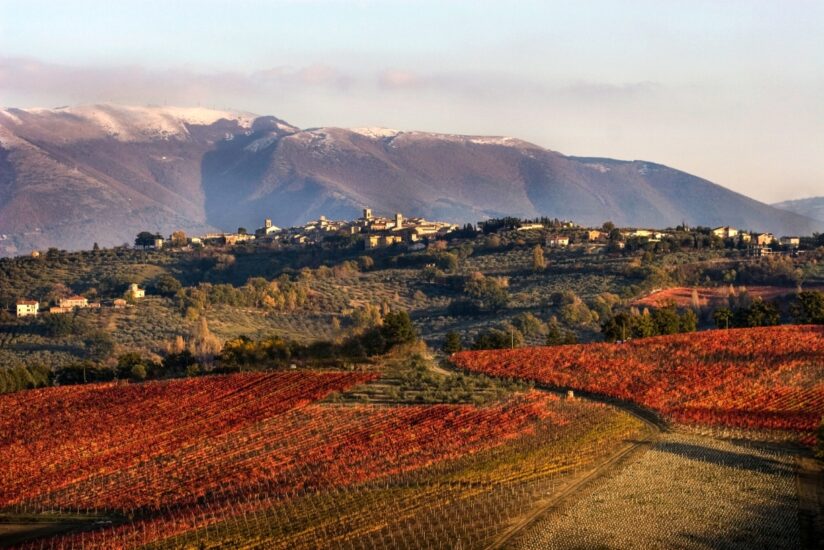
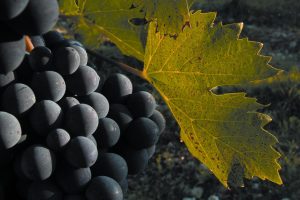
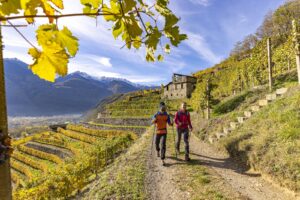
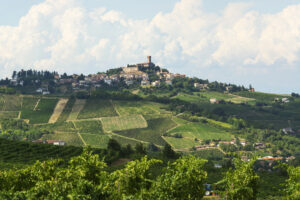
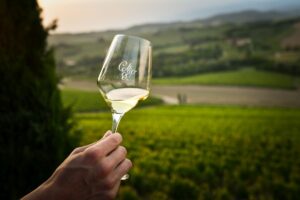
Arisen as a “Mass wine” of the Franciscan friars, Sagrantino di Montefalco is today the symbolic expression, in a glass, of a deep and spiritual Umbria, but also one of the Italian red wines which in recent decades has best managed to reinvent itself without losing its identity. An ampelographic and economic cornerstone of a territory revitalized thanks to the Caprai winery, headed by Marco Caprai (who is still heading it, with the majority of ownership now held by the Angelini Wines & Estates group), starting from the 1980s. Today, according to figures from Consortium Vini Montefalco headed by Paolo Bartoloni (which brings together 74 wineries, with 87% of production consisting of red wines), this translates into 380 hectares claimed under Montefalco Sagrantino DOCG (for a 2025 production of 1.3 million bottles), 510 hectares under Montefalco DOC (3.2 million bottles), and 50 hectares dedicated to the territory white wine, Spoleto DOC (with 416,000 bottles produced in 2025), with 12.5% of wines destined for export. This comes from a territory where 56% of wineries are already certified organic or in the process of conversion, and the remaining 44% nonetheless hold some form of environmental sustainability certification.
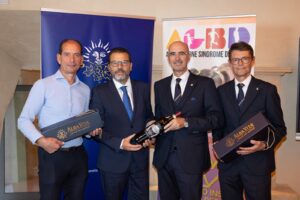
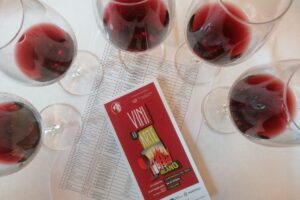
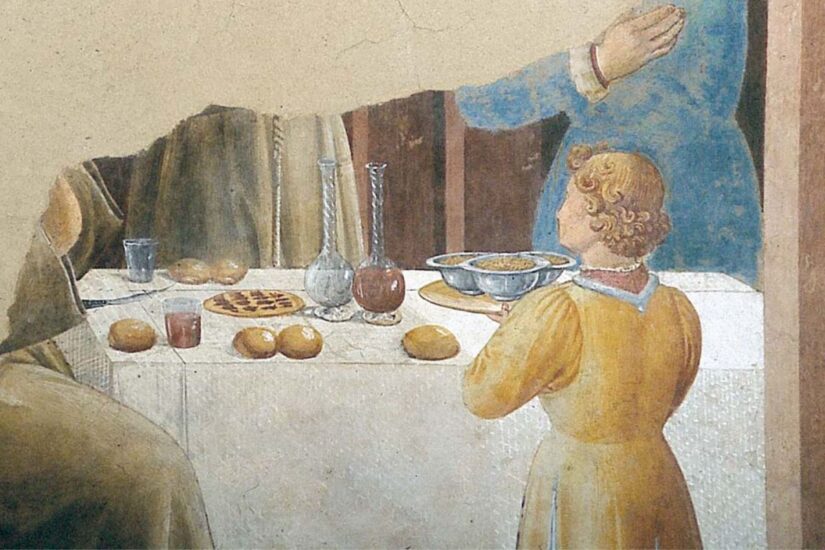
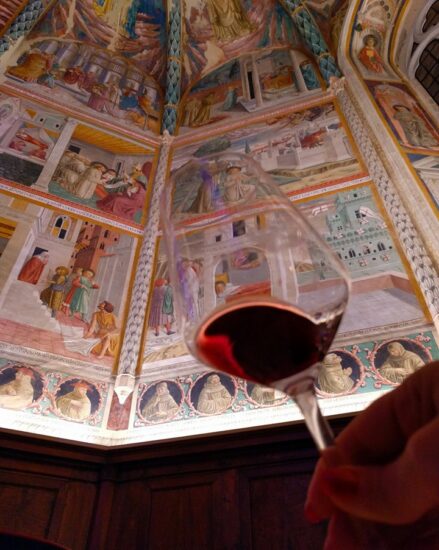
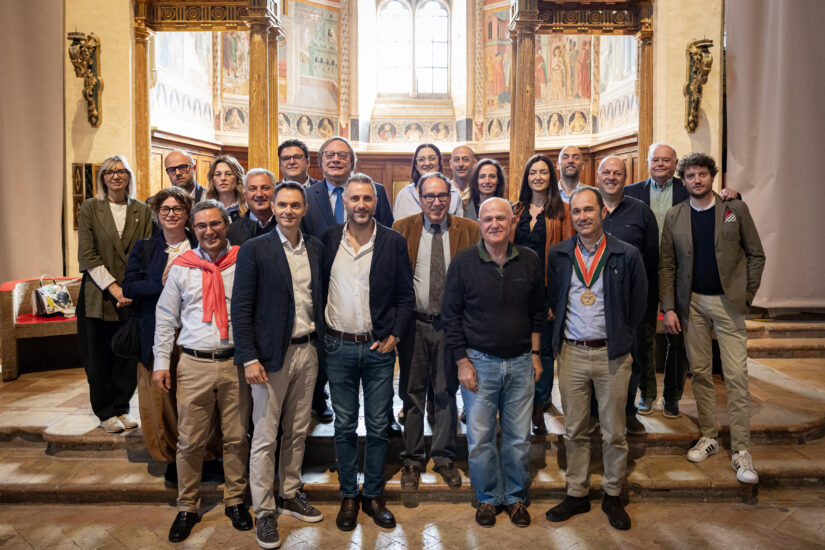
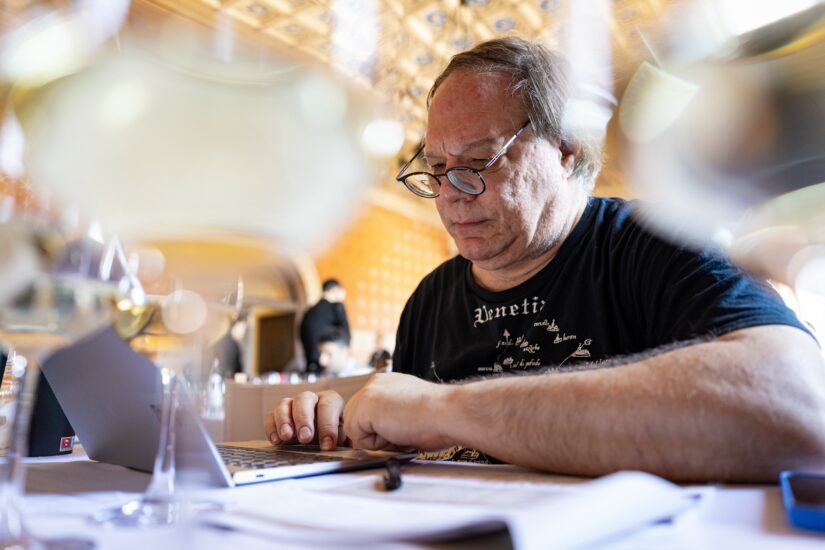
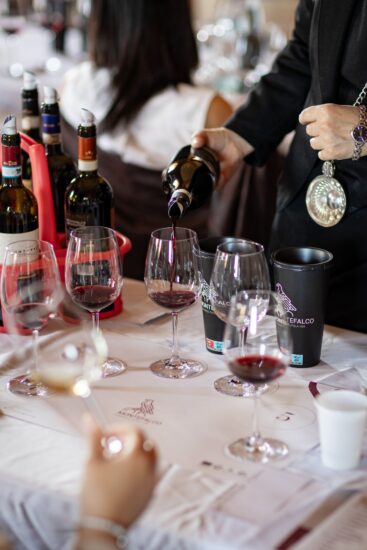
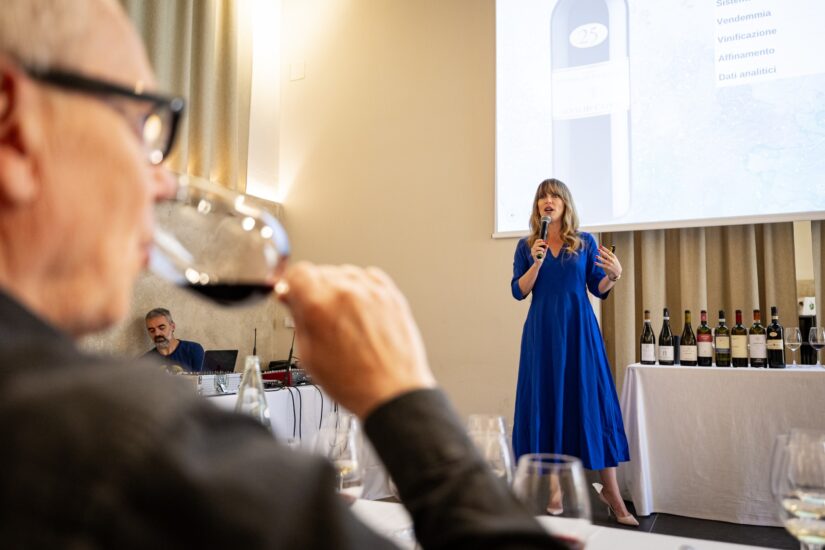
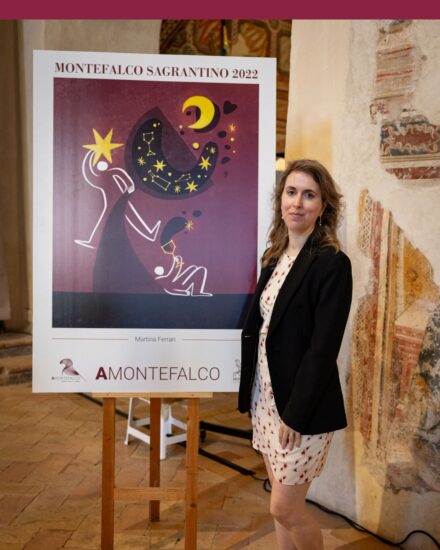
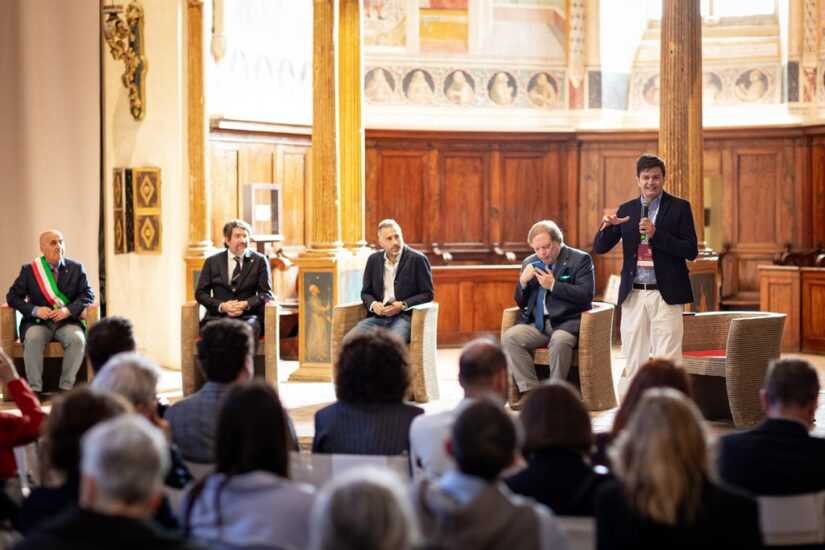
These figures come from “A Montefalco”, an event organized by Consortium Vini Montefalco in recent days, which put the 2022 vintage of Sagrantino di Montefalco in the spotlight. It was rated 4 out of 5 stars (92 out of 100) by the tasting panel (chaired by external wine writer Ian D’Agata), in one of the most iconic locations of the Umbrian town, the San Francesco Museum Complex, home also to the “Sagrantino Museum”, and, above all, within the Church of San Francesco, where Benozzo Gozzoli 1452 frescoes depict the life of Italy patron saint (whose death is commemorated this year on its anniversary No. 800, ed). Among these, one of the earliest depictions of Sagrantino di Montefalco stands out, whose vines were rescued from abandonment at the Convent of Santa Chiara, also in Montefalco, by Caprai in collaboration with the University of Milan (among the curiosities of the event was also the announcement of the commemorative label for the 2022 vintage, the winner of the “Etichetta d’Autore” - “Author Label” competition, signed by Martina Ferrari, which will symbolically accompany this harvest, interpreting its identity through artistic language; along with masterclasses headed by Master of Wine Cristina Mercuri, and the “Gran Premio del Sagrantino” reserved for Ais - Associazione Italiana Sommelier sommeliers, focused on Sagrantino and won by Andrea Peruzzi from Ais Cesena).
The 2022 vintage of Sagrantino di Montefalco, explains the Consortium, “showed its essential traits from the outset, with a winter characterized by sporadic and limited precipitation. Some significant rainfall between late March and early April, combined with below-average temperatures in the following weeks, had raised hopes for a possible reversal of the trend, resulting in slow and staggered budding. However, things changed radically from May onward, leading to an extremely dry summer that completely overturned expectations. Looking at temperatures, despite particularly high values throughout July and the first days of August, the heart of the season recorded relatively mild indices, combined with good rainfall. This mix of factors allowed the vine to complete veraison and resume vegetative growth decisively. Grape ripening showed a slight advance in early varieties, while late varieties such as Sagrantino followed canonical timing, also thanks to rainfall events at the end of September. Late-harvest grapes arrived at the winery in perfect health and fermentations were sufficiently regular. Certainly, the phenolic concentration of the fruit called for caution in extraction and maceration, avoiding heavy-handed interventions. The unusual seasonal pattern, however, seems to have found an unexpected synthesis in the wines. The Sagrantino wines appear ripe but by no means excessive in aromatic profile; rather, they are capable of showing fine detail and a beautiful balsamic balance alongside fruity notes. They are well-structured yet fairly harmonious from the early stages, overall well-balanced across components and in no way “heavy”. The phenolic profile is certainly rich, with good tannic texture, and alcohol levels remain moderate. In conclusion: the wines are intense but not excessive, clearly expressive, ready, and highly enjoyable”.
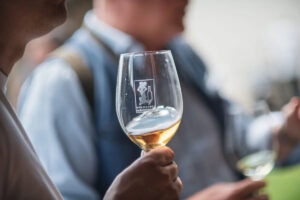
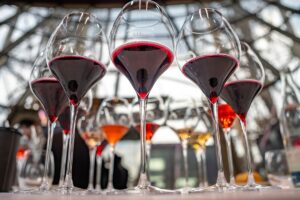
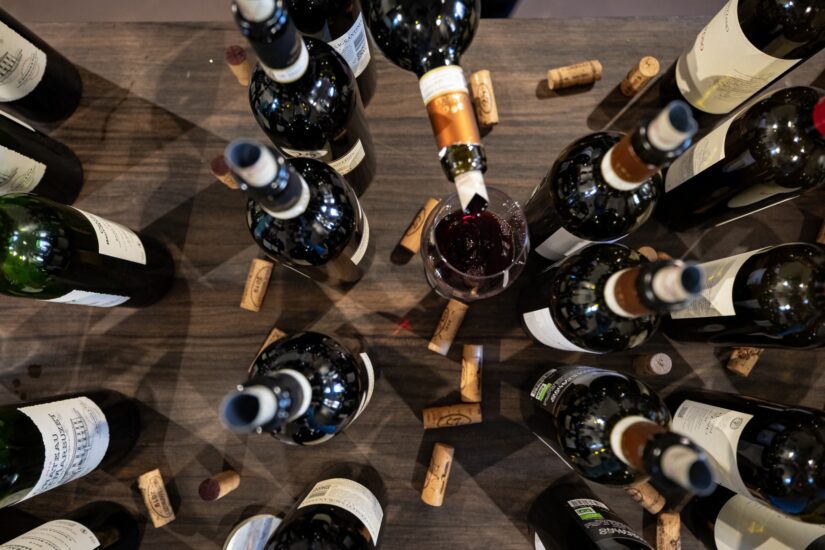
These impressions are confirmed in the glass, in the best tastings by the WineNews staff (not many samples were actually tasted, to be fair, ed), showing that producers are working increasingly well through subtraction, often far from easy with a complex grape variety like Sagrantino.
The best tastings by the WineNews staff:
Arnaldo Caprai - Sagrantino di Montefalco 25 Anni 2022
Arnaldo Caprai - Sagrantino di Montefalco Collepiano 2022
Arnaldo Caprai - Sagrantino di Montefalco Valdimaggio 2022
Scacciadiavoli - Sagrantino di Montefalco 2022
Antonelli - Sagrantino di Montefalco 2022
Bocale - Sagrantino di Montefalco 2022
Copyright © 2000/2026
Contatti: info@winenews.it
Seguici anche su Twitter: @WineNewsIt
Seguici anche su Facebook: @winenewsit
Questo articolo è tratto dall'archivio di WineNews - Tutti i diritti riservati - Copyright © 2000/2026