


Tuesday 22nd of September 2026 - Last Update: 09:54





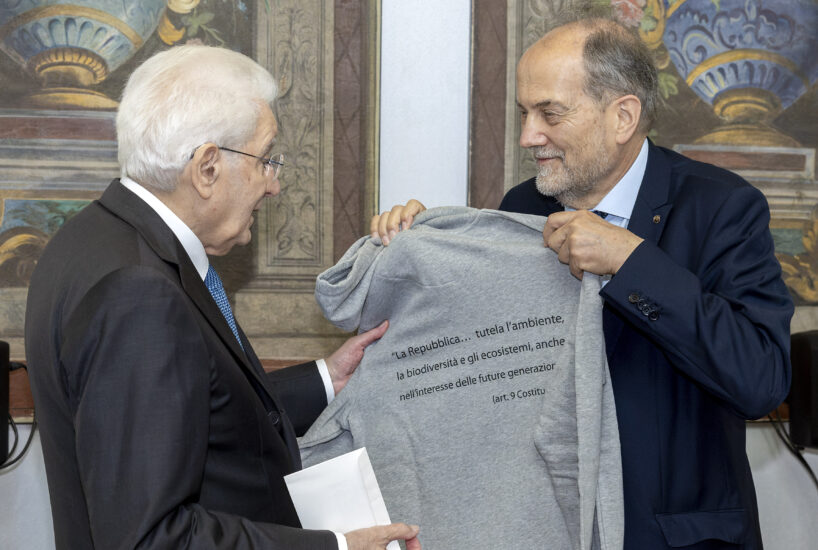
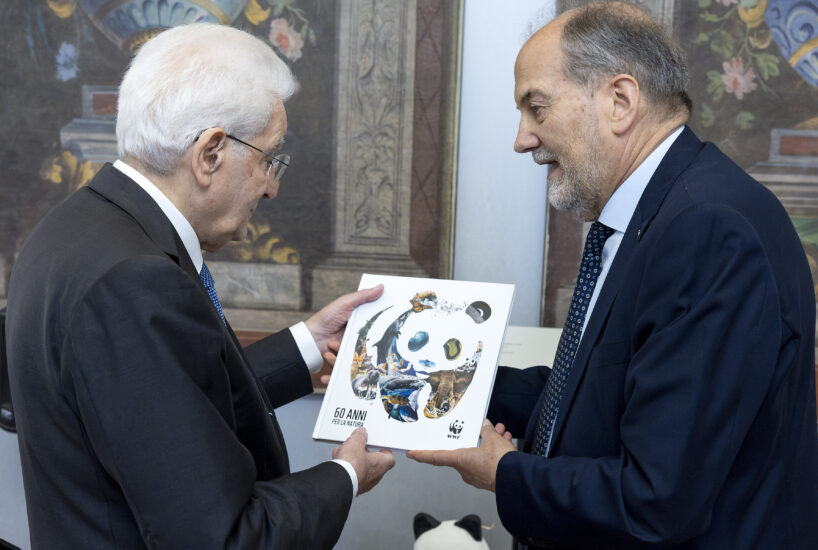
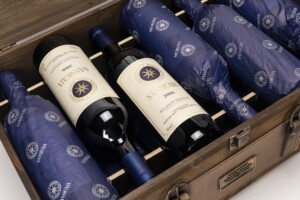
Sixty years ago, environmentalism was still largely an elite concern. In 1961, in Switzerland, biologist Julian Huxley and Princes Bernhard of the Netherlands and Philip of Edinburgh founded the World Wildlife Fund. Wwf Italia would be established a few years later, in 1966, thanks to the great environmentalist Fulco Pratesi. Its first president was Marchese Mario Incisa della Rocchetta, owner of the legendary racehorse Ribot, the “horse of the Twentieth Century”. Before creating Sassicaia with winemaker Giacomo Tachis (the first vintage was released in 1968) and launching the Bolgheri wine epic, Incisa had founded Italy first private Wildlife Refuge, the Padule di Bolgheri, located beside the vineyards of Tenuta San Guido, among the most prestigious in the world. Today, Wwf is the world leading nature conservation organization. In recent days, as it celebrated its first 60 years of history, during which it helped transform the relationship of Italians with the environment, one of the country greatest assets and enshrined in the Italian Constitution through a landmark 2022 reform, it received special congratulations from President Sergio Mattarella, who welcomed Wwf Italia president Luciano Di Tizio to the Quirinale in Rome, and from Pope Leo XIV, who sent an Apostolic Blessing and encouraged the organization to continue its work, which requires a genuine ecological conversion in our daily lives.
In 2025, Wwf Italia Oases are more than 100, protecting over 30,000 hectares of land (of which 6,500 hectares are owned directly by Wwf). Together they form the largest network of protected areas managed by a private association in Italy and one of the most significant in Europe, attracting more than 350,000 visitors of all ages every year. And, just as in Wwf earliest days, the wine world continues to make its own contribution to nature conservation. As WineNews discovered while examining the map of Italy Wwf Oases, the first of these, Lake Burano Oasis in Capalbio, Maremma, was established in 1967, following the example set by the Padule di Bolgheri.
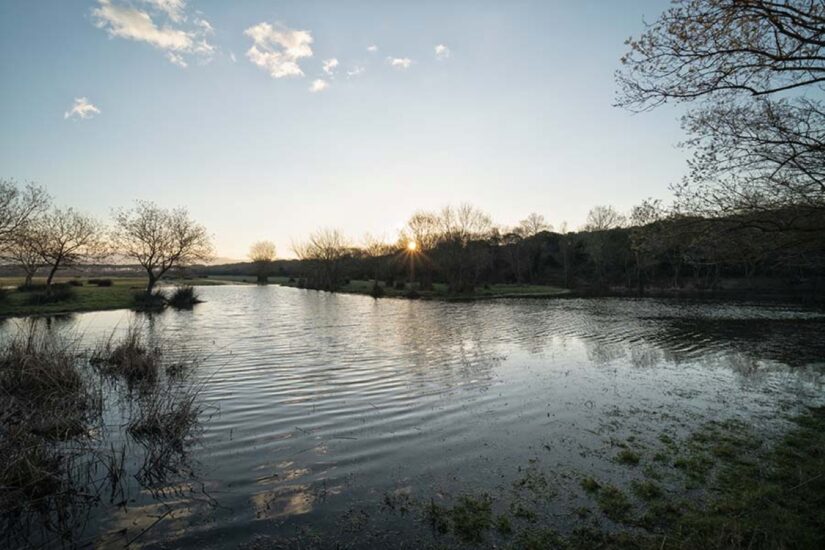
“First Bolgheri came, then Wwf Italia” is Fulco Pratesi famous description of the Padule di Bolgheri, which remains today a private wildlife reserve owned by Tenuta San Guido. Since 2023, the estate has managed visits to the reserve from May to November, during the season when water levels allow birdwatching. Affiliated with Wwf, the reserve is closely linked to the legacy of Marchese Mario Incisa della Rocchetta, the visionary naturalist who, in 1959, transformed part of his family estate into a wildlife refuge for wetland species - 80 hectares of freshwater marshland, surrounded by 440 hectares of flooded ash woodland, extensive wet meadows, coastal woodland, dunes and beaches, uncultivated land, natural grazing areas for cattle and retired horses, and cultivated fields. This mosaic of habitats supports remarkable biodiversity, including more than 250 recorded bird species within the estate 2,500 hectares - the refuge gained international recognition with a visit from Prince Philip of Edinburgh in 1965, the same year Incisa was appointed president of Wwf Italia (a position he would hold, later in an honorary capacity, until his death in 1983). The refuge stretches along the coast between Donoratico and Cecina and borders, inland, the famous Cypress Avenue, the “tall and straight, run from San Guido in a double row” celebrated by poet Giosuè Carducci in “Davanti San Guido”. The trees were planted in the nineteenth century by Count Guido Alberto della Gherardesca, who chose cypresses not only for their beauty but also for their practicality, since buffalo would eat virtually any other species. Today, this iconic avenue has become a symbol of Bolgheri and one of the world most prestigious wine regions. Recently reopened to the public, the refuge represents “the deepest root of the bond between Tenuta San Guido and the nature that surrounds it - explains Priscilla Incisa della Rocchetta, head of external relations at Tenuta San Guido. Together with her father, Nicolò Incisa della Rocchetta, one of the key figures behind Bolgheri rise and the success of Sassicaia, she continues to safeguard the territory that gives birth to its great wines - it was founded on the same principle that guides our work in the vineyard: observation, respect and balance. Biodiversity is the living foundation of our territory’s identity and of its ability to regenerate”.
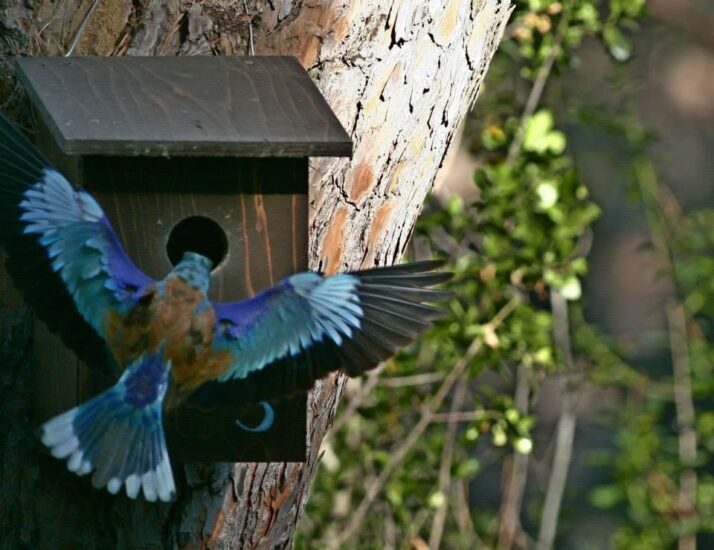
Likewise, still in the Maremma area, between Marina di Grosseto and Castiglione della Pescaia, within the wetlands of the Tyrrhenian coastline and part of the Tombolo pine forest, a protected area of the Diaccia Botrona Nature Reserve, lies a landscape balanced between land and sea, rich in biodiversity, natural beauty, scents, sounds, and colors that change with the seasons. Here is the San Felice Wwf Affiliated Oasis, created through a partnership between Allianz Group, one of the world leading insurance and financial companies and owner of the land, and Wwf, and managed by Società Agricola San Felice Spa (which includes the wine estates San Felice in Chianti Classico, Campogiovanni in Montalcino, and Bell’Aja in Bolgheri): the oasis includes over 47 hectares of dunes and extensive pine forest, planted nearly two centuries ago by the Grand Dukes of Tuscany during land reclamation efforts to combat malaria, and is home to numerous fish species and waterbirds, including the European roller, the symbol of the oasis.
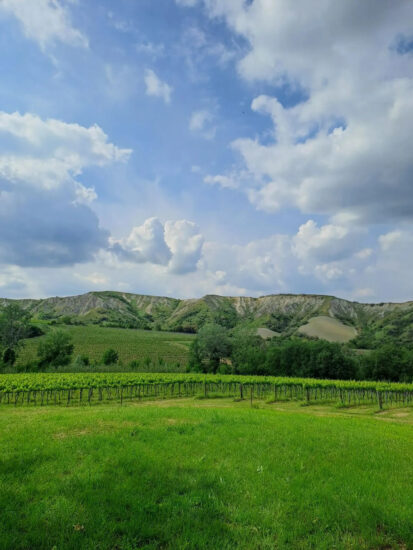
From the Tuscan coast to the Tuscan-Romagnolo Apennines, the Gregorina Oasis in Castrocaro Terme e Terra del Sole, in Forlì, stretches across oak, poplar and maple forests, alongside willows, alders and dogwoods, cultivated fields, and badlands descending toward the Adriatic Sea, inhabited by wolves and porcupines. The oasis is located within Tenuta Gregorina, part of Le Tenute Leone Alato, Generali agri-food and wine holding company (which includes the wineries Bricco dei Guazzi in Monferrato, Vigneti Fassone in the Colli Tortonesi, Costa Arente in Valpantena, Torre Rosazza in the Colli Orientali del Friuli, Duemani on the Tuscan Coast, and Tenuta Sant’Anna in Veneto). The oasis is part of the Act4Green project, Generali Country Italia initiative that includes the planting of one million trees throughout Italy. Historically devoted to agriculture, the estate continues to uphold this identity through its affiliation with the Wwf Oasis network and the adoption of organic farming practices for the production of wine and wildflower honey.
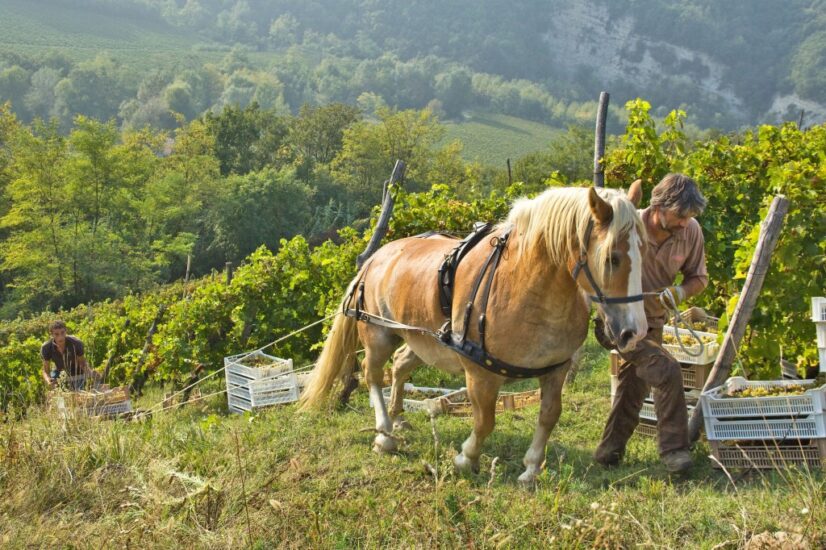
In Piedmont, the Forteto della Luja Farm, in Loazzolo, in the Asti Langhe, is also a Wwf Affiliated Oasis. Protected by the Scaglione family, who run the small, historic winery of Forteto della Luja, the oasis includes steep, old vineyards where numerous species of wild orchids flourish, surrounded by dry-stone walls and majestic forests of downy oak and Scots pine. The area is immersed in a unique biodiversity-rich landscape inhabited by butterflies, buzzards, squirrels, roe deer, and badgers.
Looking ahead, Wwf Italia president Luciano Di Tizio stated that, after sixty years of work, “the priority remains protecting and restoring nature on a large scale, in line with the international goal of safeguarding at least 30% of terrestrial and marine areas by 2030 and restoring at least 20% of degraded ecosystems to good health. This is a task that requires expertise, a strong local presence, and advocacy capacity, all of which Wwf has built over time. Closely linked to this is the need to accelerate the energy transition by phasing out fossil fuels as quickly as possible. The heat waves suffocating Europe are a stark reminder of the urgency. We must instead focus on renewable energy sources and greater efficiency”.
Copyright © 2000/2026
Contatti: info@winenews.it
Seguici anche su Twitter: @WineNewsIt
Seguici anche su Facebook: @winenewsit
Questo articolo è tratto dall'archivio di WineNews - Tutti i diritti riservati - Copyright © 2000/2026