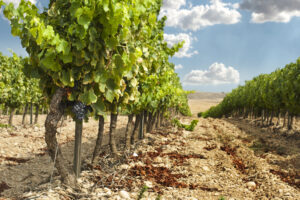








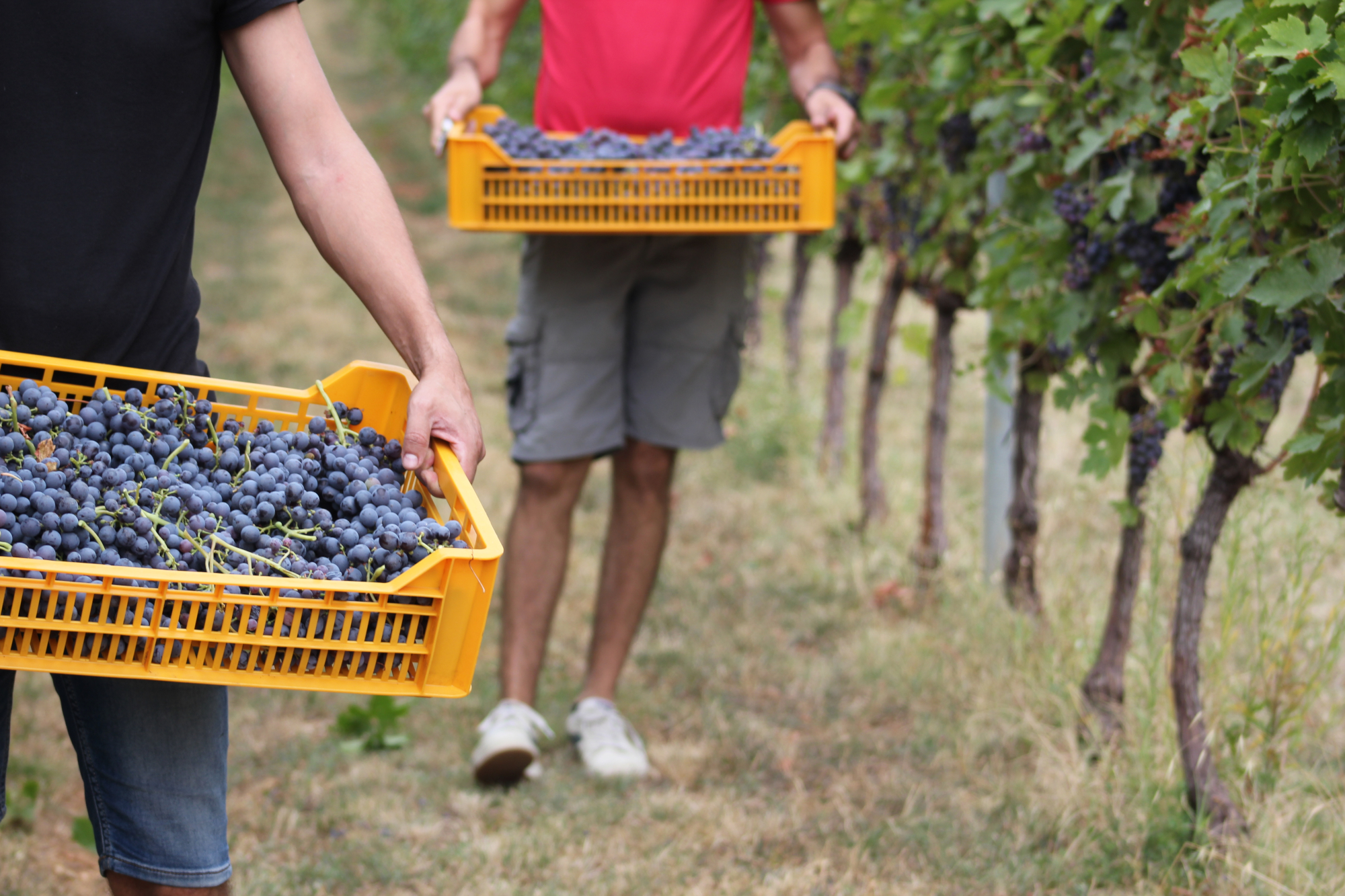
While in many Italian territories the harvest of the earliest white grapes and sparkling wine base grapes is well underway (as also shown in a WineNews video), slowly but surely, in this year of 2026, which will be remembered for record-early harvests in many parts of Europe - from Burgundy to Champagne, from Bordeaux to South Tyrol, among others - even some major red wine-producing regions have already begun harvesting. For example, “the harvest in Valpolicella is starting two weeks earlier than the historical average. In the vineyards of the appellation’s 19 municipalities, the Corvina harvest has already begun, while next week it will be the turn of Corvinone and Rondinella. This acceleration, driven by the summer heat and drought, has resulted in a 7-day advance on last year’s schedule and is accompanied, in this initial phase, by particularly favorable quality prospects”, explains a statement from the Consorzio Vini Valpolicella. Barring adverse weather conditions, the consortium currently estimates a total harvest of just over 861,000 quintals of grapes. A volume in line with 2025, but which, as of this year, shows a stockpile of 172,280 quintals, equal to 20% of production. The production-limiting measure approved by the Consortium on April 2 thus reduces the actual available yield from 100 to 80 quintals per hectare, with the aim of safeguarding the economic balance of the supply chain in light of the slowdown in global demand. As for the potential production of Amarone and Recioto, the Consortium estimates nearly 328,000 quintals of grapes set aside for sorting (38% of the total). Initial quality assessments conducted by the regulatory body particularly highlight the grapes from older vineyards, especially those trained using the pergola method, which have responded better to water stress, as well as those from vineyards supported by adequate irrigation.
While the quality indicators fuel positive expectations, there are still concerns on the economic front. Among these is the downward trend in grape prices, especially for those intended for drying. “At a time that is already very complex and uncertain for the sector”, comments Christian Marchesini, president of the Consorzio Vini Valpolicella, “we are seeing a decline in grape prices. This trend does not reflect the guidelines agreed upon at the supply chain meeting convened by the Consortium on the eve of the harvest and risks placing new burdens on businesses. “Producer”, Marchesini continues, “have already responsibly supported the policies to reduce yields and the new storage measures introduced to safeguard the balance of the appellation. Further weakening the value of the grapes means penalizing precisely those who are helping to sustain the supply chain, in a season marked by difficulties in finding skilled labor, rising costs, particularly for energy, and a market that remains unpredictable. For this reason, it is essential that all industry stakeholders honor the commitments they have made and act in a manner consistent with the value of the appellation”.
In the other regions producing Italy’s great red wines, however, the situation varies: some will still have to wait a few days, others weeks, while still others have already begun the harvest. In the Langhe, for Nebbiolo grapes destined for Barolo and Barbaresco, explains Consortium President Sergio Germano, “we’re taking the first samples; we’re 5-10 days ahead of schedule, but we’re waiting for full phenolic ripeness. Barring any surprises, it will still take a few more weeks, let’s say we’ll be able to start the harvest between mid- and late September. This is also because, thanks to the accumulated water reserves, the vines have not experienced any stress. Furthermore, we’ve had some rain that has cooled temperatures; at night, there are temperature fluctuations that Nebbiolo thrives on, and with the weather patterns of the last few days, we expect the grapes to develop beautifully”.
The situation in Tuscany is more varied. In Bolgheri, notes Daniele Parri, director of the Consorzio Vini Bolgheri e Bolgheri Sassicaia, “some producers have already started harvesting Merlot and Syrah, while for Cabernet Sauvignon, we’ll have to wait a few more days, barring any weather-related changes, of course”. In Chianti Classico as well, the Consortium reports, a few clusters of earlier-ripening varieties have been harvested, while for the Sangiovese destined to become the flagship wine of the Gallo Nero, producers are still awaiting developments in the coming days. The same is true in Montalcino, where a few bunches of grapes not intended for Brunello di Montalcino have already been harvested, while for the Sangiovese that will become the region’s most prestigious wine, as the Consortium’s president, Giacomo Bartolommei, the harvest will begin in about ten days, with the forecast of “a lower wine yield, but of very high quality”.
Moving a little further south, specifically to Abruzzo, where Montepulciano is grown, “here we’re still focusing on early-ripening whites, such as Pecorino and Trebbiano. The drought is having an impact, and will also affect Montepulciano d’Abruzzo, for which we’ll begin harvesting around mid-September”, comments Alessandro Nicodemi, president of the Consorzio Vini d’Abruzzo.
Furthermore, heading even further south to Mount Etna, the jewel of Sicily, the red grape harvest is still a long way off. “We’ll start with the white grapes around mid-September, and then from late September to early October, more or less according to the usual schedule, we’ll move on to the reds”, says Francesco Cambria, president of the Consorzio dei Vini Etna DOC.
Copyright © 2000/2026
Contatti: info@winenews.it
Seguici anche su Twitter: @WineNewsIt
Seguici anche su Facebook: @winenewsit
Questo articolo è tratto dall'archivio di WineNews - Tutti i diritti riservati - Copyright © 2000/2026