


Friday 16th of October 2026 - Last Update: 11:55






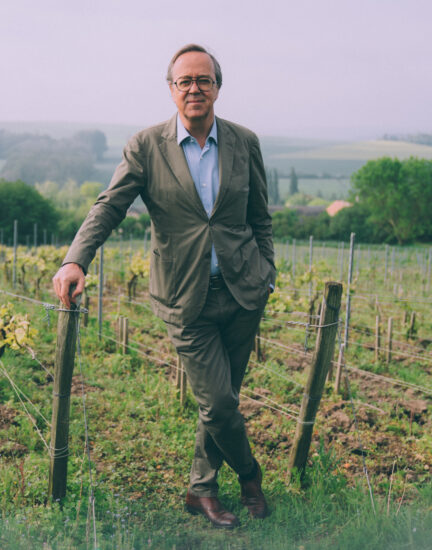
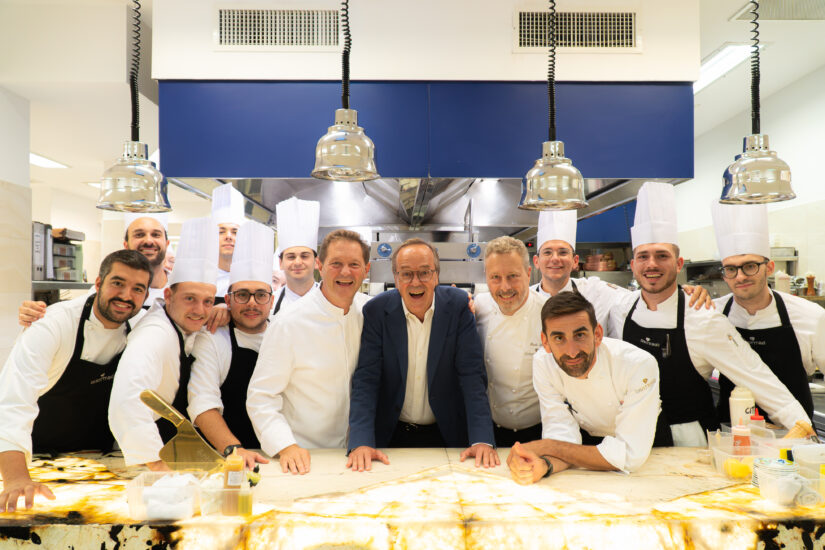
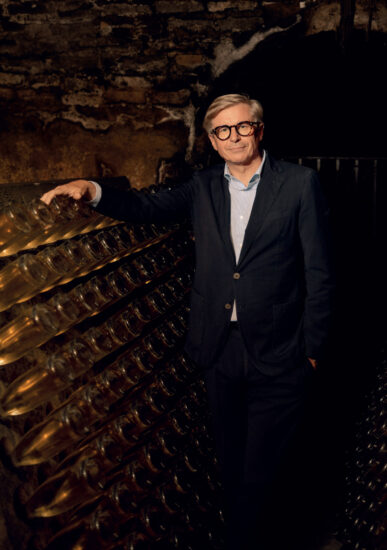
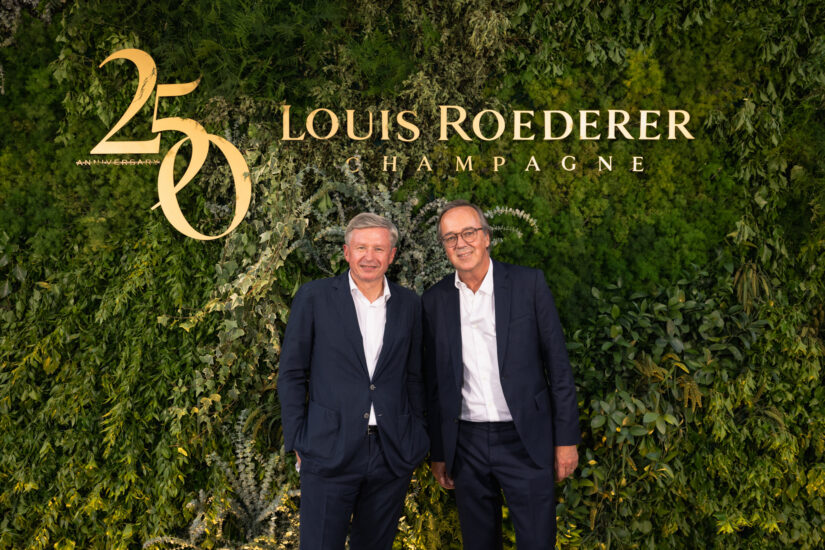
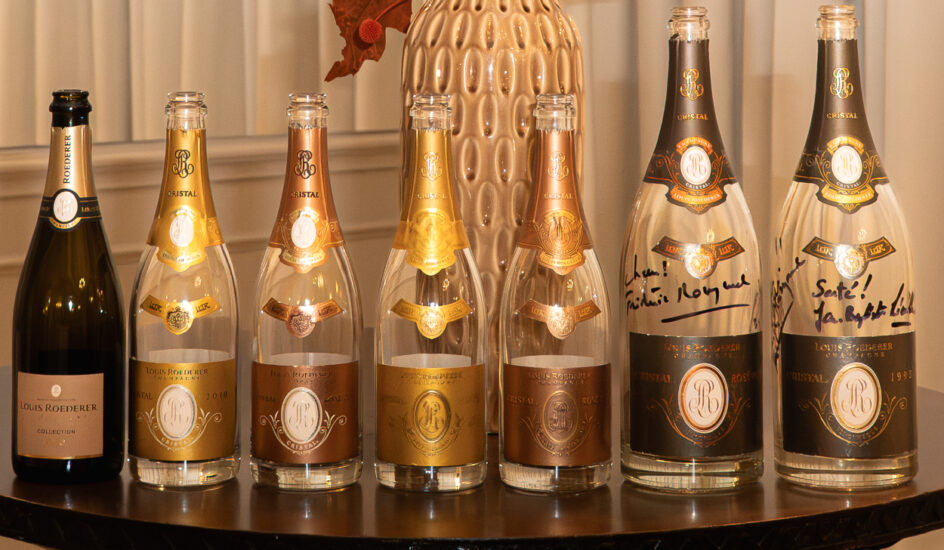
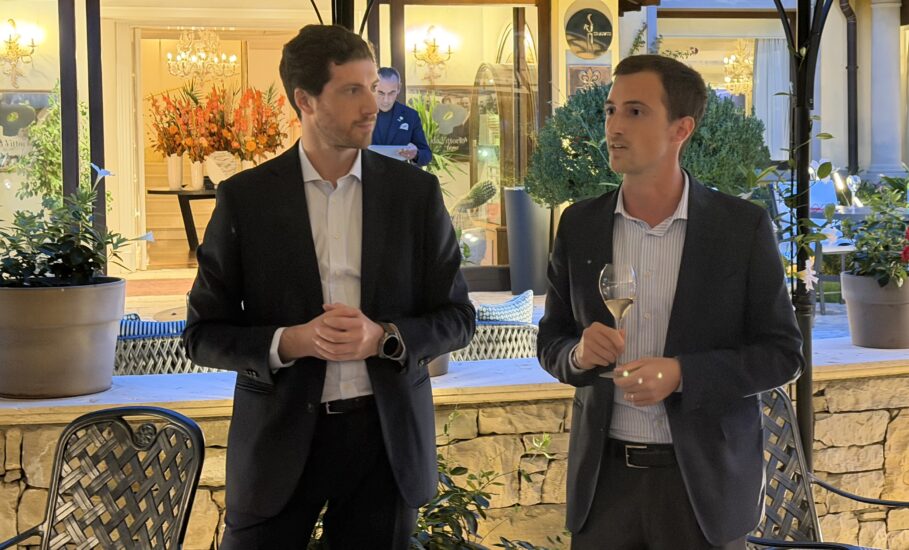
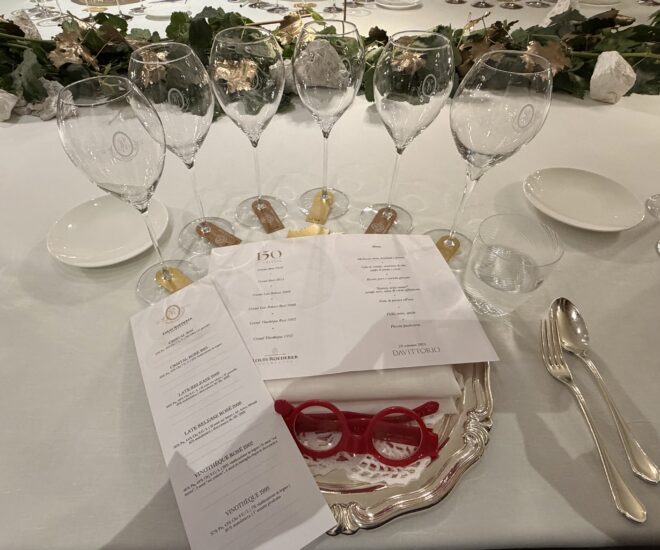
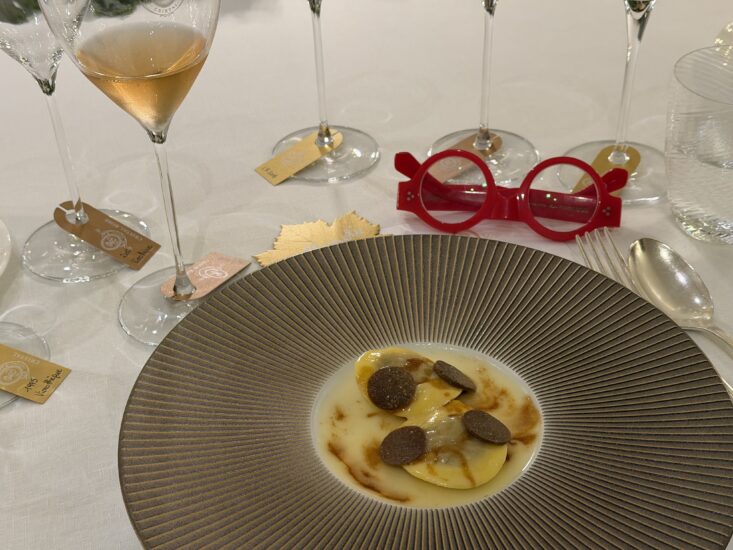
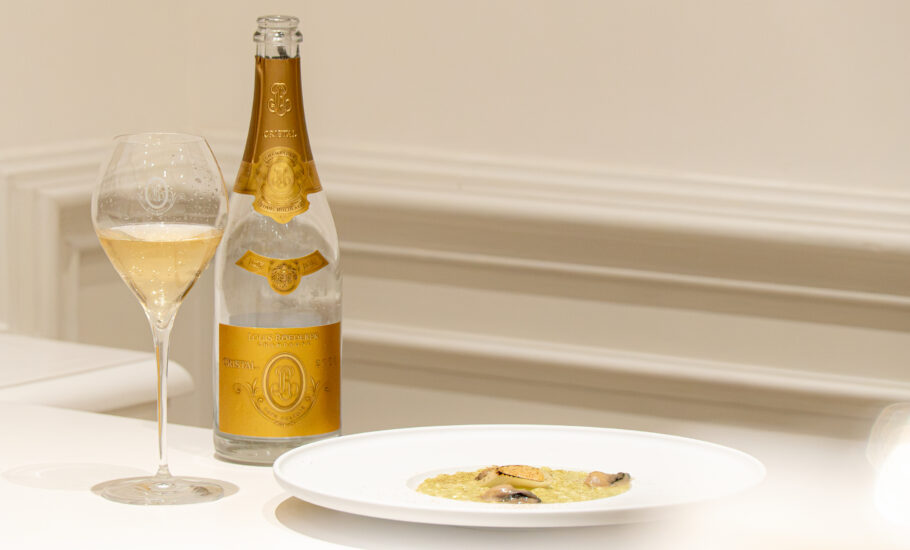
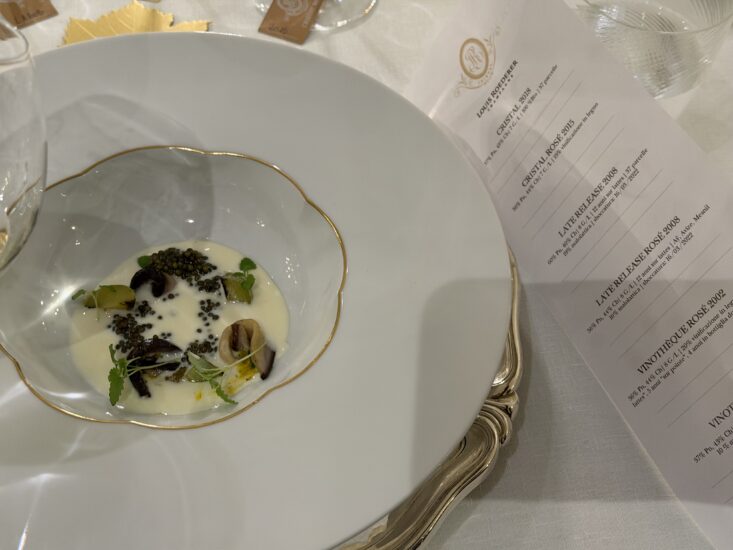
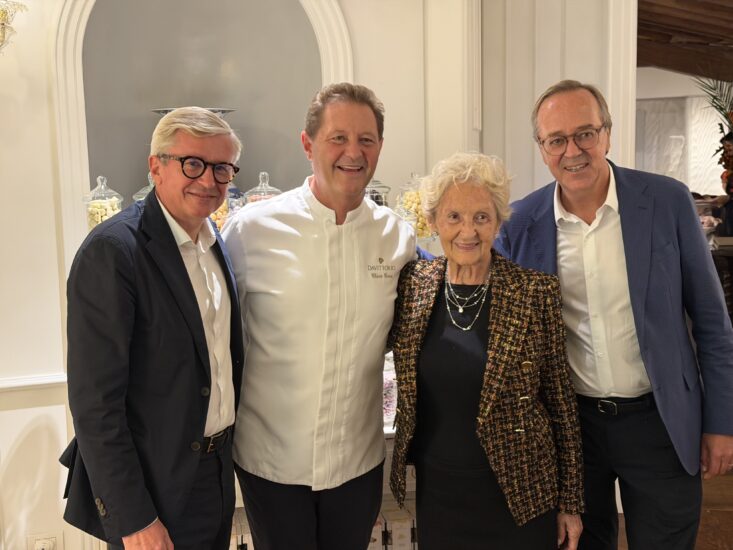
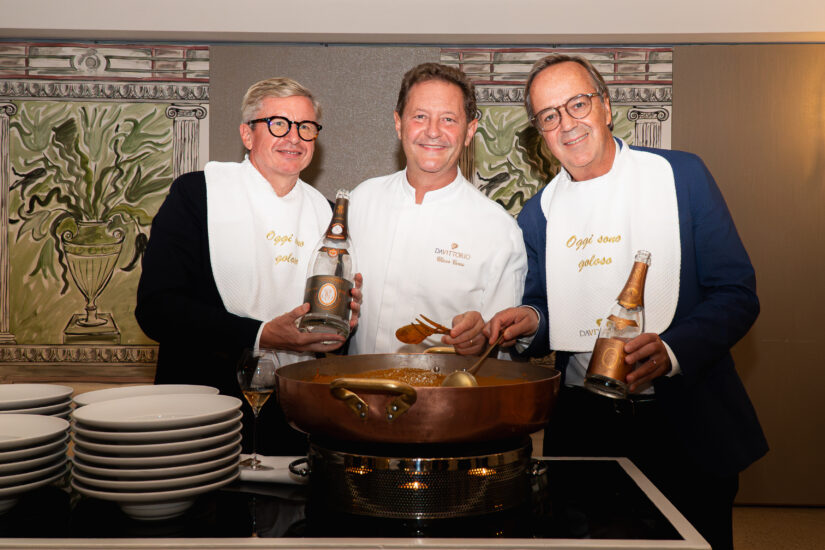
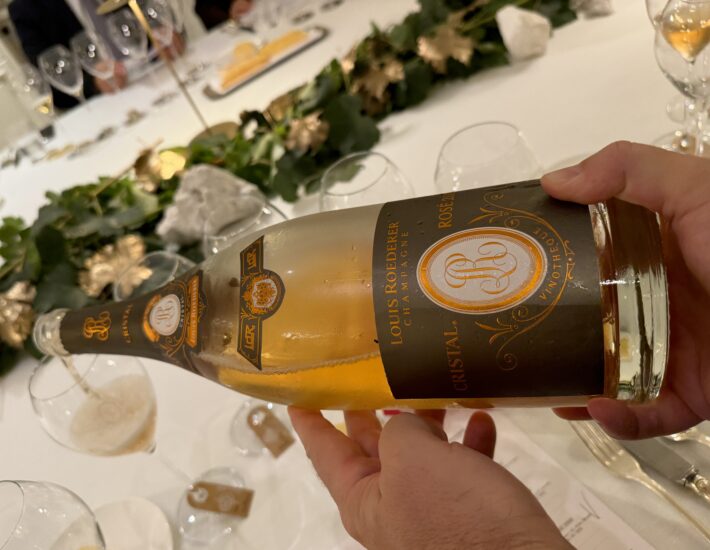
The future of fine wine? It belongs to “wines of place”: wines with a strong identity, capable of expressing uniqueness and remaining instantly recognizable. They are lighter, also in terms of alcohol content, and versatile enough to pair with the many cuisines of an increasingly globalized world, while also fitting the desire to enjoy a carefree glass of wine or celebrate a special occasion. This portrait perfectly suits Champagne, according to Frédéric Rouzaud, who shared his views with WineNews. As president of one of the great icons of French and global wine, Louis Roederer, Rouzaud has an exceptionally broad perspective on the world of fine wine. Founded in 1776, the maison is celebrating its anniversary No. 250 this year, alongside the anniversary No. 150 of Cristal, milestones recently marked in Italy with a special dinner at “Da Vittorio”, the historic three-Michelin-star restaurant of the Cerea family in Brusaporto, where we met him. Cristal is one of the world most famous and prestigious Champagnes, and the jewel in the crown of the Roederer Collection, which also includes Champagne Deutz, Château Pichon Longueville Comtesse de Lalande and Château de Pez in Bordeaux, Delas Frères in the Rhône Valley, Domaines Ott in Provence, Ramos Pinto in Portugal Douro Valley, as well as Roederer Estate, Scharffenberger Cellars, Domaine Anderson, Merry Edwards Winery and Diamond Creek Vineyards in California, and Domaine Pierre Damoy in Burgundy, the group most recent acquisition. Together, these estates comprise 13 wineries and 1,100 hectares of outstanding vineyard holdings. For Frédéric Rouzaud, there are still factors today that make Champagne, and certain Champagnes in particular, true icons, even in a changing wine world. “If we talk about Crista - explains Rouzaud - we must first say that it is a wine “of the estate”, “of soil”, produced exclusively from our own vineyards acquired by Louis Roederer in the nineteenth century. It comes only from Grand Cru sites on chalk ridges, from old vines with an average age of 40 years, outstanding expressions of Pinot Noir and Chardonnay together. It is produced only in truly exceptional vintages; otherwise, it is not produced at all. It is also an extraordinary wine for ageing, as it is released eight years after harvest, and up to ten years in the case of the Vinothèque editions. All this, combined with the fact that it was first created in 1876 for Tsar Alexander II of Russia, has made it an icon. Then, after the 1917 Revolution, when Russia stopped buying Cristal, we were able to develop other markets, always with limited quantities because there has never been enough to meet demand. And in reality, we have never done marketing for Cristal. We have always invested all our energy, our values, our expertise, our time, and the strength of the maison into Cristal. All of this,” Rouzaud adds, “results in a truly unique wine in Champagne”.
Champagne, like many wine regions, has experienced a slowdown in sales in recent years. Yet thanks to a centuries-old, remarkably strong economy, with annual revenues of around 6 billion euros according to Comité Champagne data, it appears far from concerned about its economic future. “I believe Champagne has every reason to look to the future with great optimism - affirms Rouzaud - today, there are crises everywhere: economic difficulties in Europe, Trump in the United States, all the wars we know about, and an economy which is going through a somewhat sluggish phase. Champagne reflects the broader economy, so things are naturally quieter here as well. But I believe Champagne wines have never been so good, partly because of climate change. Secondly, it is a wine unlike any other in the world, thanks to its extraordinary chalk soils, which have no equal. The climate is very northerly, we are very far north, so despite global warming we continue to produce fresh wines with moderate alcohol levels. At the same time, Champagne is a magnificent aperitif, something you can enjoy at five in the afternoon with ease, but it is also a wonderful food wine. It is a great gastronomic wine, capable of ageing beautifully. It can also be a wonderful gift, as well as a celebratory wine, a wine for special moments. Ultimately, it remains a magical wine. It is highly concentrated, a true wine, yet at the same time incredibly light, almost ethereal. It is easy to digest, easy to drink, and possesses countless virtues. It is a very modern wine”. Of course, there are economic trends that can’t be ignored. “But I remember that when my great-grandmother Camille inherited the leadership of the maison in 1932, the company was in serious difficulty, just like all Champagne houses, which were at risk of bankruptcy (because of the Great Depression in 1929, ed). So, all things considered, things went well and continue to go well: the houses have not“gone bankrupt yet,” Rouzaud says with a smile. Rouzaud also takes a positive view of one of the most significant challenges affecting the global wine industry, and society more broadly: climate change. In his view, climate change is actually benefiting Champagne, both in production terms and in consumption patterns, because it encourages a lighter style of eating and drinking that pairs perfectly with French sparkling wines.
“We should not forget that Champagne, like many wines, is 87% water. Only 13% is alcohol, so the rest is water. And in Champagne, the water is very pure: it comes through the chalk soils, has been naturally filtered, and contains mineral salts and numerous beneficial substances. Perhaps Champagne magic lies precisely there. It is rich in minerals and in elements derived from the soil. If it is produced organically, of course, there are no pesticides or insecticides. To address the issue more directly, it is true that there is now a growing preference for lighter styles. Red wines, for example, have generally become higher in alcohol. Balanced reds still exist, at 13% or 13.5% alcohol, including in Burgundy and Bordeaux. But when alcohol levels rise further, the wines become more difficult to drink. Champagne, on the other hand, preserves its balance. After all, it is a white wine. Today, white wines are fresher, served chilled, easier to digest and, once again, wonderful companions at the table.
Champagne pairs with an enormous range of foods. It is extremely versatile, arguably more versatile than red wine. Depending on its style, it can accompany everything from fish and cheese to desserts. In terms of food pairings, Champagne works with almost anything. The magic of Champagne lies in the balance between highly concentrated grapes, because vineyards are planted at a density of 10,000 vines per hectare, resulting in low yields per vine, especially in old vineyards such as those dedicated to Cristal, and remarkable salinity. It is a wine with a great deal of saltiness: these are ‘bubbles of salt’. And that creates an extraordinary balance”. A balance which makes Champagne not only a historic wine, but an exceptionally modern one as well, fully equipped to face the future with confidence.
Copyright © 2000/2026
Contatti: info@winenews.it
Seguici anche su Twitter: @WineNewsIt
Seguici anche su Facebook: @winenewsit
Questo articolo è tratto dall'archivio di WineNews - Tutti i diritti riservati - Copyright © 2000/2026