


Friday 13th of November 2026 - Last Update: 11:56






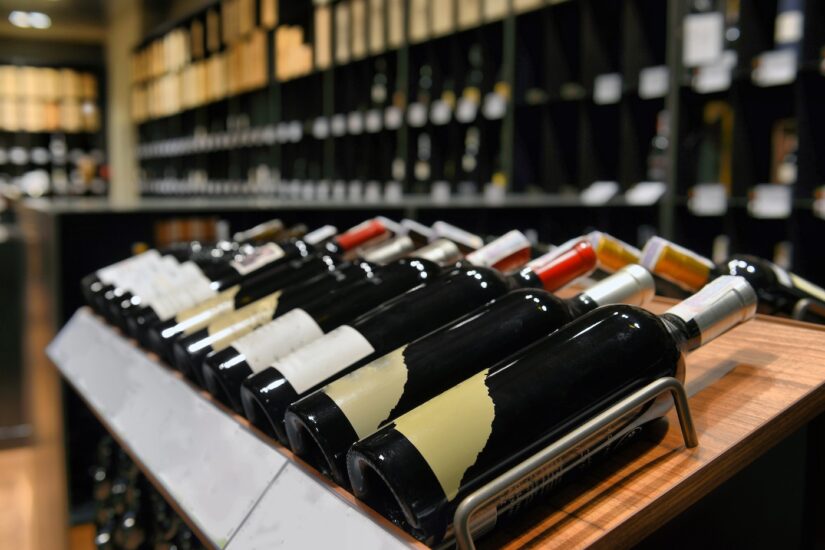
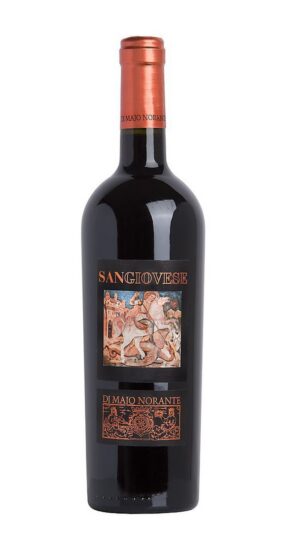
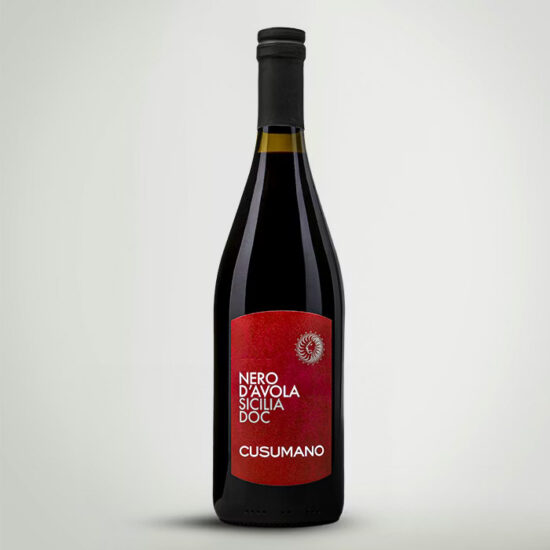
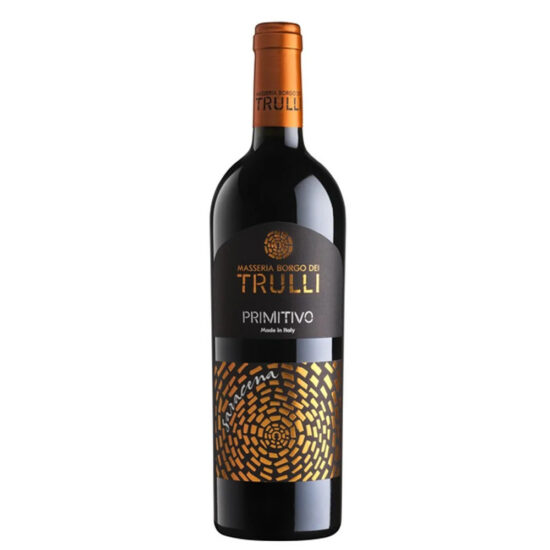
Price is not always a reliable indicator of quality, even when it comes to wine: Di Majo Norante Sangiovese Terre degli Osci IGT 2022 from Molise and Cusumano Nero d’Avola Sicilia DOC 2024 from Sicily are the best buys, namely the Italian red wines offering the best value for money, according to specialist magazine Altroconsumo. The magazine analyzed 48 red wines through laboratory tests and tastings conducted by a panel of expert tasters. However, the best overall red wine is Masseria Borgo dei Trulli Primitivo Salento IGP Saracena 2024 from Puglia.
To compile its ranking, Altroconsumo subjected the wines to a twofold assessment: laboratory analysis and tastings conducted by expert tasters. In the category of the best red wines priced under 10 euros, two bottles from Southern Italy stand out from the rest. The first, scoring 76 out of 100, is Sangiovese Terre degli Osci IGT 2022, a wine made exclusively from Sangiovese grapes and produced by Di Majo Norante, one of Molise leading wineries. The Terre degli Osci designation, which reflects the region local identity, takes its name from the Osci, an ancient Italic people who inhabited these lands. The same score (76 out of 100) was awarded to Nero d’Avola Sicilia DOC 2024 from Sicily, made from Nero d’Avola grapes and produced by Cusumano, an established winery run by brothers Diego and Alberto Cusumano. The best red wine in the entire test, with a score of 89 out of 100, proved to be Masseria Borgo dei Trulli Primitivo Salento IGP Saracena 2024. This red wine from Puglia is made exclusively from Primitivo grapes grown in vineyards in the municipality of Maruggio, in the province of Taranto, in the area known as “Saracena”, which stands out for its low sulphite content.
For the laboratory tests, the sulphite content was analyzed. Sulphites are additives widely used in winemaking for their antiseptic and antioxidant properties, and their maximum permitted levels are regulated by law. For red wines, the limit is 150 mg/l, while for organic red wines it is reduced to 100 mg/l. Sulphites can cause allergic reactions or intolerances and must be declared on the label when their concentration exceeds 10 mg/l. Then, the wines were then tasted blind by 22 judges with a high level of training in sensory analysis. Each wine was assessed and scored according to several sensory parameters, including colour intensity, aroma intensity, floral, fruity, vegetal and spicy notes, body and aromatic persistence. The final score was based on a weighting of 65% for the tasting assessment and 35% for the analysis of sulphite content.
Copyright © 2000/2026
Contatti: info@winenews.it
Seguici anche su Twitter: @WineNewsIt
Seguici anche su Facebook: @winenewsit
Questo articolo è tratto dall'archivio di WineNews - Tutti i diritti riservati - Copyright © 2000/2026