


Monday 14th of September 2026 - Last Update: 17:49




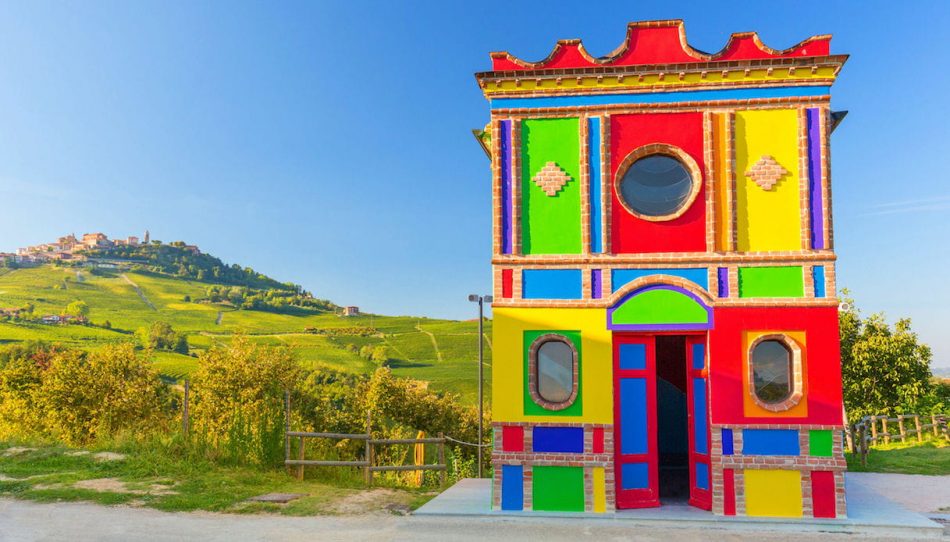
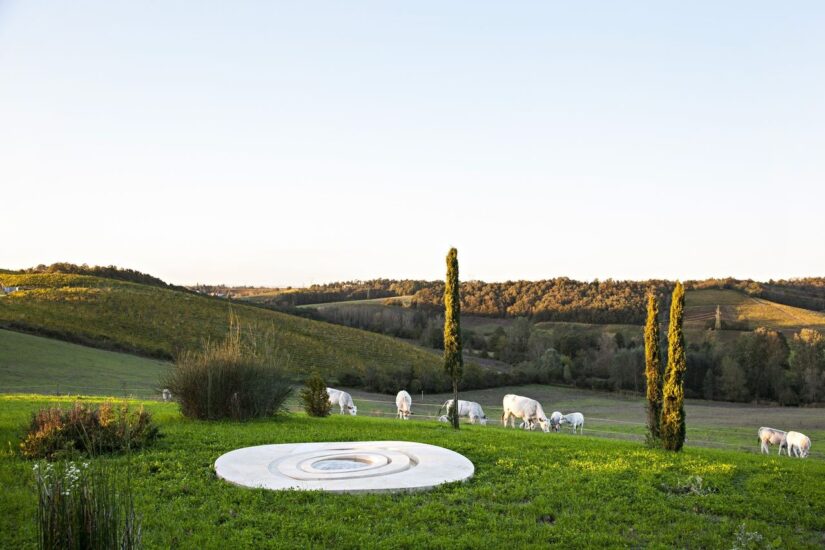
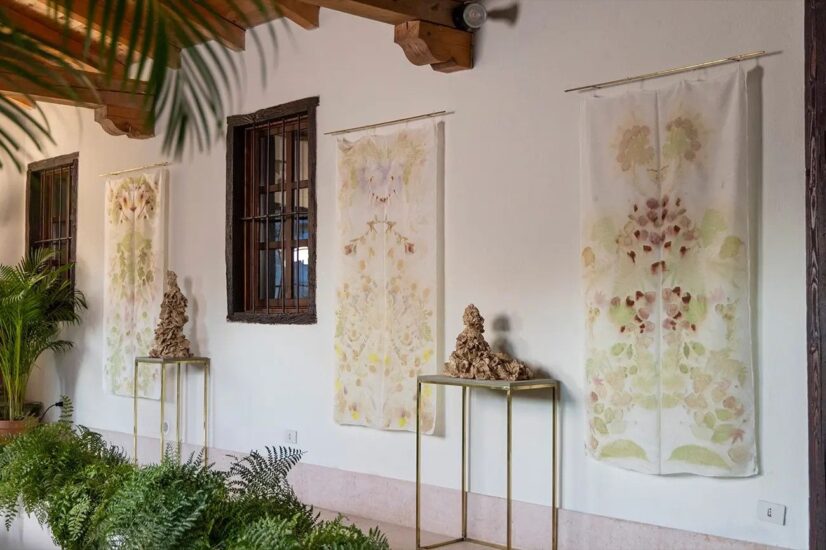
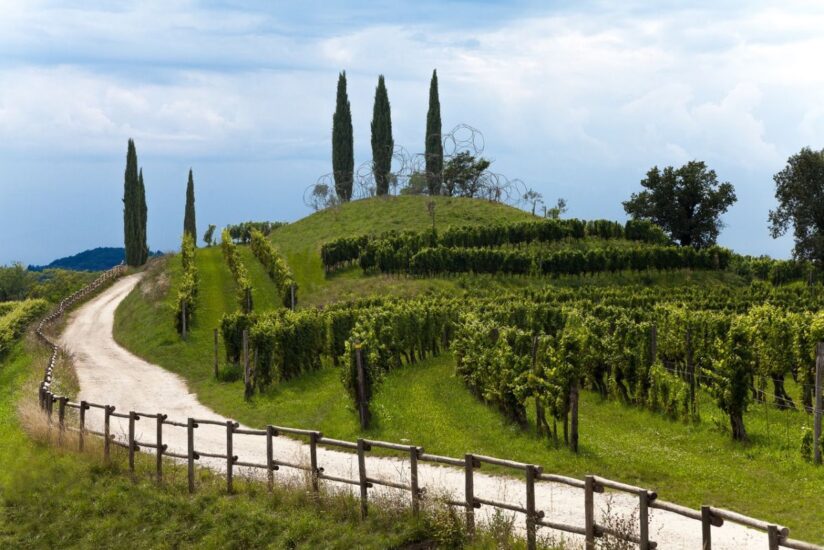
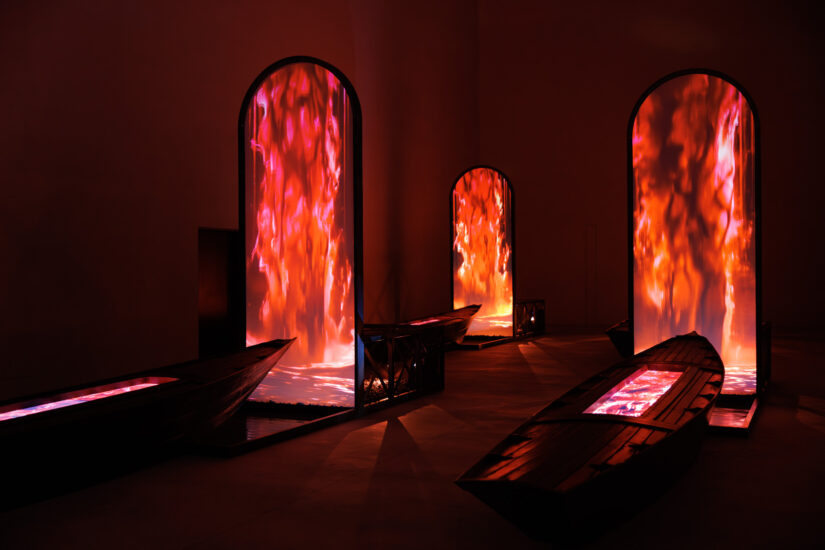
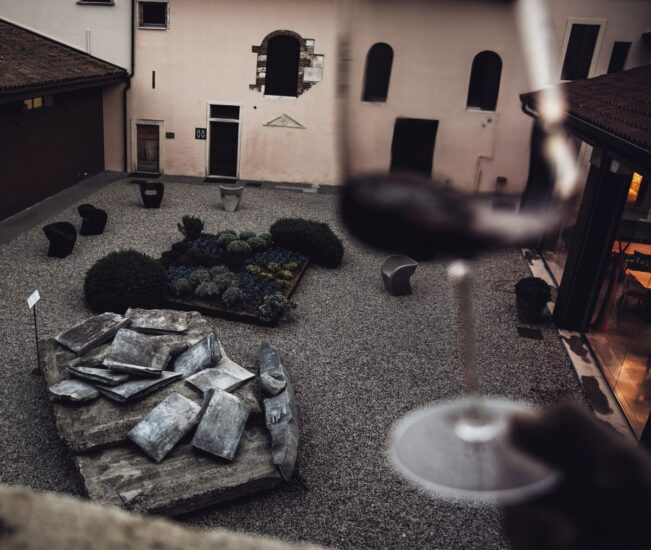
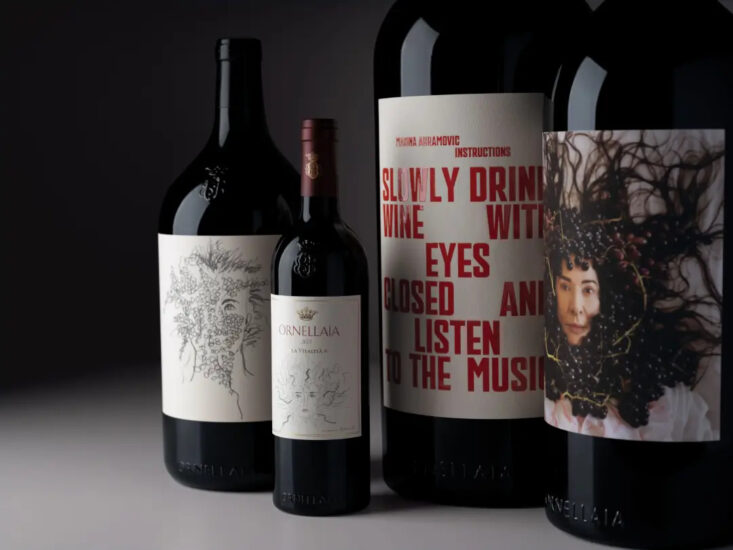
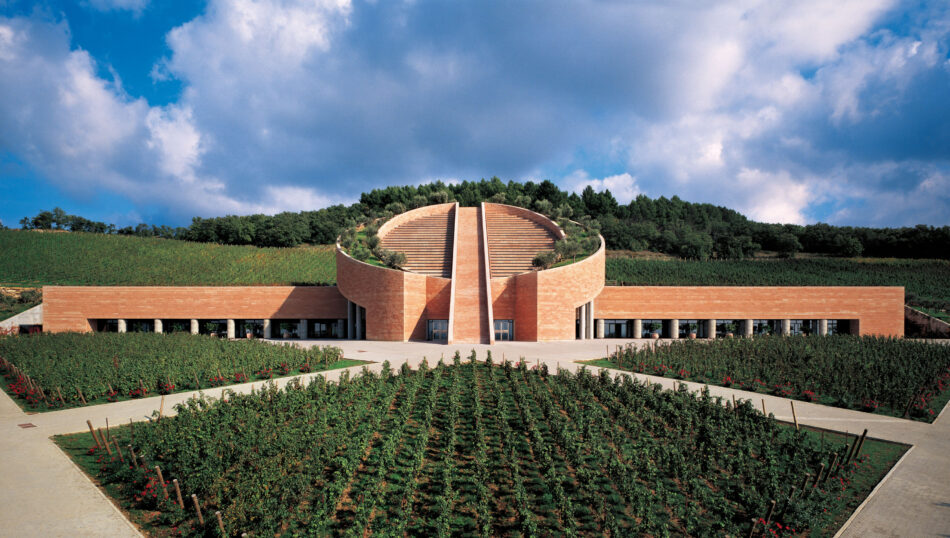
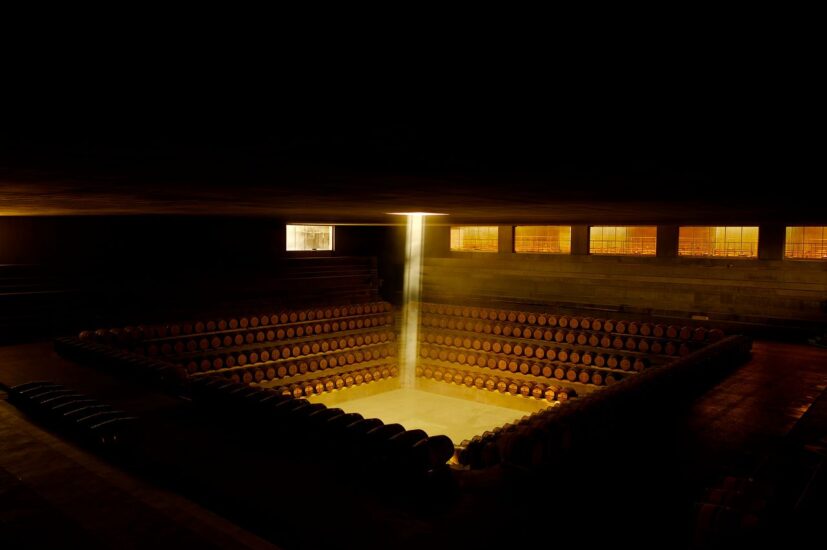

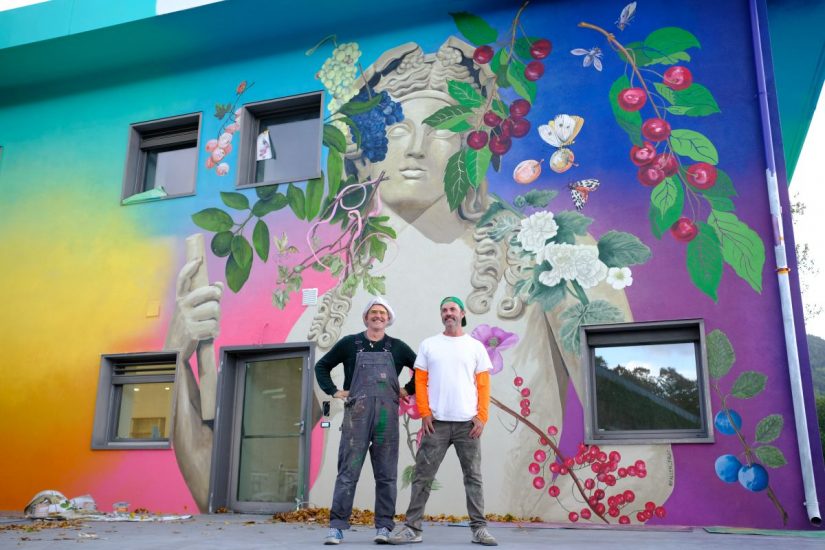
Not just signature labels or occasional events: an increasing number of wineries in Italy are making long-term, structured investments in the world of art, through permanent collections, installations and site-specific itineraries, prizes, artist residencies and exhibitions. In some cases, it is the very architecture of the estates that bears the signature of leading designers, further strengthening the dialogue between aesthetics and territory. Up to today, more than 60 Italian wine companies have established and continue to maintain a close liaison with the art world: they have been mapped by MetodoContemporaneo, Italy first permanent observatory in this field. Many of these wineries, some of which have been betting on and investing in contemporary art for decades, were present at Vinitaly 2026 in Verona, which in several cases also served as the stage for the presentation of their most recent projects: from Ca’ del Bosco to Zenato, from Pasqua to Ceretto, from Antinori to Planeta, from Frescobaldi to Donnafugata, from Castello di Ama to Carapace - Tenute Lunelli, from Feudi di San Gregorio to Fontanafredda, from Lungarotti to Tenuta di Argiano, from Masciarelli to Bosca, from Villa Sandi to La Raia.
The relationship between wine and art is rooted in a shared tension toward creation, time and transformation. If wine is the result of a process in which nature and human intervention engage in dialogue until reaching a balance, contemporary art shares its project-based dimension and its ability to interpret the present. In recent decades, this bond has become increasingly more structured, especially in Italy, where numerous wineries have chosen to invest steadily in artistic production and promotion. At the same time, awards dedicated to contemporary art have emerged, promoted by wine companies with the aim of supporting both emerging and established artists. These awards not only enhance artistic research, but also help to create networks between the cultural and business worlds. Even more significant is the spread of artist residencies: programs which invite creatives to stay at wineries, in close contact with the landscape and the rhythms of wine production, to develop works inspired by the context. Temporary exhibitions, finally, complete this ecosystem, offering the public opportunities for engagement that go beyond the traditional boundaries of museums. In this virtuous interplay, wine becomes a cultural medium and art finds new spaces for expression, helping to redefine the role of wineries as active players in the contemporary landscape. It is precisely MetodoContemporaneo, the first permanent Italian observatory on art and the wine growing landscape, promoted by the University of Verona together with Bam! Strategie Culturali which maps and narrates wine estates as new cultural actors, promoters of innovative forms of engagement with territory and landscape. This new tool is useful for investigating, better understanding and further disseminating a phenomenon which is widespread in Italy and marked by peaks of excellence: producers investing in art, with architect-designed wineries by major architects, or estates transformed like vineyards themselves—into “one-of-a-kind art galleries”. MetodoContemporaneo aims to be not only an archive, but also a dynamic and interactive map of the most significant cases - 60 across Italy - which invest in the relationship between art, wine-growing landscape and community, through permanent collections, artist residencies, site-specific installations and awards for young creatives.
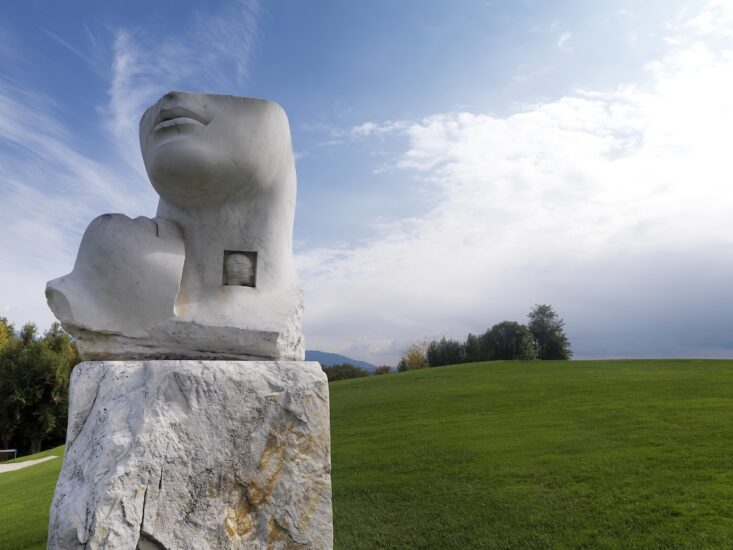
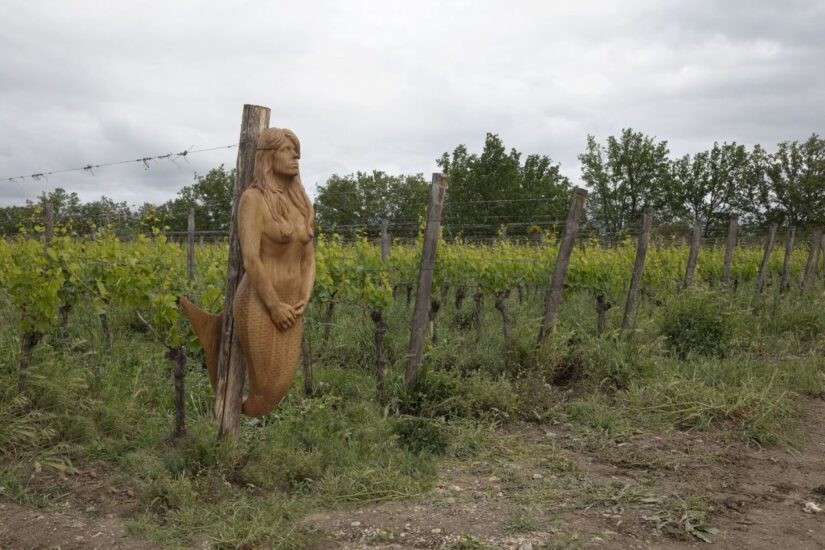
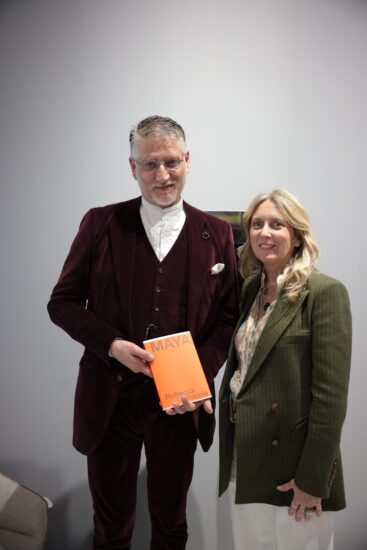
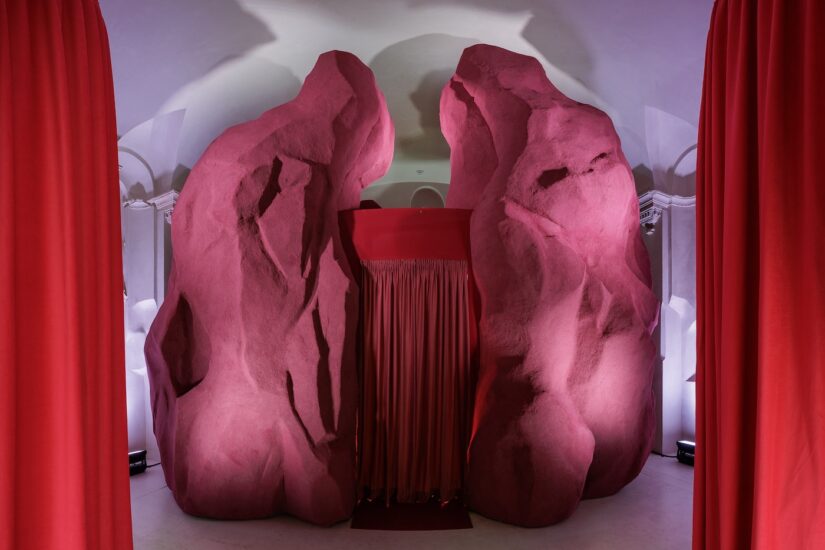
There are countless examples. Among them, Ca’ del Bosco in Erbusco, a historic name which has shaped the story of Franciacorta and its prestigious Metodo Classico sparkling wines, was a pioneer in turning its vineyards into an open-air museum featuring works by artists such as Arnaldo Pomodoro, Mimmo Paladino, Igor Mitoraj, Stefano Bombardieri and Bertozzi & Casoni. These works integrate agricultural landscape, contemporary architecture and an articulated route of environmental artworks set among vineyards and production spaces. Zenato, a historic winery from Lugana and Valpolicella, long committed to sustainability, culture and innovation - founded Zenato Academy in 2019, an international laboratory for artistic study and experimentation through which the Veneto-based company invests in young talent and promotes new reflections on wine culture, territory and traditions (at Vinitaly 2026 it presented the photographic exhibition “Maya,” inaugurated by Italy Minister of Culture Alessandro Giuli). The Piedmontese winery Bosca, one of Italy leading sparkling wine producers, created Palazzoirreale in 2024, a permanent exhibition space in Canelli (Asti) that hosts curated exhibitions. Pasqua Vini, a historic made in Italy company founded in 1925, has for over a decade conveyed its values and wine projects through the free, original and disruptive language of new forms of expression, investing in the talent and creativity of emerging contemporary artists (its most recent project is “Resonance”, a striking site-specific installation at Palazzo Maffei in Verona). Castello di Ama in Tuscany was among the first Italian wineries to invest in contemporary art; here, works are conceived to engage in dialogue with the historic spaces of the village, and internationally renowned artists are invited to create site-specific interventions. Among the pioneers of the wine-art connection, there is also Frescobaldi, with “Artisti per Frescobaldi”, a project launched over ten years ago from an idea by Tiziana Frescobaldi and curated by art critic Ludovico Pratesi. Drawing inspiration from the ancient tradition of patronage which saw the historic Tuscan Frescobaldi family support artists such as Filippo Brunelleschi and Donatello since the Renaissance, the project invites young artists to create works that capture the “genius loci” of Castelgiocondo, the Frescobaldi Group estate in Montalcino. La Raia in Piedmont promotes an ongoing program of artistic commissions, with site-specific works scattered throughout the landscape, such as “Il Sentiero dell’Arte” - “The Path of the Art” which winds through vineyards and woods, transforming the estate into a widespread museum.
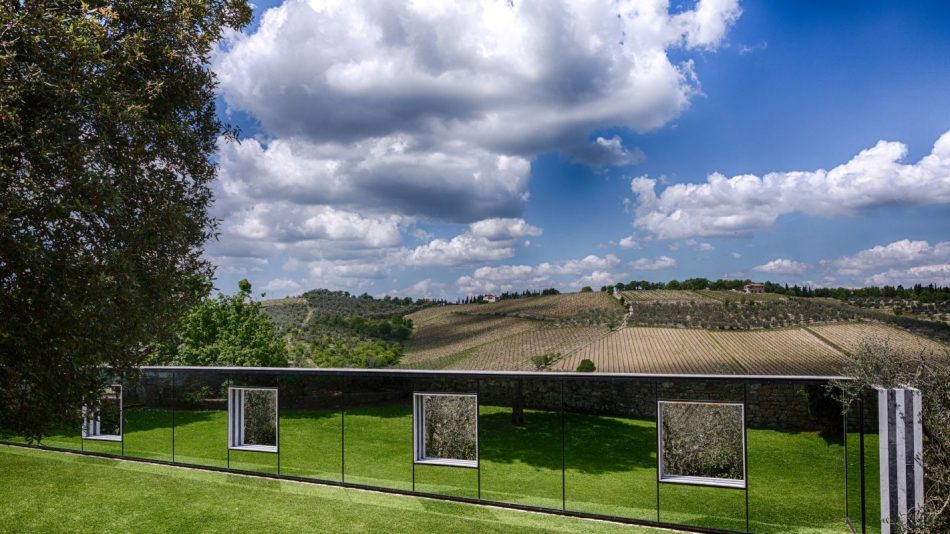
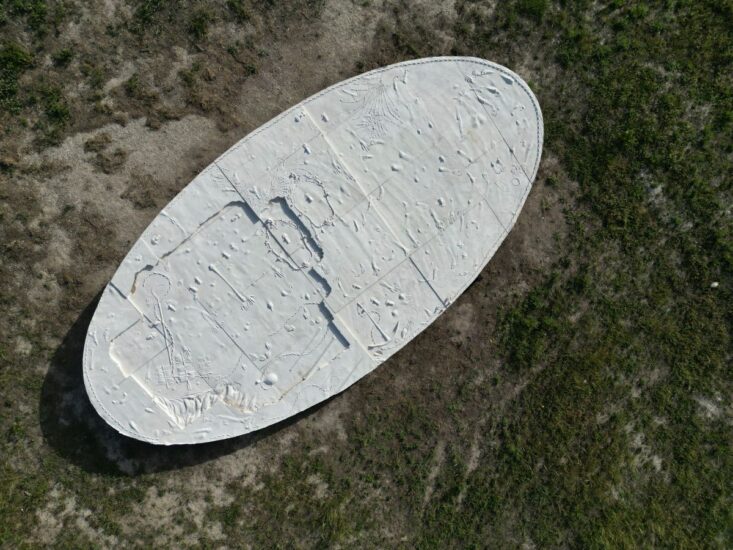
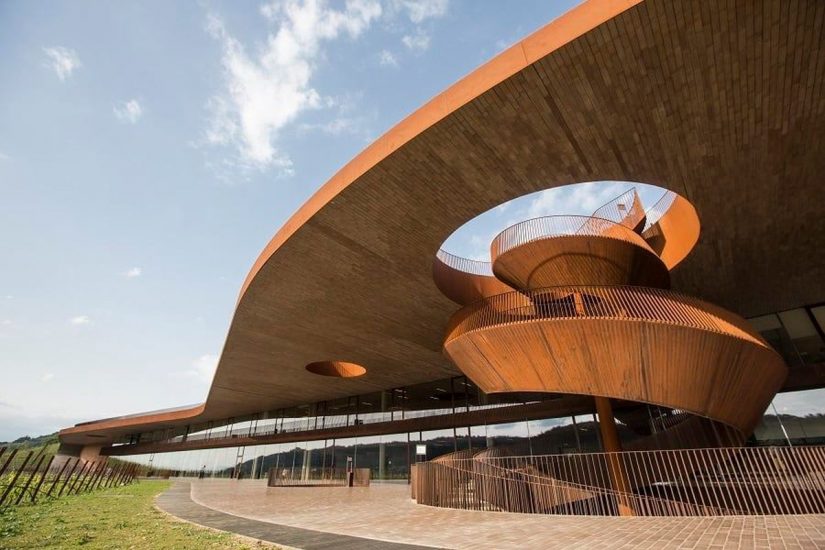
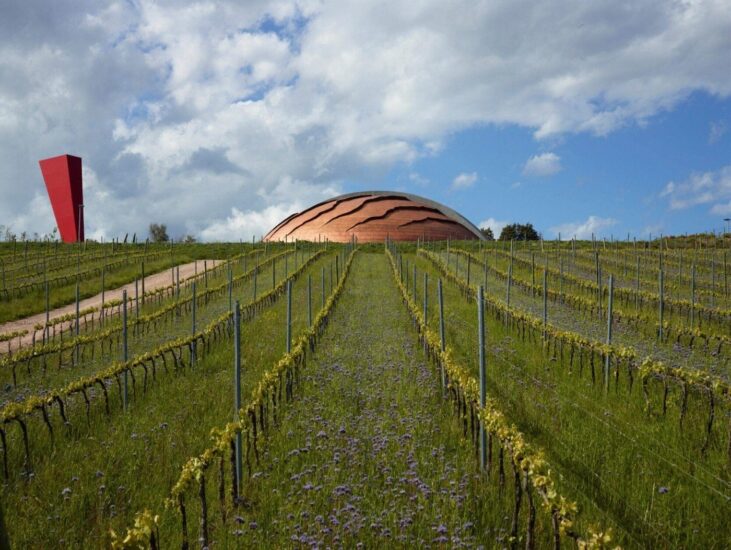
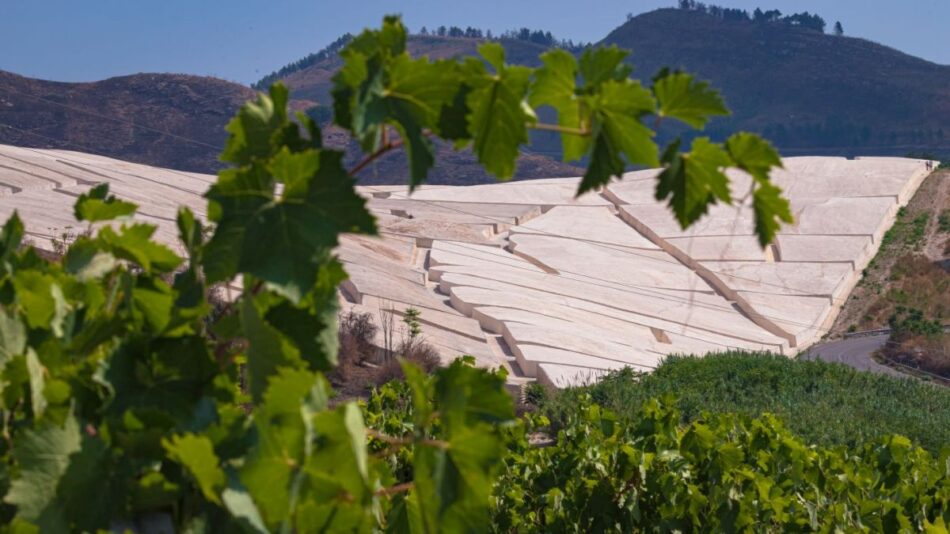
A quartet of fundamental, internationally significant wine-and-art projects includes those of Antinori, Carapace by Tenute Lunelli, Ceretto and Planeta. Antinori, “nomen omen” of Italian wine, celebrates the tenth anniversary of the “Antinori Art Project,” a platform for contemporary interventions developed in collaboration with established curators and aimed at artists from the international contemporary scene, commissioning new works for the Antinori winery in Chianti Classico (which also houses the paintings, ceramics and ancient manuscripts of Palazzo Antinori in Florence, made accessible to the public). Artists involved include Rosa Barba, Yona Friedman, Jimmie Durham, Tomás Saraceno and Olafur Eliasson. The Carapace by Tenute Lunelli in Umbria, designed by Arnaldo Pomodoro, is the world first winery-sculpture: a unique fusion of architecture, sculpture and wine, and a benchmark for Italian and international wine and cultural tourism. Ceretto in Piedmont is one of the pioneering families in contemporary art among vineyards, periodically involving world-renowned architects and artists in diverse and innovative projects. These include the renovation of the Cappella del Barolo by Sol LeWitt and David Tremlett, as well as Francesco Clemente site-specific installation “Love” at Tenuta Monsordo Bernardina in Alba. The Sicilian brand Planeta has for years developed cultural projects which use art to rediscover territory - from the first winery-based artist residency “Viaggio in Sicilia” to the vineyard theatre of the “Sciaranuova Festival” - and to regenerate rural spaces, in collaboration with the Merz Foundation. Among the latest collaborations is one with the French artistic collective Claire Fontaine, celebrating the 30th anniversary of Planeta Chardonnay with a special edition that brings together contemporary art, winemaking and the protection of the Sicilian landscape, including a nature itinerary in the Selinunte Archaeological Park.
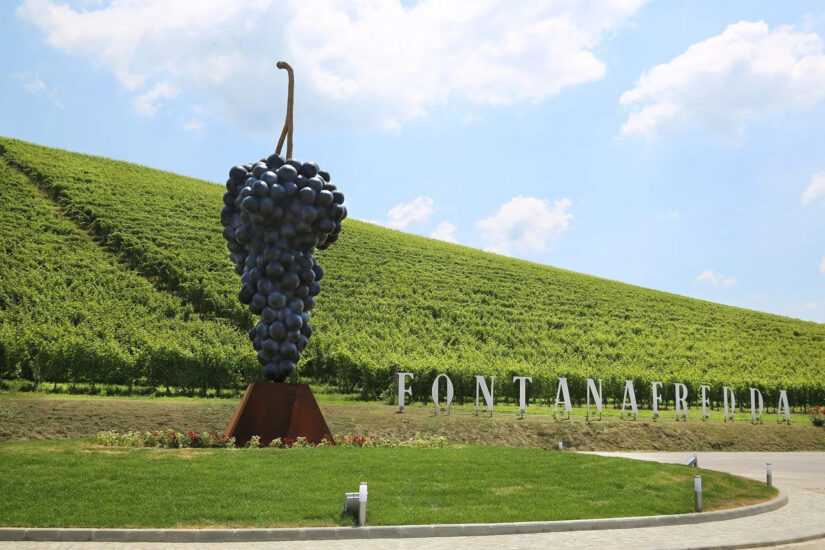
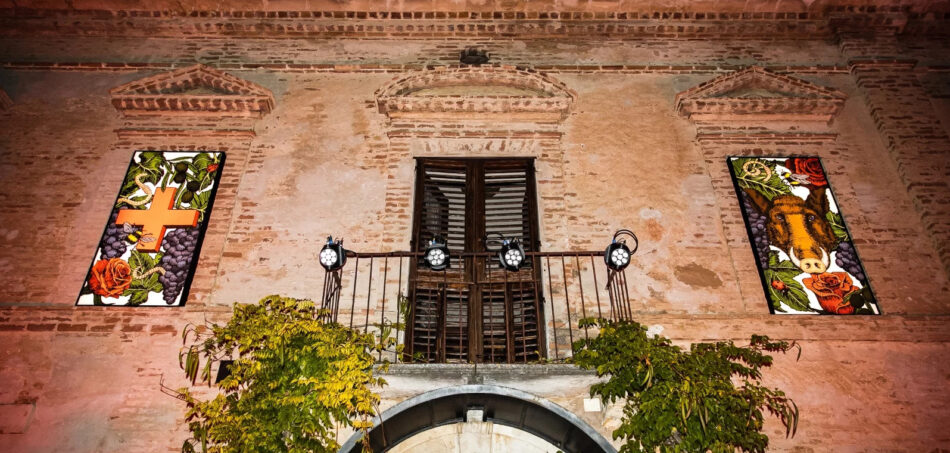
Across Italy, the growth of permanent collections, installations, site-specific routes, awards, artist residencies and exhibitions is constant. The Abruzzo-based winery Masciarelli launched the “Masciarelli Art Project” featuring artist residencies aimed at creating site-specific interventions for Castello di Semivicoli, the company relais de charme. Donnafugata, an excellence of Sicilian winemaking, has since 1994 developed a visual narrative through the artist-designed labels by Stefano Vitale, who for over thirty years has translated the personality of the company’s wines and the soul of Sicily into images. Feudi di San Gregorio, one of Campania most prestigious wine names, has maintained a close relationship with art since its founding, from the winery designed by Japanese architect Hikaru Mori, to interiors curated by Massimo and Lella Vignelli, leading figures in Italian design, to the “Teatro del Vino” - “Theater of Wine”, an immersive space where tasting and design interact. The company has also developed a structured program of initiatives under the “Be Curious” project, aimed at building a collection of contemporary Campanian art, involving artists such as Vedovamazzei, Mimmo Jodice, Pietro Ruffo and Fallen Fruit. Fontanafredda, a historic brand now owned by the Farinetti family in Serralunga d’Alba (Cuneo), promotes various cultural initiatives through the Fondazione Mirafiore, which hosts intellectuals and artists and serves as a meeting place for the local community. Between the estate and the Bosco dei Pensieri, among 40,000 plants, there is the Villaggio Narrante, giving voice to the memory and future of the territory. Villa Sandi, an iconic Prosecco brand owned by the Moretti Polegato family, pairs its historic winemaking vocation with a growing commitment to supporting the arts. In recent years, the eighteenth-century residence has hosted exhibitions featuring both emerging talents and established names, fostering an ongoing dialogue between tradition and contemporaneity, such as the permanent installation “Time Reflections” by Sergio Marchesini and Raffaella Rivi of the D20 Artlab collective, created in collaboration with Centro Aiku - Arte Impresa Cultura and Fondazione Ca’ Foscari. The Fasol Menin winery in Valdobbiadene stands out for a dynamic and experimental approach to promoting art through exhibitions, residencies and site-specific projects, positioning itself as an open laboratory engaging both emerging and established artists, including Arcangelo Sassolino, Loris Cecchini and Leandro Erlich. Particular attention is paid to interdisciplinary languages, where visual arts, performance and curatorial research intersect to generate new narratives. The Association of the Prosecco Hills of Conegliano and Valdobbiadene also invests in art through the “Colline ad Arte” prize, a unique initiative combining contemporary art, landscape and sustainability. Structured in three consecutive editions, destined to renew cyclically, the prize aims to build over time a true open-air art collection: each year, ten artists are invited to participate and one site-specific installation is awarded. The first edition awarded a multimedia work by Shezad Dawood.
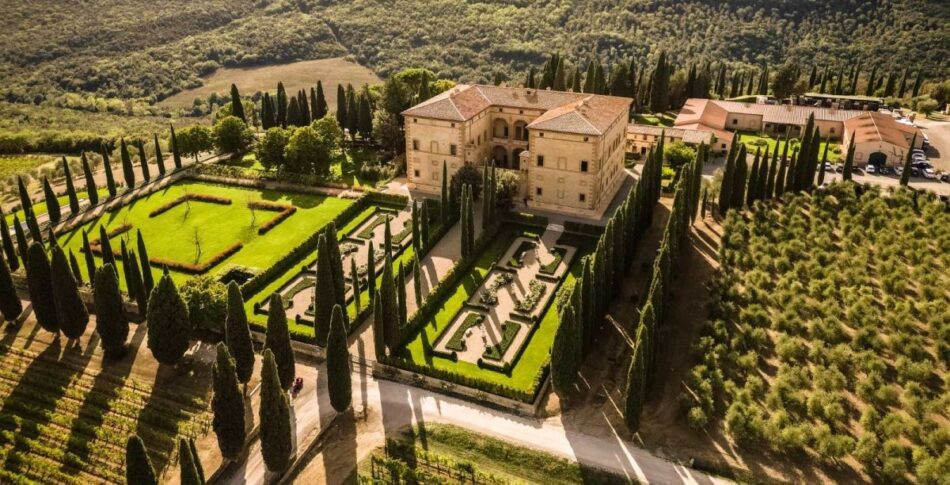
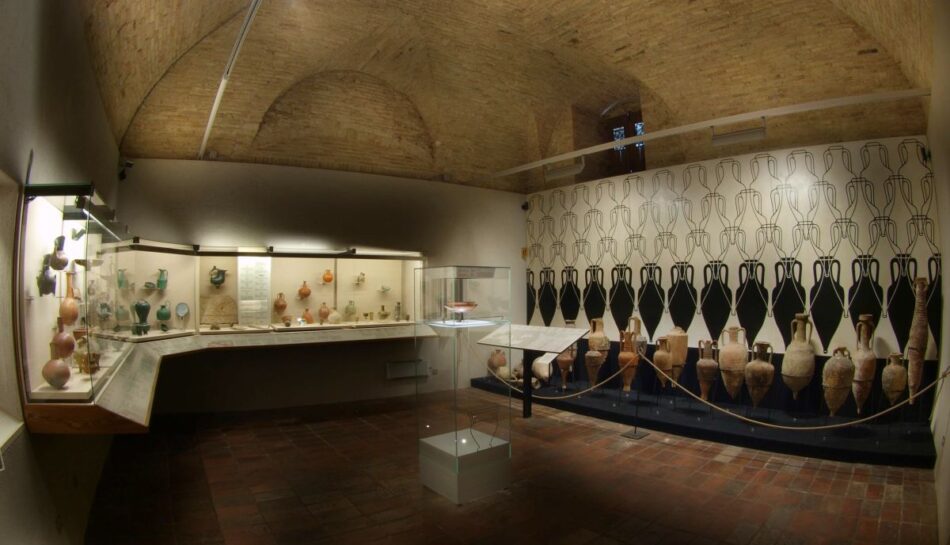
Last but certainly not least, as the world’s leading Wine Museum, Lungarotti in Umbria has invested in the pairing of wine and culture since the 1970s, thanks to Giorgio Lungarotti and his wife Maria Grazia Marchetti Lungarotti. In 1987, this vision culminated in the creation of the Fondazione Lungarotti Onlus, dedicated to promoting the culture of wine and olive oil. The Foundation manages two major museum institutions: the Wine Museum (Muvit), housing over 3,000 artefacts, and the Museo dell’Olivo e dell’Olio (Mio). Over the years, Muvit has also hosted numerous contemporary art exhibitions, including major solo and retrospective shows by Andrea Tana, Anne Donnelly, Duilio Cambellotti and Andrzej Kot. Similarly, Argiano, a reference estate for Brunello di Montalcino owned by Brazilian entrepreneur André Santos Esteves and led by Bernardino Sani, houses a prestigious private art collection in its sixteenth-century villa designed by renowned architect Baldassarre Peruzzi. The collection, largely Renaissance in origin, includes works by artists such as Bernardo Daddi, Luca della Robbia and Giorgio Vasari ...
Copyright © 2000/2026
Contatti: info@winenews.it
Seguici anche su Twitter: @WineNewsIt
Seguici anche su Facebook: @winenewsit
Questo articolo è tratto dall'archivio di WineNews - Tutti i diritti riservati - Copyright © 2000/2026