


Saturday 12th of September 2026 - Last Update: 11:47







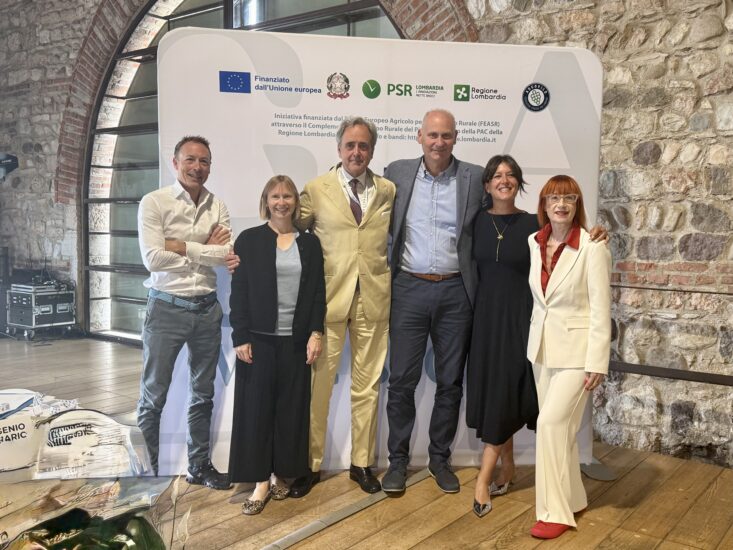
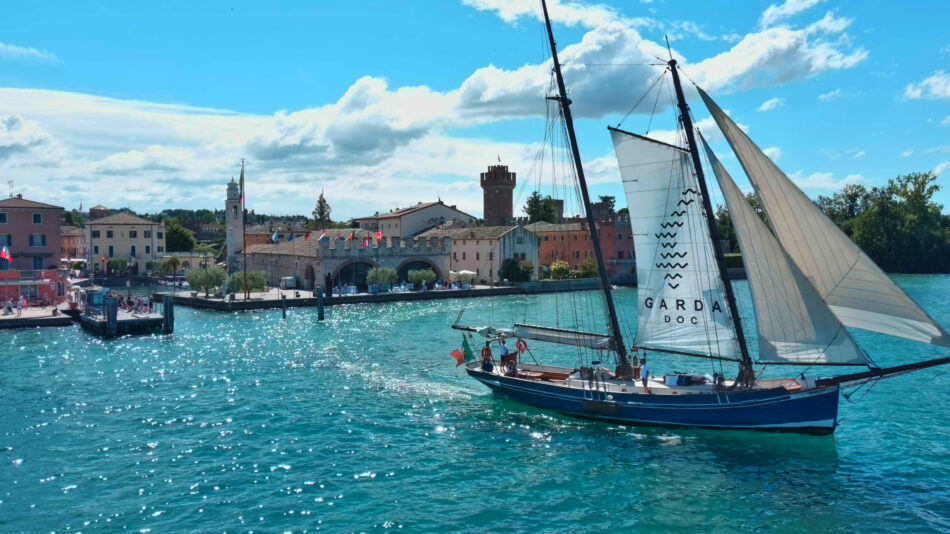

The Garda DOC is focusing on several development lines which encompass product, production regulations, territory, and communication: the debut of Garganega with a naturally low alcohol content, the “crémant” mention for Metodo Classico, the extension of the production area to Castenedolo (Brescia), and the “Garda 360” project. These topics were discussed at “Garda Wine Stories” 2026, the annual event held in recent days at the Dogana Veneta in Lazise, dedicated this year to the regulatory and market landscape of no- and low-alcohol wine products, with a focus on the United Kingdom and Germany, also to guide the positioning of naturally low-alcohol Garganega Garda DOC.
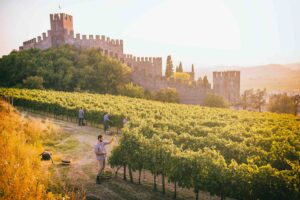
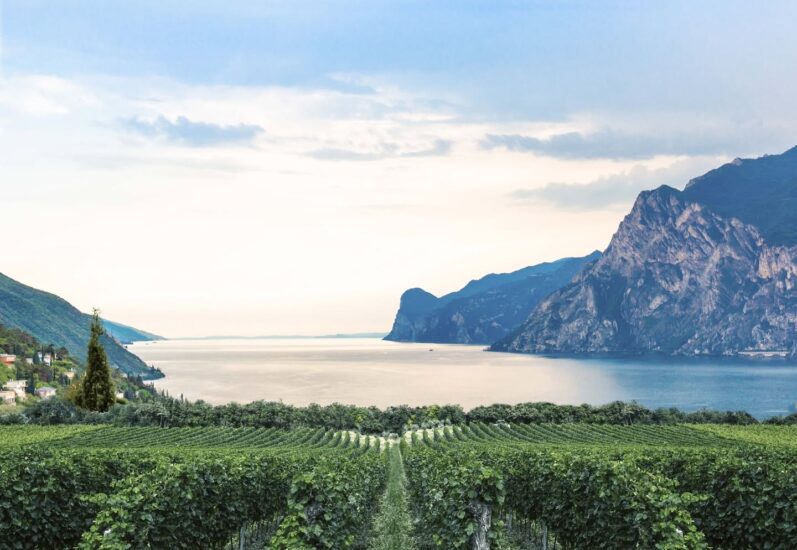
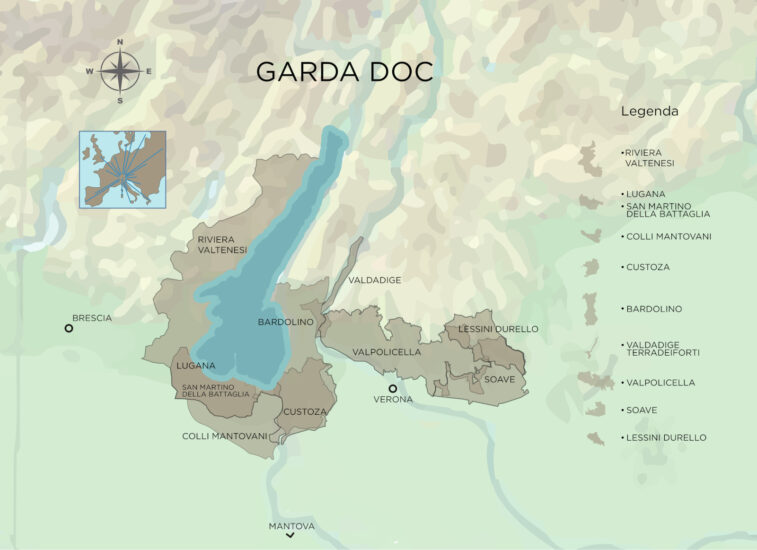
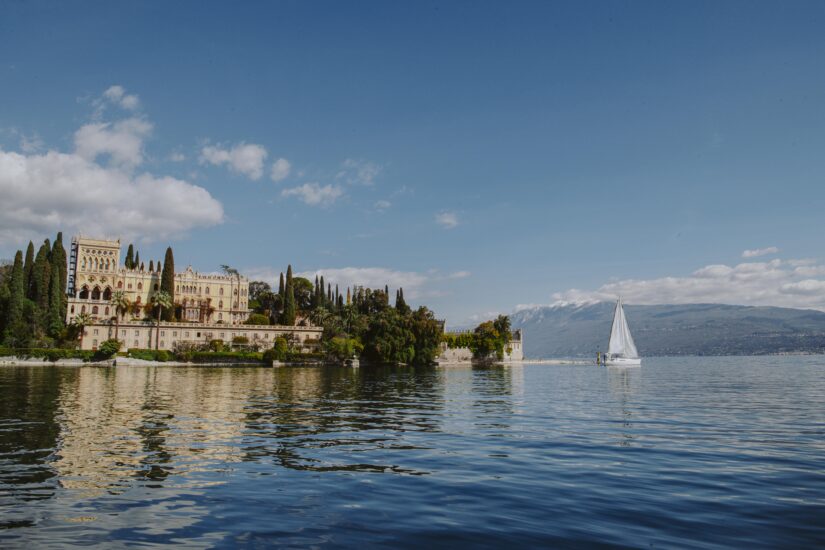
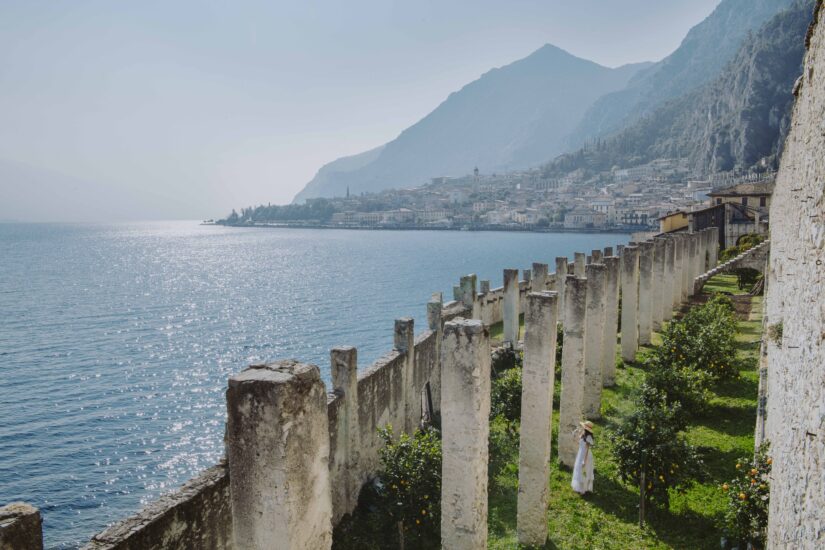
Recognized in 1996 to enhance varietal wines from ten historic production areas around Lake Garda, Garda DOC spans the shores of the provinces of Brescia, Mantua, and Verona, from which it takes its name. It is by nature a dynamic denomination that allows for innovative interpretations of certain wines not covered by the historical denominations present in the area. With over 23 million bottles produced in 2025, Garda DOC recorded its best result ever, consolidating its growth path thanks to its ability to offer contemporary, versatile wines aligned with market demands.
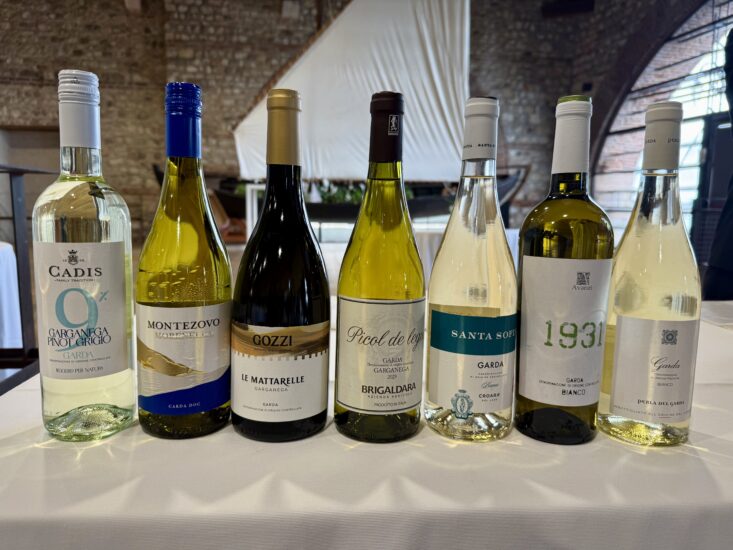
Starting with the 2025 harvest, Garda DOC has launched the production of a naturally low-alcohol wine, obtained through vineyard and cellar work to keep the alcohol level below 9%. This achievement was made possible by an amendment to the production regulations approved in autumn 2025 and reflects a forward-looking vision which sees this category as a response to current consumption trends towards lighter, more drinkable wines. It could establish itself as an Italian wine alternative to No-Lo wines and all other beverages based on dealcoholized wine. This Italian alternative is based on “real wines” - that is, products of alcoholic fermentation of grapes, according to the definitions of the European Union and the Oiv - International Organization of Vine and Wine - and benefits from the wide variety of native grape types and production areas, creating a mosaic of offerings for international markets, in contrast to no- and low-alcohol wine production, which, although growing, remains limited even in the most optimistic projections.
“The choice fell on Garganega, the variety best suited for both agronomic and wine characteristics - explained Paolo Fiorini, president of the Consortium (and agronomist and enologist at Cadis 1898, ed) - with a strong connection to the territory and great wine flexibility, from sparkling base wines to passito. With a minimum of 8% alcohol and 13.6 degrees Babo, levels achievable in the first ten days of September, aromatic qualities and fruity and floral notes are preserved.” For the first harvest, 2025, production includes two labels - pleasant on the palate - for around 20,000 bottles, a quantity expected to grow in the next vintage. Fiorini also highlighted a paradoxical aspect: “harvesting in September fifteen years ago would have resulted in low pH and extremely high acidity, whereas today climate change actually makes it easier to produce balanced wines with naturally low alcohol content”.
With her interpretation, Alessandra Piubello took on the role of defense counsel in a hypothetical “No-Lo vs naturally low alcohol” case. The “Decanter” journalist (and the only female editor of a wine guide published in Italy, “Guida Oro I Vini di Veronelli,” as well as a contributor to WineNews newsletters on wine criticism, weekly “I Vini di WineNews”, and monthly “I Quaderni di WineNews”, ed) emphasized the importance of clearly explaining the differences to consumers. “Dealcoholization is an impactful and destabilizing process - observed Alessandra Piubello - because it removes the backbone of the wine. By contrast, naturally low-alcohol wines don’t undergo invasive interventions, retain their territorial identity, and respect Italian wine culture”. She also encouraged producers to consider them as a potential way to differentiate themselves in international markets, targeting a young, curious, and sustainability-conscious audience.
The overall picture, however, remains complex. Professor Eugenio Pomarici of the University of Padua noted that the market for no- and low-alcohol wines is still emerging, with limited penetration, between 5% and 10% of consumers in major markets, although it is growing in countries such as the United States, Germany, and the United Kingdom. “Significant obstacles remain - he explained - quality perception is not always positive, availability in restaurants and traditional retail is still limited, communication and word-of-mouth are weak. For naturally low-alcohol wines, which have environmental and bureaucratic advantages because they are more “traditional”, the main challenges are regulatory: the lack of legal recognition as wine below 8-9% alcohol, the inability to use PDO and PGI labels without changes to regulations, and the need to demonstrate quality to support possible exemptions at the European level”.
In this context, insights from international markets also come into play.
According to Patrick Schmitt, Master of Wine and editor-in-chief of the UK magazine “The Drinks Business”, naturally low-alcohol wines can find a place in the British market, but “provided they leave adequate margins for distributors”, a step he described as essential to secure shelf space. Schmitt also noted that in the UK, the main driver of growth for No-Lo products is price, made more competitive by the reduced impact of recently revised alcohol duties: the positioning he identified as ideal is around 20 pounds for wines at 7% alcohol. However, tasting remains determining: “lowering alcohol reduces body and softness”, and without quality, consumers will not repurchase. In Germany as well, consumers show strong sensitivity to the quality/price ratio and are reducing their wine consumption. “These wines - observed Karin Eymael, editor-in-chief of the magazine Weinwirtschaft - can rely on some effective marketing arguments: natural processes, greater sustainability, better organoleptic profiles, moderate alcohol levels and therefore better alignment with wellness-oriented lifestyles. However, they still face the challenge of effective communication to differentiate themselves from No-Lo products, and in Germany they also compete with light Kabinett wines”.
Meanwhile, with a second round of amendments to the production regulations approved in September 2025, Garda DOC has introduced several new grape varieties and categories (Rebo as a still wine, Müller Thurgau and Pinot Grigio in still, semi-sparkling, and sparkling versions; varietal designations for Garganega and Chardonnay for sparkling and semi-sparkling wines, and Corvina for rosé versions of both), and has refined the path begun in 2016 when the sparkling category was introduced. Starting with the 2025 harvest, bottles of Garda DOC Traditional Method sparkling wines, white and rosé, made from native grapes such as Garganega and international varieties like Chardonnay may carry the designation “Crémant” on the label. As explained by Carlo Alberto Panont, director of the Consortium, “this mention can be used on bottles released from 2027”. Panont emphasized that the decision was made “without any intention of mimicking France,” highlighting that it is a term provided for by EU regulation (Reg. 2019/33), reserved for bottle-fermented DOC or PGI sparkling wines made from hand-harvested grapes, gently pressed as whole clusters, with a yield of 66% (100 liters of must from 150 kilograms of grapes), at least nine months on the lees, and with specified limits for sulfur dioxide (150 mg/l) and sugar (50 g/l). “The presence of “local” grapes - concluded Panont - will allow us to produce an expressive Crémant that will mark a significant step forward for the Garda denomination as a whole, strengthening its position in the Italian sparkling wine landscape”.
The expansion of Garda DOC sparkling production is also linked to the extension of the production area to the morainic hills of Castenedolo, in the Brescia province, covering about 90 hectares, of which around thirty are currently under vine. “We have always reasoned in terms of a district rather than as an organizational unit competing with other territories - explained Giovanna Prandini, vice president of the Consortium and head of the Perla del Garda winery (and of Ascovilo, the Association of Lombardy Wine Consortia, ed) - the inclusion of Castenedolo is consistent with its proximity to the Garda DOC production area and with the presence of producers who have traditionally cultivated international varieties for sparkling wine in that area, and who will now be able to enhance them thanks to the DOC”.
Finally, another key element of the territorial strategy is the “Garda 360” communication project, designed to present the denomination in all its facets while strengthening its link to the Lake Garda territory. The idea is to build a narrative which goes beyond tasting, encompassing landscape, water, outdoor activities, and experiences, from the heights of Monte Baldo to the depths of the lake, with underwater explorations, sailing, freediving, and symbolic immersions of crémant bottles. At the same time, the project also addresses the protection of the lake ecosystem, drawing attention to the 25 native fish species at risk due to the impact of 42 invasive alien species.
Copyright © 2000/2026
Contatti: info@winenews.it
Seguici anche su Twitter: @WineNewsIt
Seguici anche su Facebook: @winenewsit
Questo articolo è tratto dall'archivio di WineNews - Tutti i diritti riservati - Copyright © 2000/2026