


Saturday 12th of September 2026 - Last Update: 11:47





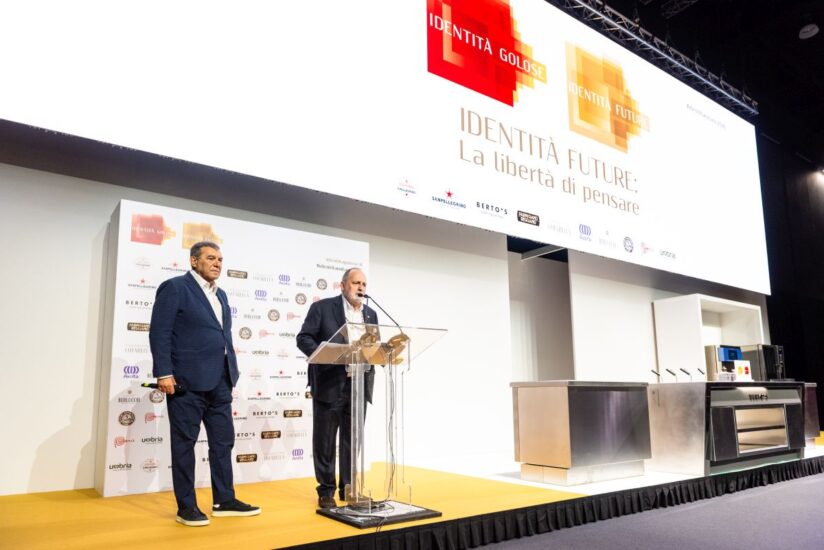
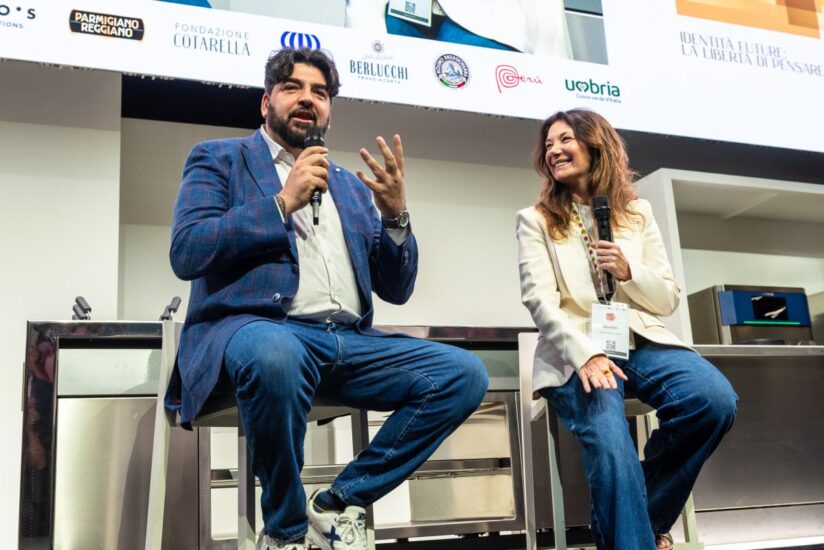
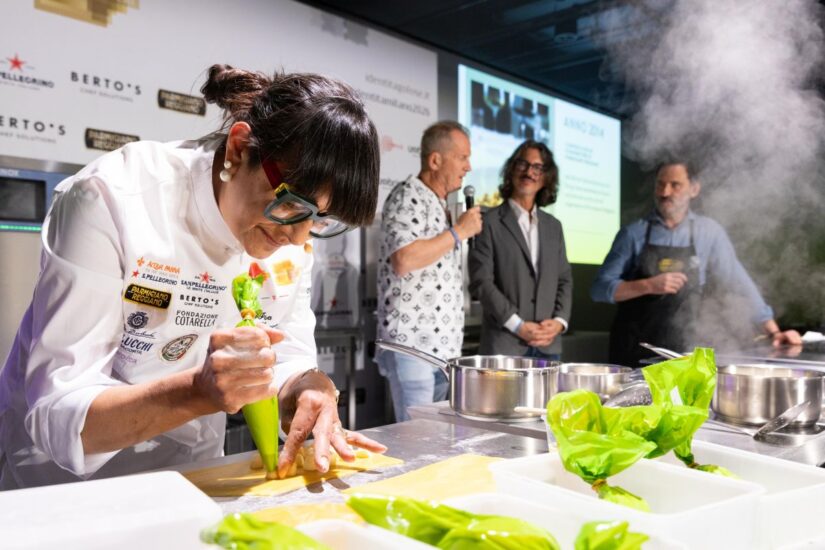
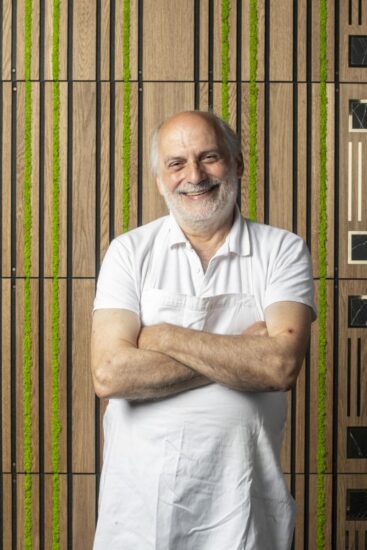
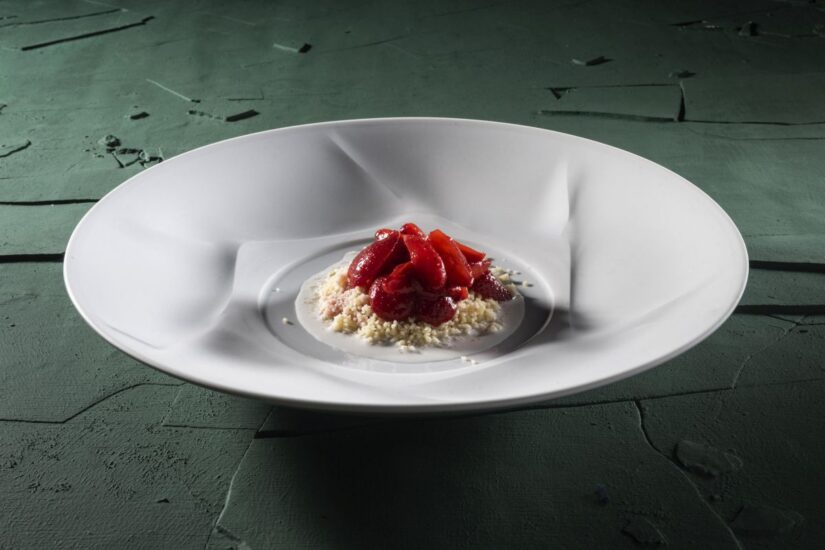
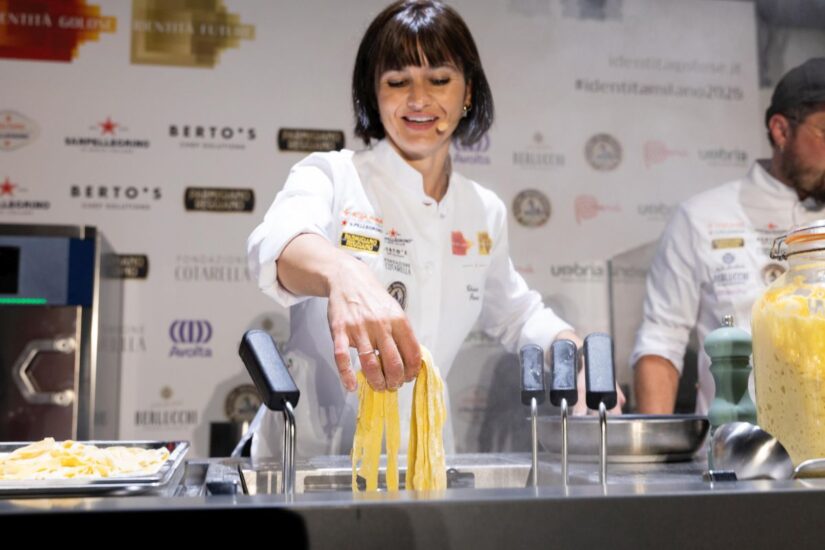
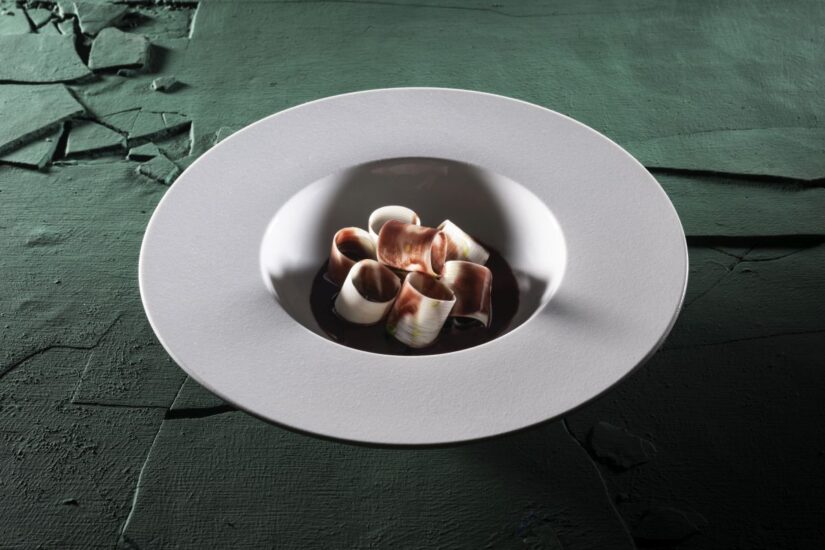
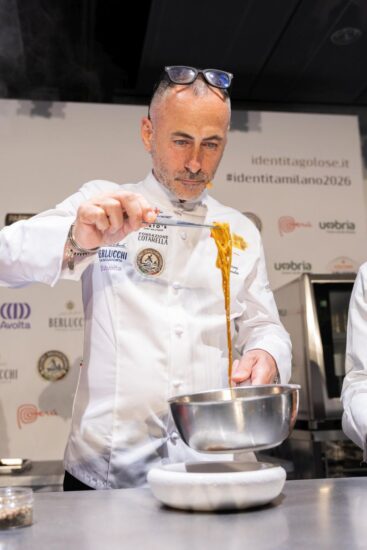
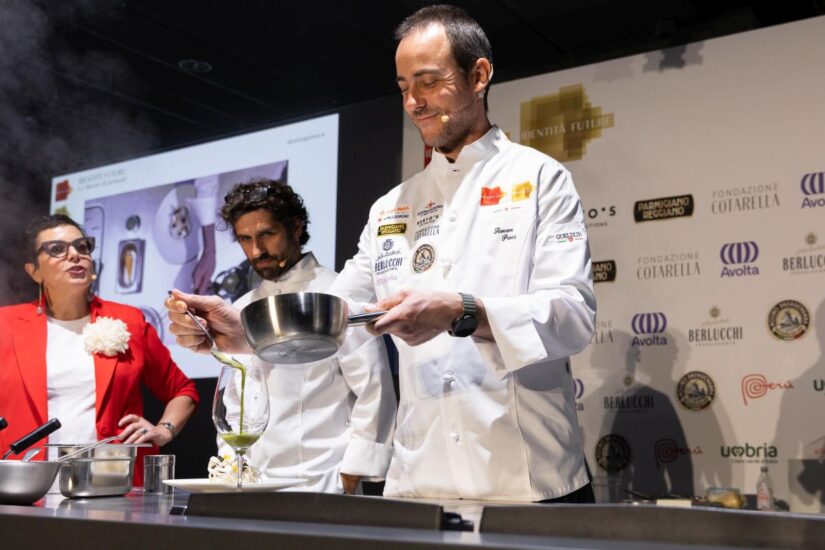
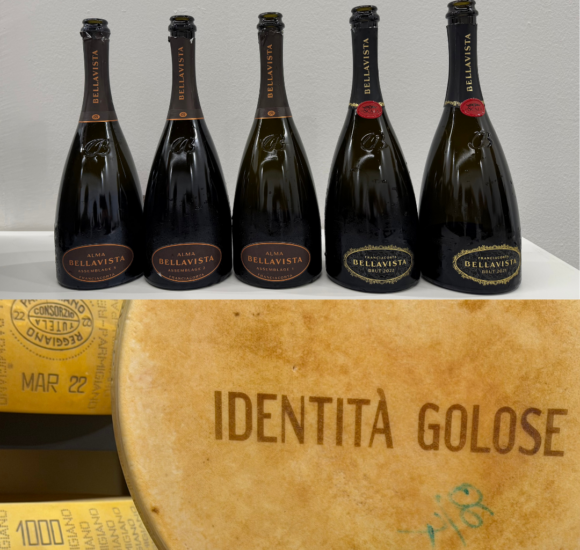
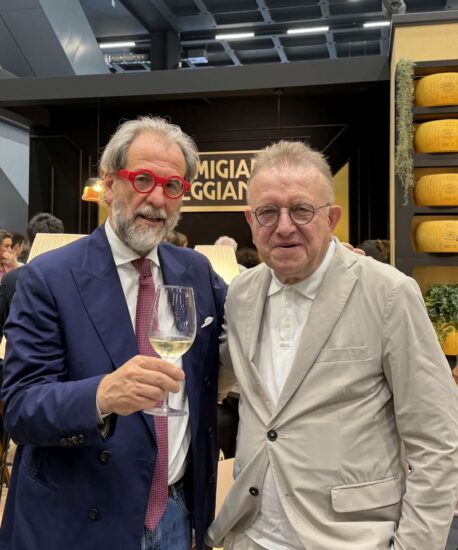
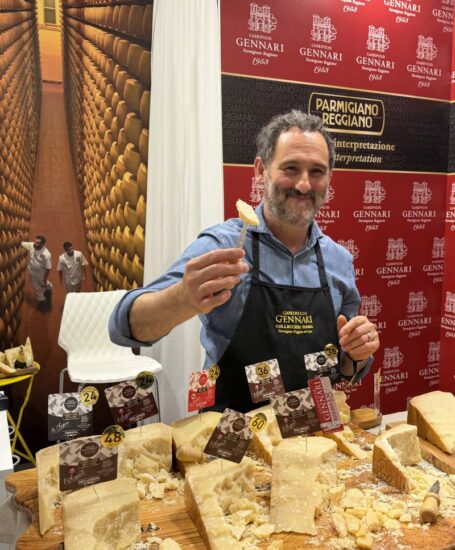
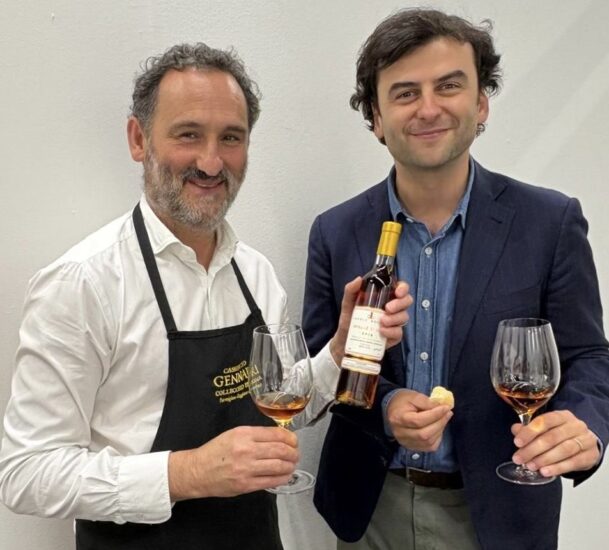
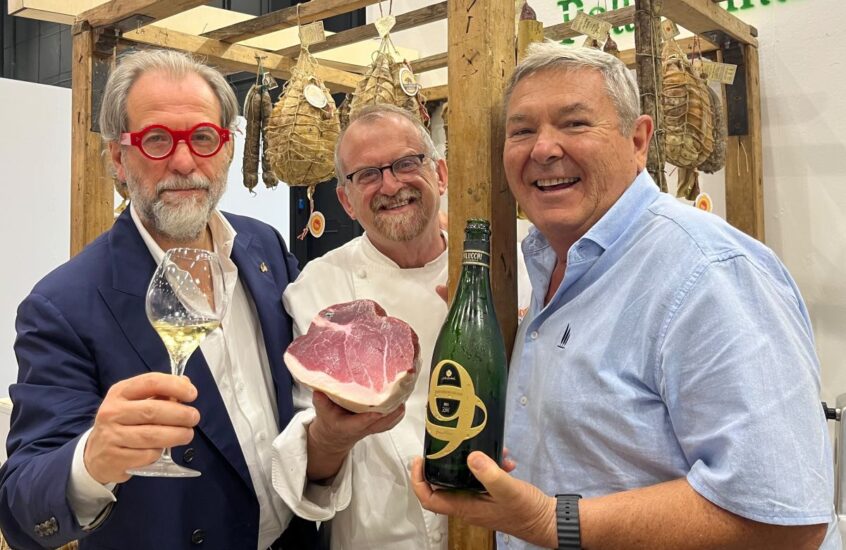
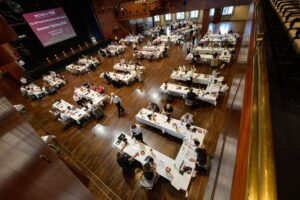
“In a context of profound uncertainty, for the restaurant industry, but also for all of us, change is, to say the least, inevitable: the climate is changing, and with it our habits are changing; business models are changing, becoming more fluid and dynamic; and the very concept of luxury is changing as well. And change, of course, implies a need to find new approaches”. Even in the world of dining, the “stage” where cuisine, and Italian cuisine, a UNESCO World Heritage, wine, which is its most faithful companion, and the art of hospitality, come together to offer a pleasant and unforgettable experience. This is the topic of discussion at “Identità Milano” 2026, featuring over 100 speakers, including renowned chefs and leading figures from the global food and wine industry and cultural circles, at the Allianz MiCo North Wing (through June 9, with WineNews as media partner, which is also covering the event on social media and will soon release a video online about the future of the sector), centered on the theme “Identità Future: The Freedom to Think”, a theme also encapsulated in the words of Italian President Sergio Mattarella, who urged, “Be bold and free in your project”, as a “concrete call to constantly challenge yourselves”, and in the freedom of thought championed by Slow Food founder Carlo Petrini, explained Paolo Marchi, creator of Identità Golose and the International Congress of Haute Cuisine, Pastry, mixology, service, and hospitality (whom we interviewed in recent days on the need to focus more on the wine-food-territory mix), now in its 21st edition, with Claudio Ceroni, president of Magentabureau, who delivered the opening remarks and, addressing the younger generation, stated that “there can be no freedom of thought without the freedom to change”.
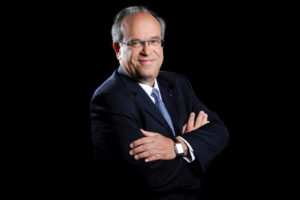
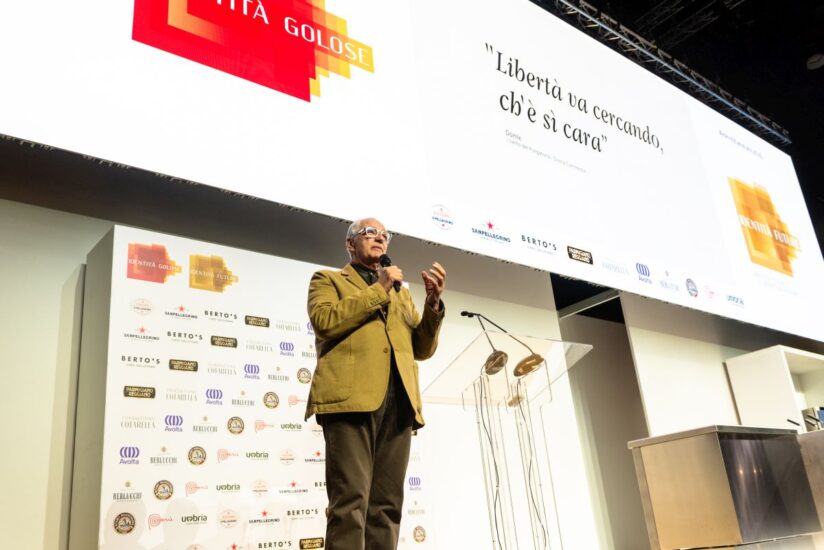
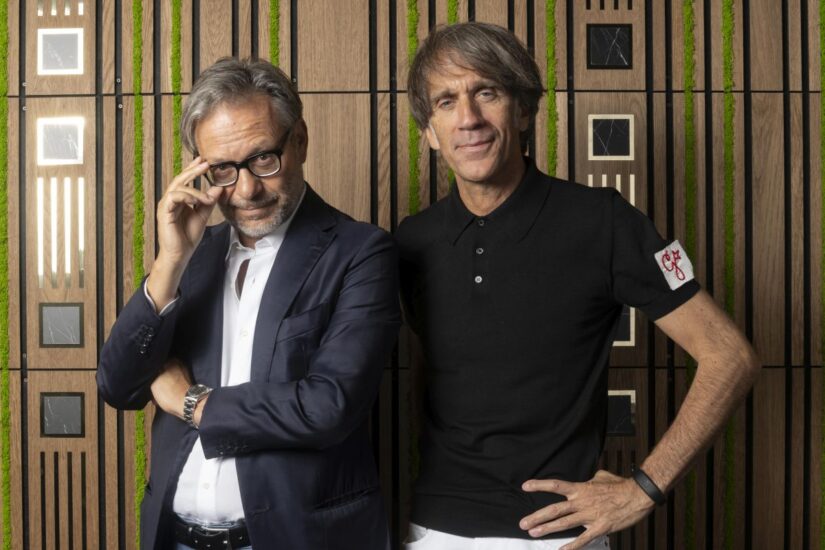
But before making a change, whether as entrepreneurs or chefs, we must “know that it has the same root as flavor” in order to “escape ignorance once and for all. “Only then will we be truly free”, emphasized Davide Rampello, artistic director and curator of Rampello & Partners (with whom we spoke face-to-face about the hospitality economy, encompassing culture, cuisine, and wine, for the future of Italy).
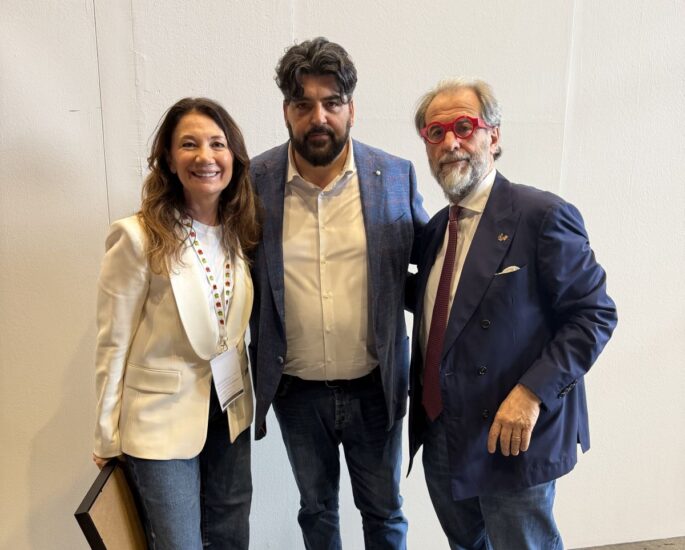
And if it’s true that the table, which embodies conviviality, sharing, and socializing, says everything about us Italians, then Italy has a great opportunity to reveal its true soul to the world: the recognition of Italian cuisine as a UNESCO World Heritage, which isn’t just “a little certificate to hang on the wall”. But those of us who pushed for this, myself, the chefs, the crazy ones who believed in it, have a duty to protect this recognized element, and in five years we’ll have to tell UNESCO what we’ve done”, said Maddalena Fossati, editor-in-chief of the historic magazine “La Cucina Italiana” and president of the committee promoting the recognition (with whom we spoke specifically about the post-UNESCO phase), whose journey has been accompanied and supported by Italy’s greatest chefs, from Massimo Bottura to Carlo Cracco, from Davide Oldani to Antonia Klugmann, from Niko Romito to Antonino Cannavacciuolo. The three-Michelin-starred chef of the Villa Crespi restaurant in Orta San Giulio emphasized that “we are strong, even if we often don’t realize what we could do. We have our roots, products, sunshine, lakes, mountains, and plains. We have incredible biodiversity. If you ask me whether anything has changed for us chefs, I’ll tell you no, nothing has changed. But abroad, everything has changed”. And “we must take Italian cuisine around the world”, said Fossati, but also “teach Italians to be Italian in their eating habits, starting with the youngest,” Cannavacciuolo reiterated, adding that “we must introduce that one hour a week of food education in schools, in all of them”, or, at this point, Fossati added, “Italian cuisine must become a school subject”.
Only in this way can we arrive at that concept of “legacy, in the kitchen as in life, that goes beyond, that is, that becomes a “code of brotherhood”, as Massimo Recalcati, an internationally renowned academic and psychoanalyst, puts it, and “loyalty to the team”, as Michelin-starred chef Davide Oldani of the D’O restaurant in Cornaredo explains, whose greatest satisfaction is “when my young chefs, after gaining experience around the world, sometimes for years, choose to come back and work with me. If our cooking is so contemporary, I owe it entirely to them, to my young chefs, and to all the new ideas they’ve brought me”. Young aspiring restaurateurs are facing a wonderful world, but one that needs to change in some ways, Recalcati emphasized to WineNews (in an interview coming soon online), because in reality and in the collective imagination, it’s made up of “impossible hours, expectations that always demand top performance, and little tolerance for imperfection or vulnerability, in short, there’s this portrayal of a toxic world, but it’s not always like that. At Davide’s, for example, there’s a different atmosphere. As someone who loves to eat and frequents experimental restaurants when I have time, I’ve encountered situations different from these that exist and that must, of course, be reformed. What I today defined as a lack of the maternal code means a lack of care: the maternal code is the code that governs care”. In a hospital, in a factory, in a kitchen, and in everyday life.
Copyright © 2000/2026
Contatti: info@winenews.it
Seguici anche su Twitter: @WineNewsIt
Seguici anche su Facebook: @winenewsit
Questo articolo è tratto dall'archivio di WineNews - Tutti i diritti riservati - Copyright © 2000/2026