


Tuesday 22nd of September 2026 - Last Update: 09:54





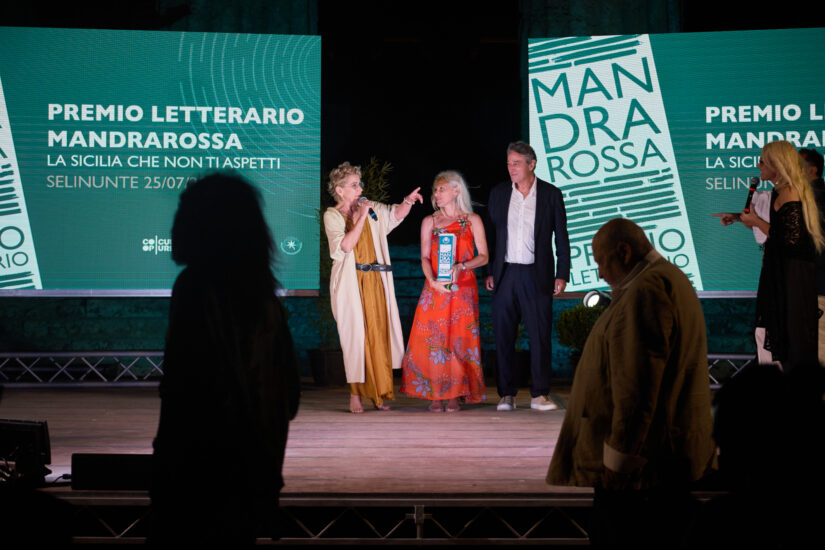
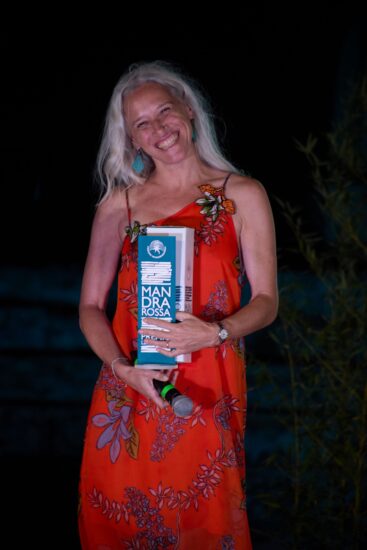
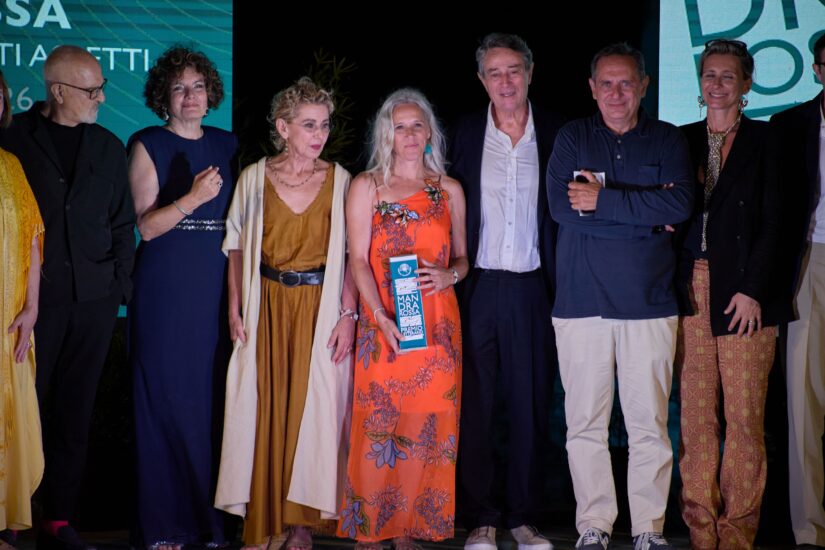
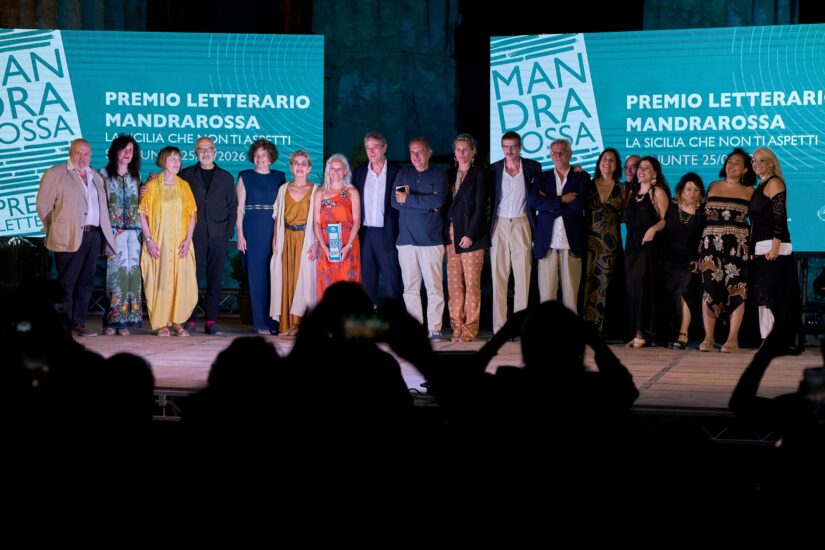
Ernest Hemingway said that “wine is one of the greatest signs of civilization in the world”. For Giacomo Leopardi, meanwhile, “wine is the surest and, beyond comparison, the most effective comforter” while, according to Plato, “wine is for man what water is for plants, which, in the right measure, helps them stand upright and thrive”. These are just three of the countless examples which, across different eras, from antiquity to the present day, bear witness to the deep and enduring bond between wine and literature. A feeling which has never faded throughout history and has continued to manifest itself through major events which bring wine and literature together. One such example is the “Mandrarossa Literary Award - The Sicily you never expected”, a cultural project promoted by Mandrarossa, the top brand of Cantine Settesoli, one of Sicily most important wine producers. Sicily is a land of great wines and renowned writers, from Giovanni Verga to Leonardo Sciascia, from Luigi Pirandello to Giuseppe Tomasi di Lampedusa, from Salvatore Quasimodo to Andrea Camilleri, and from Simonetta Agnello Hornby to Stefania Auci. The edition No. 2 was won (Mandrarossa Fiction Prize) by Neapolitan writer Valeria Parrella with her novel La Ragazzina - “The Little Girl”, published by Feltrinelli. Second place went to Dario Ferrari with “L’Idiota di Famiglia” - “The Family Idiot” (Sellerio), while Monica Acito took third place with “La Carità Carnale” - “Carnal Charity” (Bompiani).
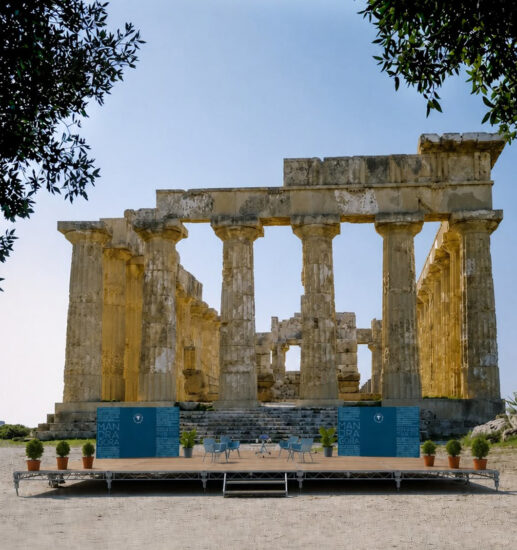
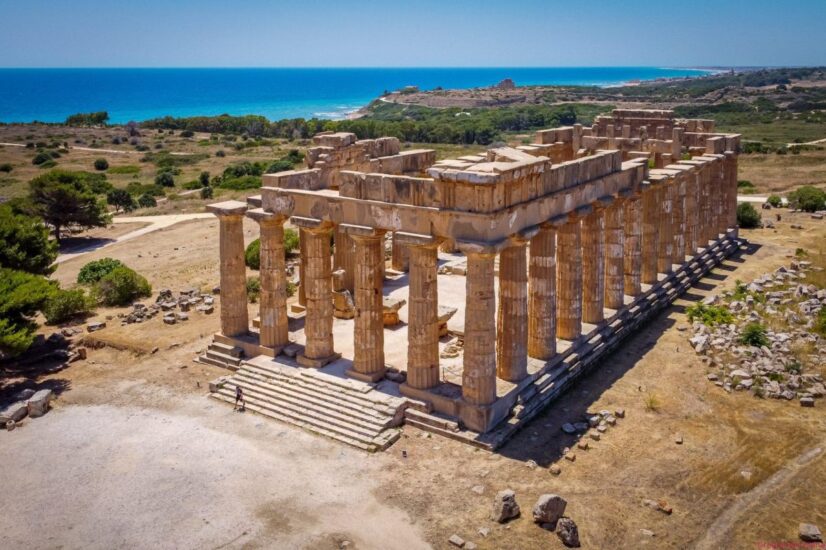
The eighteen finalist works were evaluated by a distinguished judging panel chaired by journalist, writer, and radio and television host Concita De Gregorio, and composed of leading figures from the Italian cultural landscape, including Franco Cardini, Neria de Giovanni, Eleonora Lombardo, Carlo Alberto Moretti, Christian Rocca, and Nadia Terranova. The awards ceremony, held on Saturday, July 25th, took place against the backdrop of the Temple of Hera in the Archaeological Park of Selinunte, one of the Mediterranean most evocative sites. The location was chosen as a symbolic setting for a dialogue between culture, history, and landscape, and one whose preservation Settesoli and Mandrarossa have continuously supported over the years. The evening concluded with “Madre. Una conversazione, nessuna colpa, centomila donne” - “Mother. A conversation, no guilt, one hundred thousand women”, an engaging literary dialogue between Concita De Gregorio and journalist and television author Melania Petriello.
“With the ceremony at the Archaeological Park of Selinunte - declared Giuseppe Bursi, president of Cantine Settesoli - the second edition of the Mandrarossa Literary Award comes to a close, confirming itself as a fundamental cultural landmark for our territory and for the entire national literary scene, thanks to the work of independent bookstores. Once again, the competing works succeeded in combining the power of words with the promotion of our identity and roots, and the award increasingly represents an ideal meeting point where each literary genre is paired with a Mandrarossa wine, reflecting its character and nuances. I would like to express my heartfelt gratitude to the jury for their outstanding selection work, to the authors who shared their talent, to Claudia Origoni, Gianni Caruso and the entire organization, and to the public, whose warmth and enthusiasm made this event so special. A special thanks goes to the Mandrarossa team, who worked behind the scenes to make all of this possible, bringing together a passion for culture and a love for our land and wines, which embody its essence and identity. Congratulations to this year winners: your stories will continue their journey alongside us. Proud to have celebrated great literature once again, we look forward to seeing everyone next year”.
Concita De Gregorio, chair of the jury, thanked “the organizers for the opportunity to experience this remarkable journey. Alongside an enlightened network of companies working the land, a resilient network of independent bookstores that serve as beacons and workshops of beauty in their communities, and a jury that worked with seriousness, commitment, and harmony. The winning book is a magical work, written by the extraordinary Valeria Parrella. The Little Girl is a novel about history and the future. Parrella’s Joan of Arc is unafraid to follow her vision. She pays the price, but she transforms places, people, and history. We need novels like Parrella in these challenging times for our country. In days when security-driven policies, fear, and hatred seem to cast new shadows, we need stories that inspire courage and hope”.
“I am a classicist - declared Valeria Parrella - and for this reason I am delighted to have won a Prize whose final ceremony took place at the Temple of Hera, a place which is also substance. It reminds me of the work I have been doing for months with the novel being honored here: allowing exemplary stories from the past to show us how to face the present and understand our emotions. Someone has walked these paths before us, and today it is wonderful to retrace them with confidence in the directions they lead us toward, and those from which we should turn away”. Claudia Origoni, founder and director of the Mandrarossa Prize, affirmed that “with the conviction and enthusiasm shared by the presidency and the jury, this year winning book is “The Little Girl” by Valeria Parrella. Although it deals with a ‘warrior’ theme, it speaks to us about peace and about how differently war is perceived through the eyes of a woman compared to those of a man. In recounting the epic story of Joan of Arc, it takes us back to adolescence, that age when everything seems possible if sustained by a lofty ideal and the determination of a young girl who decides where she wants to go and goes there. This has been an edition marked by high-quality books and by writers who are carving out their own paths in contemporary literature. I would therefore like to thank the booksellers, who are the true protagonists and custodians of an essential power that guarantees the integrity and editorial vision of a Prize that looks to the future while continuing to support independent realities, often the true cultural engines of our territories”.
The ceremony also announced the winners of the thematic categories, each inspired by one of Mandrarossa wine labels. The “Calamossa Prize” dedicated to debut works was awarded to Lorenza Sabatino for “Il miracolo”- “The Miracle” (Guanda). In the “Urra di Mare” category, reserved for environmental and landscape-related themes, Bruno Arpaia won with “Il mondo senza inverno” - “The World Without Winter” (Guanda). The “Cartagho” award for historical fiction went to Vanessa Ambrosecchio for “Le leonesse di Vergine Maria “ - “The Lionesses of Vergine Maria” (Mesogea). In the fantasy category, “Bertolino Soprano”, the winner was Mattia Corrente with “Il restauratore di mondi” - “The Restorer of Worlds” (Salani). Finally, the “Cavadiserpe Prize” awarded to the best crime novel, went to Marilù Oliva for “Via delle streghe” - “the Street of Witches” (Solferino).
Copyright © 2000/2026
Contatti: info@winenews.it
Seguici anche su Twitter: @WineNewsIt
Seguici anche su Facebook: @winenewsit
Questo articolo è tratto dall'archivio di WineNews - Tutti i diritti riservati - Copyright © 2000/2026