


Tuesday 15th of September 2026 - Last Update: 18:09





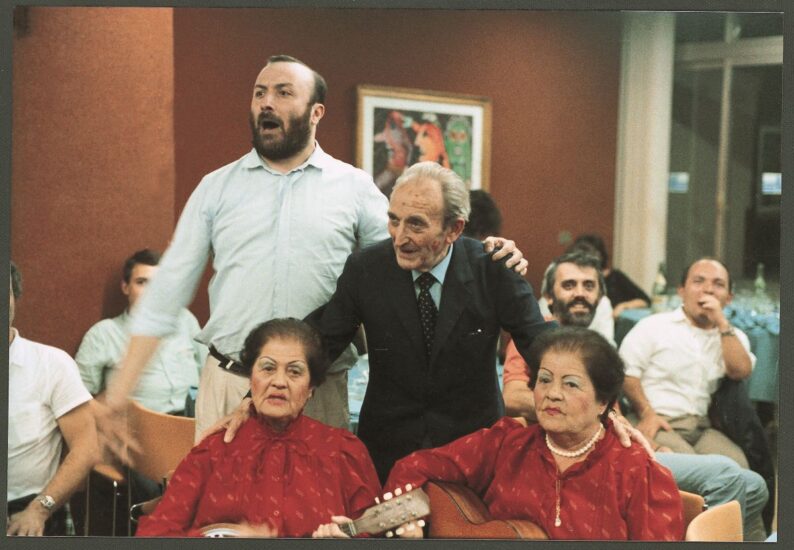
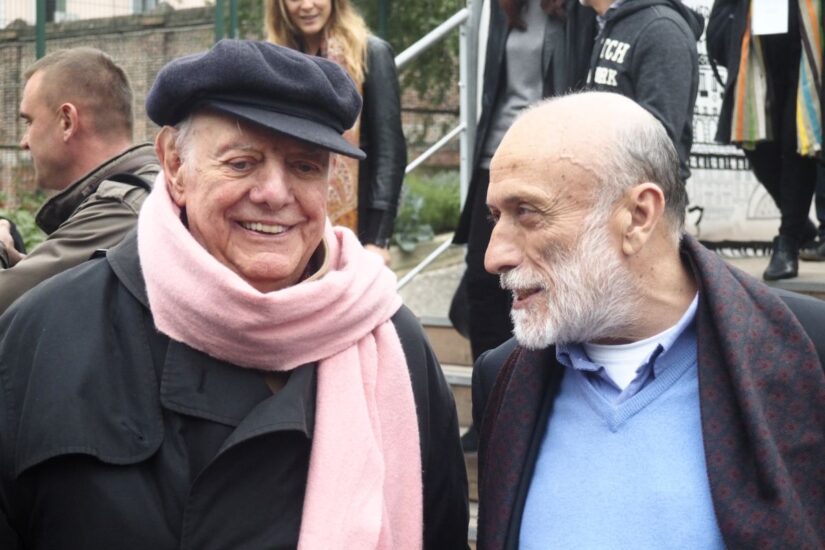
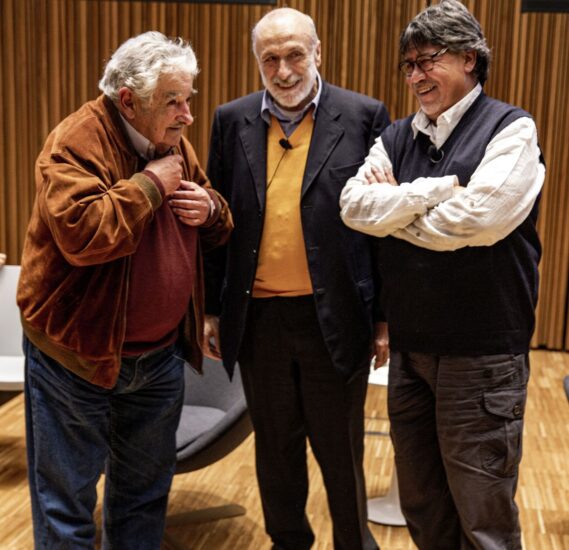
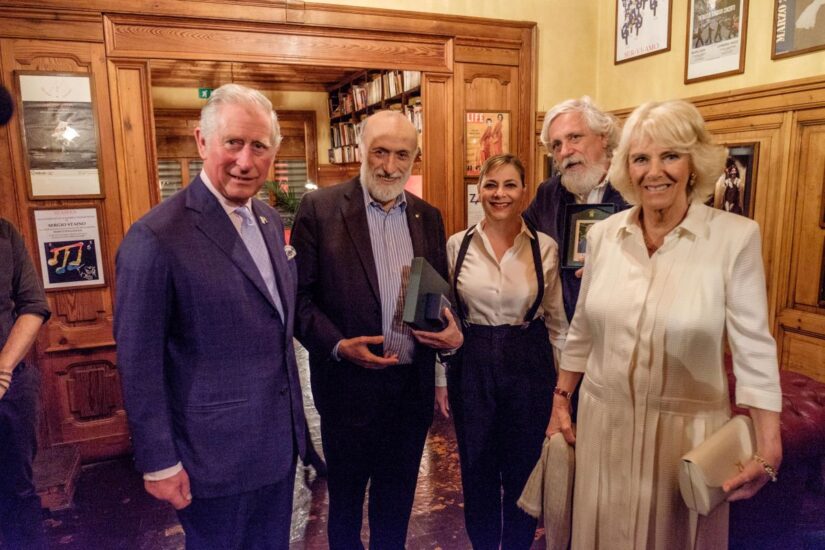
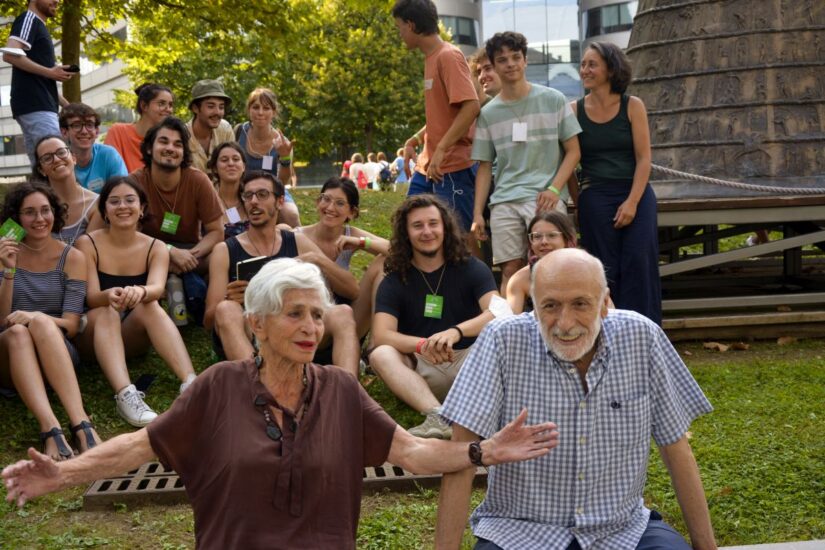
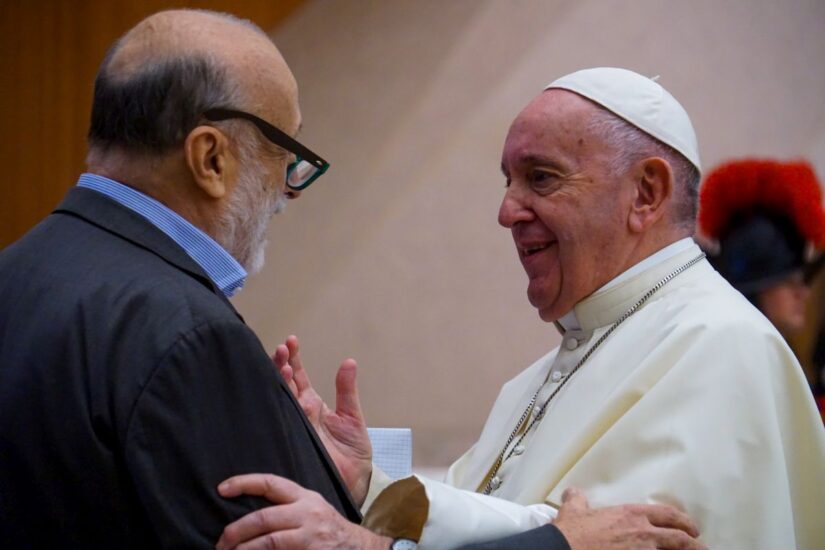
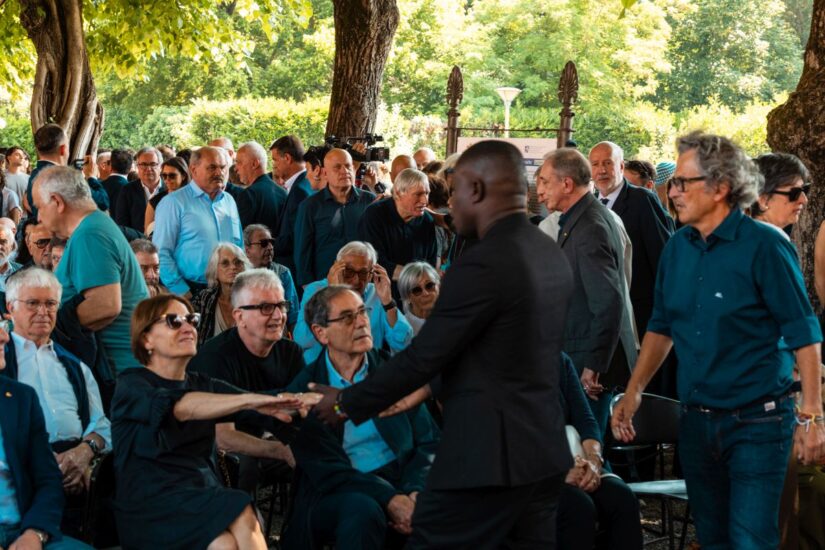
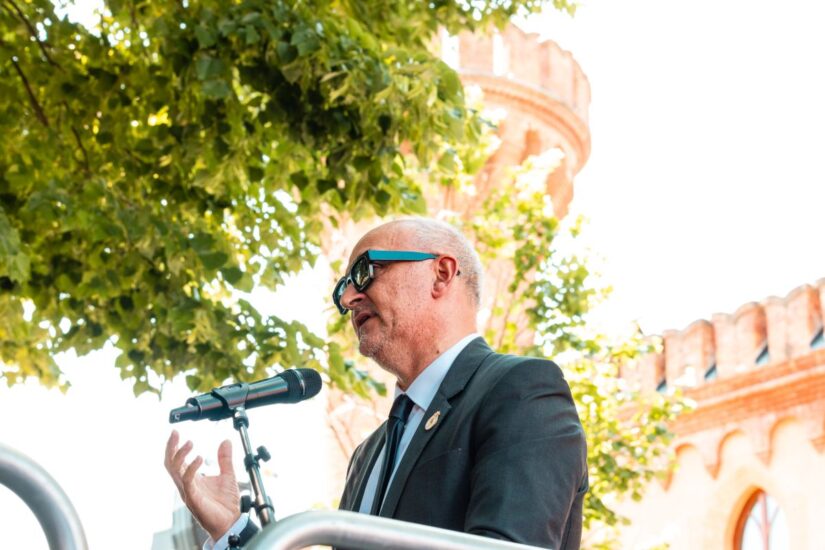
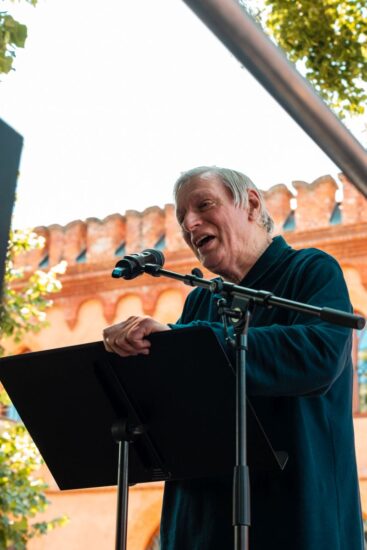
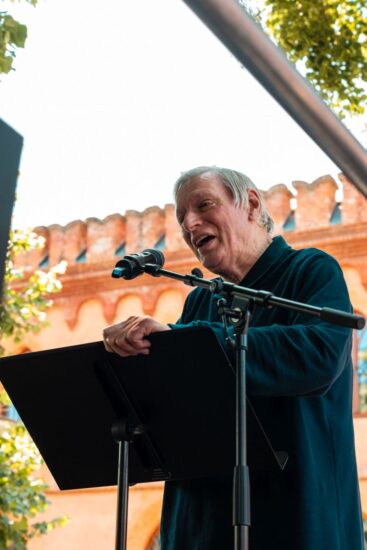
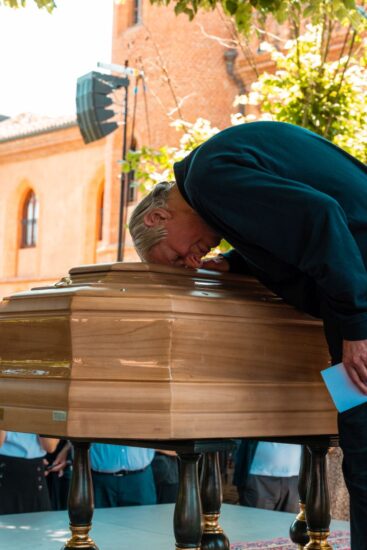
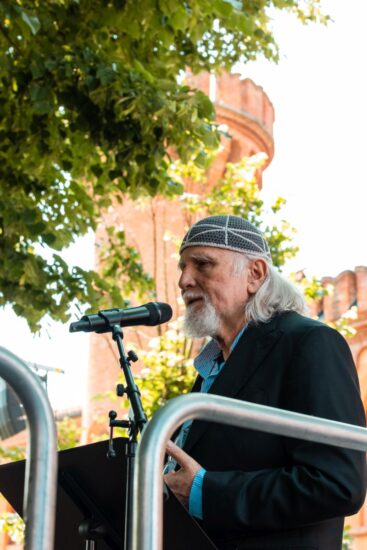
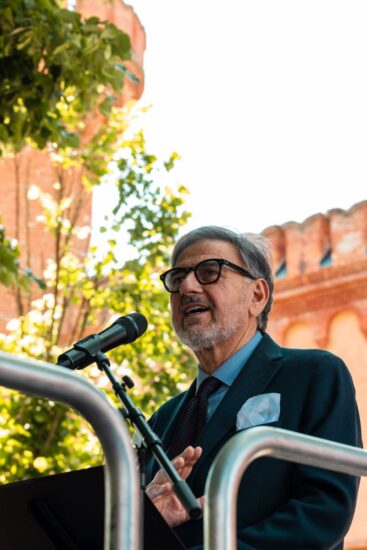
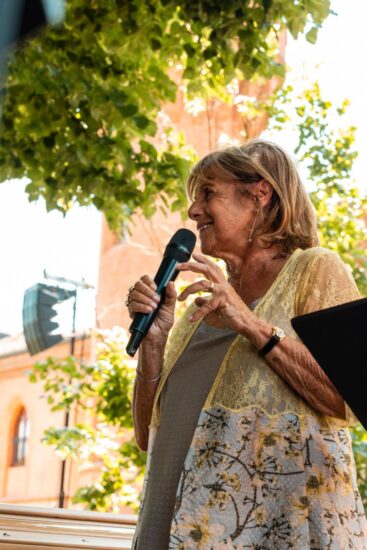
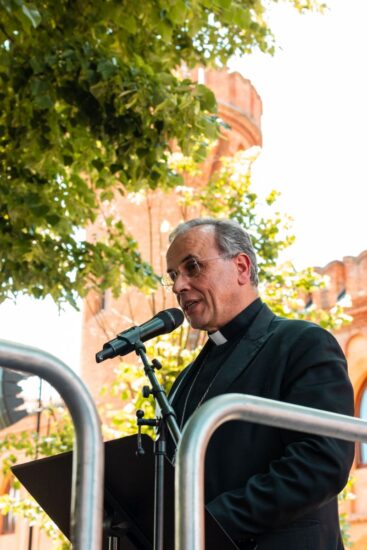
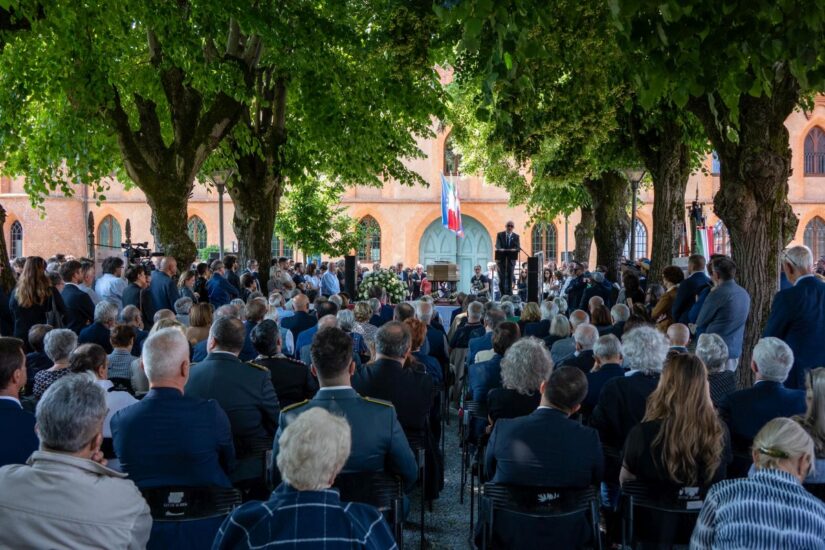
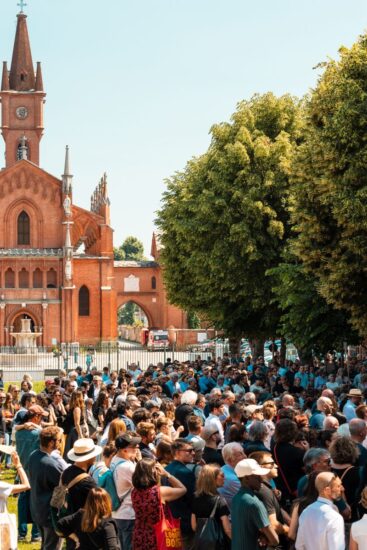
“We will carry forward his joy in believing in a revolutionary change and in a new humanity” (Slow Food); “let us not look for him in the ashes, let us look for him in life and in the people he loved” (Don Luigi Ciotti); “he will remain in memory like Nelson Mandela and Ernesto Che Guevara, great names who gave us hope and strength” (Moni Ovadia); “today, the global movement pays tribute to you: the planet loved you, and your legacy lives on” (Edward Mukiibi); “his achievements wouldn't be explained if one didn't take into due account that his true aspiration was not so much the appetite, but the land” (Monsignor Domenico Pompili). They arrived from all regions of Italy, from neighboring countries such as Switzerland and Germany, and even from Japan and Mexico: Slow Food members and leaders, activists, friends, students and alumni of the University of Gastronomic Sciences of Pollenzo, figures from culture and entertainment, political representatives, entrepreneurs, and journalists. Thousands of people came to Pollenzo, in Bra, in the heart of his beloved Langhe, for the final farewell to Carlo Petrini, founder of Slow Food and president of the University of Gastronomic Sciences of Pollenzo, of Terra Madre and the Laudato Si' Communities. In what, “like Magritte pipe”, as the Chiocciola emphasizes, was not a funeral, but a celebration of a man who defies every definition, every frame, every final judgment: a visionary from another time, yet without the pose of a visionary; a political man who couldn't stand the cages of politics; a deeply secular figure capable of grasping the religious meaning of the earth, of bread, of community, of friendship. A man of the world who remained a son of Bra. A devout agnostic, as Pope Francis called him, and perhaps no definition was ever more accurate and at the same time more paradoxical, as recalled in the eulogy.
Among the trees along the avenue leading to his University, and to the notes of “Cielito Lindo”, with his sister Chiara and his family, lifelong friends and those with whom he shared values and inspiration, many people from his world offered their eulogies: Nicola Perullo, rector of the University of Gastronomic Sciences, and Edward Mukiibi, president of Slow Food, who arrived in Bra 17 years ago as a student from Uganda. Then, the musician Moni Ovadia, the bishop of Verona Domenico Pompili, the actress and friend Lella Costa who came from London, president of Libera and Gruppo Abele Don Luigi Ciotti, Camilla Calabrese and Lucia Hendel, students of the University of Pollenzo, and old and new friends, Vincenzo Ercolino, Luca Martinotti, and Stefania Giubergia. And also Jacopo Fo, son of Dario Fo; Massimo Montanari, one of the leading historians of food and among the founders of the University of Pollenzo together with Petrini and Alberto Capatti (of whom we collected the memory); from the mayor of Turin Stefano Lo Russo to president of the Piedmont Region Alberto Cirio; from Oscar Farinetti, founder of Eataly, also present at the lying in state with Giuseppe Lavazza (with video-recalling, gently offered from Slow Food to WineNews), to the Minister of Agriculture Francesco Lollobrigida (after the messages of the last days which arrived from Italy and the world, and also our memory).
At the same time, hundreds of thousands of people celebrated him in their countries, in their communities, gathering around his final wish: “move forward, stay united”, as in Latin America or in Côte d'Ivoire. Sunday is Market of the Earth day throughout Italy, and many remembered Carlo Petrini with different initiatives, such as a minute of silence in Frascati and other towns, while the Mercatale del Valdarno, the first initiative that inspired the project, closed its stalls to go to Bra together by bus to say goodbye.
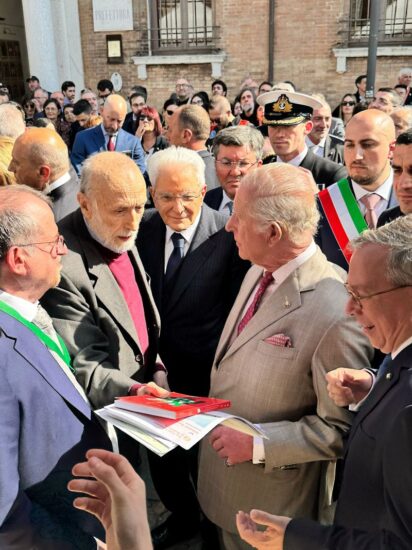
“In the end, this is not a funeral. It is something more complex, more alive - explained Nicola Perullo, rector of the University of Gastronomic Sciences of Pollenzo - a great collective resonance around what Carlo has left us. Now, it is the time to feel united in his spirit. The sentence chosen for today says: “those who seeds utopia collects reality”. And it is perfect. Because Carlo was above all a sower. Many remember him as a great gastronome, an innovator of food, agriculture, and production. But those who truly knew him know that Carlo couldn't be confined to any label. His strength was his breadth. He could speak to everyone: from farmer to pope, from fisherman to king. And this ability came from the rare union of two qualities: charisma and generosity. Charisma was a natural gift. Generosity, however, was a continuous choice: the ability to listen, to welcome ideas, experiences, people. Carlo was a great leader, but also someone who knew how to learn from anyone, rework everything, and give it back to the world in a new way. I can almost still hear his voice, his gestures, his unique way of encouraging us: ‘Full speed ahead. Stay the course and put your heart beyond the obstacle”.
“Dear Mother Earth, thank you for giving us your son Carlo - said Edward Mukiibi - dear Carlo, thank you for entering our lives. Your Mother Earth and the entire Slow Food movement are deeply grateful to you for your work. Our hearts are filled with pain on one hand, but overflow with gratitude for all the seeds you have planted on the earth: seeds of humanity, humility, empathy, love, compassion, and intelligence of the heart. You taught us to believe in ourselves and in our power to change the world through food. You loved Africa, you gave life to one of the most inspiring projects, the Slow Food Gardens in Africa. You offered us Africans the opportunity to study gastronomy and to rediscover the richness of our food culture. Africa loves you, is grateful to you, and will carry you forever in its heart. You loved the planet, you fought for years to defend biodiversity, you touched the lives of millions of people around the world. Today the global movement pays tribute to you: the planet loved you, and your legacy lives on”.
“We, the students of Pollenzo, stronger and more united than ever, will continue moving forward - underlined Camilla Calabrese (Italy) and Lucia Hendel (Argentina), who talked on behalf of the large community of students and alumni of the University of Gastronomic Sciences spread across more than 100 countries - we will bring together all our energy to expand this movement into every corner of the world. We will do so convinced that it is possible to have a world where food is good, clean, and fair for everyone; where drinking water is a right and food sovereignty a reality; where indigenous knowledge, farmers, breeders, fishers, and artisans are protected from cultural flattening. We want to move forward celebrating human, cultural, and environmental diversity, and protecting the planet from the agrochemical industry, to deliver a sustainable future to those who come after us and to all living beings. And even if all this may seem like a utopia, we know that with conviction, love, joy, and companions with whom to walk, our struggle will become reality. Carlo was in love with life: with people, with food, with dancing, with the Langhe, and with struggles alongside his friends. He used to tell us: ‘you don't change the world out of fear. This must be a joyful struggle!' And by following his example, we believe that doing things with love is the most revolutionary act of our time. All of us, fortunate to have experienced the university with Carlin, have the duty to pass this on to the next generations. We will continue to create spaces for sharing and to fight so that food is good, clean, and fair for everyone, everywhere”.
“With Carlin we experienced firsthand an invitation to lift our gaze, like a small daily exercise in humanity - said Don Luigi Ciotti, president of Libera and Gruppo Abele - a humanity we need now more than ever because in our country, and not only here, there is a great hemorrhage of humanity. He accepted neither half-truths nor excessive caution. Carlin always had a human gaze for those who needed a welcoming one. He synthesized a vision of integral ecology as a framework of life and meaning, necessary for everyone, without exception: the joy of believing in a revolutionary change and in a new humanity. He was great in promoting the sacredness of food; he always defended the sacredness of life, its freedom and dignity, against all abuses. When we see things that are not right, we cannot remain silent: he taught us that there are moments when silence becomes guilt, and speaking becomes a moral obligation, a civic responsibility, an ethical imperative”.
“I imagine the roar of the celebrations, the dazzling rhetoric. Everyone will want to speak of their own Carlo Petrini: the founder, the prophet of good, clean, and fair food, the man of Slow Food, Terra Madre, Pollenzo, the companion of Pope Francis, the defender of biodiversity, the singer of slowness, the universal Piedmontese. All true, of course. But also all insufficient - said his friend Vincenzo Ercolino, retracing 40 years of adventures, projects, and visions (as many as, in 2026, are celebrated by Slow Food, founded by Petrini, in Bra, and, today, the most important world movement dedicated to good, clean and fair food in 160 countries) - the truth is that Carlin never sought only food. He sought humanity. He sought it among farmers, cooks, winemakers, cheesemakers, innkeepers, students, the elderly, the young, distant peoples, remote communities, at humble tables, in markets, in conferences, in taverns, in endless journeys, in discussions that seemed never to end. He sought it without superstructures, without the obligation to always give a complete explanation to what he intuited. Because often Carlin saw before he understood. He felt before he ordered thought. He sensed the future as one smells a wine, a cheese, a changing season. And perhaps therein lay his greatness: in never reducing life to a system”.
“I met Carlo in the days of the Amatrice earthquake - recalled Monsignor Domenico Pompili, Bishop of Verona - the last time we met was on March 21st, here in Pollenzo, with the Laudato Si' communities we founded together. What always struck me about Carlin was his elegance and measure: he did not have too high an opinion of himself, nor did he take himself too seriously; he could stand in a packed auditorium and a moment later be with three friends without changing posture or losing his naturalness. Carlin lived within clear ideal inspirations, but he cannot be traced back to a party: he was a happy anarchist. Biodiversity was the battle of his life, cultural even before food-related. He was a free man, endowed with a peasant wisdom, sturdy shoes and a sharp mind - and capable of savoring life: in him, flavor miraculously turned into knowledge. Carlin never played the mournful guardian of a lost past: what saved him from becoming a stern custodian of nature, a pedantic environmentalist predicting the end of the world at every turn, was the logic that drove him, one not of duty but of pleasure. His successes would not be explained if one did not recognize that his true aspiration was not so much the appetite, but the land”.
“What I will miss most about Carlo - explained the actress and friend Lella Costa - is his gaze, which was sharp but above all welcoming, that didn't discriminate, that didn't judge. Carlo didn't judge; he might get very angry, but he didn't judge. This made him a wonderful companion in life, on the road, and on every journey. Carlo was also capable of doing the most serious, difficult, complicated things and then dismantling everything for the sake of a joke, to lighten the mood”.
“In these last long, very long weeks, hearing your sister Chiara call you “Carlin” while lovingly caring for you conveyed a sense of tenderness and extreme purity - recalled Luca Martinotti, alumnus of the University of Pollenzo and collaborator of Carlo Petrini, on behalf of all colleagues of Slow Food and the University - in these last days, however, I came to know the most intimate dimension of that nickname: an affectionate diminutive you carried with you since birth. Carlin, you were an eternal dreamer. You pursued until the very end an island which perhaps doesn't exist, but is worth seeking. You showed it to us, instilling in anyone who met you the desire to keep believing in a better world: better, cleaner, and fairer. But you did even more. You traced a path and took millions of people by the hand to convince us that from the humblest things, from simplicity and with lightness, it is possible to build reality out of dreams. You taught us always to resist for what is deeply right, and until the very end you resisted in a world that is still not entirely ready for your revolution. You did so with wisdom and dignity, always preferring, to artificial intelligence, affective intelligence. And that is what we must do as well. You changed the lives of many people, often in their moment of greatest need. You were a beacon to follow, one that does not just illuminate a few steps ahead, but points to the farthest place we can strive to reach”.
In memory of Carlo Petrini, a fundraising initiative has been established for two symbolic projects of his legacy: the Gardens in Africa and scholarships for students of the University of Gastronomic Sciences of Pollenzo.
Copyright © 2000/2026
Contatti: info@winenews.it
Seguici anche su Twitter: @WineNewsIt
Seguici anche su Facebook: @winenewsit
Questo articolo è tratto dall'archivio di WineNews - Tutti i diritti riservati - Copyright © 2000/2026