


Saturday 12th of September 2026 - Last Update: 11:47







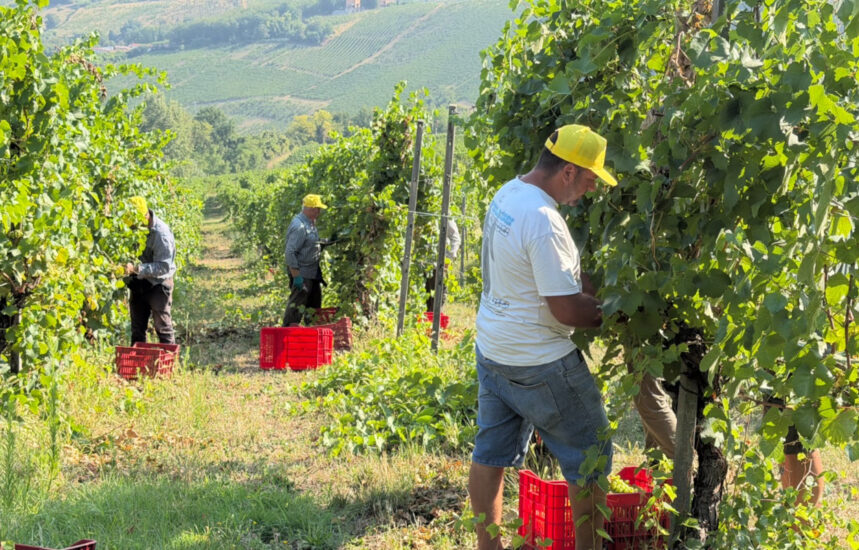
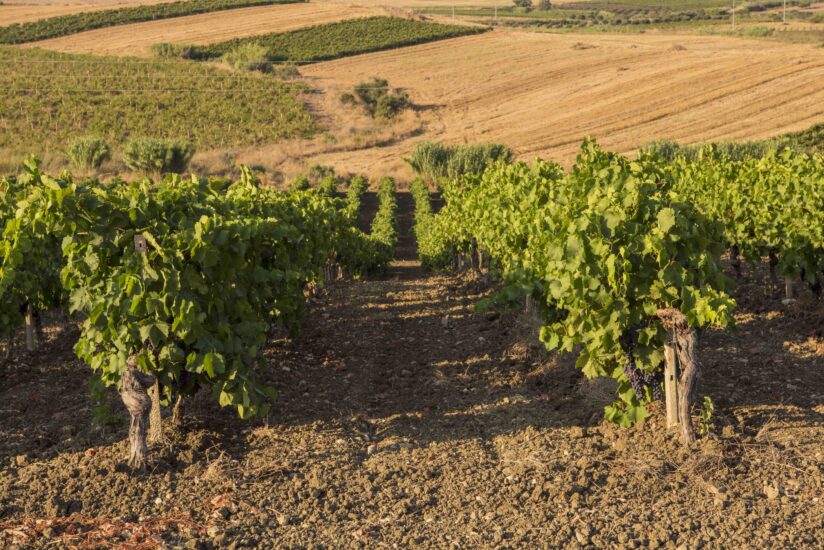
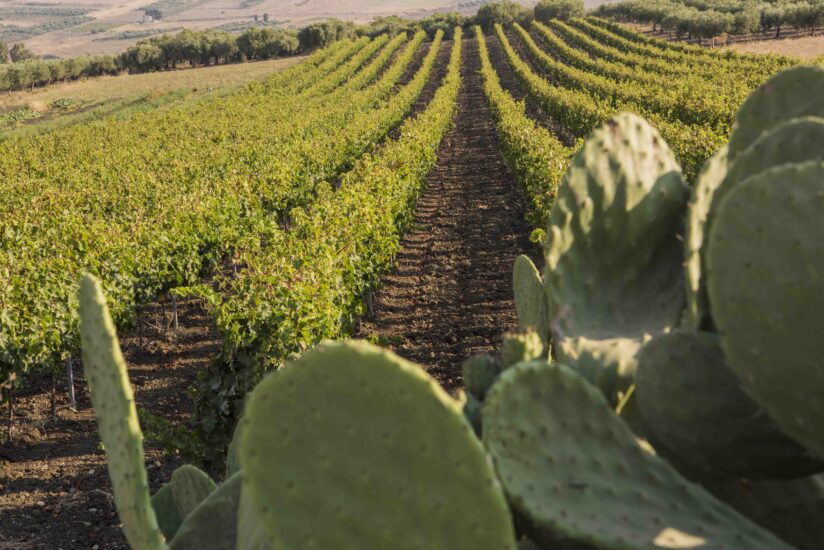
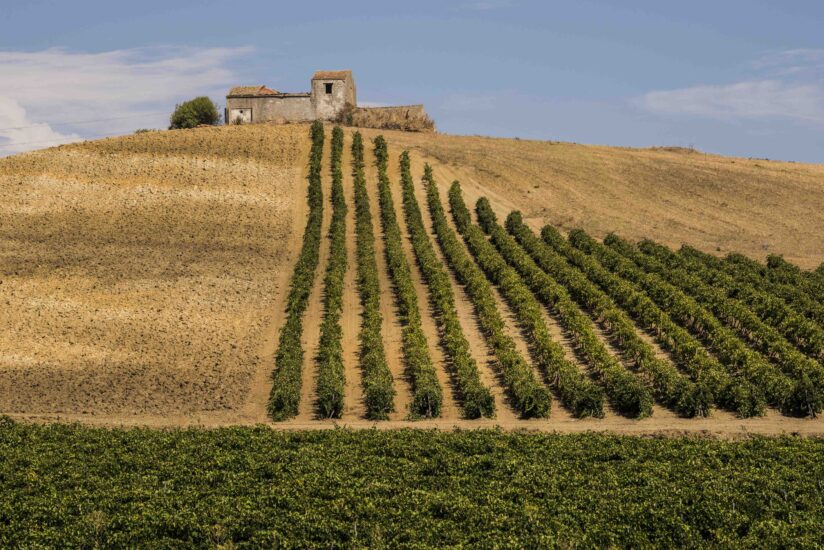
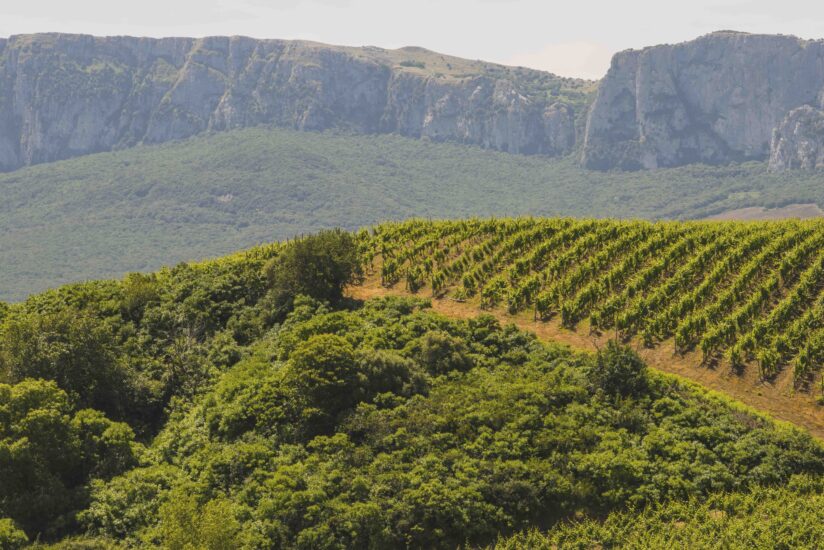
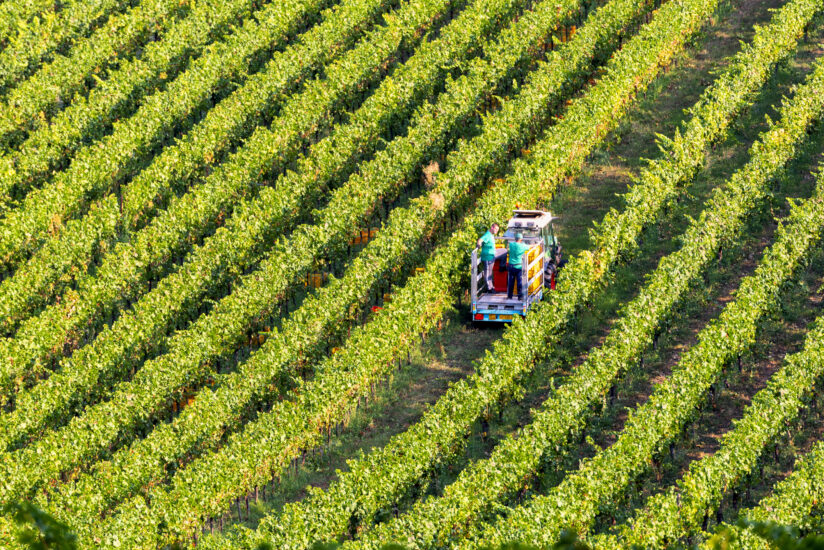
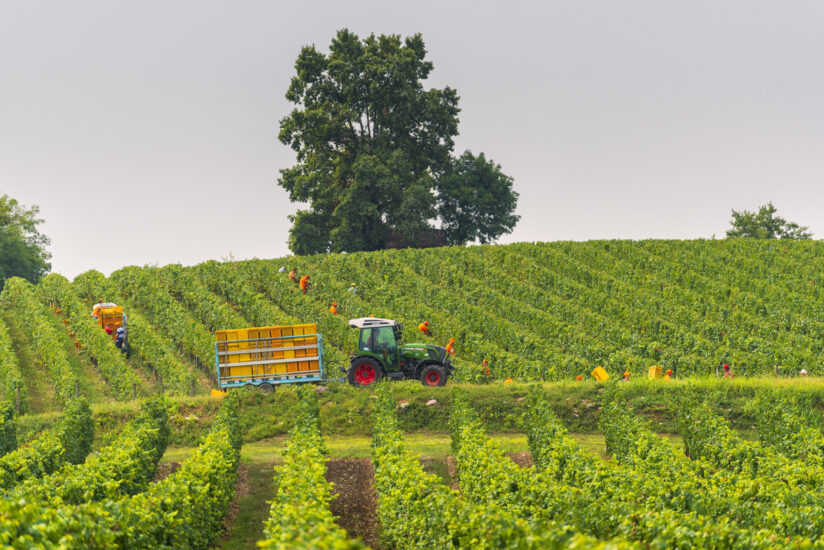
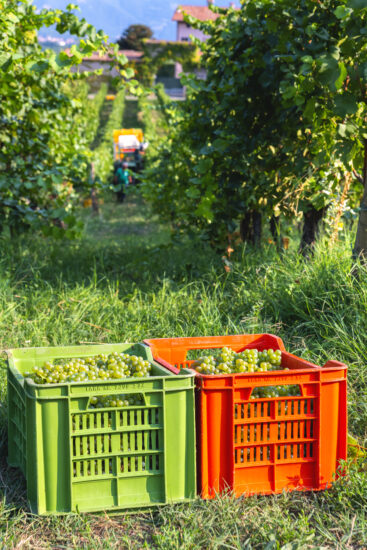
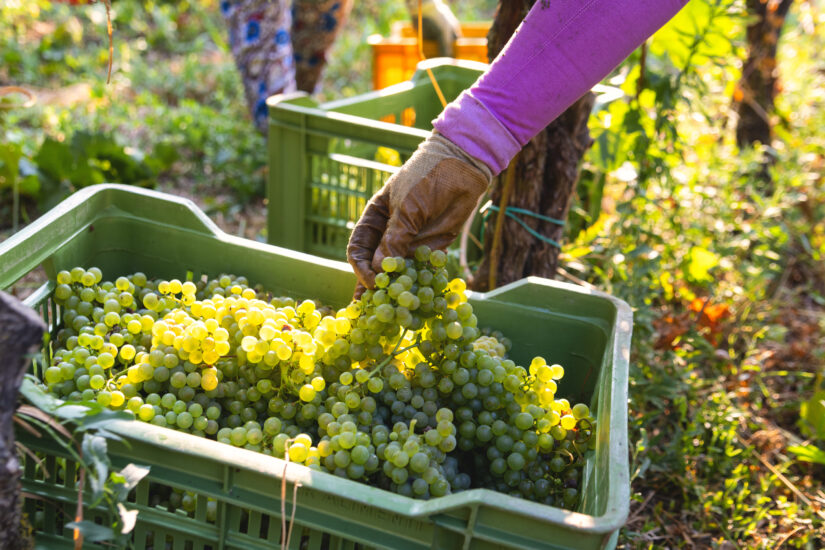
The 2026 harvest - the first in many years for which “official” figures may only be released once the harvest is completed, rather than through production estimates made during the season, with industry organizations reportedly inclined, according to WineNews rumors, not to publish figures which could prove inaccurate (due to both weather conditions and the methods used to collect the data) and create further market uncertainty, as written here, has already begun, with a few clusters harvested in recent days in Sicily (as reported by Cantine Settesoli and Cantine Ermes) and in the Oltrepò Pavese area (Conte Vistarino), and is now gradually getting underway in earnest. And, if, in the coming days, likely over the weekend, Franciacorta, one of Italy premier Metodo Classico sparkling wine districts, is also expected to see wineries begin harvesting operations, it is from Oltrepò Pavese that Coldiretti, talking from the vineyards of the winery “Defilippi I Gessi” in Oliva Gessi, has highlighted that “the grape harvest in Italy has started ten days earlier than usual due to the extreme heat, which has accelerated grape ripening, while drought remains a major uncertainty for yields”. As is it customary, harvesting in Oltrepò is beginning with the earliest-ripening white grape varieties destined for sparkling wine production. However, the organization headed by Ettore Prandini also notes that “never before has it been so difficult to make quantitative forecasts for a harvest that will effectively be spread over a period of almost five months and which represents a real wine challenge for wineries, particularly considering the high sugar concentrations that record temperatures and drought are currently producing in the grapes. At present, however, the risk of downy mildew appears to have been averted, and quality is expected to be excellent across virtually all regions”.
In any case, the start of harvesting in Oltrepò Pavese where operations traditionally began during the first ten days of August, underscores, according to Coldiretti - the reality of climate change as a structural factor that winegrowers must now take into account in their business strategies. In Tuscany, Sangiovese grapes could begin to be harvested as early as mid-August, an extremely unusual date for red wines, whose harvest traditionally falls between September, October, and November. Alongside heat and drought, however, the 2026 harvest is also facing uncertainty from adverse weather, with hailstorms already causing serious damage to vineyards in scattered areas from Northern to Central Italy.
“These factors come at a time which is already complex for the sector, burdened by bureaucracy, rising production costs linked to geopolitical tensions, and trade wars, not to mention changing consumer habits. For this reason, Coldiretti is once again stressing the need for deregulation, the importance of consolidating existing markets while opening up new ones, and the necessity of continuing to invest in a recovery and growth plan that also takes into account the need to communicate the story of wine more effectively to younger generations, thereby strengthening the competitiveness of a sector facing a delicate phase”. According to a Coldiretti analysis, bureaucracy costs producers 1.6 billion euros per year, while wine stocks in cellars have increased by 6.7% in volume compared to the previous year.
This situation is compounded by the uncontrolled rise in costs linked to geopolitical tensions. The conflict in Iran has resulted in additional costs of 250 euros per hectare for wine-producing businesses, according to the Divulga Study Center, due to higher prices for energy, fertilizers, and materials. Meanwhile, export values fell by 7% during the first four months of 2026, with a decline of as much as 15% in the U.S. market, affected by Trump-era tariffs. Another critical issue is the difficulty of finding skilled labor for harvest operations.
Despite progress made thanks in part to Coldiretti efforts regarding labor inflows and protections introduced to address extreme temperatures, many wineries still report a shortage of qualified workers. Nevertheless, wine remains one of the pillars of Italy agri-food economy - revalls Coldiretti - supported by its resilience and the daily commitment of the country 241,000 active wine-growing enterprises. The sector generates a turnover of around 14 billion euros, covers 681,000 hectares of vineyards, and has a strong focus on quality, with 78% of vineyard area dedicated to Geographical Indications. This leadership is complemented by a unique biodiversity, with hundreds of indigenous grape varieties.
Copyright © 2000/2026
Contatti: info@winenews.it
Seguici anche su Twitter: @WineNewsIt
Seguici anche su Facebook: @winenewsit
Questo articolo è tratto dall'archivio di WineNews - Tutti i diritti riservati - Copyright © 2000/2026