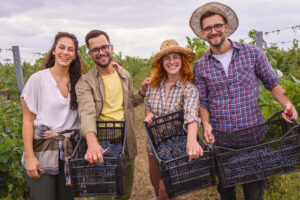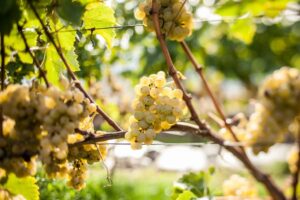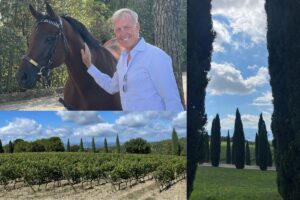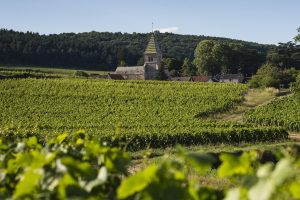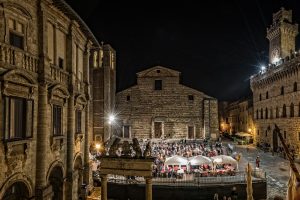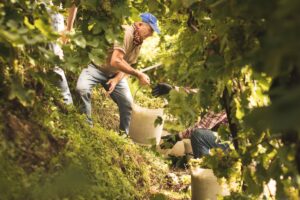








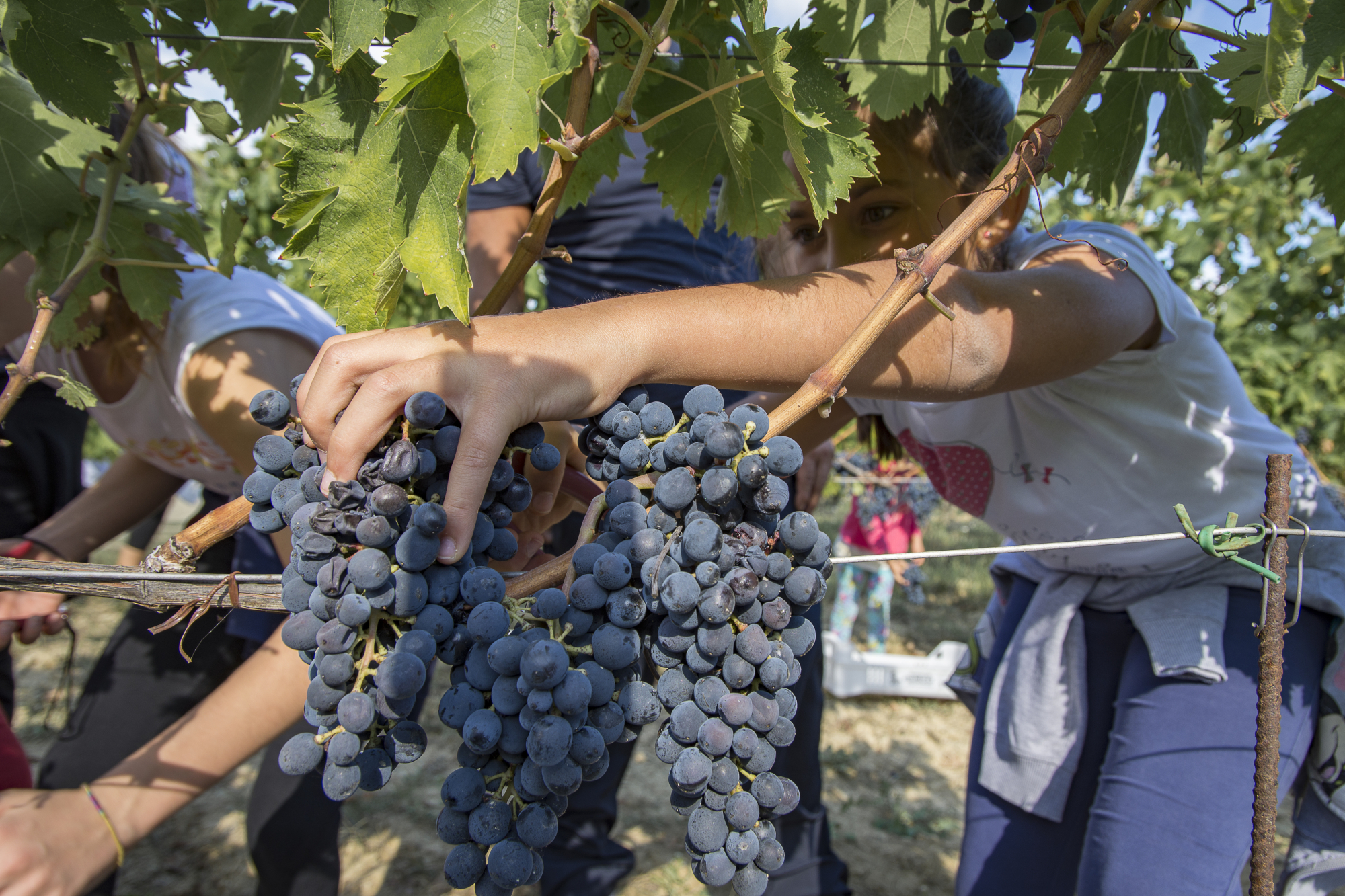
The grape harvest is the time when Italy’s wine world shifts gears, and when vineyards, wineries, and regions come to life through one of the most important moments of the wine-growing year. And this is where “Cantine Aperte in Vendemmia” begins today, August 24th, an event organized by the Movimento Turismo del Vino (Wine Tourism Movement) that, through October 25th, brings wine lovers, families, young people, and Italian and international tourists into the heart of the grape harvest, accompanying them on a journey across Italy. Two months of transition from the earliest harvests, intended for white and sparkling wines, to the latest ones; from the vineyard to the winery; from crushing to fermentation; and from the aromas of the must to the first tastings of a wine taking shape.
This year, “Cantine Aperte in Vendemmia” kicks off a week earlier than in previous editions. With summers getting hotter and hotter, the overall harvest schedule has, in fact, changed, with the harvest gradually moving up in many regions and for a growing number of grape varieties. The Wine Tourism Movement has therefore chosen to adapt to this trend, allowing visitors to tour the wineries while the harvest is actually underway and then accompanying them through its subsequent stages. Because the harvest doesn’t end with the last bunch picked from the vine. Its charm continues once the grapes enter the winery: the aroma of the must, the crushing, the start of fermentation, the winemaker’s work, and tastings at various stages of winemaking allow visitors to witness the transformation of the grapes and truly understand how wine is made.
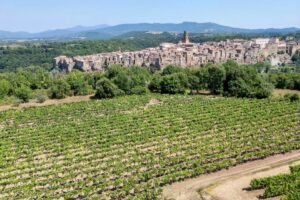
It is this continuity between the vineyard and the winery that makes the next two months virtually impossible to replicate during the rest of the year. All you have to do is choose where to go and which wine to discover: from the first grapes harvested for whites and sparkling wines in the northernmost regions to the later harvests in the South and the Vulture region, each week offers different landscapes, grape varieties, traditions, and flavors, accompanied by a culinary diversity that is one of the defining features of Italy’s wine culture.
And it is precisely this diversity that is one of the great values of the wine tourism model promoted by the Movimento Turismo del Vino, which finds one of its most concrete expressions in “Cantine Aperte in Vendemmia”. Research conducted by Ceseo, the Center for Wine and Olive Oil Tourism Studies at Lumsa University, has revealed a veritable mosaic of styles and approaches, in which each geographic area interprets wine tourism according to its own characteristics. Territories, farm sizes, landscapes, products, traditions, cuisine, and types of wineries, as well as different customs and mindsets, give rise to diverse models of hospitality. This diversity represents at once a source of richness, an organizational challenge, and a major opportunity for Italian wineries to compete on the international market, all held together by a common thread of quality that defines the stylistic hallmark of the Movimento Turismo del Vino. The research highlights several significant regional trends. In Southern Italy, wine tourism has a particular focus on events and entertainment, with tastings paired with local specialties and a strong emphasis on digital presence, which involves 55% of wineries. In Central Italy, wine is primarily linked to the landscape: vineyard picnics, outdoor experiences, and premium offerings characterize a market in which Tuscany and Umbria account for 85% of the high-end experiences identified by the research. In the North, however, there is a notable flexibility in hospitality: in the Northwest, 56% of wineries are also open on Sundays, ensuring greater consistency in visitation opportunities.
These are, of course, trends rather than rigid boundaries. And it is precisely “Cantine Aperte in Vendemmia” that demonstrates this, with similar activities taking place throughout the entire peninsula but taking on a different identity depending on the region where they are held. Educational grape harvests, for example, are offered from Piedmont to Friuli, from Veneto to Umbria, and from Lazio to Tuscany. What does change, however, are the stories, the products, the traditions, and the way visitors are welcomed. In the Asti region, the experience can begin with a guided tour of the vineyard and continue with grape harvesting, the delivery of the grapes, and the traditional foot-crushing of the grapes. Then comes the snack, and it’s instantly Piedmont: cured meats, peppers with bagna cauda, cheeses paired with jams, apples, and amaretti from Mombaruzzo. In the afternoon, the tour continues at the winery, with tastings and folk music. But in Tuscany, too, wine is celebrated at the table, with picnics and snacks featuring locally sourced ingredients: Tuscan prosciutto, homemade grape-stuffed flatbread, bruschetta with Tuscan IGP extra virgin olive oil, and grape juice for the little ones. In Campania, the grape harvest provides an opportunity to stroll among the vineyards, explore the region, and pair the story of wine with local specialties. More generally, in various regions of Southern Italy, the focus is on conviviality and celebration, with music, entertainment, and large, festive meals, while in areas where wine tourism has been established for longer, more intimate and exclusive experiences are also emerging: dinners among the vines, tastings of great vintages or previews of new wines, and meetings with the winemaker or the producer themselves.
The decision to hold “Cantine Aperte in Vendemmia” over two months makes it possible to reach an audience that is strategic for the future of Italian wine tourism: the international audience. September and October are particularly important months for the number of foreign visitors to Italy, precisely when wineries can offer an experience that is difficult to replicate at any other time of year: witnessing the birth of wine firsthand. “Cantine Aperte in Vendemmia” perhaps illustrates better than any other event “just how extraordinarily diverse Italy’s wine scene is”, emphasizes Violante Gardini Cinelli Colombini, president of the Movimento Turismo del Vino. “It is precisely this diversity that is one of our greatest assets. But there is also a significant international opportunity: according to Ceseo, foreign visitors account for between 35% and 40% of visitors to our wineries, with a stronger presence in Central Italy and lower percentages in some areas of the North, around 15%. However, we’re talking about just 7–8 million people compared to the approximately 104 million international tourists who choose Italy each year. The potential for growth is, therefore, enormous, especially in September and October, and considering that these very visitors are among those most interested in purchasing high-quality wines. The diversity of our regions, united by a common thread of quality, can become one of the strongest competitive advantages for Italian wine tourism in international markets”. This potential remains enormous, and is all the more significant given that international visitors, in addition to being more inclined to purchase high-end wines, can become true ambassadors for Italian wine regions, wineries, and territories once they return to their home countries.
And if the goal is to expand the wine tourism audience, families and children also play an important role, as they are among the key themes of the 2026 edition. According to Ceseo 2025 data, 38% of the wineries in the sample organize educational experiences, including activities for children, equipped play areas, and visits to educational farms. In Tuscany, for example, some wineries turn the grape harvest into a true experience for the whole family: visitors walk among the rows of vines, pick the grapes, stomp them with their feet, collect the juice, bottle it in small bottles, and design their own label. In some cases, children even receive a “Winemaker for a Day” certificate, a memory of a day spent in touch with nature and the traditions of the countryside.
But in addition to the educational grape harvest, there will be picnics among the vine rows, games, winemaker’s snacks, walks and hikes, tastings, meetings with producers, harvest celebrations, music, and lunches and dinners in the vineyard. A variety of activities united by the desire to transform a visit to the winery into a memorable experience, in which wine, landscape, gastronomy, and local culture become part of the same story.
Over the coming months, “Cantine Aperte in Vendemmia” invites the public to explore the vineyards and wineries of the Movimento Turismo del Vino at the very moment when wine truly comes to life: two months to discover that, from north to south, there are as many different ways to experience the harvest as there are wine regions in Italy.
Copyright © 2000/2026
Contatti: info@winenews.it
Seguici anche su Twitter: @WineNewsIt
Seguici anche su Facebook: @winenewsit
Questo articolo è tratto dall'archivio di WineNews - Tutti i diritti riservati - Copyright © 2000/2026