


Sunday 25th of October 2026 - Last Update: 13:05







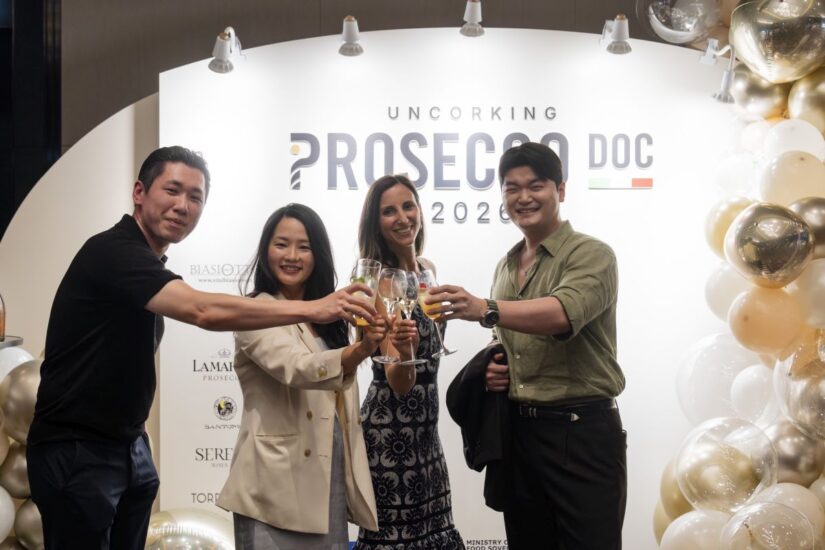
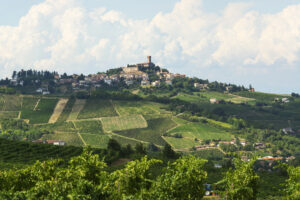
The undisputed star of the “Prosecco galaxy” and the driving force behind Italy’s wine exports, Prosecco Doc - whose Consortium encompasses 28,100 hectares of vineyards, 12,322 winegrowers, 1,110 wineries, and 350 sparkling wine producers, spread across 5 provinces in the Veneto Region (Treviso, Belluno, Padua, Venice, and Vicenza) and 4 provinces of the Friuli-Venezia Giulia region (Gorizia, Pordenone, Trieste, and Udine) - is one of the symbols of Italian winemaking and among the most renowned abroad. This is also true in the East, and particularly in South Korea, a market that, in 2025, accounted for 49.3 million euros in Italian wine exports, according to Istat data analyzed by WineNews. And right in the capital, Seoul, Prosecco DOC has engaged with the city’s vibrant gastronomic scene through “Uncorking Prosecco DOC” 2026, a project promoted by the Prosecco DOC Consortium to present the Korean public with a vision of Italy rooted in hospitality, conviviality, and the art of good living.
In Korea, these values resonate particularly well with a dynamic and sophisticated market that is increasingly oriented toward premium lifestyle experiences, yet at the same time deeply attentive to moments of social interaction, sharing, and the pleasure of discovering new expressions of taste and culture. Moreover, the South Korean market’s interest in Prosecco DOC continues to grow. The president of the Prosecco DOC Consortium, Giancarlo Guidolin, stated that “South Korea continues to be a dynamic and potentially strategic market for our appellation, as evidenced by the 9.8% increase in sales recorded between January and April 2026”. With the “Uncorking Prosecco DOC” 2026 campaign, we aim to consolidate this position of excellence and further expand our commercial and distribution opportunities. Through collaborations with over 35 restaurants, educational masterclasses for industry professionals, and prestigious partnerships with figures from the worlds of fashion and culture, Prosecco DOC presents itself not only as a sparkling wine of exceptional quality but also as the true ambassador of the modern Italian lifestyle in Korea”.
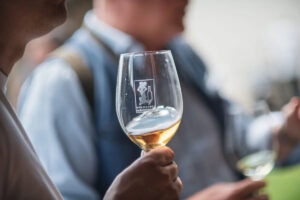
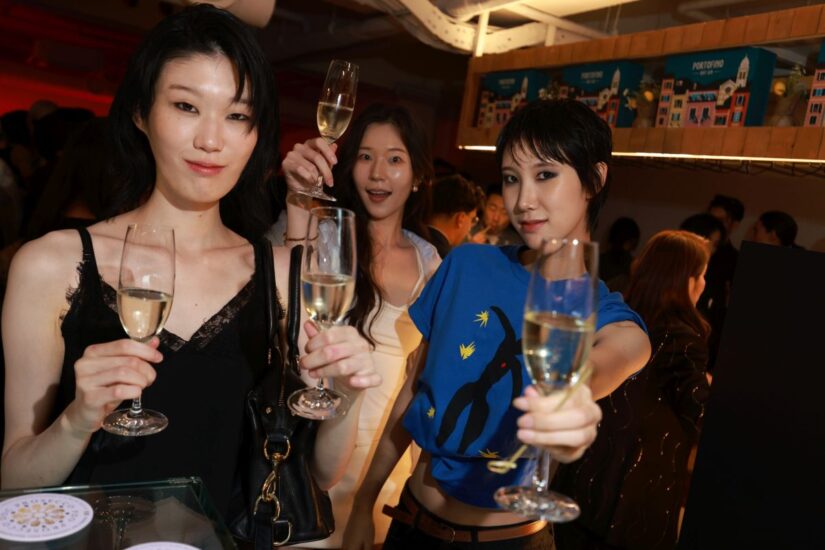
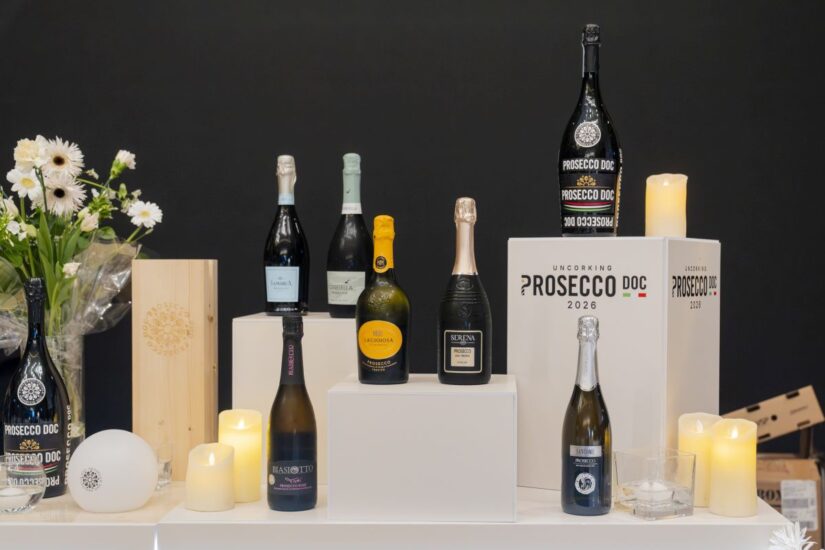
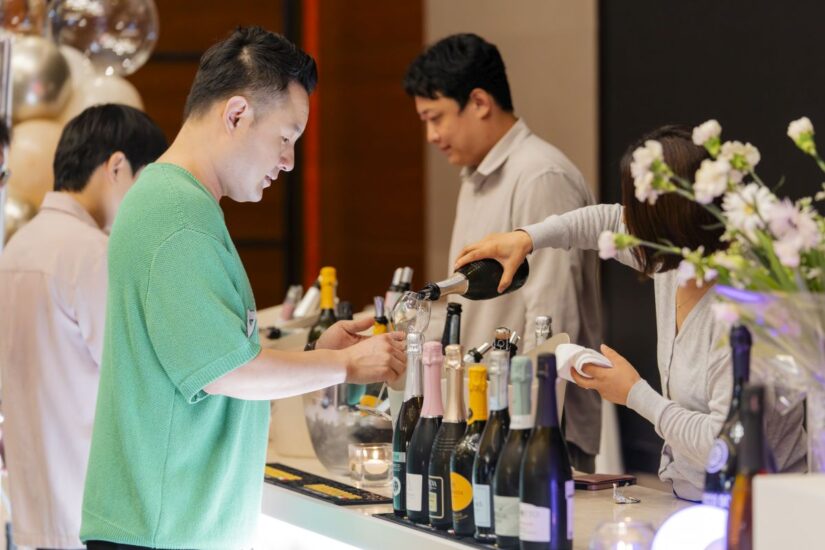
Through the “Uncorking Prosecco Doc” campaign, Prosecco Doc reaffirms its role as a true cultural ambassador for Italy around the world: accessible yet elegant, contemporary yet deeply rooted in tradition, it consistently and passionately showcases its territory, blending taste, style, and identity into an experience that is recognized and appreciated globally. The project kicked off on August 31 with an inaugural event at the Conrad Seoul Hotel, where guests were able to discover the versatility of Prosecco DOC through tastings paired with Korean cuisine. Featured wineries included Biasiotto, La Gioiosa, La Marca, Serena Wines 1881, Tenuta Santomè, and Torresella, which will be featured through September 13 at over 35 top-tier restaurants and bars in the South Korean capital. These wines are showcased through dedicated culinary journeys designed to highlight both traditional Korean specialties and Italian cuisine, which has always been particularly appreciated in the country, creating a dialogue between cultures and flavors in the name of culinary and wine excellence.
Among the participating restaurants are some of the most interesting and representative establishments on Seoul’s culinary scene. Alongside iconic names in Korean cuisine such as “Won Grandma Bossam”, a historic brand founded in Seoul in 1975 and recognized as one of the leading exponents of the bossam tradition, the famous pork specialty served with kimchi and traditional side dishes, which has over 200 locations in Korea, Bistro Anthro is also participating in the initiative. Led by Chef Areum Yoon, who is known to the general public for her appearances on MasterChef Korea 1, Culinary Class Wars 2, and MasterChef Asia 2026, as well as a featured chef at the Prosecco DOC Chef Residency Korea held in Milan last July. Among the guests were Chef Jang Hanyi, who runs the restaurant that bears his name, and Chef Choi Ji Hyung of the Michelin-guide-listed restaurant Leebukbang, both contestants on the popular Netflix series Culinary Class Wars. The presence of these chefs underscores the growing dialogue between Korean haute cuisine and Prosecco DOC, which is increasingly appreciated as a versatile partner in international food pairings.
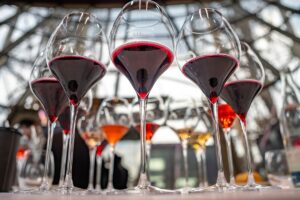
The program also included four masterclasses dedicated to professionals in the hospitality industry, sommeliers, buyers, and specialized operators, led by experts Sungjin Kwak, Miyeon Hong, Luke Kim, and Jaejun Kim. The sessions explored the distinctive characteristics of Prosecco DOC and its potential for food pairings, offering participants a highly specialized opportunity for training and discussion. The masterclasses took place at prestigious venues in the South Korean capital, including Mishmash, a traditional and charming Korean hanok; CMB Wine Experience; JL Dessert Bar; and Negroni Seoul.
Prosecco DOC’s presence in Seoul also continued through a series of collaborations with major cultural and lifestyle events in the South Korean capital. On September 1, Prosecco DOC took center stage at “Italy at Frieze Seoul - The Golden Trace”, an initiative organized by the Italian Embassy and the Italian Cultural Institute on the occasion of the prestigious international art fair Frieze Seoul. Furthermore, the appellation will once again serve as the Official Sparkling Wine Partner for the third edition of “Milan Loves Seoul”, a project that promotes exchange between Italy and South Korea through fashion, creativity, and innovation during “Seoul Fashion Week”. Through dedicated tastings, networking events, and activities aimed at buyers, the press, influencers, and industry professionals, Prosecco DOC will strengthen its presence among a highly discerning international audience, reaffirming the natural affinity between its sparkling wines and the contemporary worlds of fashion and premium lifestyle.
Copyright © 2000/2026
Contatti: info@winenews.it
Seguici anche su Twitter: @WineNewsIt
Seguici anche su Facebook: @winenewsit
Questo articolo è tratto dall'archivio di WineNews - Tutti i diritti riservati - Copyright © 2000/2026