


Wednesday 28th of October 2026 - Last Update: 17:39






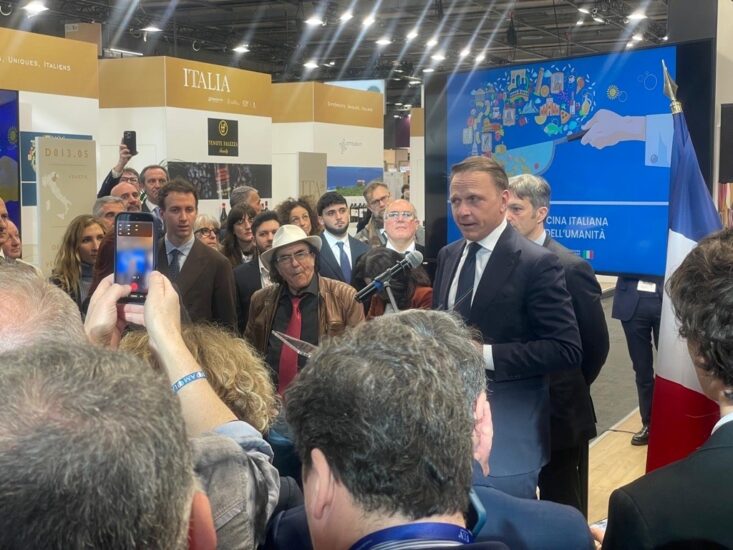
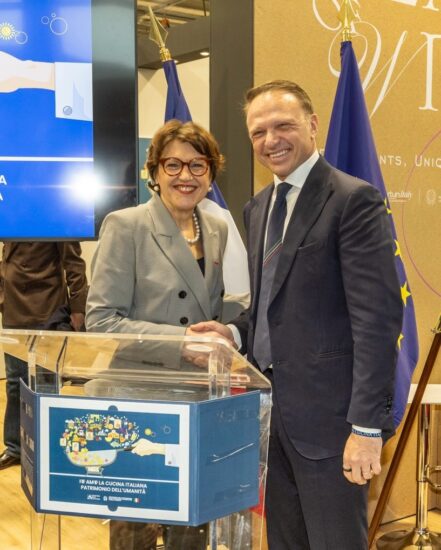
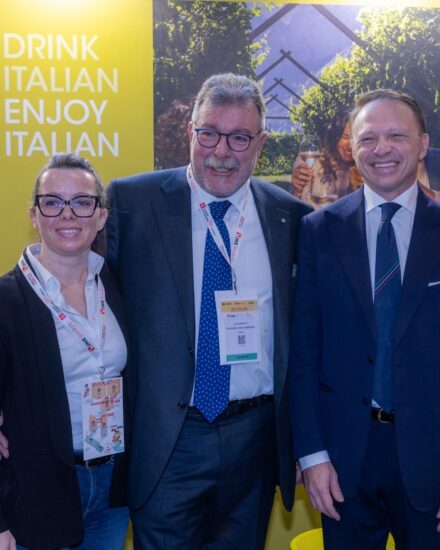
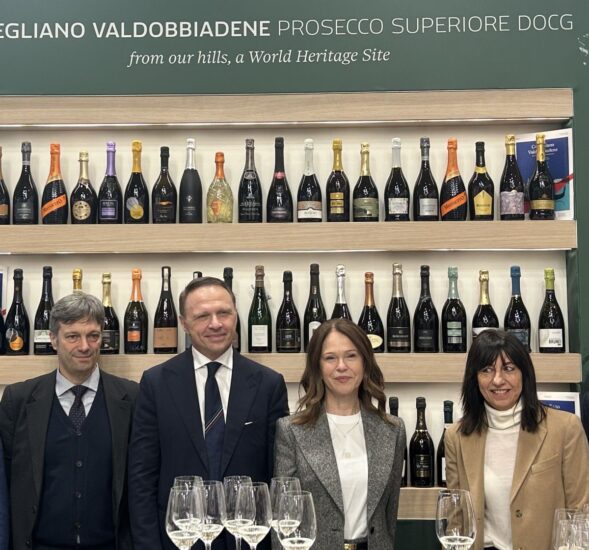
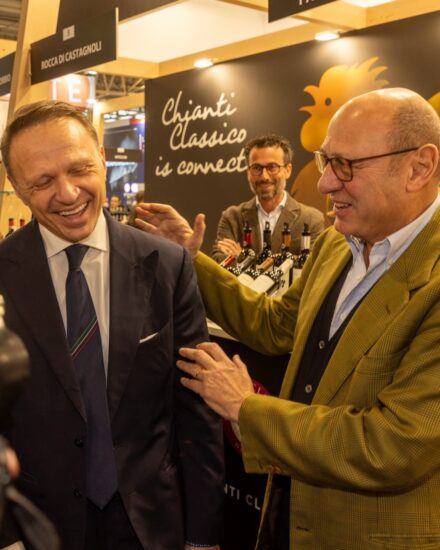
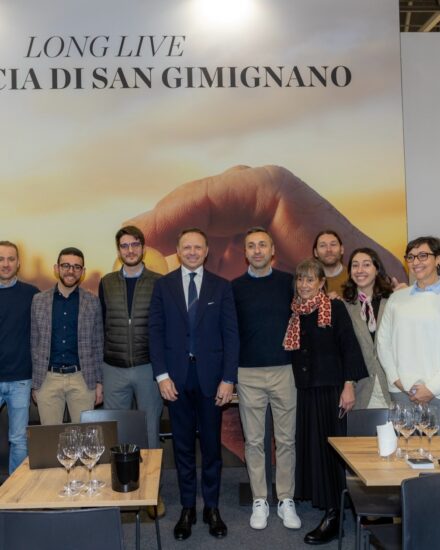
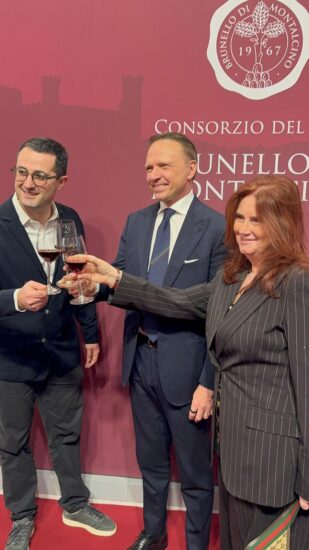
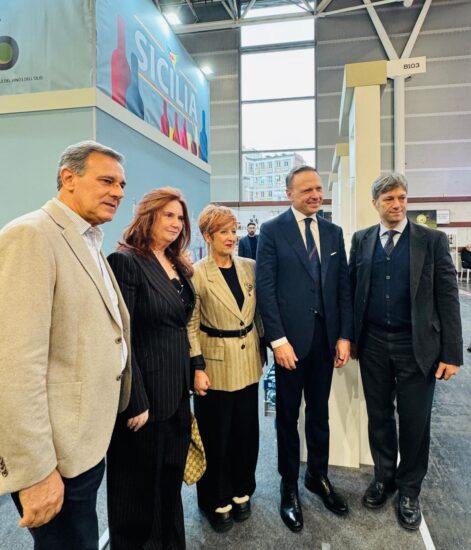
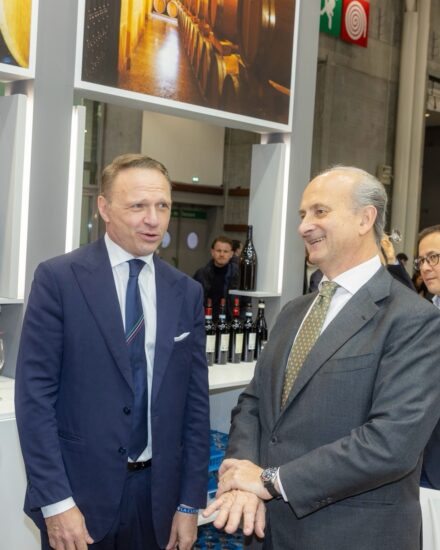
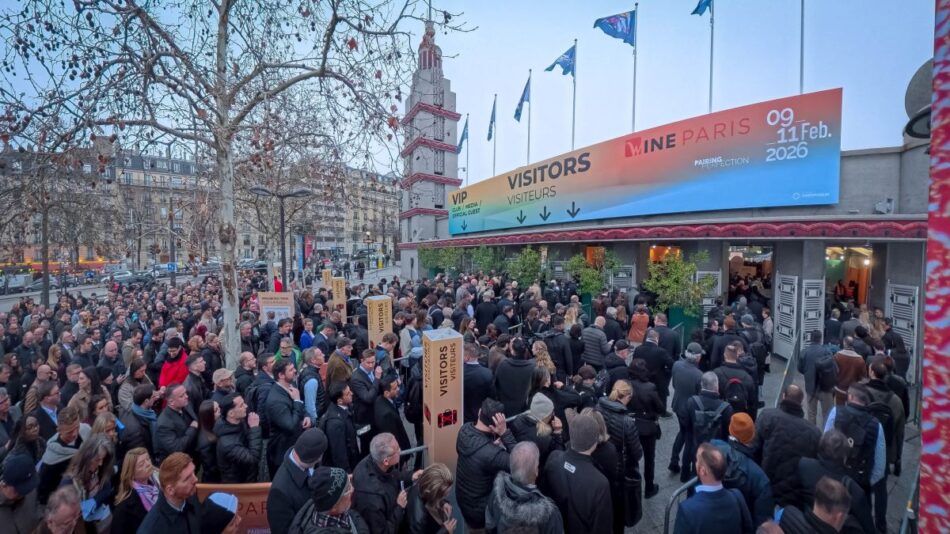
Exports are slightly declining (after years of record highs), domestic consumption is slowly but structurally decreasing, and production remains too abundant compared to the actual demand for wine. The situation, in Italy as in France, is very similar despite the different figures. But while France has decided to fund the removal of an additional 32,500 hectares of vineyards with 130 million euros in extraordinary resources, and is pressuring Europe to obtain another 80 million for crisis distillation, even though the French President Emmanuel Macron himself considers it a “terrible” measure, as he said alongside Agriculture Minister Annie Genevard at the opening of “Wine Paris” (in Paris from today until February 11th, organized by Vinexposium), Italy, for now, seems oriented toward other strategies, especially promotion. This was explained to WineNews by the Italian Minister of Agriculture Francesco Lollobrigida, who visited the Italian Pavilion of the French fair (the most represented country after France itself, with over 1,100 wineries), starting from the major collective organized by Ita-Italian Trade Agency led by Matteo Zoppas and then visiting various spaces of the Italian wine consortia in attendance.
Regarding uprooting in particular, the Minister said: “we are discussing this with the representative associations at the newly unified table of the entire wine sector. Personally, I am not very convinced that uprooting is the right solution, because defending wine means defending it as a whole, including the vineyards that shape our landscape. Losing a vineyard means losing heritage, beyond everything else. This approach doesn’t convince us; we are more inclined to open new markets and consider other solutions that are compatible with maintaining the stability of the system as a whole”.
As for distillation, which the French are requesting, Lollobrigida believes it is also not a “resolutive” solution: “it does not justify investments that, if redirected toward promotion, ensure market presence at significantly lower costs. If we analyze the data, we notice that even when this measure was adopted in the past, it was neither resolutive nor structurally useful”.
Promotion, in short, according to Lollobrigida, is the lever to insist on. And although investment in this area has been frequent and consistent, a new institutional communication campaign to promote the value and culture of wine is also coming, presented a few days ago at the Ministry in Rome and will launch on February 15 on national TV and radio, and not only. “We have never stopped promoting. Now we will take it a step further with a new spot - underlined Lollobrigida - judged very positively by industry entrepreneurs, who certainly know promotion well which uses imagery to convey the inseparable relationship between Italy and wine, vineyards, the territory, environmental protection, and the emotional, multifaceted conviviality which wine represents. Because wine is part of our culture, our identity, and our history; it must be narrated ever better, and not merely stigmatized. In fact, we should avoid reducing it to just one aspect that is marginal within wine, which is alcohol. We must be able to tell the story of wine from many angles - concluded Lollobrigida - one can’t focus only on alcohol, but also on work, wealth, and the environment protected by our vineyards through the efforts of our agricultural entrepreneurs. This is an important dimension that contributes to overall well-being, which has also been recognized with the designation of Italian Cuisine as Unesco Heritage of which wine is an essential component”.
Copyright © 2000/2026
Contatti: info@winenews.it
Seguici anche su Twitter: @WineNewsIt
Seguici anche su Facebook: @winenewsit
Questo articolo è tratto dall'archivio di WineNews - Tutti i diritti riservati - Copyright © 2000/2026