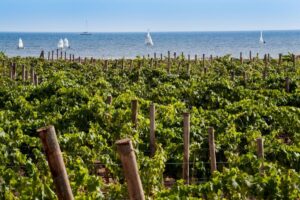








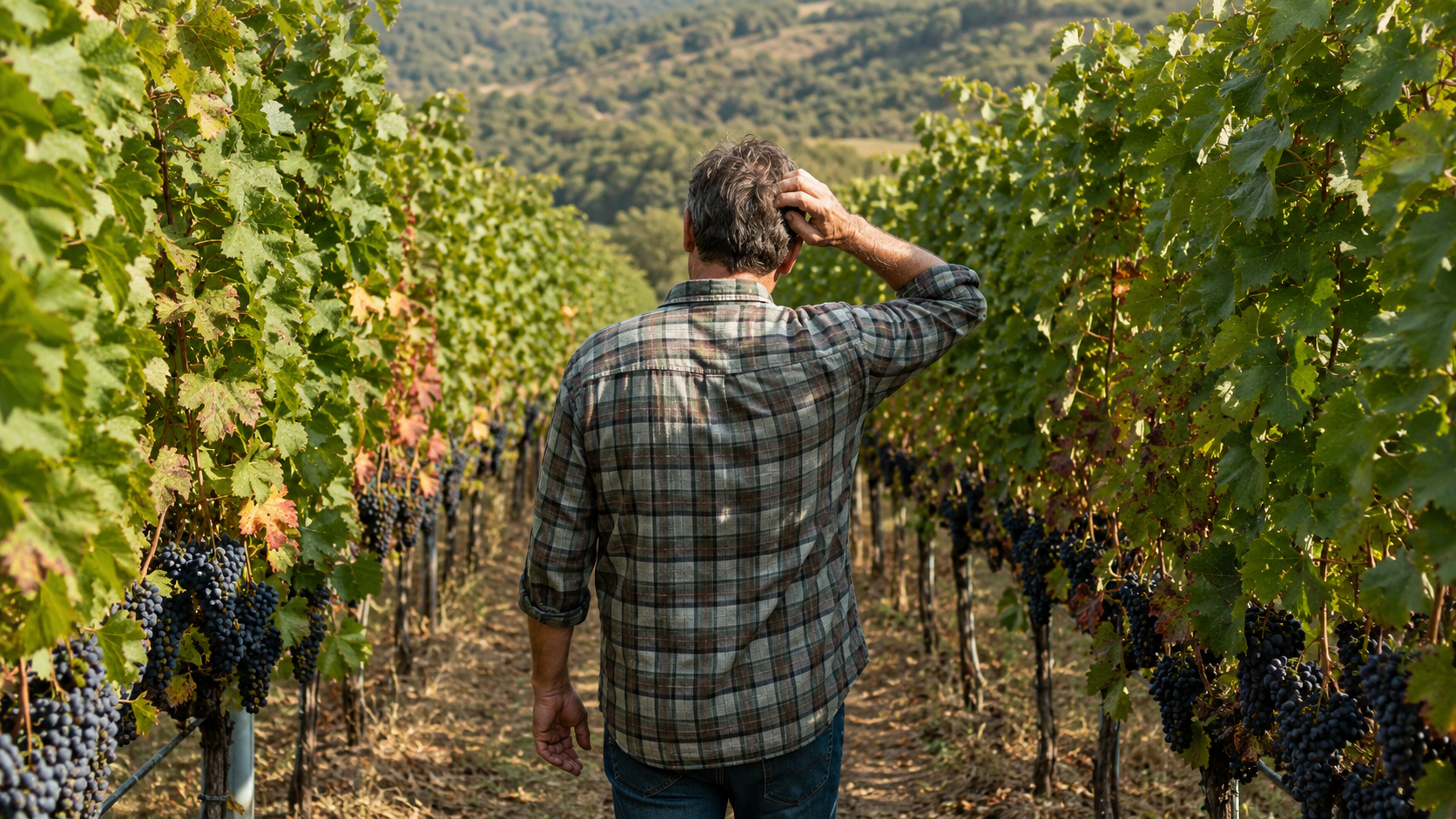
Little by little, from Sicily (from Cantine Settesoli to Cantine Ermes) to Oltrepò Pavese (Conte Vistarino) - where official communications have already arrived from companies and industry organizations (Coldiretti) - the 2026 grape harvest has either already begun or is about to start. And in many Italian wine regions, it appears to be one of the earliest harvests ever. But to understand how it will ultimately turn out, it will be necessary to wait until the end. Both in practical terms, as always, and from a media perspective. According to what WineNews has learned, in this highly uncertain 2026 there will be no more or less “early” harvest forecasts from the various sector organizations, nor will there be estimated or projected production volumes. These are figures that we have consistently reported in recent years, as part of our duty to inform, while also emphasizing how they were constantly at risk of being disproven or significantly revised due to a sudden change in the weather, inconsistencies in data collection and analysis methods across different territories, and other factors. Thus, somewhat as has already happened in France where industry organizations have officially asked the Government not to release harvest forecasts too early, as early as August, the emerging trend in Italy, according to industry rumors, is not to produce forecasts even between early and mid-September, as has been done in recent years, but rather to wait until later, when most of the grapes are already in the winery, or even to release data only once the harvest has been fully completed.
This is intended to avoid what has often happened in the past: releasing forecasts which were simultaneously both “outdated,” because weather conditions had changed since data was collected, and “premature” because the harvest season is long and unforeseen events are numerous: hailstorms, severe thunderstorms which can cause physical damage or encourage the spread of mold, and so on. Furthermore, there is a widespread feeling that, when market conditions are favorable, issuing forecasts that later require revision, even substantial revision, may not be particularly harmful. However, providing inaccurate figures which could fuel speculation on grape and bulk wine prices, at a time when wineries are already struggling and price tensions are high, could add further (and unnecessary as well as detrimental) complications to the wine industry business fabric, which is made up of thousands of winegrowers and wineries facing an extremely challenging economic environment. Much of this situation is driven by “external” factors, including geopolitical crises affecting production costs and consumption, changing consumer habits, health-focused campaigns, climate change, and not only.
Copyright © 2000/2026
Contatti: info@winenews.it
Seguici anche su Twitter: @WineNewsIt
Seguici anche su Facebook: @winenewsit
Questo articolo è tratto dall'archivio di WineNews - Tutti i diritti riservati - Copyright © 2000/2026