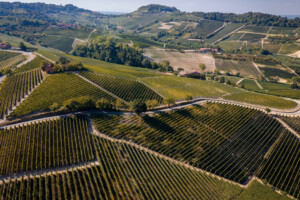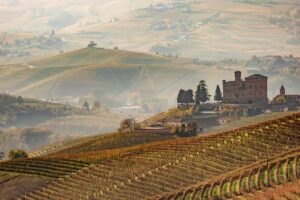









The 2026 harvest, while awaiting final figures and considering that estimates, as it is well known, will not be released, already has a defining characteristic which is likely to make this vintage memorable: its earliness, particularly in some of the world’s most prestigious denominations. The intense heat that has swept across Italy and France, the two leading wine-producing nations in the world, has effectively redrawn the wine-growing calendar, with the first grape clusters having already reached wineries some time ago, from Franciacorta to Sicily. The same is true in France, where “record-breaking harvests” in terms of their advance, are taking place in two of the world most iconic wine regions: Champagne and Burgundy.
While in the vineyards that produce the famous sparkling wines of Champagne there is talk of a harvest beginning with unprecedented earliness (the official opening of the harvest calendar had been set by the Comité Champagne for August 8th, although some growers had already started earlier), in Burgundy, the prestigious Domaine Leflaive, which launched its harvest on August 13th, effectively broke a historic record which had stood for nearly half a millennium. The previous benchmark dated back to 1556, when the earliest documented harvest on record took place on August 15th.
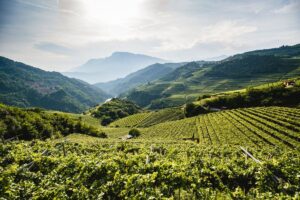
This advance compared to historical patterns has also affected South Tyrol, one of Italy most renowned white wine regions and one of the areas generating the highest vineyard value per hectare according to a study by the American Association of Wine Economists (Aawe).
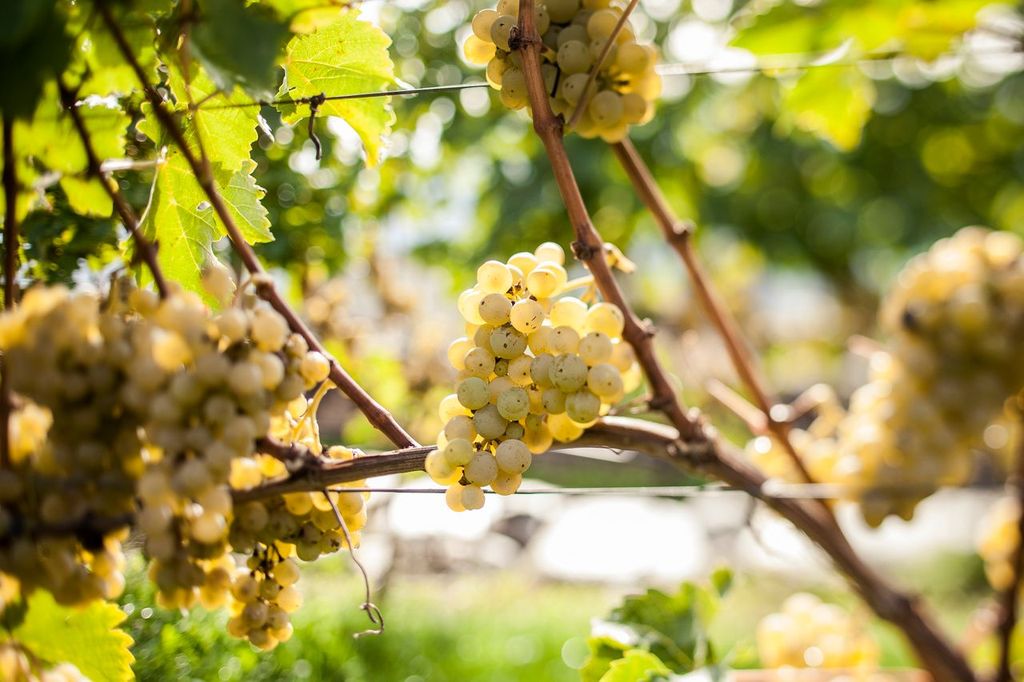
“This is the earliest start to a harvest in the history of South Tyrol”, affirmed Eduard Bernhart, director of the South Tyrol Wine Consortium. The summer of 2026, considered one of the hottest on record, accelerated grape ripening in South Tyrolean vineyards to such an extent that harvesting is already in full swing in several parts of the region. Grapes from the earliest vineyards, intended for the production of base wines for traditional-method South Tyrolean sparkling wines, are already fermenting in the cellar. The fact that this year harvest is taking place earlier than the long-term average is not due solely to the high temperatures recorded in June and July, but also to an exceptionally warm spring. “As early as March and April, temperatures were already above average, greatly accelerating the grapevine growth cycle”, added Bernhart. This precocity was not even slowed by the unusually cold weeks experienced in May. At present, it is still too early to make predictions about the overall quality of the vintage, but the outlook is considered very promising. Eduard Bernhart explained that “the grape clusters appear healthy. Ensuring that the grapes are not exposed to excessive sunlight, don’t suffer from the heat, and always have sufficient moisture is a matter of expertise and hard work”. He also noted that acidity levels remain appropriate, “guaranteeing the freshness and elegance for which our wines are known”.
However, grapes have only recently begun arriving at the wineries, and attention is now focused on weather conditions over the coming weeks. “We are hoping for cooler temperatures, especially at night, as these support the final stages of grape development. Above all, we hope that the vineyards will be spared any hailstorms in the coming weeks”, explained Bernhart. Looking ahead to the continuation of the harvest, expected to begin in early September for other grape varieties, he emphasized that “the optimal harvest time varies according to the variety and the area, making the intuition and experience of winemakers and growers essential”.
In South Tyrol, harvesting is carried out strictly by hand, which “offers us an additional advantage, as every grape cluster is inspected directly in the vineyard and, if necessary, discarded at the moment of harvesting”.
Copyright © 2000/2026
Contatti: info@winenews.it
Seguici anche su Twitter: @WineNewsIt
Seguici anche su Facebook: @winenewsit
Questo articolo è tratto dall'archivio di WineNews - Tutti i diritti riservati - Copyright © 2000/2026