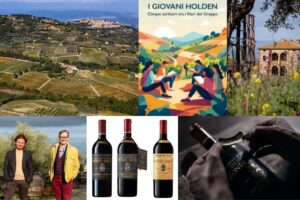








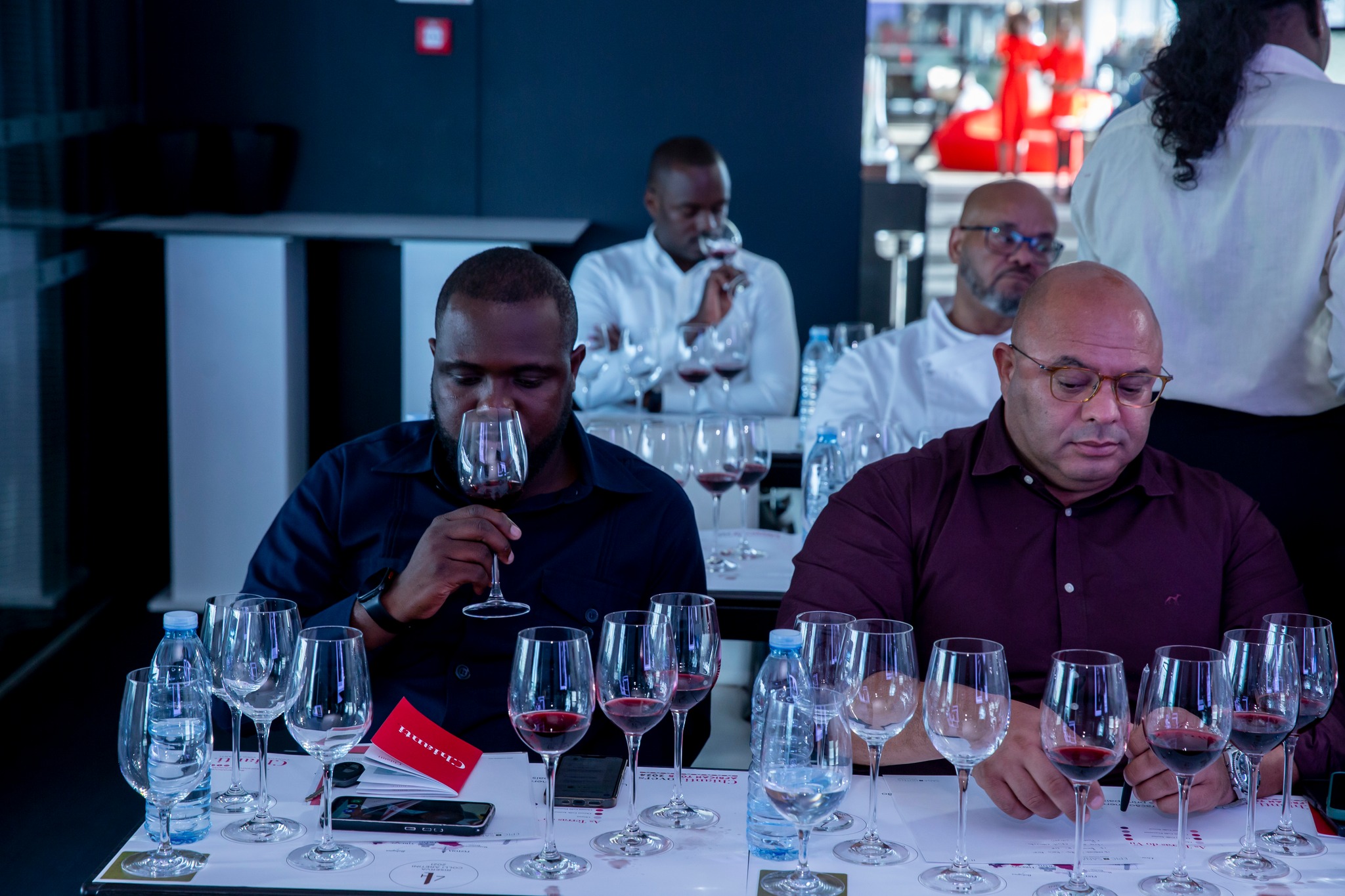
There is growing discussion in the wine world about the opportunity to look toward new markets to diversify audiences during a period marked by uncertainty and “slowing” consumption. The goal is to implement new promotional strategies in distant territories which currently represent only a tiny niche in imports but could, in the future, help boost export figures. Among the pioneering denominations exploring new markets, there is Chianti DOCG, the largest and most “pop” of Tuscany red wines - a “galaxy” of 2,200 producers, over 13,600 hectares, and 75 million bottles sold annually - always attentive to global markets. The big news is that, for the first time, the Chianti Wine Consortium is heading to Africa with its member wineries. On January 27, 2026, the denomination will take center stage in Lagos at the Civic Centre during the Top Italian Wines Roadshow organized by Gambero Rosso: an event bringing together industry professionals, press, importers, and qualified operators of the sector of wine.
The Consortium will be represented by a delegation of 13 wineries, with a dedicated desk and about 30 Chianti DOCG labels. This presence reflects not only the denomination production strength but also its commitment to investing in an emerging market. In 2024, Italian wine imports by Nigeria reached 2.28 million euros in value. But the trend is rising: in the first nine months of 2025, according to Istat data analyzed by WineNews, imports hit 3.54 million euros, +118.5% compared to the same period in 2024.
A masterclass is also planned in Lagos for local press and operators: seven Chianti DOCG labels will be tasted and presented by Marco Sabellico, curator of Gambero Rosso “Vini d’Italia” guide. The title, “A contemporary journey through the great wine lands of Chianti”, aims to showcase the modernity of a region which combines tradition with contemporary quality.
“This is a true debut - underlines Giovanni Busi, president of the Chianti Wine Consortium - and for us, it represents a strategic moment: Africa is an area waiting to be explored, where Chianti can grow steadily in the upcoming years”. According to Marco Sabellico, “Nigeria is discovering wine: this is said by import statistics which show that demand is driven by the 20 to 40 age group with high income and education levels. This opens broad growth prospects for Italian wine, particularly for Chianti DOCG, one of our most appreciated denominations worldwide. But Nigeria, like all new markets, requires presence and, above all, training and information. The synergy between Gambero Rosso and the Chianti Consortium will deliver excellent results once again”.
This is not the Consortium first contact overall: in 2024, two exploratory masterclasses were organized, one in Lagos (Nigeria) and one in Luanda (Angola), but without the direct presence of wineries. This time, the step is more decisive. “We return after testing the waters - continues Busi - and we do so by bringing our producers with us because we believe Nigeria is one of the most interesting African markets. Understanding local customs, respecting them, and building a genuine dialogue with importers and consumers: that is our goal. We go to Nigeria with enthusiasm and with the idea of opening a path which can deliver concrete results in the short term”.
The context is unique. The Chianti Wine Consortium describes a niche market of “about 10 million potential consumers, but with very high spending power - three times higher than the Milan area - and a way of experiencing wine deeply different from Europe. Bottles are opened at galas, ceremonies, and formal events; serving temperature is not a cultural barrier; seasonality does not affect consumption, not even for red wines. This consumption style creates space for identity wines like Chianti, provided they are communicated and positioned correctly”.
Copyright © 2000/2026
Contatti: info@winenews.it
Seguici anche su Twitter: @WineNewsIt
Seguici anche su Facebook: @winenewsit
Questo articolo è tratto dall'archivio di WineNews - Tutti i diritti riservati - Copyright © 2000/2026