


Monday 23rd of February 2026 - Last Update: 12:39




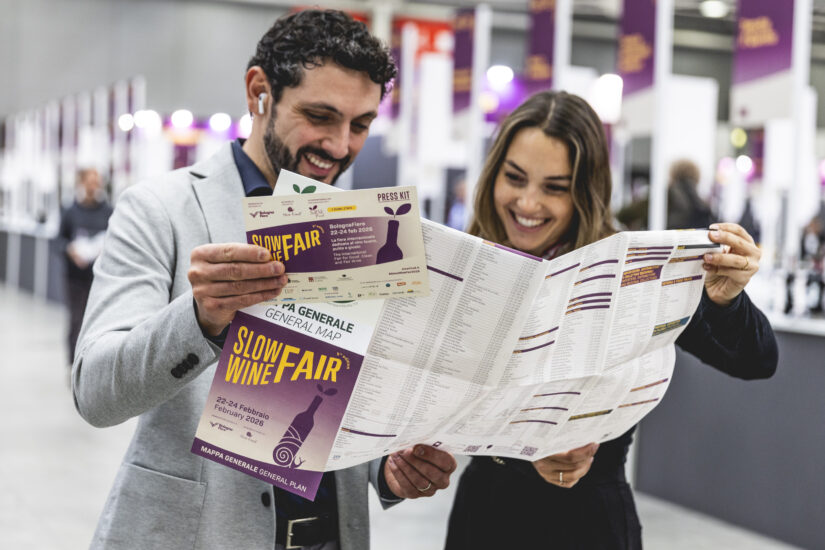
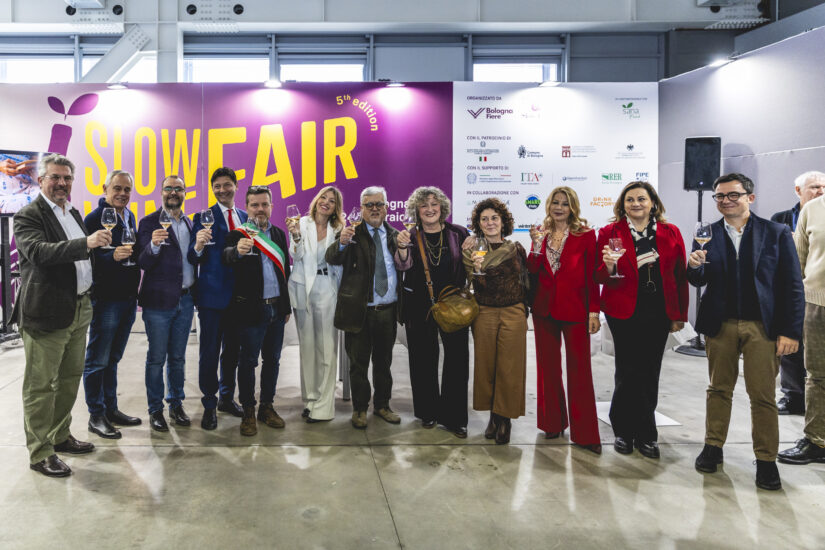
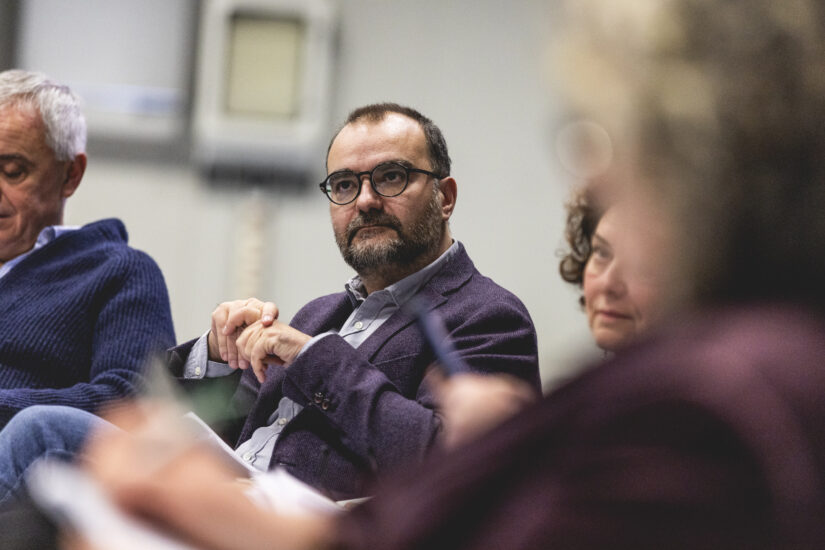
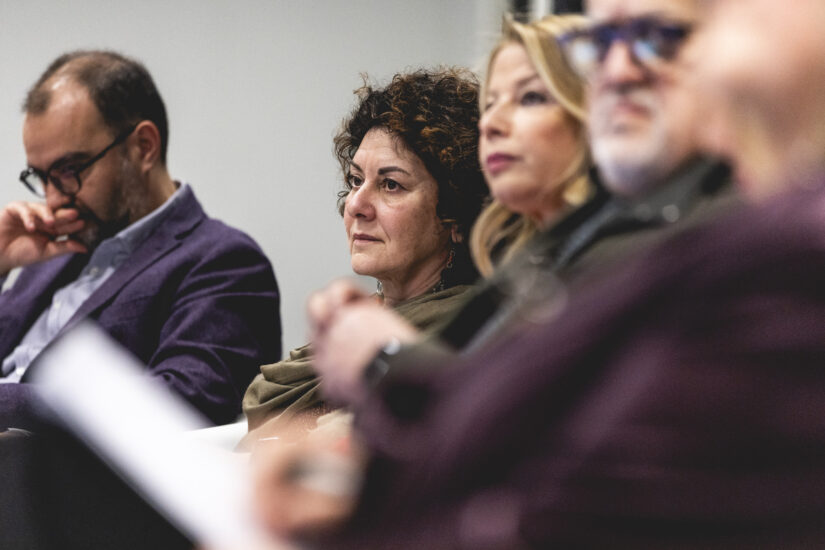
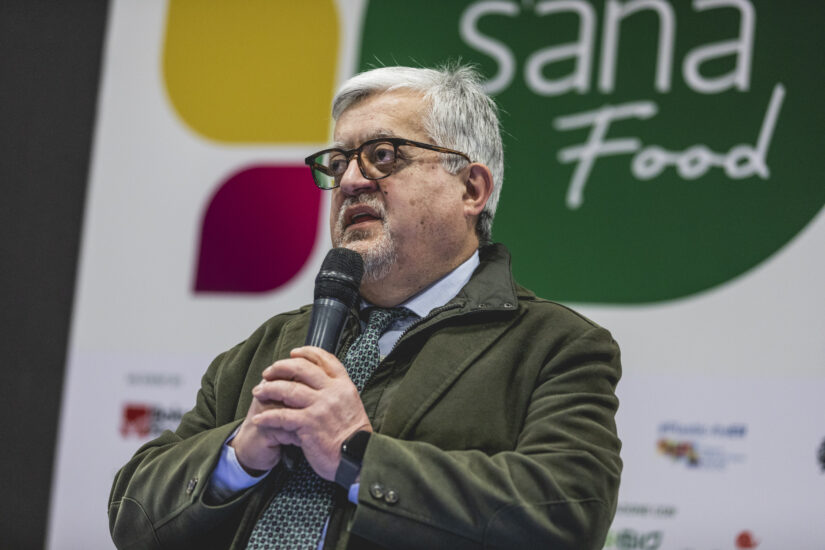
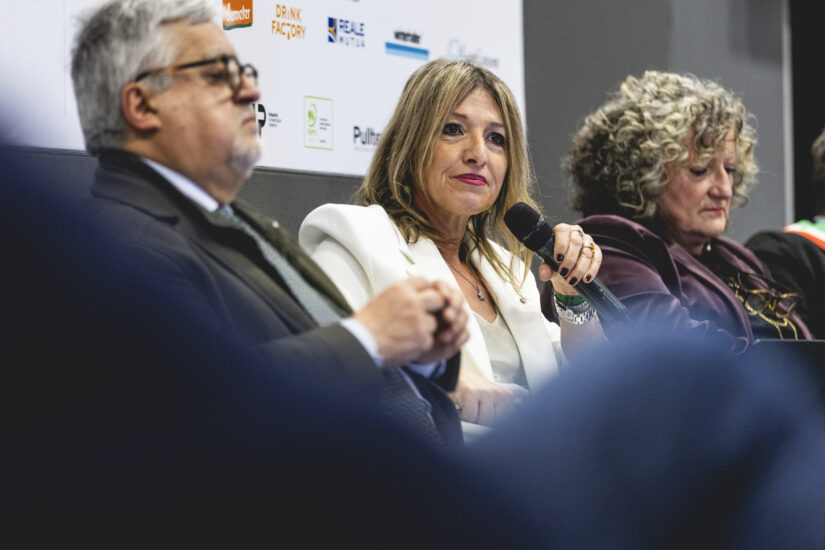
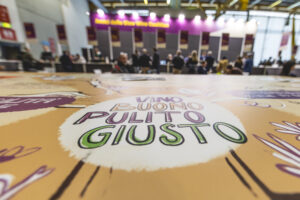
A message that reinforces the importance of protecting (bio)diversity and building a good, clean, and fair food system, which has been the mission and pride of Slow Food Italia for forty years (celebrating its first four decades in 2026), but also the value of the origin and sustainability of wine and food, in its ability to create a system, as demonstrated by the increasingly solid link between the “Slow Wine Fair”, the fifth edition of the event dedicated to “good, clean, and fair wines”, and “Sana Food”, the format dedicated to the horeca channel and retail specializing in organic food, two events in one (February 22-24), inaugurated today at BolognaFiere, increasingly a “hub” for wine with an international dimension and perspective (with “Champagne Experience”, scheduled for October 4 and 5, with Excellence Sidi, and the “Mercato dei Vini dei Vignaioli Indipendenti” (Independent Winegrowers Market) by Fivi, from November 21 to 23, and the “Wine Experience” by United Experience, starting in London on April 26-27, then moving on to Vietnam and Mexico). An event that serves to promote business, but also culture - thanks to the patronage of the Ministry of Agriculture and the Municipality of Bologna, and the support of the ICE Agency - and which brings a variety of issues to the table, from the positive impact that wine can have on territories and communities, as a driver of development and social inclusion, to fair work in the vineyard and responsible agricultural choices, to the future of young people who struggle to access land and that of mountain areas that can be revitalized. But also the value of women, whose role in the world of wine is becoming increasingly fundamental. The wine sector cannot help but look at current events, such as the well-known difficulties that wine is encountering, starting with the need to regain its appeal among young people, which will also require a recalibration of its message, from the label to the glass. A three-day event is kicking off, featuring 1,100 winemakers (more than half of whom produce organic and biodynamic wines) who are members of the “Slow Wine Coalition” and signatories to the “Slow Food Manifesto” - applying principles of environmental sustainability, respect for the landscape and terroir, enhancement of agricultural communities and protection of biodiversity - arriving from all over Italy and 28 countries around the world, with over 5,000 labels showcased. The two events, organized by BolognaFiere, bring together 1,400 exhibitors and will feature dozens of opportunities for meetings, in-depth discussions, and tastings during the conferences and masterclasses scheduled. In an edition that confirms the synergy of the “natural pairing of food and wine,” BolognaFiere President Gianpiero Calzolari emphasized (speaking to WineNews) the value of an important event for the sector, but also the increasingly marked opening up to foreign markets for the Bologna hub. “With Slow Wine Fair and Sana Food, we are consolidating a trade fair model capable of integrating wine, food, and sustainability into a single platform dedicated to the Horeca channel. It is not just a matter of organizing two successful events, but of building an ecosystem that generates value for producers, buyers, and local areas. Trade fairs are a fundamental part of the country’s economic policy and, when possible, they must contribute to its development. The results of Sana Food and Slow Wine Fair are particularly positive, with growing numbers, and we are satisfied with how BolognaFiere is establishing itself as a strategic player in the sector. Ours is also the trade fair with the greatest propensity for internationalization, and we are promoting various initiatives related to the food and wine sectors abroad. The two fairs that begin today, with many qualified exhibitors and representatives of institutions, are not only an exhibition opportunity but also a moment of reflection and discussion on food and wine production that is more respectful of the needs of the environment”. Giancarlo Gariglio, coordinator of “Slow Wine Collection”, recalls the “incredible growth that wine has experienced over the last forty years. But now there are cracks, growth is no longer what it used to be, even though we have become very accustomed to it. There is less enthusiasm among young people, who consider wine to be a stale topic. Then there is also international economic instability, and quality is no longer enough. Carlo Petrini (founder of Slow Food, ed.) already said this in 2005 in his book Good, Clean, Fair: the narrative of wine must go beyond the glass”. Maria Grazia Mammuccini, president of FederBio, emphasized how “Sana Food, held concurrently with Slow Wine Fair, in collaboration with BolognaFiere, represents an innovation that is also the result of the strategic alliance between FederBio and Slow Food Italia. The goal is to push decisively towards agroecological transition, focusing on the value of local food and the fundamental role of small and medium-sized farms, guardians of biodiversity and territorial identity, considered the most authentic expression of Italian organic farming. This requires concrete ideas and proposals, starting with new relationships between agricultural producers and the food service industry, in order to promote supply chains capable of producing quality and regional identity, creating economic and social networks that are fundamental for the regeneration of rural areas. Meanwhile, at “Rivoluzione Bio”, the sector’s “States General”, the discussion focuses on how organic farming can respond to the great challenges of our time - climate, health, and the environment - establishing itself as a model for the entire Italian agri-food sector”.
For Barbara Nappini, president of Slow Food Italy, the “snail” protects diversity and aims to build a good, clean, and fair food system, which does not yet exist. This year, the theme chosen for wine is linked to “fairness”, which means that when purchasing wine, consumers should also consider aspects such as labor, gender equality, and justice within the diaspora”. Nappini added that there is “a world of producers for whom environmental and social sustainability are interconnected: producers who are already on a path that sees wine as a driver of inclusion, dignity of work, community development, and socio-cultural growth. On this path, fairness is also expressed in the relationship with ecosystems: these companies also care about integrating their activities with the environment because they know that it is thanks to the environment that they are able to work. They know that it is necessary to protect soil fertility, safeguard water resources, and restore biodiversity as much as it is to “build community”: because it is thanks to these precious resources that agriculture is possible, that wine and food are produced, and ultimately, that life is possible. Winemakers are expected to lead the agricultural sector on this path, which must have as its priority and inseparable objectives the regeneration of the social fabric and ecosystems. It is expected that the agroecological approach will increasingly permeate the sector. Winemakers are also expected to be able to communicate these developments: which can be traced in the design of agricultural landscapes, in the resilient stories of the communities that inhabit them, in respectful, innovative, and fair work in the fields, in the cellar, and in sales”.
But, at the fair these days, the focus is obviously on business, which is fundamental for companies’ balance sheets. If they are not healthy from an economic point of view, they cannot be healthy from an ethical and environmental point of view either. And “Sana Food” and “Slow Wine Fair”, as Rossano Bozzi, director of the BolognaFiere Business Unit, pointed out, is a “complex project that brings together many different elements, with a total of 50% of organic and biodynamic exhibitors, addressing an ”out-of-home“ sector that accounts for 33% of food consumption, worth €100 billion”.
This is a sector that the country is focusing on, as Eleonora Iacovoni, Director General of PQA (Directorate General for the Promotion of Agri-Food Quality), pointed out: “For the Ministry of Agriculture, renewing its sponsorship of events of excellence such as “Sana Food” and “Slow Wine Fair” is not a mere formality, but a strategic choice. These fairs represent the pillars of our agricultural vision: on the one hand, innovation and sustainability in organic farming, and on the other, the promotion of biodiversity and wine culture. Masaf is also an active participant in the events, with a dedicated space, created in close collaboration with Ismea, designed as a real place for in-depth discussion of national and European issues”. And for an increasingly international market, given that, as Brunella Saccone, director of the Agri-Food Office of ITA-Agency for the promotion abroad and internationalization of Italian companies, pointed out at BolognaFiere, there are 330 buyers from all over the world, “including those from Arab countries and Vietnam, where interest in alcoholic beverages is growing. The Slow Wine Fair is an exhibition that challenges the concept of wine, combining aspects sought after by young people, such as “Instagrammable wine”, more modern labels, as already seen in France and Spain, and lower alcohol content, which is increasingly in demand abroad”.
Copyright © 2000/2026
Contatti: info@winenews.it
Seguici anche su Twitter: @WineNewsIt
Seguici anche su Facebook: @winenewsit
Questo articolo è tratto dall'archivio di WineNews - Tutti i diritti riservati - Copyright © 2000/2026