


Sunday 20th of September 2026 - Last Update: 21:57




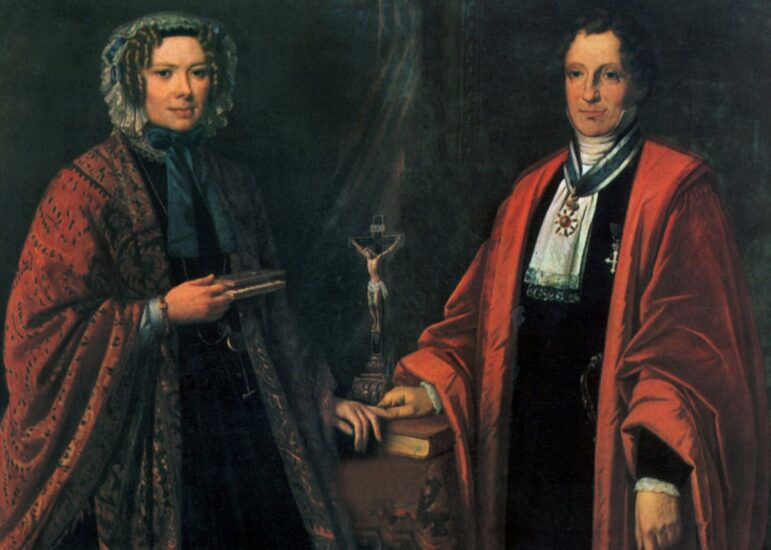
It is at the lavish coronation of Napoleon Bonaparte in Paris that the French noblewoman Juliette Colbert, lady-in-waiting to Empress Joséphine Beauharnais, born in 1786 in Maulévrier, Valdea, second daughter of the Counts Colbert and descendant of Jean-Baptiste Colbert, who was Minister of Finance to the Sun King, Louis XIV, meets Carlo Tancredi Falletti di Barolo, a member of one of the most important aristocratic families of Piedmont: it is love at first sight, and a few years later Juliette becomes Giulia di Barolo, his wife, and follows him to the splendid yet harsh Turin of the Restoration, settling in the seventeenth-century Palazzo Barolo. From its elegant salons - rich in artworks and frequented by figures of the Italian Risorgimento such as Silvio Pellico - Giulia is the first in Italy to raise the issue of women prisons, committing herself to reforming the Piedmontese penitentiary system. At the same time, she also manages the family estates in the Langhe, where wine is produced that, thanks to new methods imported from France and the insights of the last Marchesa di Barolo, will become more refined and full-bodied, even earning the title of Italian “ wine of kings and the king of wines”.
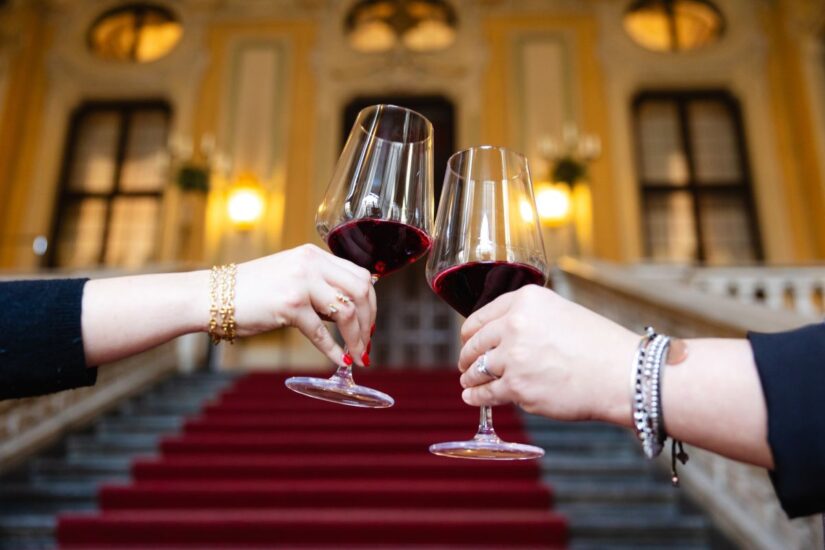
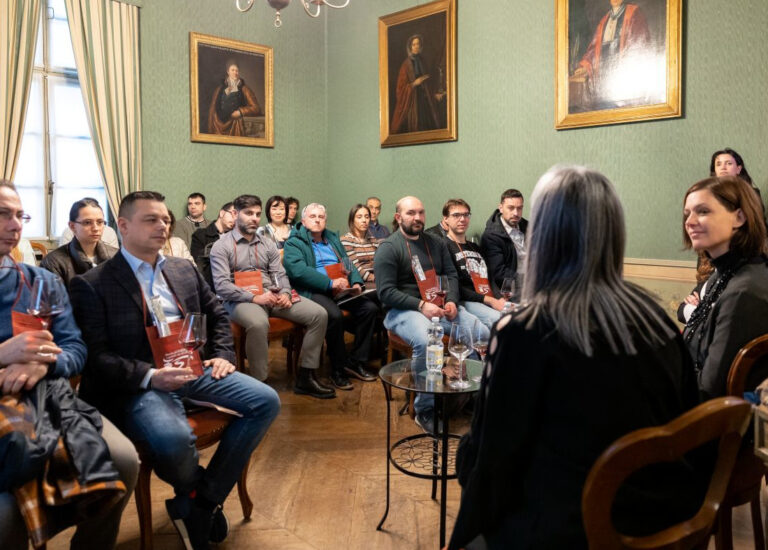
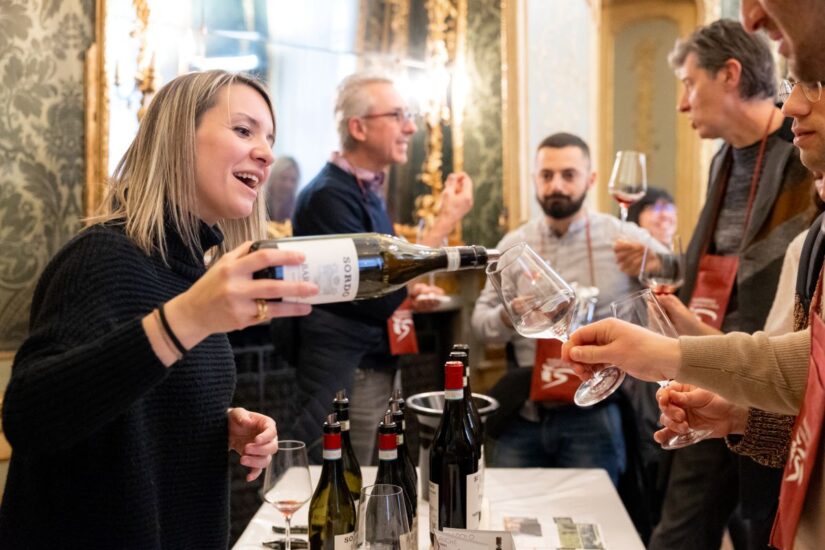
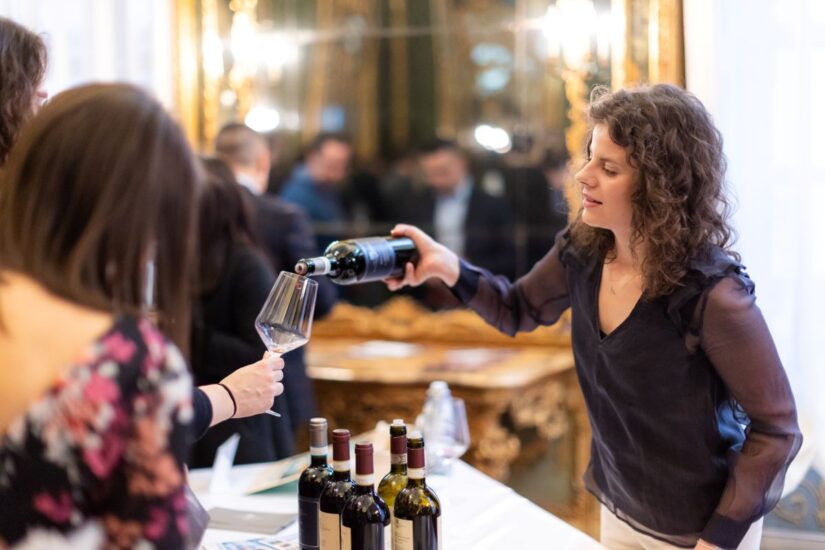
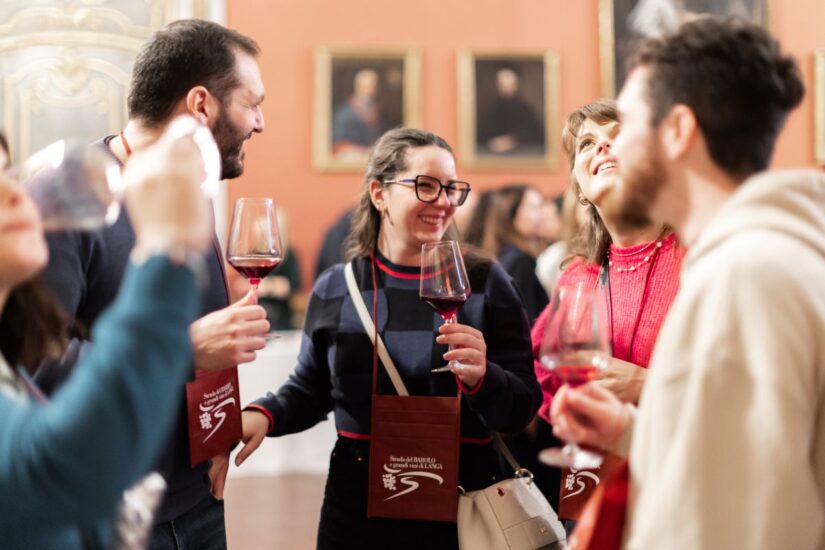
The unique opportunity to retrace the passionate life of the Marchesa di Barolo (also narrated in the novel “Sangue delle Langhe. La saga dei Barolo” - Blood of the Langhe. The Barolo Saga” by Marina Marazza, for period drama lovers) is, as every year, “Barolo at Palazzo Barolo,” now in its edition No. 5, promoted by Strada del Barolo e Grandi Vini di Langa, which, on February 7th (as part of the “Vendemmia a Torino - Grapes in Town” program), will open its doors to the public, where producers of the great Italian red wine will personally present their wines in an exclusive tasting featuring different crus and vintages. Tastings will be accompanied by small samples of excellent agri-food products from Langhe companies, and in the “Salotti-Degustazione” - “Tasting Salons”, carried out by actress Chiara Buratti, the winemakers will discuss current topics over a glass of their signature wine.
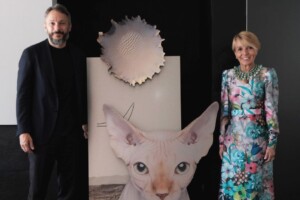
Visitors will also be able to admire on the façade of the Palazzo the first monument dedicated to a woman in Turin history, a sculpture of the Marchesa di Barolo by artist Garbolino Rù which will be inaugurated just a few days earlier, on January 17th, to commemorate her commitment to incarcerated women; an initiative by Opera Barolo sponsored by the City of Turin and made possible thanks to the crucial support of the Abbona family, who, leading the Marchesi di Barolo, in the Langhe, preserve the noble history of Barolo wine. Today, Palazzo Barolo also houses Musli, the Museum of School and Children Books, and visitors can explore the Barolo Social District, a historic complex home to various volunteer associations which provide daily assistance and essential goods to individuals and families, many of whom are poor, vulnerable, and socially marginalized.
This is because, upon her death in 1864, the Marchesa Giulia, widowed and without heirs, established the charitable institution Opera Pia Barolo, donating all her assets to perpetuate her numerous charitable initiatives, a legacy which Opera Barolo continues to uphold to this day.
Copyright © 2000/2026
Contatti: info@winenews.it
Seguici anche su Twitter: @WineNewsIt
Seguici anche su Facebook: @winenewsit
Questo articolo è tratto dall'archivio di WineNews - Tutti i diritti riservati - Copyright © 2000/2026