







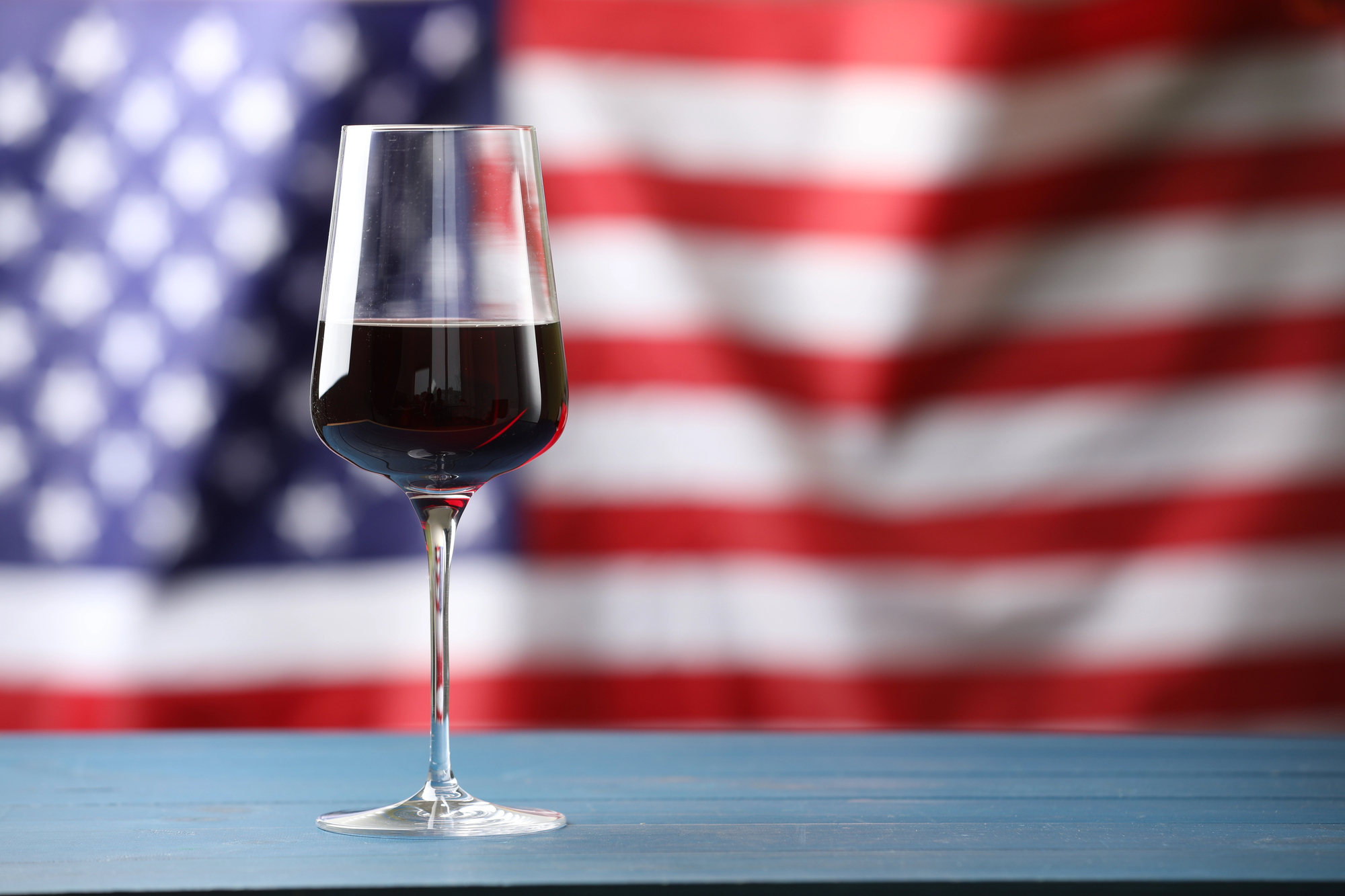
The 15% tariffs on European wine ultimately don’t seem to have delivered much of a competitive advantage to U.S. wineries (or to wine enthusiasts). Moreover, economic conditions, among inflation and declining purchasing power, will continue to influence choices heading into 2026, while the profile of the U.S. wine consumer is changing: Boomers are drinking less, and younger generations aren’t filling the demand gap. These are just some of the insights from a report by OhBev, a marketing agency specializing in the alcoholic beverage sector, which examined forecasts and trends for the U.S. wine market in 2026 (still the top trading partner for Italian wine, though down in the latest WineNews survey based on Istat data).
A detailed industry analysis which inevitably starts with the “hottest” topic of the “last vintage”: the tariffs imposed by U.S. president Donald Trump. For products from the European Union (which accounts for about 72% of U.S. wine imports), tariffs are currently set at 15% (while the “zero-for-zero” agreement on alcoholic beverages is still under negotiation, ed). In practical terms, according to the report, this means that a 15 dollar wine upon import immediately absorbs a 2.25 dollars tariff and lands in the U.S. At 17.25 dollars, only to be sold at retail for around 29 dollars, i.e. 20% more. Overall, European wines on U.S. shelves are generally 15-25% more expensive than the previous year.
But, beyond the tariff itself, Trump communication strategy also impacted the U.S. wine market. With announcements of wildly varying percentages (first 30%, then a rollback, then a thunderous 200%), the prevailing uncertainty brought many importers last spring to completely halt shipments from the EU, only to rush to restart orders once the 15% tariff was finalized in August. This reversal caused what OhBev calls the “whiplash effect”, resulting in excessive or insufficient stock, administrative inefficiencies, and higher logistics costs.
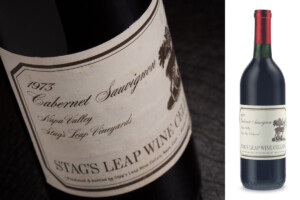
Tariffs that, in theory, were supposed to benefit American wine producers. While some reported a modest sales increase between late second and third semester 2025, overall impact was limited for several reasons: including stocks - in forecast - carried out by distributors and retailers of European wine, consumer preferences which remained rigid (a Barolo lover doesn’t switch overnight to California Cabernet), and the fact that U.S. producers also faced rising costs. As, for example, glass: 70% of U.S. wine bottles come from abroad, and mainly from China, France, and Mexico. Chinese glass already faces a 20% tariff, and European glass has a 15% tariff at customs: consequently, driving packaging costs up by as much as 1 dollar per bottle and squeezing margins. In short, a Napa Valley Cabernet didn’t suddenly become cheaper than a Bordeaux, because California wineries pay more for glass, corks, and other components. The study explains that tariffs have not delivered a clear competitive win for U.S. Wineries, nor in exports, as a strong dollar made U.S. wines less competitive abroad (Canada, for instance, banned imports of U.S. wine and spirits in protest).
Regarding the market, U.S. volume forecasts for 2026 are virtually unchanged, while value is expected to rise by +2-4% - warns OhBev - driven almost entirely by premiumization and price increases rather than consumption growth. Wines costing over 50 dollars remain resilient, supported by affluent consumers and collectors, while those in the 15-49 dollars range show the best overall performance. The segment just below that is expected to shrink further in 2026. High interest rates, persistent inflation (around 3% in the U.S.), and limited discretionary spending also weigh heavily on consumers.
According to the report, however, the most significant changes in the U.S. wine market in 2026 go beyond tariffs and macroeconomics, but they lie in consumer behavior. Boomers are aging, have peaked in consumption, and drink less, while Gen X, Millennials, and Gen Z fail to fill the gap. The latter two cohorts, shaped by cultural shifts, preferences for other beverages, and wellness trends (many participate in Dry January in this period, the month without drinking alcolohol), are particularly influential. In short: older Gen X and Millennials partly bridge the gap, but younger Millennials and Gen Z do not fully replace it. Meanwhile, the No-Lo category continues to expand rapidly. In 2025, the global market for non-alcoholic or low-alcohol beverages surpassed 11 billion dollars, with a projected Cagr of about 7% from 2022 to 2026.
As already mentioned, premiumization remains a clear guiding principle: fewer bottles, but more expensive. A trend which applies even to younger consumers, for whom “cheap wine” is a synonym of poor quality. Therefore, wines under 10 dollars struggle to gain traction, perceived as inferior by some generations and less attractive to producers (due to low margins and rising costs for corks, glass, and labor). Importers also favor higher-margin wines. Additionally, European wines that once cost under 10 dollars now inevitably fall into higher price brackets due to tariffs. Overall, observes, the study, the 10-20 dollars range is squeezed between two forces: price-sensitive buyers shifting to private labels, promotions, or other beverages, and aspirational consumers opting for more expensive wines.
Looking to wine types, according to the report, white wines are driving the sector (Sauvignon Blanc, Pinot Grigio, Albariño, and Chenin Blanc lead demand), and also rosé wine remains strong. Red wines, however, continue to struggle overall, despite growing interest in lighter styles like Pinot Noir, in addition to a particular attention towards Gamay, and the “chilled red” trend popular in wine bars and appealing to Millennials and Gen Z. Sparkling wine is dominated by Prosecco, with imports expected to surge further in 2026. Champagne is projected to remain stable or slightly up in volume and value, while domestic sparkling wines, especially those from California, Oregon, and New Mexico gain ground, while Crémant, Franciacorta, and UK Sparkling remain niche. Among the most appreciated varieties, there are Italian Sangiovese, a resurgence of Chenin Blanc, and rising interest in lesser-known grapes like Gamay, Grenache, Grüner Veltliner, and even experimental ones like Assyrtiko. Emerging U.S. wine regions include Texas, Virginia, New York, Michigan, Ohio, Maryland, Arizona, New Mexico, and Snake River Valley in Idaho.
Regarding “where” wine is sold in the U.S., on-premise remains crucial for premium wines: OhBev estimates that early 2026 on-site consumption will reach about 85-95% of 2019 levels (pre-Covid, ed), signaling a full recovery for fine dining after 5 years. Direct-to-consumer sales remain stable with modest value growth, while e-commerce is no longer limited to winery websites but includes platforms like Wine.com, Vivino marketplace, and local delivery services but which - underlines the report - can be both distribution channels and competition for producers.
Environmental volatility is another key issue for wine (heat and drought in California, numerous wildfires on the West Coast between 2010 and 2021 and the consequences, frost damage in the Northwest, and global warming making previously cold regions profitable, as for example, Colorado, are mentioned). Marketing also plays a major role: celebrity and influencer collaborations remain a quick way to reach the great audience, but many brands now focus on authenticity aiming to real people, real places, and compelling reasons to care about their wine beyond product quality. Many brands also invest in event sponsorships and alternative packaging such as cans, Tetra Pak, and kegs to bring wine to contexts where it historically underperformed (such as beaches, festivals).
Finally, the report emphasizes the importance of targeting new markets, sustainability, technology, and social media platforms like Instagram and TikTok to engage Millennials and Gen Z, expected to shape wine long-term trajectory but still behaving differently from previous generations.
Copyright © 2000/2026
Contatti: info@winenews.it
Seguici anche su Twitter: @WineNewsIt
Seguici anche su Facebook: @winenewsit
Questo articolo è tratto dall'archivio di WineNews - Tutti i diritti riservati - Copyright © 2000/2026