


Monday 14th of September 2026 - Last Update: 17:49





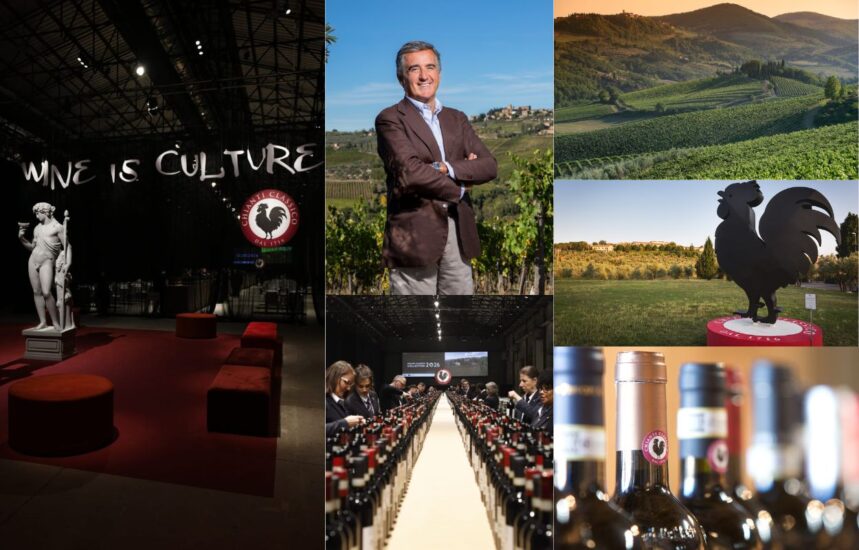
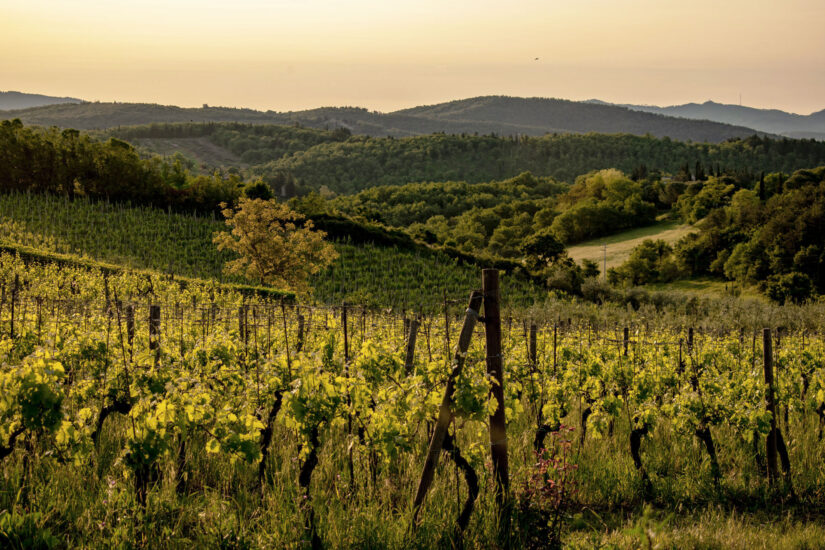
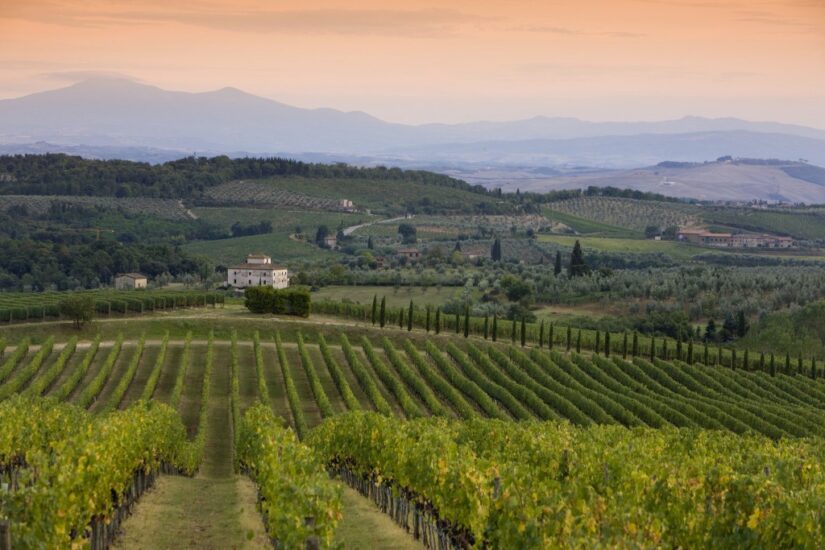
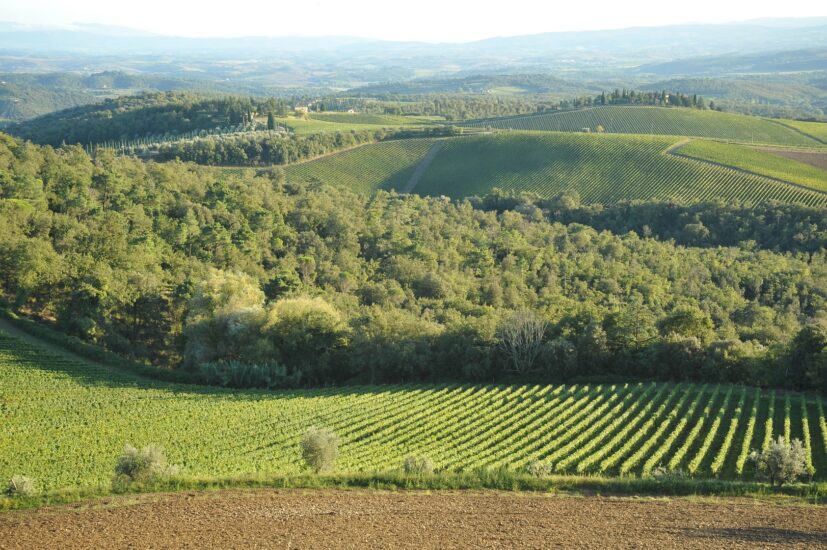

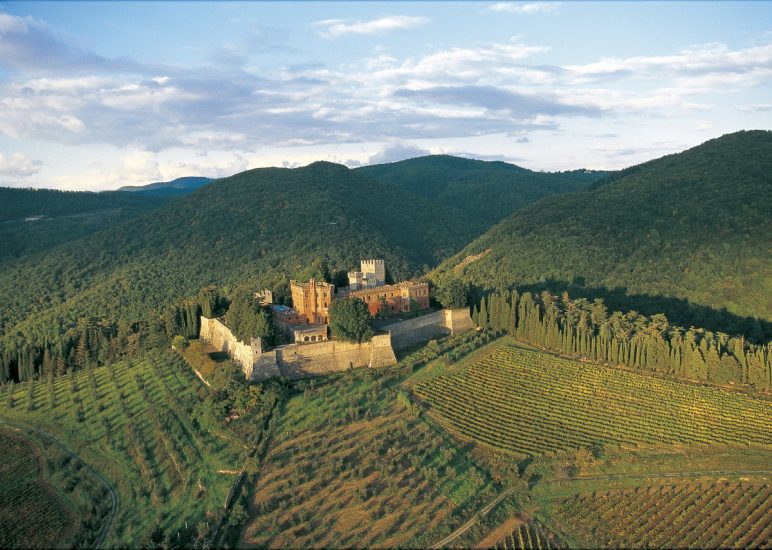
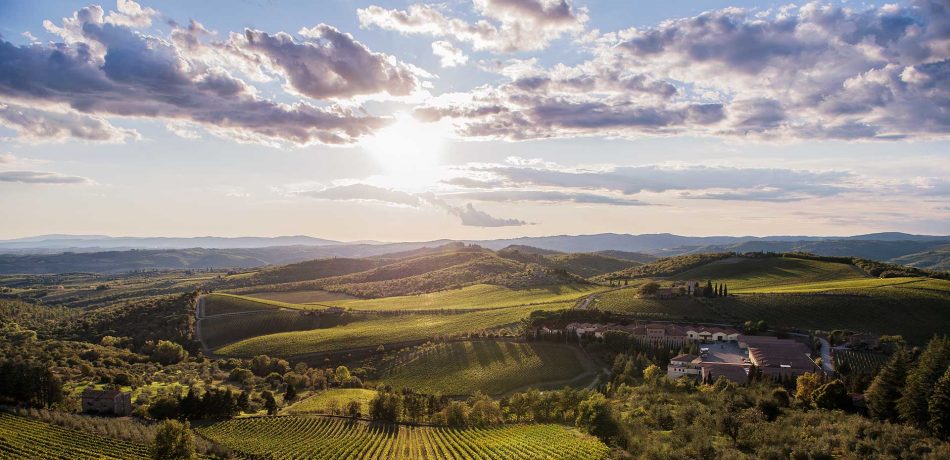
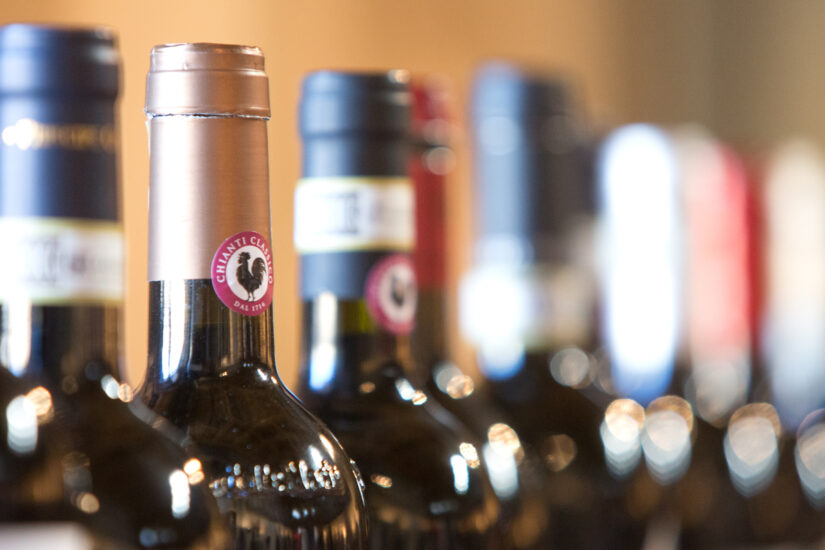
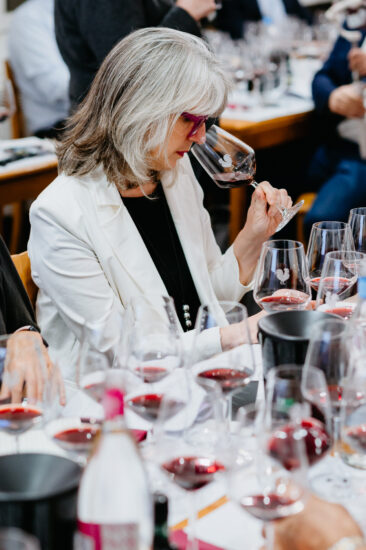
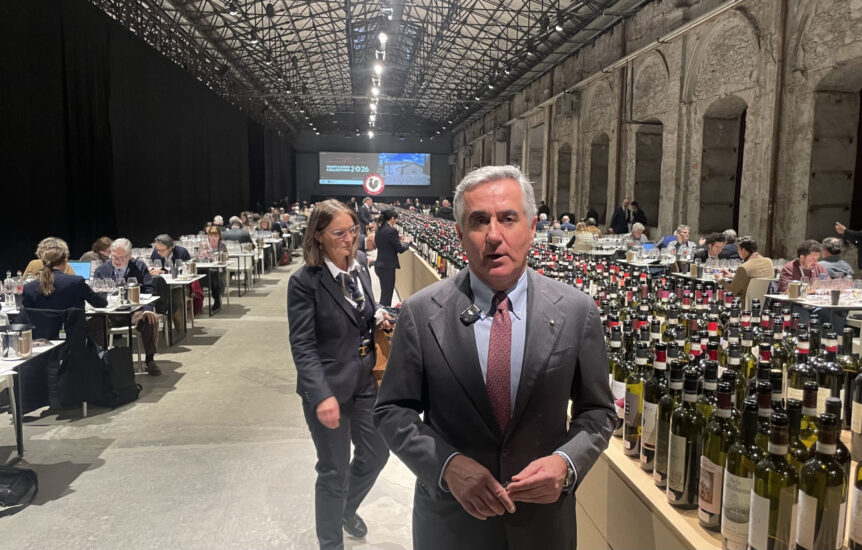
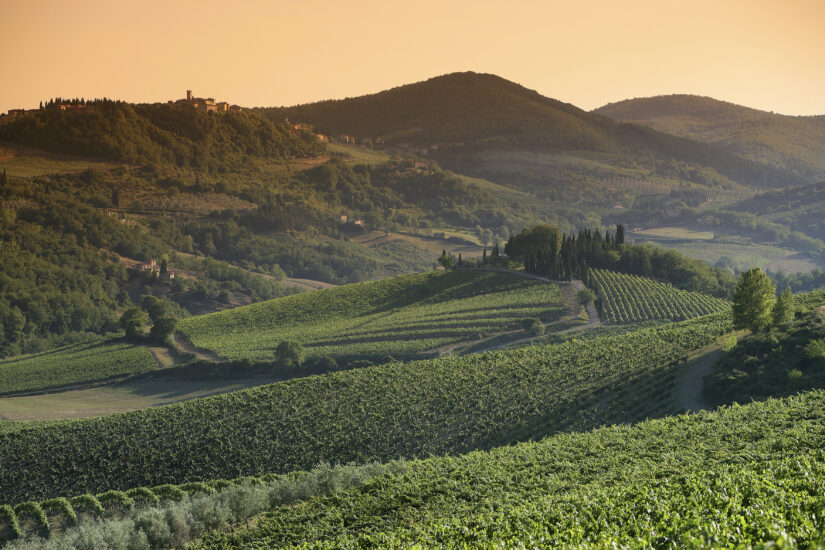
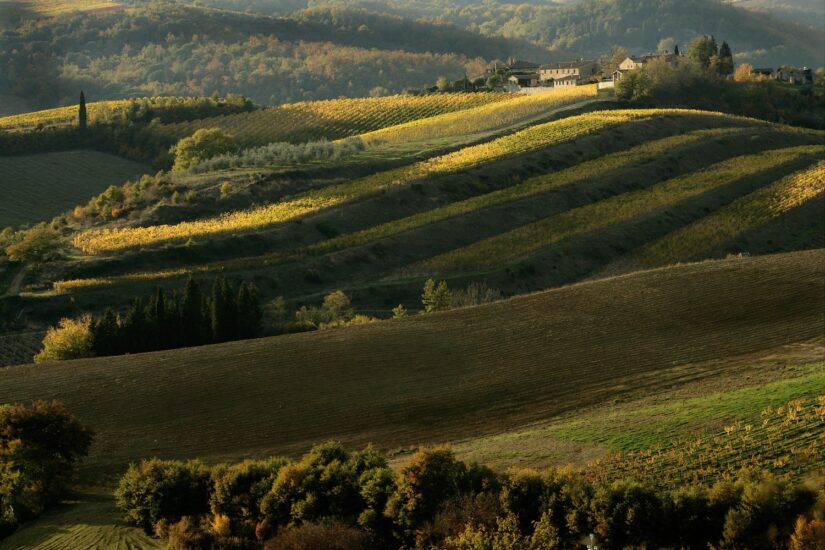
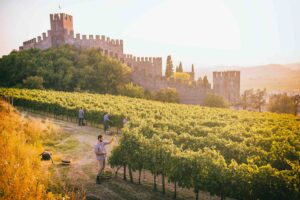
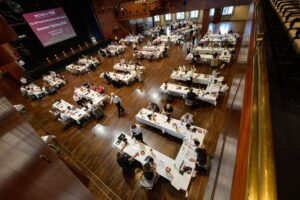
The Black Rooster of Chianti Classico is singing louder than the many internal and external crises facing the wine world, with a wine that continues to grow in both volume and value across markets despite everything, reaffirming the idea that “wine is culture”, the guiding theme of “Chianti Classico Collection 2026”. It also supports efforts to obtain Unesco recognition for “the landscape of the villa-farm system of Chianti Classico”, a goal that could be achieved within a couple of years. Such recognition would further enhance a territory which is among the most beautiful and unspoiled in Italian wine country, preserved precisely thanks to its wine and to the wineries whose work and prosperity make it possible to keep its artistic, architectural, and cultural heritage alive and well, its landscape carefully tended and sustainable, and its social fabric vibrant and strong. This is the key message emerging from the words of Giovanni Manetti, president of the Chianti Classico Consortium in an interview with WineNews (here is our interview) from the Stazione Leopolda in Florence. Today and tomorrow, the venue is hosting the presentation of the new vintages of Chianti Classico (in Annata, Riserva, and Gran Selezione versions, including the increasingly more appreciated and well-received Agms). The event celebrates the intrinsic bond between wine and culture, which in this territory more than any other is “not an abstract statement but an affirmation with deep and well-documented roots. Since 1716, when the official boundaries of the denomination were first defined by Duke Cosimo III de’ Medici, Chianti Classico has represented a unique case of a territory where wine is a direct, though not the only, expression of a cultural construction layered over time”.
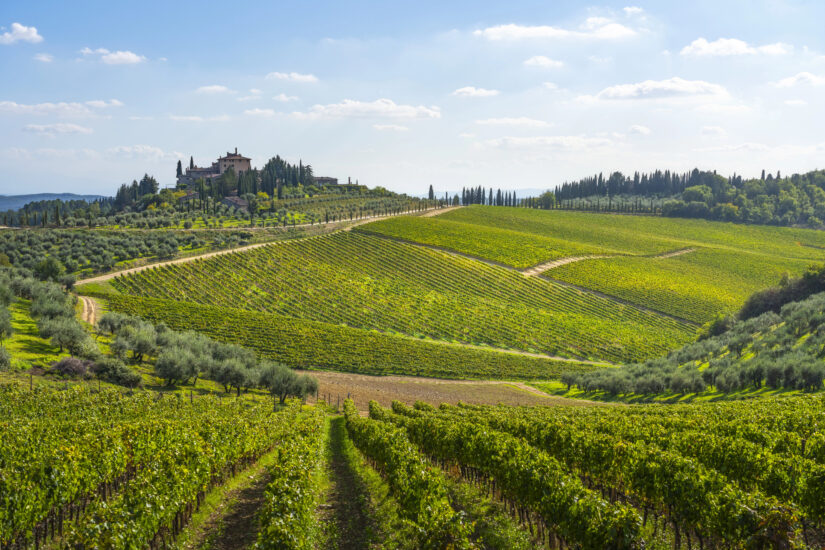
“2025 ended positively for the Chianti Classico denomination, even though we are navigating rough waters - explains president Manetti to WineNews - we are fully aware that the combination of ongoing conflicts, changing consumer tastes, Trump tariffs, and recessions in major countries, key markets for us, like Germany, has created difficulties. Yet we closed the year with a positive sign: our sales volumes grew by 1.2%, and sales value increased by +2.6%. We attribute this result to the growing appreciation for our two premium categories, Chianti Classico Riserva and Chianti Classico Gran Selezione, which together represent 43% of the volume and 55.2% of the denomination value - their higher price point allows wineries to generate more revenue”. These wineries, together with the Consortium, their collective voice, drive a territory that, as mentioned, has long submitted its project and dossier for Unesco recognition of “The landscape of the villa–farm system of Chianti Classico”. The Unesco process, explains Manetti, “is progressing well. We know the procedure is lengthy, and we will need another year or two, as far as we know. Our dossier is currently being evaluated by Icomos in Paris, which is already a significant step forward. The candidacy has the support of the Italian government through the Ministry of Culture and the Ministry of Agriculture, so we hope for a positive outcome as soon as possible”. The theme for 2026 is “Wine is culture” - underlines Manetti - and it is extremely important. There is a very close relationship between wine and culture. The etymological root is telling: the Latin verb colere, to cultivate the land, becomes, when applied to culture, “to cultivate the spirit”. And it is thanks to wine that we can enhance the artistic and architectural heritage of the regions where it is produced; it is thanks to wine that we can protect the environment, natural resources, and landscapes; it is thanks to wine that communities engage with one another, that people meet. Wine is conviviality, sociability. And where more than in Chianti Classico is this relationship so evident? Chianti Classico has been produced for centuries, since Etruscan and Roman times; it has traveled the world for over 300 years, bringing people together. Chianti Classico - reaffirms president of the Consortium of the Black Rooster - right between two great capitals of culture, Siena, queen of the Middle Ages, and Florence, cradle of the Renaissance, absorbs their influence in a positive, tangible way. One can see and touch the beauty that exists in Chianti Classico, shaped by the great artists of these two cultural centers. For all these reasons, wine is culture. And this is the answer we must give to those who increasingly say that wine is harmful. To those who say wine is bad, let us reply that wine is culture, that wine cultivates the spirit”. Chianti Classico is a territory of 70,000 hectares, 10,000 of which are vineyards, with 6,800 officially dedicated to Chianti Classico production. Over the past decade, it has produced an average of 35 to 38 million bottles per year. In recent years, the “highest” tier, Gran Selezione, has been allowed to bear Additional Geographical Mentions (Agms): San Casciano, Greve, Montefioralle, Lamole, Panzano, Radda, Gaiole, Castelnuovo Berardenga, Vagliagli, Castellina, and San Donato in Poggio. Like other prestigious and well-established denominations, Barolo and Barbaresco, for instance, Chianti Classico has heavily invested in the concept of cru and in enhancing these outstanding expressions. At the same time, it recognizes the need to continue strengthening the broader Chianti Classico territorial brand, not only its rare and precious top-tier wines. “I believe the two paths can advance together - explains president Manetti - the strategy we have pursued for several years now, centering on value enhancement, introducing premium categories, and reinforcing those we already had, namely Gran Selezione and Riserva, allows Chianti wineries to increase profitability and better sustain their work. This strategy is yielding significant results and helps us face a challenging moment while still supporting the growth of our wineries. But alongside the Consortium strategy, there is all the behind-the-scenes work: major investments in production facilities, vineyards, cellars, and all the market-oriented activities that both the Consortium and the wineries carry out. Being present in markets is increasingly more fundamental. When I analyze 2025 sales, I see growth precisely in the markets where we ran substantial promotional activities being physically present, bringing producers to meet consumers and professionals, sharing the stories behind each wine, and offering tastings which showcase ever-increasing quality, and improves every year”.
Copyright © 2000/2026
Contatti: info@winenews.it
Seguici anche su Twitter: @WineNewsIt
Seguici anche su Facebook: @winenewsit
Questo articolo è tratto dall'archivio di WineNews - Tutti i diritti riservati - Copyright © 2000/2026