


Monday 14th of September 2026 - Last Update: 17:49






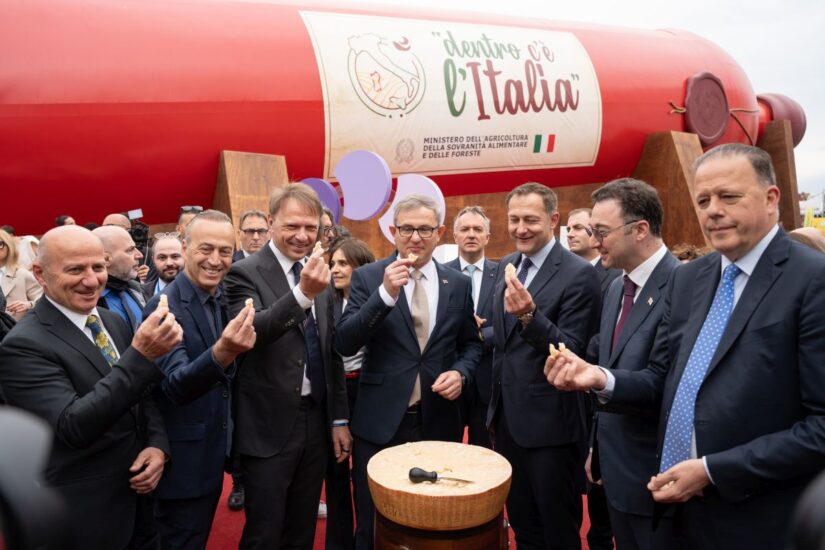
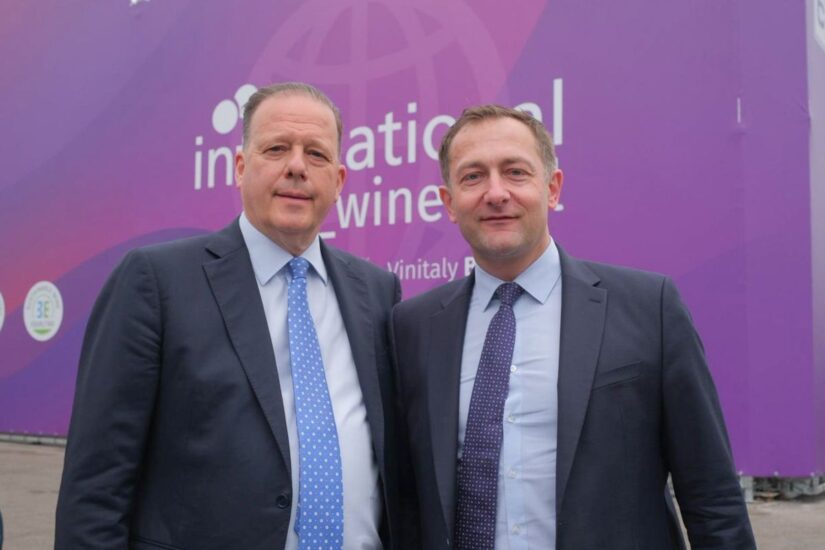
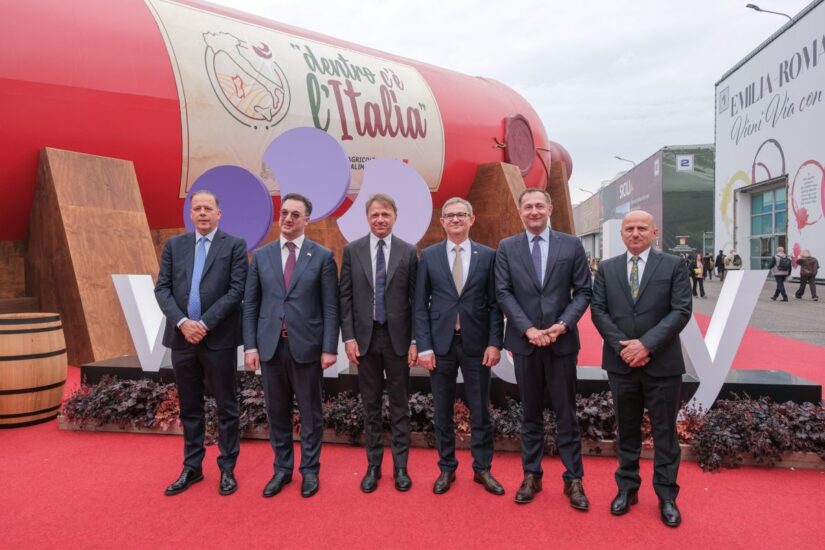
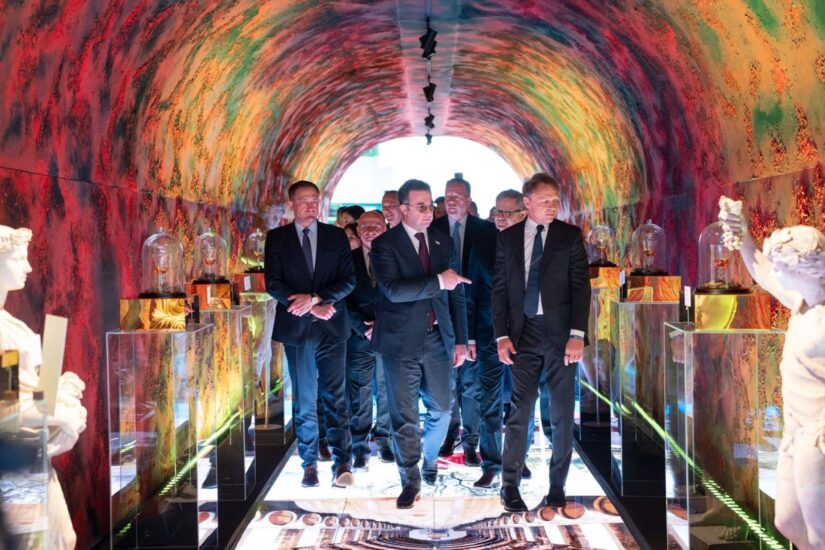
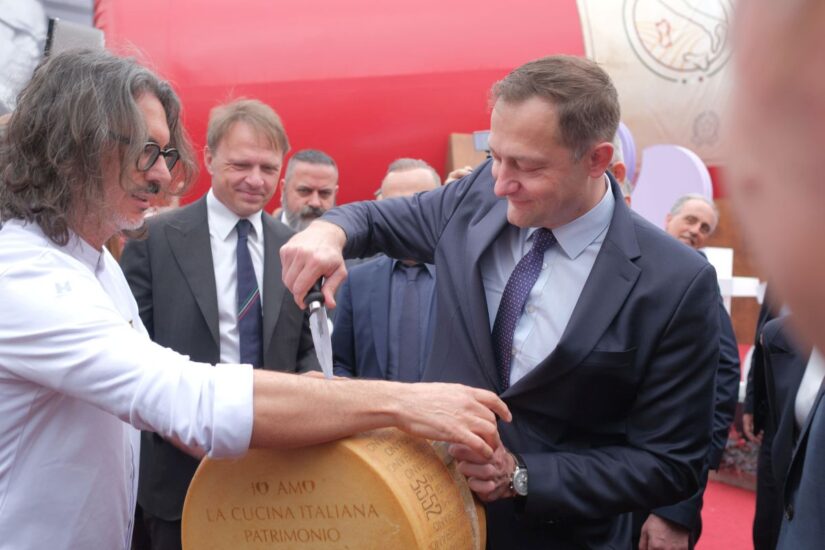
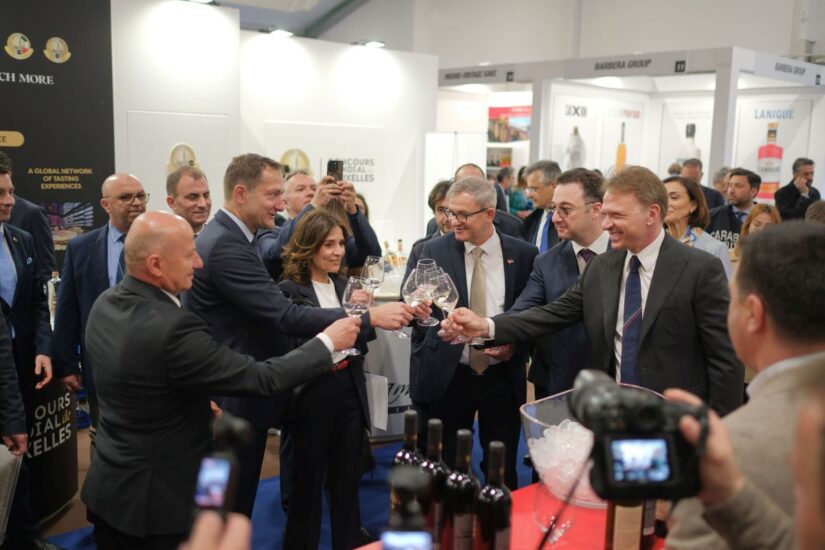

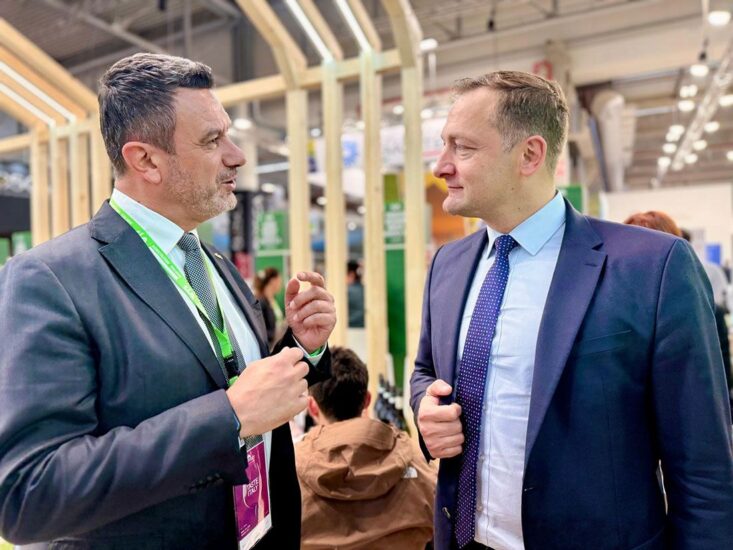
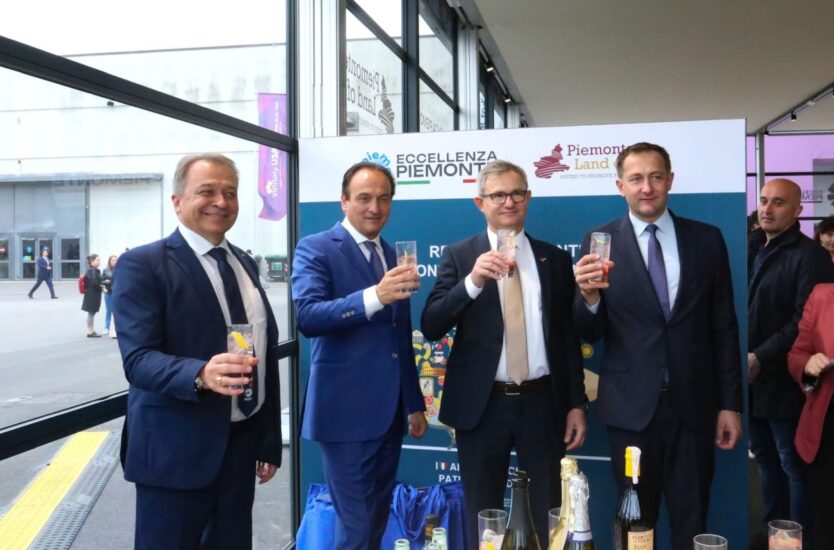
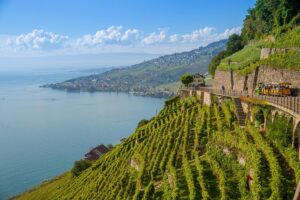
The grapevine and wine express a universal cultural and historical value which goes beyond wine as a product and the substantial economy it generates. In the same way that Italian Cooking was recognized as a Unesco World Heritage asset thanks to the way meals are experienced, the conviviality which surrounds the table, and of which wine is a central element, the groundwork is now being laid in this same sphere to build broad institutional consensus for a possible “Unesco heritage” nomination of the culture of the grapevine and wine. This would ideally fall under the umbrella of the International Organization of Vine and Wine (Oiv), which today brings together 51 wine-producing countries from all over the world, with the aim of further protecting and promoting a crop, the grapevine, and a product, wine, which have accompanied a large part of humanity for millennia. This message comes from Vinitaly 2026 in Verona, on the day of the official visit to Veronafiere by the European Union Commissioner for Agriculture, Christophe Hansen, and Oiv dg John Barker.
“Wine is not just an economic product, but a cultural asset that has been part of human history for millennia - said Oiv director general John Barker - however, a debate on the measures necessary to protect and safeguard it at a global level is needed. These measures must be based on a scientific approach, and they must be accompanied by promotional efforts, because consumption patterns, markets, communication, and technology are changing. There are many questions to answer about how to defend this cultural heritage and pass it on to new generations. We must ask ourselves what we can do, at both national and global levels, to achieve this goal. As Oiv, we need to understand how to work better to involve all countries worldwide in giving greater recognition to wine culture”.
This message was welcomed and reinforced by the EU Commissioner for Agriculture Christophe Hansen, who underlined that “Vinitaly, which I am pleased to return to for the second time, is a unique platform to celebrate wine and its global community. Viticulture is not just agriculture; it is something that has transformed our society, our language, social relationships, and cooperation between countries. It has left deep marks on the beauty of our landscapes and on the way we experience them. Wine - said Hansen - has become an integral part of the way we eat and live. But, today the sector is under pressure, between climate change and increasingly more volatile and complex markets. So how do we protect wine? By preserving uniqueness and excellence, as we do with Geographical Indications, and by supporting promotion. “Last year, from here, we presented the “Wine Package”; now we are just one month away from its adoption. With it, we have introduced new tools to keep the sector competitive, including production control measures, greater flexibility, resources to support promotion, and action to combat climate change. At the same time - continued Commissioner Hansen - the European Union is pursuing an ambitious and open trade agenda, with new opportunities to access strategic markets such as India, which has over 1.4 billion potential consumers. Positive prospects for the sector are therefore emerging. It is essential to continue strengthening the ability of companies to enhance and promote their quality products worldwide. With the “Wine Package” we have introduced new targeted incentives to support this aim, with particular attention to key countries such as Italy, where the sector plays a central role”.
A role that Italy claims in Europe, as recalled by the Minister of Agriculture, Francesco Lollobrigida: “in Europe we are working to get the Commission to change its approach to agricultural policies. Without agriculture there is no environmental protection; without farmers there is no one to protect the environment. Those who, for ideological reasons, have for years pitted agriculture against the environment have caused enormous damage to both agriculture and the environment, and we must be clear about that. We must also be clear in saying that wine is a fundamental element of our diet, not a dangerous substance. Alcohol, present in many products including wine, does have health risks, but wine is much, much more than that. And, Vinitaly is an extraordinary event which connects businesses and buyers, but, above all, it is a place for discussion and in-depth analysis, where strategic prospects, health, nutrition, and the way wine shapes the diet of a nation, Italy, considered the paradigm of dietary well-being, are discussed. Unesco itself stated this when it recognized Italian Cooking as a World Heritage asset, not so much for the dishes, recipes, or products, but for conviviality, for our way of living the table. And without wine at the table, conviviality is difficult to achieve. We must eliminate prejudices against wine, and we must eliminate this threat of wine labels. And we must always remember that to do business, even in wine, passion is necessary, but so is income”.
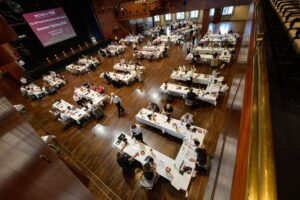
These messages were delivered at the opening of a round table discussion which featured Dragan Glamočić, Minister of Agriculture of the Republic of Serbia, and David Songulashvili, Minister of Agriculture of Georgia, who spoke about the historical and cultural value of viticulture and wine, alongside Marzia Varvaglione, president of the Ceev, the committee representing European wine companies, and Sandro Sartor, head of the European project “Wine in Moderation”.
“The Unesco recognition for Italian Cooking, which is closely linked to conviviality, was an important step - said Ceev president Marzia Varvaglione - and, as it has been said, without a good bottle of wine there is no conviviality. The value of the grapevine and wine is above all cultural and intangible. The supply chain is long: wine businesses make up a large part of the Sme fabric of Italy and Europe, from growers to processors, from marketers to communicators, as well as hospitality and tourism. PGIs and PDOs create a sense of belonging to a territory and communicate a guarantee of origin to consumers. We must not create false alarmism, and one day achieving recognition of the culture of the grapevine and wine, perhaps as a Unesco Heritage, would be extremely important to further safeguard history and culture, to enhance the competitiveness of the sector, and to foster the growth of wine tourism, which has become crucial for our economies: last year alone there were 15 million wine tourists in Europe, generating an economy worth 15 billion euros”. “Framing wine within a cultural context - said Sandro Sartor, head of the European project Wine in Moderation - is essential, not only for how wine is consumed, but for how wine is perceived and how it integrates into people lives. In many countries around the world, wine has existed for millennia, is part of everyday life, and is almost always consumed in a moderate and conscious way. In other countries and cultures, this is not yet the case, and consumption is more occasional and sometimes excessive, because there is no sustainable wine culture, which can only be moderation, and building that culture is our goal. International recognition of the cultural value of the grapevine and wine? It would certainly help. There is this new ambition that places wine in a different context, not merely as a “vector of the ethanol molecule”, as some try to portray it, but as something far more significant, deeply rooted in the social and cultural fabric of many countries, and connected to sustainability in a 360-degree sense, cultural, environmental, and social”.
“Wine is much more than a product, and the wealth that wine brings to territories and to everyday life, to culture, is fundamental. But international willingness to recognize the value of wine culture and grapevine cultivation is also important. Cultural value is part of the overall value of wine, of what we sell and consume, and it goes beyond that. Success requires a collective effort, and Oiv brings together 51 countries: it is the place to build networks, create relationships, and work toward a recognition that would be fundamental for the future of wine”, concluded Barker.
Copyright © 2000/2026
Contatti: info@winenews.it
Seguici anche su Twitter: @WineNewsIt
Seguici anche su Facebook: @winenewsit
Questo articolo è tratto dall'archivio di WineNews - Tutti i diritti riservati - Copyright © 2000/2026