


Sunday 20th of September 2026 - Last Update: 21:50







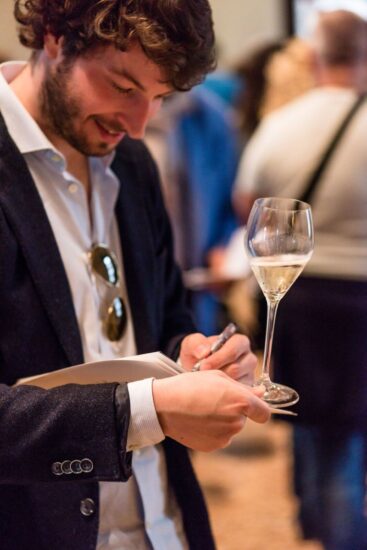
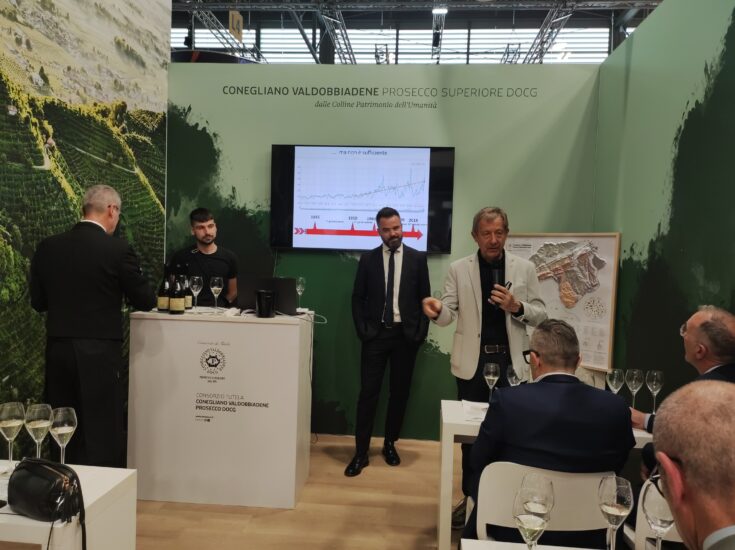
Since 2015, Vivai Rauscedo - thanks to the expertise shared with the University of Udine - has been working on the creation of new disease-resistant Glera grapevines. After 7 years of microvinifications, the results were evaluated in the glass at Vinitaly 2026: eight tastings from four new clones, vinified in the same way but grown in two different locations (Refrontolo, in the heart of the Conegliano and Valdobbiadene Hills, and Rauscedo itself), compared with the control sample Glera VCR101. They are (for now) called Glera R2, VCRR4, VCRR5 and VCR151199, and were selected from among 80,000 seedlings because they developed sufficient resistance to the main grapevine diseases (especially downy mildew and powdery mildew), while remaining closely aligned with the noble characteristics of the original variety and, at the same time, meeting the production, geographical and harvesting requirements of the denomination. The project was presented by Diego Tomasi, director of the Conegliano Valdobbiadene Prosecco Superiore DOCG Consortium, and Yuri Zambon, director of Vivai Cooperativi Rauscedo, during the masterclass “Innovazione, sostenibilità, resistenza: le nuove coordinate della Glera del futuro” - “Innovation, sustainability, resistance: the new coordinates of the Glera of the future”.
The presented varieties - obtained through targeted crossings and advanced research programs - maintain a genetic base deriving from traditional Glera, with the aim of preserving its identity, quality and typicity, while at the same time introducing characteristics of greater resilience and adaptability to the main fungal diseases.
“When powdery mildew began to appear in 1854, downy mildew in 1878 and phylloxera in 1863, the immediate reaction was to look for solutions among the alternatives already available. Investments were therefore made in American grapevines (such as Isabella, Clinton and Noah, which proved to be resistant and productive - narrated Diego Tomasi - but with pronounced foxy aromas that were not particularly pleasant. Research then moved on to hybrid crosses between European wine grapes (Vitis vinifera) and native North American grapes”. Between the late 19th and early 20th centuries, Albert Seibel produced more than 16,000 new hybrids from nearly 500 varieties, 1,500 of which were entered into official registers and went on to make up 140,000 hectares of vineyards in France alone, essentially a quarter of the national vineyard area, while also remaining significant in plantings throughout Europe and Brazil. Meanwhile, scientist Georges Courdec, working in Montpellier and Paris, began building a rich collection of grapevines from all over the world, focusing on the production of phylloxera-resistant rootstocks.
“But years and years of studies and considerable efforts - explained Diego Tomasi - led to only a handful of vines usable for Glera. Out of seven hundred vinifications, fewer than five survived: resistance was highly variable and difficult to reconcile with yield and quality”. Research therefore largely came to a halt, finding new momentum only in the second half of the 20th century at the Institut für Rebenzüchtung in Geilweilerhof, Germany. Romania emerged as a major producer of these hybrid crosses, spreading them over half of its vineyard area (more than 120,000 hectares). “As we approached the new millennium, demands for environmental sustainability became increasingly widespread. European studies showed that vineyards account for 80% of pesticide use - continued Tomasi - while covering only 8% of cultivated land”. New tools were therefore sought which could act at the genetic level, leading to the first studies on molecular markers. In 1998, the University of Udine launched a genetic improvement program, inaugurating the third generation of varieties resistant to downy mildew and powdery mildew but still maintaining a predominant proportion of the noble parent’s genome. Starting from grape varieties such as Tocai and Sauvignon Blanc, phenological and agronomic surveys and microvinifications were carried out together with Vcr between 2006 and 2012 for enological characterization, reaching a good qualitative level in 2019.
In 2018, the fourth generation of disease-resistant Glera varieties by VCR arose, an autonomous project made possible thanks to the knowledge developed over 20 years of trials with the University of Udine and the authorization granted by the Veneto Region in 2024 to plant experimental vineyards. “These are not plants genetically modified in a laboratory, but rather the result of crossings - specified Yuri Zambon - the noble Glera variety is pollinated with pollen from the resistant donor, mimicking what happens spontaneously in nature. The difference is that we guide the process: they are, in short, arranged marriages. The resistance acquired allows the plant to activate its defenses in the presence of pathogens, but it doesn’t make it immune. This is why a minimal level of protection (reduced by as much as 70%) with antifungal treatments is still necessary in order to preserve resistance”.
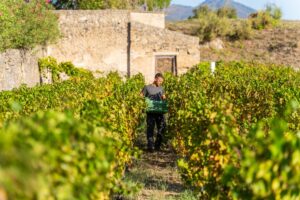
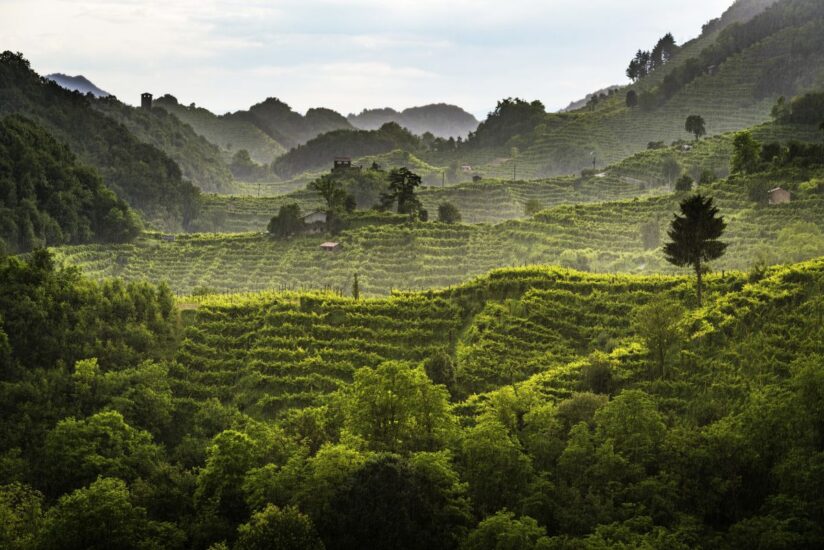
The clones presented during the WineNews tasting are all siblings, derived from the exact same parent plants. They were all subjected to identical microvinifications - therefore more sensitive to reduction or oxidation - carried out at VCR. They have received European certification attesting to their identity, typicity and stability, and were evaluated for resistance to powdery mildew and downy mildew, average yield compared to standard Glera, and ripening time relative to standard Glera. The clones grown in Refrontolo are located on a hillside with a 20% slope, composed of poor soils, where only 3 treatments were carried out compared to an average of 9-10.
Copyright © 2000/2026
Contatti: info@winenews.it
Seguici anche su Twitter: @WineNewsIt
Seguici anche su Facebook: @winenewsit
Questo articolo è tratto dall'archivio di WineNews - Tutti i diritti riservati - Copyright © 2000/2026