


Sunday 20th of September 2026 - Last Update: 21:50




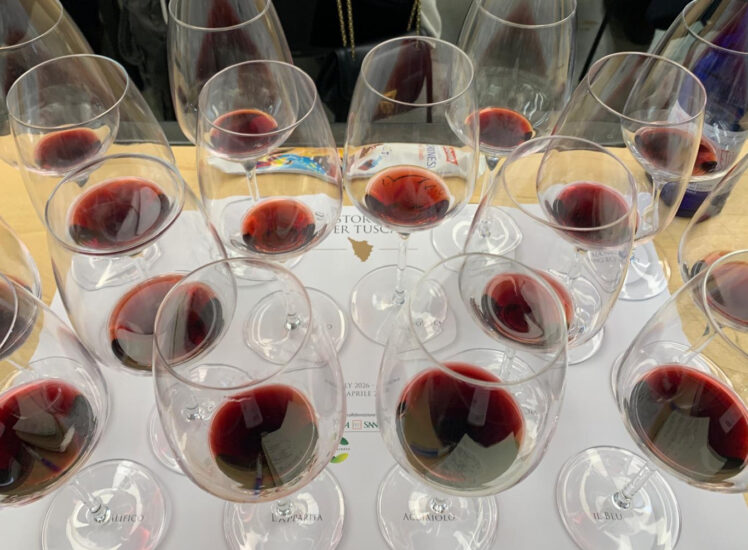
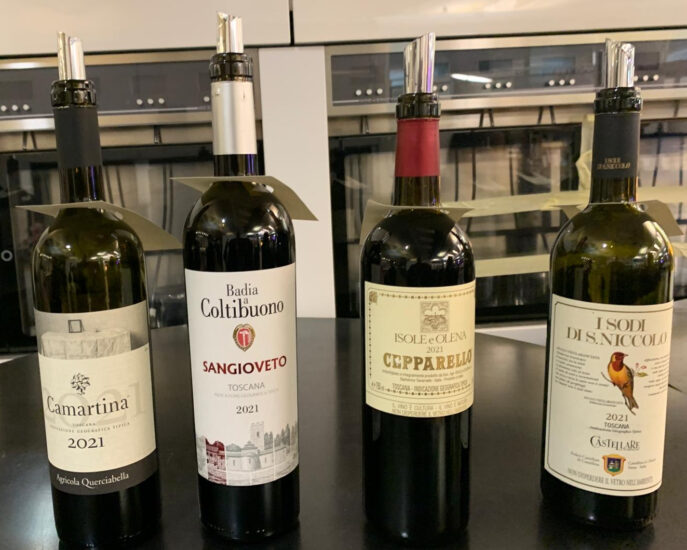
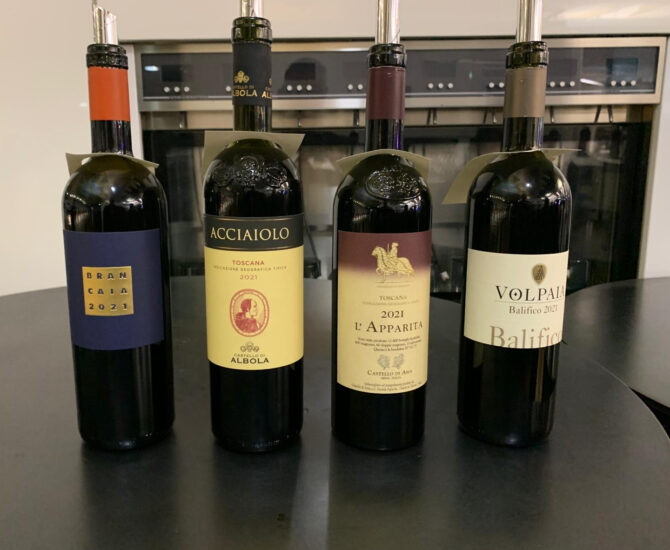
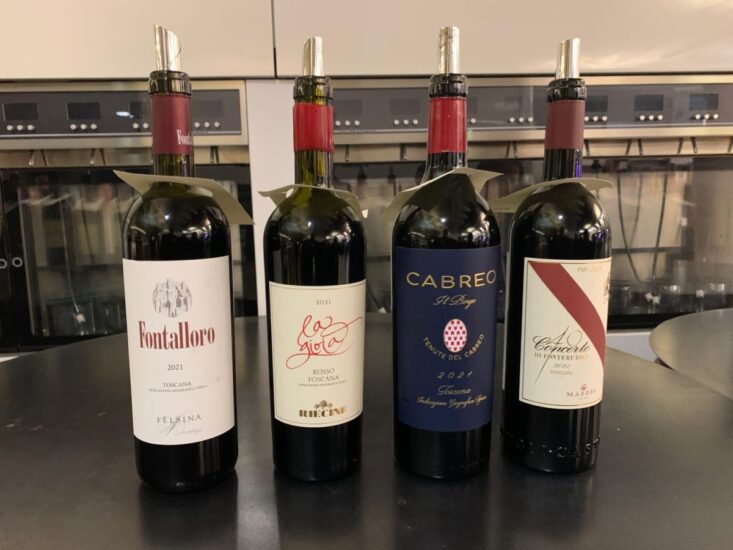
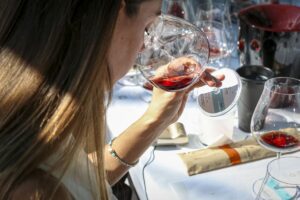
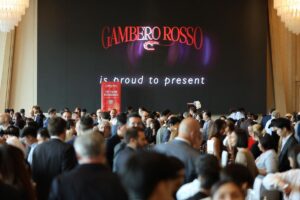
“Super Tuscans” are a category of wines which left an indelible mark on Tuscany “wine renaissance”, launching the region wines into the global elite. Their story and legacy were celebrated today at Vinitaly 2026 in Verona with a signature tasting organized by the “Historical Super Tuscans Committee”, founded in 2021. The committee brings together the estates that created the most significant Super Tuscans of the Chianti Classico area, with Paolo Panerai (Domini di Castellare) as president and 16 founding members (San Felice, Marchesi Antinori, Montevertine, Castello di Monsanto, Castellare di Castellina, Isole e Olena, Badia a Coltibuono, Querciabella, Castello di Fonterutoli, Ambrogio & Giovanni Folonari, Riecine, Fèlsina, Castello di Volpaia, Castello di Ama, Castello di Albola and Brancaia). The tasting was guided by wine journalist Michelle Cherutti-Kowal, Tuscany chair of the “Decanter World Wine Awards”. The ability to interpret one native territory is particularly evident in wines dominated by Sangiovese, which are able to offer greater depth of flavor and aging potential, even in a vintage like 2021, which was certainly not among the coolest of the recent past. In this context, Sangiovese-based wines probably expressed their respective terroirs with greater definition, while also embracing new stylistic trends marked by an increasingly pronounced search for freshness and drinkability, qualities which are also present, even if to a lesser extent, in the mouthfeel of wines more indebted to international varieties. Beyond this now well-established element, what stands out is the ability, in a first group of wines, to better calibrate the use of oak in maturation, which in many cases still appears somewhat excessive and perhaps overly dependent on smaller formats (oak barrels and tonneaux).
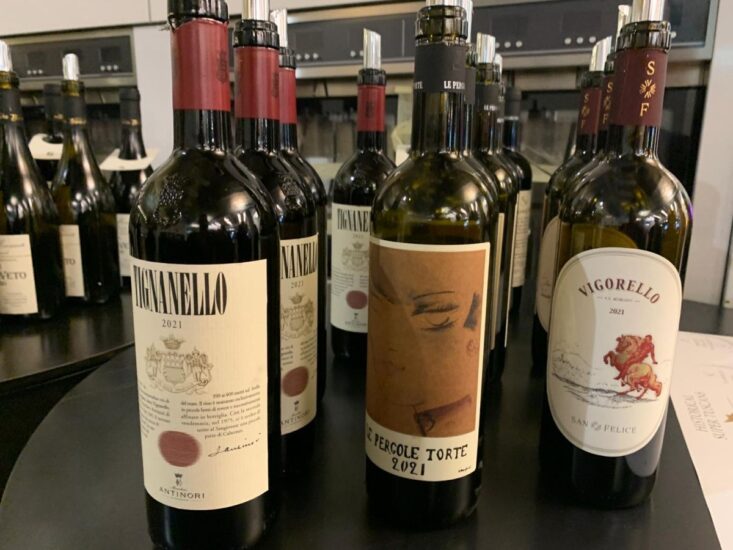
Among the WineNews tastings, Fabrizio Bianchi Sangioveto by Castello di Monsanto stands out: a pure Sangiovese with intriguing aromas alternating between earth, fruit and flinty notes, leading into a lively, savory and very long finish. Sangioveto from Badia a Coltibuono is equally successful, also a pure Sangiovese, conceived around an interesting aromatic delicacy in its fruity nuances, enlivened by flashes of graphite. On the palate, it is savory and continuous, closing with a finish that shows slightly warmer hints. Camartina from Querciabella is very good as well, a Sangiovese and Cabernet Sauvignon blend whose aromas fuse cherry notes with Bordeaux-style pyrazinic touches, flowing into a dynamic and vibrant palate. La Gioia by Riecine is rich and fragrant, also a pure Sangiovese, with ferrous aromatic traits and a pleasing openness of fruit, accompanying a fleshy and consistently energetic mouthfeel. Although spicy notes are present, Pergole Torte by Montevertine reveals a pleasing aromatic ensemble of small red fruits and earth on the nose, with a juicy, full palate and a finish where the tannins assert their energy. L’Apparita by Castello di Ama, a pure Merlot, is well-defined on the nose and balanced in its gustatory progression.
Balifico by Castello di Radda doesn’t lack power; this Sangiovese and Cabernet Sauvignon blend recalls chocolate and ripe fruit, with a palate that is fleshy and intense. Earth, ripe red fruits and a generous dose of spice characterize Cepparello by Isole e Olena (Epi Group), a pure Sangiovese with a generally warm palate and dense tannic structure. Notes of coffee powder and ripe red fruit emerge in the aromas of Acciaiolo by Castello di Albola (Zonin1821 Group), a pure Cabernet Sauvignon with good weight and structure on the palate. Hints of wilted flowers and spices mark the bouquet of I Sodi di San Niccolò by Castellare di Castellina, a Sangiovese with a small percentage of Malvasia Nera, offering a generally sweet and intense palate. Ripe fruit, vanilla and tobacco dominate the nose of Fontalloro by Fèlsina, a pure Sangiovese with a fluid palate that nonetheless shows marked tannic articulation. Chocolate, vanilla and tobacco prevail in the bouquet of Cabreo by Ambrogio and Giovanni Folonari Tenute, a blend of Sangiovese, Merlot and Cabernet Sauvignon, with a compact and tightly knit palate. Il Blu by Brancaia, a blend of Merlot, Sangiovese and Cabernet Sauvignon, is fragrant with ripe red fruit and confectionery notes, developing fully and seamlessly on the palate. Sweet and intense aromas define Concerto by Castello di Fonterutoli-Mazzei, a Sangiovese and Cabernet Sauvignon blend that also finds sweetness in its palate progression. The nose of Vigorello by San Felice (Allianz Group) is lush with ripe fruit; a blend of Pugnitello, Merlot, Cabernet Sauvignon and Petit Verdot, it offers a sweet, warm and creamy mouthfeel. Spices, toasted notes and tobacco refine the ripe fruit character of Tignanello by Marchesi Antinori, a blend of Sangiovese, Cabernet Sauvignon and Cabernet Franc, with a smooth and continuous gustatory structure.
Copyright © 2000/2026
Contatti: info@winenews.it
Seguici anche su Twitter: @WineNewsIt
Seguici anche su Facebook: @winenewsit
Questo articolo è tratto dall'archivio di WineNews - Tutti i diritti riservati - Copyright © 2000/2026